
Whether you’re tracking a trophy buck across a hundred acres or simply want to know what’s digging up your tomato plants, a cellular trail camera turns guesswork into evidence. You get photos and clips sent straight to your phone, which means fewer wasted trips to check SD cards and more time actually planning around what the land is telling you.
The category has grown crowded fast, and not every camera earns its monthly data plan. Some are built for serious off-grid scouting, others for casual backyard watching, and a few are really just signal-boosting accessories for an existing setup. Below, eight picks cover the full spread, from premium cellular units with GPS to budget-friendly bundles and a long-range antenna that solves a specific signal problem.
The Essentials At A Glance
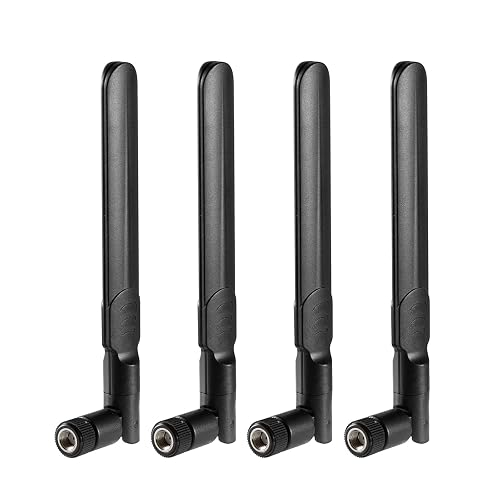
8dBi RP-SMA 4G LTE Cellular Trail Camera Antenna (4-Pack)

TACTACAM Reveal X 3.0 Cellular Trail Camera
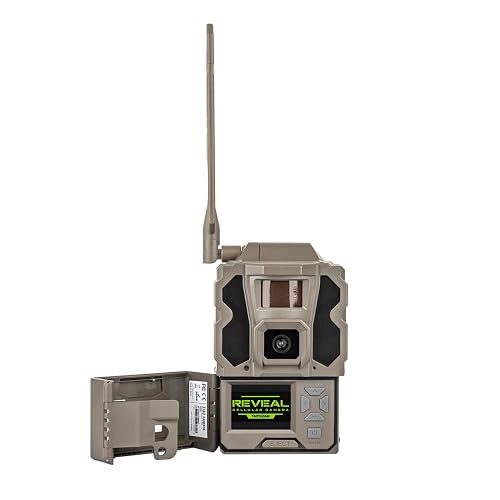
TACTACAM Reveal Pro 3.0 Cellular Trail Camera
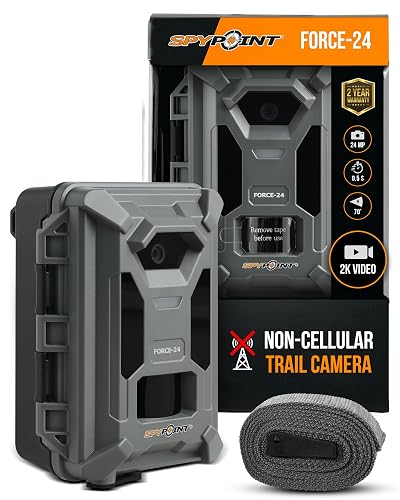
SPYPOINT FORCE-24 Non-Cellular Trail Camera
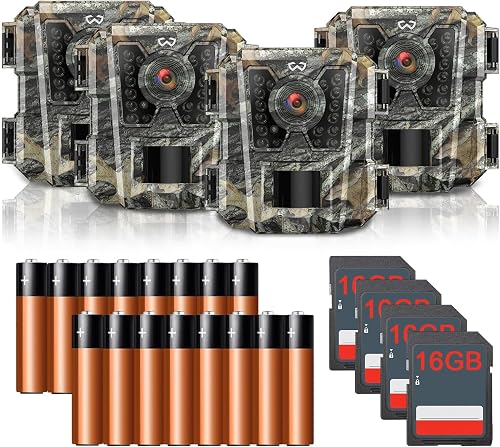
WOSODA Mini Trail Camera 4-Pack

WOSPORTS Trail Camera 56MP 4K
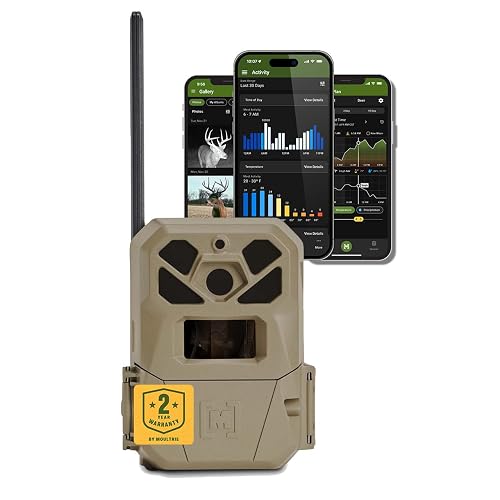
Moultrie Edge 2 Pro Cellular Trail Camera
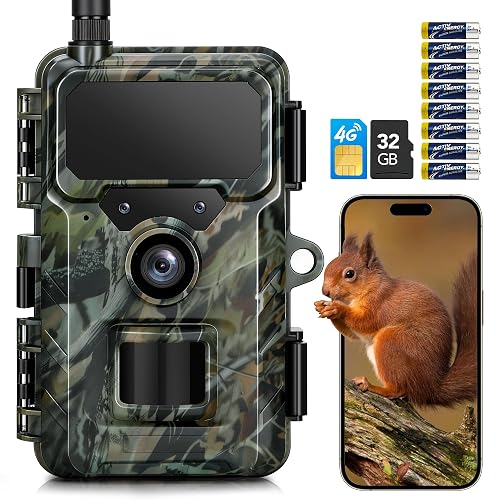
WIMIDING 4G Cellular 2K 48MP Trail Camera
A Deeper Look At The Lineup
An upgrade antenna is a niche pick, but for the right person it solves a stubborn problem. The 8dBi RP-SMA antenna arrives as a pack of four, and it’s tuned for the same cellular bands your LTE trail camera already uses, which means a simple screw-on swap. Hunters running older Spypoint Link or Tactacam Reveal units in deep canyons, dense pine, or low-lying fields know the pain of “no service” right when a buck walks by.
Because the antenna is omni-directional (it pulls signal from every direction rather than aiming at one tower), you don’t need to fiddle with aiming once it’s mounted. For most backyards this won’t matter, but for a remote lease 30 miles past the nearest cell tower, it can be the difference between getting a photo album and getting silence.
Why It Works Well
- Covers the main LTE bands used by U.S. carriers (698 to 960 MHz, 1710 to 2170 MHz, 2300 to 2700 MHz), so it works across most networks your camera might hop onto.
- Omni-directional design means no aiming, no compass, no frustration at setup.
- Operating temperature range of negative 20 to positive 80 degrees Celsius handles harsh winter hunts and summer heat alike.
- Four-pack pricing gives you spares for multiple cameras or a backup if one takes a beating from a curious bear.
Things To Consider
- It’s an accessory, not a standalone camera. You need a compatible Spypoint or Tactacam body to do anything useful.
- Gain helps reception but won’t create signal where there is none, so truly dead zones will stay dead.
- Replacement involves opening the camera housing, which can let in moisture if the seal isn’t reseated carefully.
Made For
Hunters and researchers running existing cellular cameras in marginal signal areas who want a real boost without swapping their whole setup.
Skip It When
You don’t yet own a compatible camera, in which case the TACTACAM Reveal X 3.0 is a better starting point.
The TACTACAM Reveal X 3.0 is the workhorse of the cellular category, and most people shopping for their first LTE camera will land here. It uses an integrated SIM that automatically picks between AT&T and Verizon, locking onto whichever network has the stronger signal at your exact spot. That dual-carrier approach matters more than spec sheets suggest, because carrier coverage maps lie. A camera that thinks it’s covered by Verizon might sit dead in a hollow where only AT&T works, and vice versa.
Battery life is the other half of the appeal. The X 3.0 is rated to run over six months on a single set of cells in typical conditions, which means one fall setup can carry you through hunting season with a single battery visit. Waterproofing and a familiar Tactacam app round it out, making it a low-fuss choice for a first-time cellular owner.
What Helps Most
- Auto-connecting multi-carrier SIM removes the carrier-choosing headache that frustrates first-time cellular shoppers.
- Six-plus month battery life in typical conditions means fewer cold walks to swap cells mid-season.
- Waterproof housing handles rain, snow, and morning dew without complaint.
- The Tactacam app is widely used, so help and setup videos are easy to find.
Worth Noting
- You’ll still need a data plan, and monthly fees add up over years of ownership.
- No GPS tagging, so managing ten of these on one map takes manual labeling.
Who It Suits Best
First-time cellular camera owners and weekend hunters who want a set-it-and-forget-it body that handles real-world coverage gaps.
Where Another Pick Suits Better
Land managers running a dozen cameras across multiple ridges will find the TACTACAM Reveal Pro 3.0’s GPS tagging more practical.
The Reveal Pro 3.0 takes everything that works on the X 3.0 and layers in two features serious users notice immediately: GPS tagging and an optional SD card slot for local backup. The no-glow infrared flash captures clear nighttime images without the visible red glow that older cameras throw out, which is enough to spook a wary doe before you ever get the photo.
For someone running a half-dozen cameras on a lease, the GPS stamp on every image saves a lot of squinting at tree lines later. The SD card slot matters in a different way. If cellular drops for a week during a storm, you still have a complete local archive waiting when service returns, which is a quiet kind of insurance most owners appreciate the first time they need it.
The Practical Payoff
- GPS tagging means every image knows exactly which camera took it, with no manual labeling across multi-cam setups.
- Optional SD card slot runs alongside cellular delivery, giving you a backup if the network drops.
- No-glow infrared flash keeps nighttime shots discreet and less likely to alert wary deer.
Honest Caveats
- Costs more than the X 3.0, and the upgrade only pays off if you actually use multiple cameras or worry about network outages.
- SD card is sold separately, so add that to the budget.
Feature Snapshot
Right Fit For
Multi-camera property managers, hunting guides, and landowners who need clean location records and a reliable local backup.
Consider Something Else When
You’re only running one or two cameras on a small property, in which case the TACTACAM Reveal X 3.0 covers the same cellular needs for less.
The SPYPOINT FORCE-24 is a non-cellular camera, and that single fact shapes who should buy it. You won’t get images sent to your phone, so this isn’t the right tool for someone who lives two hours from their hunting spot and hates the drive. What you do get is a 24MP sensor, 2K video with sound, and a 70-foot motion detection range, all without a monthly plan attached.
For weekend hunters, the trade-off is appealing. You check the SD card when you visit, sort through the photos at home, and you never think about data plans or signal strength. Low-glow LEDs keep nighttime shots reasonably discreet, and SPYPOINT’s track record in the trail cam space means a familiar menu structure if you’ve used one before.
Useful Strengths
- No monthly data fees, which adds up to real savings over years of ownership.
- 2K video with sound captures context still photos miss, useful for identifying gait or antler movement.
- 70-foot detection range covers a generous swath of trail or food plot.
Points To Keep In Mind
- SD card is not included, so factor that into the total cost.
- You’ll need to physically visit the camera to retrieve footage, which means monthly or more frequent trips.
Best Suited To
Budget-conscious hunters who don’t mind making the drive to swap SD cards and want to skip ongoing data fees entirely.
Look Elsewhere When
You want photos delivered to your phone, in which case the WIMIDING 4G Cellular Trail Camera offers a budget-friendly cellular option instead.
The WOSODA Mini bundle arrives with four cameras, four SD cards, and sixteen AA batteries in the box, which makes it the closest thing on this list to a turnkey wildlife monitoring kit. Each unit captures 30MP stills and 1080P video, day in color and night in black and white, and the small form factor slips into tighter spots than a full-size cam.
Picture a small property with a creek crossing, a scrape line, a food plot edge, and a backyard garden bed. Four cameras let you cover all of that for a single upfront cost, and the included SD cards mean no extra shopping. The trade-off is that these are non-cellular SD-card units, so you swap cards in person, but for multi-zone monitoring where you’re already walking the land, that’s rarely a real problem.
What Earns Its Place
- Bundle includes four SD cards and sixteen batteries, so you’re literally ready to mount the moment the box arrives.
- 30MP stills hold enough detail for antler counting and animal ID at typical trail distances.
- Mini form factor tucks into tree crevices and tight spots that bulkier cams can’t reach.
Small Caveats
- No cellular delivery, so checking footage requires a physical visit per camera.
- Battery life on mini units tends to run shorter than full-size bodies in heavy-traffic spots.
Feature Snapshot
Who Will Love This
Property owners, researchers, and families wanting multi-zone coverage of trails, gardens, and outbuildings without paying for a data plan per camera.
A Better Fit Elsewhere
You need remote image delivery, where the Moultrie Edge 2 Pro Cellular Trail Camera handles that need with one unit.
The WOSPORTS leans hard into image quality, and on paper it leads this list: 56MP stills, 4K video, and a 0.2-second trigger speed that catches animals in mid-stride. The 120-degree wide detection arc is generous, which means one camera covers more ground than most, useful at a clearing or pond where wildlife approaches from multiple angles.
You trade away cellular delivery, so this is a retrieve-the-SD-card camera, but the trigger speed and resolution make it a strong pick when image detail matters more than convenience. No-glow night vision keeps after-dark shots discreet, and the 2.0-inch built-in LCD helps with aiming and reviewing in the field without hauling a laptop to the treestand.
Noteworthy Benefits
- 56MP stills are the highest resolution in this lineup, sharp enough to crop tight and still get usable ID detail.
- 0.2-second trigger speed is fast, helping you catch animals that pause briefly before moving on.
- 120-degree wide detection arc covers broad clearings, food plots, and pond edges with a single body.
Room For Improvement
- Non-cellular, so you still need to visit the camera in person to see your photos.
- Higher resolution files fill SD cards quickly, so you’ll be swapping more often than with lower-res units.
Spec Overview
Perfect Match For
Wildlife watchers and content creators who want top-tier still image quality and don’t mind retrieving SD cards in person.
Swap It Out When
Remote monitoring matters more than resolution, in which case the Moultrie Edge 2 Pro Cellular Trail Camera delivers 40MP images to your phone.
The Moultrie Edge 2 Pro is the most feature-stacked camera on this list, and it leans into a tech-forward approach. Auto-connect nationwide 4G LTE means the camera picks the best available network at your location without you choosing, and on-demand 40MP photos let you ping the camera from your phone to grab a real-time look at your stand or feeder.
The AI false-trigger elimination is the quieter win. Most trail cameras fire on every passing branch, blowing through battery and SD space on useless images. Moultrie’s filter trims the noise, so when you scroll through, you actually see deer instead of grass. A 100-foot detection range and no-glow flash round out a body aimed at hunters who want control, not just convenience.
The Helpful Details
- On-demand photo request from the app gives real-time scouting without driving to the property.
- AI false-trigger filtering reduces wasted images from wind-blown branches and small animals.
- 1440P video with HD audio captures richer context than standard 1080P trail cam footage.
- 100-foot detection range is generous, covering wide clearings and long food plot edges.
A Few Limitations
- Requires Moultrie’s data plan, which is a separate ongoing cost.
- Higher feature count means a steeper learning curve the first time you set it up.
Built With In Mind
Tech-forward hunters, guides, and landowners who want on-demand scouting and AI filtering to cut through the noise of busy trail cam images.
Another Choice May Suit
You want a simpler cellular experience, where the TACTACAM Reveal X 3.0 delivers solid performance with less menu-diving.
The WIMIDING 4G camera does something most cellular cams don’t: it works as a regular trail camera even without a SIM card. You can pull the SIM out entirely and use the included 32GB card the old-fashioned way, or you can add a data plan for cellular delivery, your choice. That flexibility is rare in this category.
It captures 48MP stills and 2K video, with night vision that handles after-dark motion cleanly. The waterproof housing shrugs off rain, and motion activation fires reliably. For someone who’s never owned a cellular camera and isn’t sure they want the commitment, this is an easy on-ramp. You can try the cellular side later without feeling locked in.
Key Advantages
- Unlocked SIM approach means you can use it as a standard SD card camera or add cellular delivery on your terms.
- 48MP stills provide plenty of detail for animal ID and pattern review.
- 2K video captures useful motion context for identifying gait and behavior.
- 32GB TF card included in the box, so it’s ready to use straight away.
Practical Considerations
- Without a data plan you lose the remote delivery benefit, so the value depends on subscribing.
- Brand recognition is lower than Tactacam or Moultrie, so accessory ecosystem (cases, mounts) is thinner.
The Right Fit
First-time cellular camera shoppers and casual backyard monitors who want a flexible unit that can run with or without a data plan.
Not Your Match When
You want a known ecosystem with deep app support, in which case the TACTACAM Reveal X 3.0 is a safer long-term bet.
What To Weigh Before Choosing A Cellular Trail Camera
A 4G LTE trail camera is only as useful as the network it sits on. Before you commit, scan your property for cell signal with your phone, because a camera’s promised coverage means nothing in a creek bottom where your phone shows one bar. Dual-carrier cameras (those that auto-connect to AT&T or Verizon) handle marginal signal areas more gracefully than single-network models, and that’s a feature worth prioritizing for remote setups.
Detection range and trigger speed shape what you actually see. A camera with 70 to 100 feet of detection catches animals entering a clearing, while a sub-half-second trigger ensures the photo isn’t taken after they’ve already crossed the frame. For nighttime use, no-glow infrared keeps your camera hidden from wary deer, while standard glow flash can spook older animals and warn trespassers.
Power and storage drive how often you visit the camera. Long battery life (six months or more per set) suits seasonal hunting setups, while high-resolution cameras fill SD cards faster and need more frequent swaps. Optional SD card slots on cellular units, like the one on the Reveal Pro 3.0, double as insurance against cellular outages, a quiet kind of backup that pays for itself the first time the network drops during a storm.
Key Considerations Across These Picks
Common Shopping Slip Ups
The most common mistake is buying on resolution alone. A 56MP camera sounds impressive, but in real-world trail placement, a 24MP or 30MP body with a faster trigger often captures more usable images, because the moment you needed was caught at all. Image quality matters, but trigger speed and detection range quietly decide what you see.
Another trap is ignoring ongoing data plan costs. Cellular cameras need a SIM and a subscription, and the monthly fee adds up faster than the upfront camera cost over three to four years of ownership. A non-cellular or hybrid model (like the WIMIDING) keeps the door open if you want to try cellular later without committing on day one.
When Paying More Pays Off
The premium tier earns its higher price through convenience and reliability. GPS tagging across multiple cameras saves hours of manual labeling. AI false-trigger filtering cuts hours of scrolling through empty grass photos. Longer battery life means fewer cold walks to swap cells. These aren’t luxury features; they’re the difference between a camera you check daily and one you actually trust to run unattended through a season.
Frequently Asked Questions
How does a 4G LTE cellular trail camera send photos to your phone?
The camera contains a small SIM card that connects to a cellular network, similar to a smartphone. When motion is detected, the camera sends the image over that connection to a cloud service, and the app on your phone pulls the photo from the cloud.
Do cellular trail cameras need a monthly subscription?
Most do, because the data plan that delivers images costs the manufacturer or carrier money. Some cameras (like the WIMIDING) let you skip the subscription and use SD card storage instead, but you lose remote delivery.
Can a cellular trail camera work without cell signal?
If there’s no signal at all, the camera can’t deliver images remotely. Some units store photos on a local SD card as a backup, so you can still retrieve footage when you visit the camera in person.
How long do batteries last in a 4G LTE trail camera?
Battery life varies widely based on activity, temperature, and how often the camera connects to send images. Premium models can run six months or more on a single set in typical use, while high-traffic spots drain batteries much faster.
Are cellular trail cameras worth it compared to standard SD card models?
Cellular cameras cost more upfront and require a subscription, but they save trips to your hunting area and let you monitor remotely. For someone who lives far from their property or wants near-real-time updates, the convenience usually justifies the ongoing fee.