
A 50-liter pack sits in the sweet spot for backpackers who want real carrying capacity without hauling expedition-grade bulk. Weekend loops, multi-day hut trips, fast-and-light objectives, and travel where one bag does it all, they all live comfortably inside this volume range. The picks below cover adults, kids, women-specific fits, travel-leaning designs, and lightweight technical builds so you can match the pack to the way you actually move outside.
A Snapshot Of The Selections

Osprey Ace 50L Kids’ Backpacking Backpack
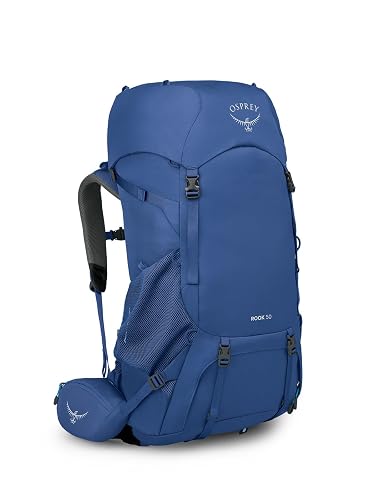
Osprey Rook 50L Men’s Backpacking Backpack
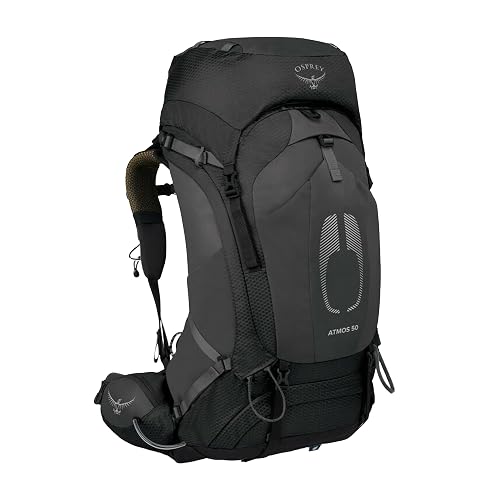
Osprey Atmos AG 50L Men’s Backpacking Backpack
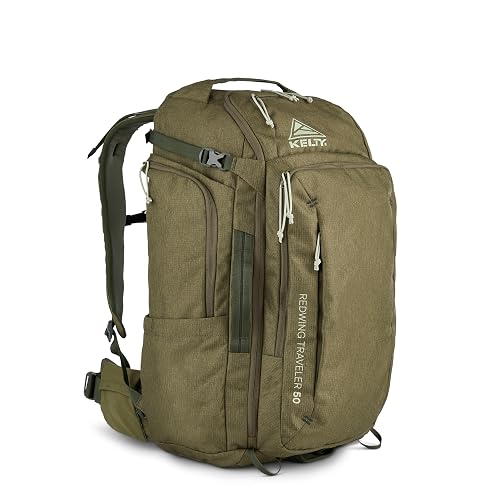
Kelty Redwing Traveler Backpack
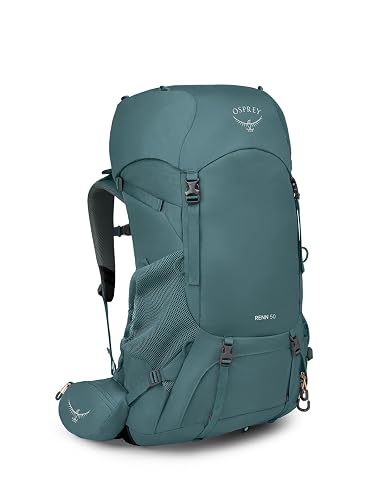
Osprey Renn 50L Women’s Backpacking Backpack
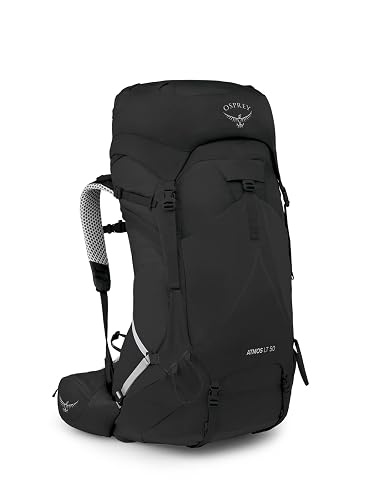
Osprey Atmos AG LT 50L Men’s Backpacking Backpack
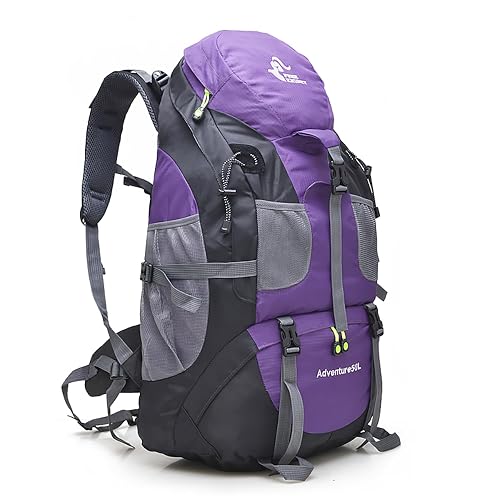
Bseash 50L Hiking Backpack (Purple)
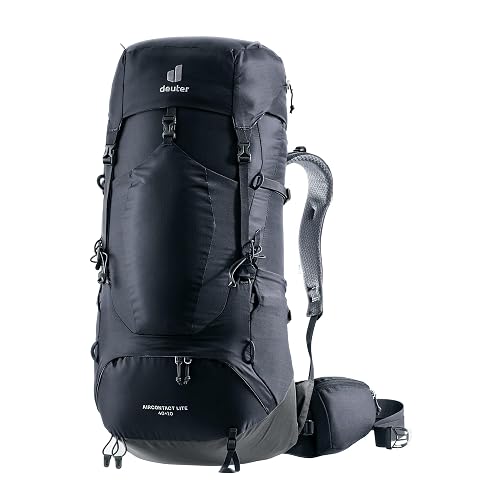
Deuter Aircontact Lite 40 + 10 L Backpack
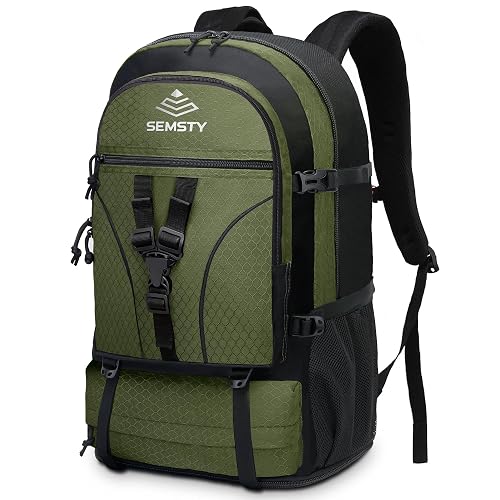
SEMSTY 40L/50L Expandable Hiking Backpack
More On The Choices That Made The List
Most kids’ packs are scaled-down versions of adult designs, but the Osprey Ace 50 treats young hikers like real trail users. It carries a true 50-liter volume, so a child can pack their own sleeping bag, layers, and snacks instead of handing everything to a parent. The fit system is built for bodies that change fast: torso length and hipbelt adjust in ways that keep the load stable through growth spurts.
Compared with the Osprey Rook 50 covered next, this is the smaller, simpler sibling designed for younger hikers. Ventilated AirSpeed suspension, hipbelt stash pockets, and trail-friendly features borrowed from adult packs give it real capability. For families introducing kids to overnight adventure, it removes the hand-me-down compromise.
Why It Works Well
- Adjustable torso and hipbelt track growth across multiple seasons.
- AirSpeed suspension keeps the load lifted off a smaller back.
- Hipbelt snack pockets let kids self-fuel without asking for help.
- 50L capacity fits a real overnight kit, not a lunch and a water bottle.
Things To Consider
- Color and graphic styling skew younger, so teens may want a more adult-looking pack.
- Heavier loaded carry benefits from shorter days; full multi-day loads still tire small bodies.
Feature Snapshot
Built With Young Hikers In Mind
Families introducing children to overnight backpacking, scout troops, and parents tired of carrying junior’s gear themselves will get the most out of this pack.
Swap It Out When
Teenage or adult-sized users should consider the Osprey Rook 50L Men’s Backpacking Backpack, since it offers the same Osprey DNA in a grown-up fit.
The Osprey Rook 50 is the kind of pack that quietly disappears on the trail. Its straightforward layout, ladder-lock torso adjustment, and integrated raincover cover the basics without weighing you down with features you may not use. For first-time backpackers stepping up from daypacks, the experience feels approachable rather than overwhelming.
Where the Atmos AG 50 below leans into plush suspension, the Rook keeps things lighter and simpler. That makes it a sensible pick for hikers who want Osprey quality without the premium carry. Weekend loops and entry-level multi-day routes are exactly where this pack shines.
Practical Pluses
- Ladder-lock torso adjustment dials in fit without tools or fuss.
- Integrated raincover deploys fast when weather turns.
- bluesign-certified materials reflect responsible sourcing.
- Adjustable AirSpeed suspension handles loads well for its class.
Worth Noting
- Lighter suspension than the Atmos AG line, so heavy loads feel less plush on long days.
- Limited organizational pockets for travelers who like admin-style compartments.
Made For First-Time Backpackers
New backpackers planning weekend trips, casual hikers upgrading from a daypack, and anyone who values a clean, honest layout over extra features will feel right at home here.
Reach For A Different Pick When
Hikers tackling hotter climates or heavier loads should look at the Osprey Atmos AG 50, which uses suspended-mesh ventilation for noticeably cooler carries.
The Atmos AG 50 earns its reputation through suspension rather than pockets. Osprey’s AntiGravity system suspends the load across a tensioned mesh backpanel that wraps the hips and torso, taking pressure off the spine. On humid trails and warm desert routes, that airflow translates directly into more comfortable miles.
Unlike the more entry-priced Rook 50, this pack is built for backpackers who put in long days and want the carry to feel lighter than the gear weight suggests. Stretch side pockets, integrated raincover, and a refined hipbelt round out a package that punches above its 50-liter class.
Positive Points
- AntiGravity mesh suspension spreads load across torso and hips.
- Stretch side pockets swallow water bottles and wet layers easily.
- Integrated raincover deploys quickly when storms build.
- Built for multi-day trips where comfort directly affects distance.
Trade Offs
- Higher price than the Rook 50 for features some casual hikers won’t tap.
- The mesh backpanel sits farther from the body, which can feel roomy on smaller torsos.
Key Specs
Best Suited To
Backpackers tackling warm-weather routes, humid climates, or longer mileages where ventilation and load distribution matter most.
Consider Something Else When
Budget-focused shoppers may prefer the Osprey Rook 50, which offers a simpler Osprey carry at a lower entry point.
The Redwing Traveler splits the difference between duffel and pack in a way few bags manage. A clamshell main compartment opens flat for airport-friendly packing, while trekking-pack details, including a stowable hipbelt and external carry points, let it handle trailheads and hostel floors with equal ease. The laptop sleeve and organizer pockets serve commuters and digital nomads who bounce between cities and outdoor weekends.
Where the Osprey Atmos AG 50 above focuses on trail performance, the Kelty leans toward mixed-use. Travelers who want one bag for both a flight and a forest path will appreciate how the layout shifts between modes without feeling like a compromise in either direction.
Useful Strengths
- Clamshell opening simplifies packing cubes and airport security trays.
- Padded laptop compartment protects devices on rough commutes.
- Stowable hipbelt disappears when traveling light.
- External attachment points handle fly rods, jackets, or climbing gear.
Points To Note
- Trail suspension is less technical than the Atmos AG 50 for heavy multi-day loads.
- Durable fabrics show scuffs over time, a common trade-off for travel-tough construction.
Feature Card
The Right Fit For
Frequent travelers, hybrid commuters, and adventure travelers who need a single bag for flights, hostels, and trailheads.
Look Elsewhere When
Dedicated multi-day backpackers carrying heavier loads should look at the Osprey Atmos AG 50 for a more technical carry.
The Osprey Renn 50 mirrors the Rook’s design language but reshapes the fit around women’s-specific geometry. Shorter backpanel lengths, narrower shoulder straps, and a contoured hipbelt address the small but meaningful differences that change how a pack rides on a shorter torso. For backpackers who have struggled with men’s-sized packs slipping off the shoulders or pinching at the hips, that rework matters.
Side by side with the men’s Rook 50, the Renn trades a bit of adjustability for a more dialed-in carry from the first wear. It keeps the same ladder-lock torso adjustment, integrated raincover, and bluesign-certified build quality, which speaks to how seriously Osprey treats the women’s line.
Good Reasons To Consider
- Women’s-specific geometry fits shorter torsos and narrower shoulders.
- Ladder-lock torso adjustment still offers solid range of fit.
- Integrated raincover and bluesign-certified build match the men’s Rook.
- Honest feature set avoids overcomplicated layouts.
Honest Caveats
- Suspension is lighter than the Atmos AG 50, so heavier loads feel more noticeable.
- Fewer color options than men’s counterparts in many seasons.
Who It Suits Best
Female backpackers who want a comfortable, no-fuss 50-liter pack that fits their torso geometry right out of the box.
A Better Fit Elsewhere
Backpackers who want maximum ventilation on hot routes should consider the Osprey Atmos AG 50, though its unisex fit may require more dial-in.
The Atmos AG LT 50 strips the standard Atmos AG down to its essentials for backpackers who count grams. It carries the same AntiGravity mesh suspension that made the original famous but trims weight through a streamlined silhouette, lighter fabrics, and a more pared-back feature set. Side-panel zip access and a floating top lid add just enough convenience for technical trips.
Compared with the Kelty Redwing above, this is firmly trail-focused rather than travel-leaning. For thru-hikers, fast-packers, and anyone who wants Osprey’s ventilated carry without the bulk, the LT version threads a useful needle.
Everyday Advantages
- AntiGravity suspension in a lighter overall package.
- Side-panel zip access reaches buried items without unpacking.
- Integrated raincover remains on board.
- Floating top lid adjusts with load height for over-stuffed trips.
Some Limits To Know
- Streamlined build means fewer organization pockets than the standard Atmos AG.
- Lighter fabrics handle abrasion less forgivingly than burlier packs.
Quick Facts
Whose Shelf It Belongs On
Technical backpackers, thru-hikers, and fast-packers who want Osprey’s suspension pedigree with weight trimmed wherever possible.
Not Your Match When
Travelers needing organization and laptop storage should reach for the Kelty Redwing Traveler instead.
The Bseash 50L lands firmly in budget-friendly territory without abandoning the basics. Padded ergonomic shoulder straps, a breathable mesh back support, and a lightweight water-resistant shell cover the core needs for day hikes, weekend trips, and casual outdoor use. It’s the kind of pack that handles a first backpacking trip without forcing a big upfront spend.
Against the more technical Osprey Atmos AG LT 50 above, this Bseash trades suspension refinement for accessibility. Campers, casual hikers, and shoppers who need capacity without premium pricing will find it surprisingly capable for the category.
The Helpful Details
- Lightweight water-resistant fabric keeps light showers at bay.
- Padded, S-shaped shoulder straps reduce shoulder fatigue.
- Breathable mesh back panel improves airflow on warm days.
- 50L capacity handles day-to-weekend kits comfortably.
Where It May Fall Short
- Suspension is simpler than premium packs, so heavy loads carry less comfortably.
- Water resistance handles drizzle but not sustained downpours; pack contents can still get wet.
Perfect Match For
Beginner backpackers, casual hikers, and shoppers who want real 50-liter capacity without the premium price tag.
Another Choice May Suit
Multi-day backpackers carrying heavier loads should consider the Osprey Rook 50, which offers more refined load handling at a moderate step up.
The Deuter Aircontact Lite carries a 40-liter base with a 10-liter extension collar, so total volume flexes between trips. VariQuick back-length adjustment lets the fit shift between users in shared households, and ECL hip fins transfer weight efficiently to the hips. Open-cell foam with a central ventilation channel keeps air moving along the spine on warm days.
Compared with the Osprey Atmos AG 50, this Deuter offers a more unisex, adjustable fit profile that suits households where the pack gets passed around. Lightweight trekking objectives are exactly where the Aircontact Lite earns its name.
What Stands Out
- VariQuick system adjusts back length for different wearers.
- ECL hip fins stabilize heavy loads efficiently.
- Open-cell foam back panel includes a central ventilation channel.
- 10L extension collar absorbs overflow on longer trips.
Practical Considerations
- Capacity tops out at 50L with extension, less than fixed 50L packs at full stretch.
- Lightweight build calls for care around abrasive rock and brush.
Who Should Grab It
Shared households, couples, and gear libraries where one pack needs to fit multiple body types and trip lengths.
Skip It When
Backpackers needing a single fixed-shape pack for heavy multi-day loads should look at the Osprey Atmos AG 50 instead.
The SEMSTY expandable pack lives up to its name: 40 liters closed, 50 liters with the bottom zipper extended, and a stated carry-on-friendly shape that suits travelers juggling flights and trailheads. Side compression buckles keep loads stable when fully expanded, which matters more than it sounds once you stuff an extra layer or two inside.
Side by side with the Kelty Redwing Traveler, this is a more budget-oriented take on hybrid use. Backpackers who want flexibility without a premium price will find the format genuinely useful, though it isn’t built for sustained trail abuse the way an Osprey pack is.
Benefits That Matter
- Bottom zipper expands capacity from 40L to 50L as needed.
- Carry-on-friendly dimensions suit air travelers.
- Side compression buckles stabilize the load when fully expanded.
- Unisex design fits a wide range of body types.
What To Weigh
- Suspension is travel-leaning rather than trail-tough, so heavy multi-day loads feel less supportive.
- Materials and construction sit a step below premium brands on long-term durability.
Made For
Carry-on travelers, casual campers, and shoppers who want one bag that flexes between short trips and longer weekends.
Where Another Pick Suits Better
Backpackers prioritizing trail comfort and durability over travel flexibility should consider the Osprey Atmos AG LT 50 instead.
What Matters Most Before Choosing 50l Hiking Backpacks
Volume Versus Weight
A 50-liter pack earns its place by carrying multi-day kits without tipping into expedition territory. Look honestly at what you pack, not the theoretical maximum, since unused volume just becomes dead weight on the trail. For weekend loops, 50L is often enough; for longer objectives with bulkier gear, you’ll feel the ceiling fast.
Fit And Suspension
Back-length adjustment, hipbelt shape, and shoulder strap contour decide whether a pack rides well or sags within an hour. Torso length, the distance from your C7 vertebra to your iliac crest, is the number that matters most for fit. A pack that skips this measurement will feel wrong no matter how nice its fabric feels.
Intended Use
Trail-only loads reward suspension-heavy packs like the Atmos AG line. Mixed-use demands like flights and hostels benefit from travel-leaning designs like the Kelty Redwing. Picking by use case avoids paying for features you’ll never touch.
Key Considerations Across These Picks
Pitfalls Shoppers Hit
One common slip is choosing a pack by liter count alone, ignoring how the suspension rides on a loaded carry. Another trap is assuming women-specific packs are just smaller men’s packs; geometry, strap shape, and hipbelt contour differ in meaningful ways. Confirming torso measurement before adding to cart saves the hassle of returns.
Where The Extra Money Goes
Stepping up to a premium pack typically buys better suspension, lighter fabrics, and integrated features like raincovers that you’d otherwise forget to pack. For frequent backpackers carrying real loads, the upgrade pays back in fewer hot spots and longer comfortable miles. For casual weekend use, mid-tier picks handle the job without stretching the budget.