
A 65-liter pack covers the awkward middle ground of backpacking: too big for a day hike, too small for a thru-hike resupply. For three-season weekends and week-long loops where you carry shelter, sleep system, food, and rain gear, this size hits the sweet spot. Comfort and ventilation matter more than raw capacity when the trail stretches past day two.
The seven packs below split into two camps. Five full-size 65L haulers for serious backcountry mileage, and two compact 15–18L tactical or travel daypacks that round out the list for hikers whose “backpacking” leans lighter. Pick by distance, climate, and how much gear you actually carry, not by what’s sitting on top of your wishlist.
The Picks In Brief
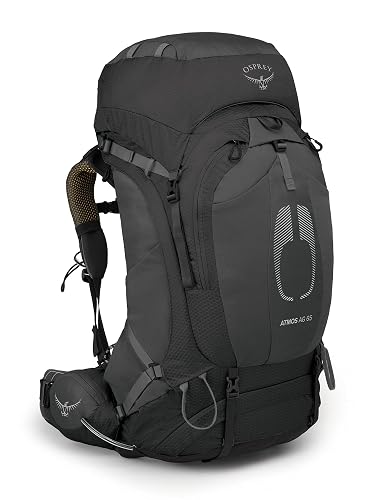
Osprey Atmos AG 65L Men’s Backpacking Backpack (Black)

Osprey Atmos AG LT 65L Men’s Backpacking Backpack (Green)
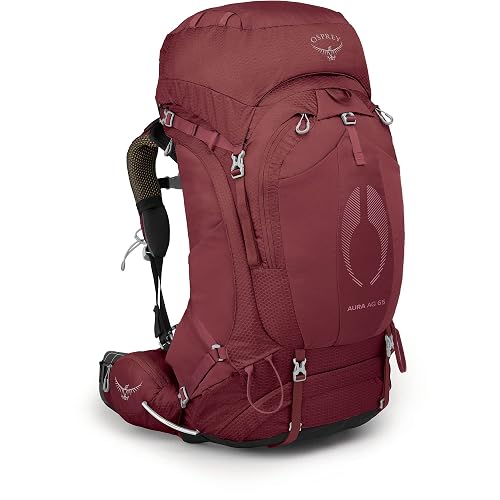
Osprey Aura AG 65L Women’s Backpacking Backpack (Red)

Mardingtop 15L Tactical Backpack Molle Sling Bag
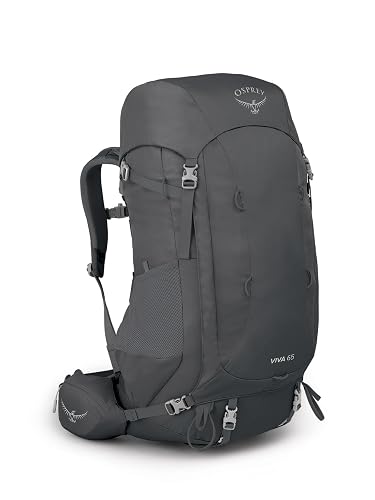
Osprey Viva 65 Backpacking Backpack
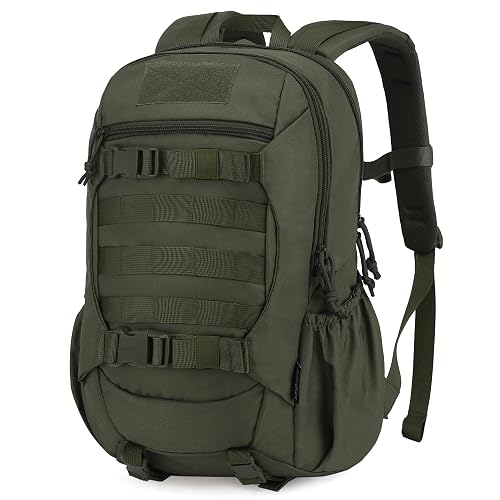
Mardingtop 18L Tactical Molle Backpack
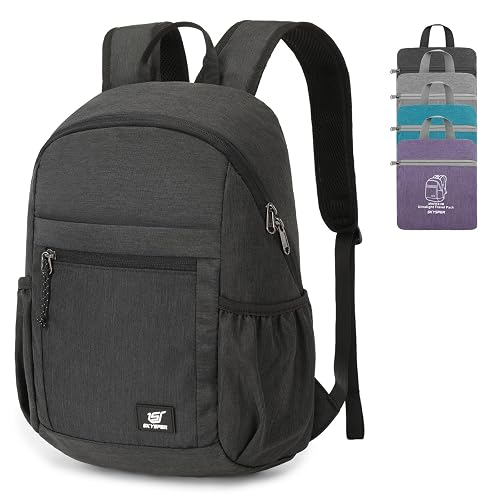
SKYSPER Anti Theft Hiking Backpack 18L RFID
The Details Behind The Selections
The Atmos AG 65 earns its reputation as a long-mile workhorse through Osprey’s AntiGravity suspension, a 3D-suspended mesh system that pulls the pack’s weight off your lumbar spine and floats it across a wide, breathable back panel. Hot summer climbs through the Sierra or a humid Mid-Atlantic section of the AT show off the difference: air moves across your back instead of pooling against a foam pad.
Storage organization leans toward the classic top-loader layout, with stretch side pockets that swallow a full 1L bottle and a generous brain pocket for rain layers and snacks. For most backpackers heading into three-season terrain with 35 to 45 pounds of gear, the fit profile balances ventilation and load transfer better than cheaper alternatives.
Real Benefits
- AntiGravity mesh moves heat off the back on warm climbs
- Body-hugging fit stabilizes loads near 40 lb without sagging
- Stretch side pockets handle full 1L water bottles without a struggle
- Top lid and hipbelt pockets keep small items within reach
Things To Consider
- Suspension mesh tends to catch trail dust, which owners commonly rinse out after dusty sections
- Heavier than the LT trim, so it adds noticeable ounces to base weight
Who It Suits Best
Weekend and weeklong backpackers carrying mid-weight loads in warm to temperate climates.
Consider Something Else When
Thru-hikers chasing ultralight totals should reach for the Osprey Atmos AG LT 65L Men’s Backpacking Backpack (Green) instead.
The LT version of the Atmos AG trims material where weight costs comfort the least, while keeping the same AntiGravity suspension that made the original a trail favorite. Compared to the standard Atmos AG, the LT sacrifices some of the heavier fabrics on the body and lid without losing the body-hugging feel.
Capacity remains at 65L, which keeps it viable for weeklong loops. For hikers counting ounces on a PCT section or a long AT stretch, the LT hits a useful middle ground between an ultralight frameless pack and a full-feature hauler.
Strengths Worth Knowing
- Lighter build than the standard Atmos AG
- Same ventilated AntiGravity back panel as the heavier sibling
- Streamlined feature set reduces snag points on overgrown trails
Points To Note
- Thinner fabrics show wear faster on abrasive granite and bushwhacks
- Slightly less internal organization than the standard Atmos
Made For
Long-distance backpackers and thru-hikers who want Osprey suspension without hauling a heavy frame.
Skip It When
Anyone carrying 45+ lb of camera or hunting gear should pick the Osprey Atmos AG 65L Men’s Backpacking Backpack (Black) for stronger fabrics.
The Aura AG 65 is the women’s-specific sibling to the Atmos AG, sharing the ventilated AntiGravity suspension but reshaping the harness and hipbelt for shorter torsos and narrower shoulders. Compared to the men’s Atmos, the women’s harness angles the load straps inward and shifts the hipbelt curve lower on the hips, which matters on a 35-lb carry after mile 12.
The pack is built for the same weeklong backcountry trips as its unisex counterpart, with stretch pockets, internal reservoir sleeves, and integrated raincovers for sudden mountain squalls.
Everyday Perks
- Harness geometry tuned for female anatomy
- AntiGravity mesh keeps airflow steady on warm climbs
- Integrated raincover saves weight and pack space
Worth Noting
- Sizing runs narrow for hikers with longer torsos
- Mesh suspension holds trail dust, which commonly requires rinsing after dry sections
Best Suited To
Female backpackers carrying mid-weight loads over multi-day routes in mixed climates.
Look Elsewhere When
Male hikers, or anyone with a longer torso, should look at the Osprey Atmos AG 65L Men’s Backpacking Backpack (Black) for a better fit.
The Mardingtop 15L sits firmly outside the 65L brief, but earns a spot for hikers whose “backpacking” leans toward day-trip territory. The 15L main compartment fits lunch, layers, and a hydration bladder for a half-day loop, and the 600D polyester shell shrugs off the same thorny brush that frays heavier nylon packs.
Detachable shoulder straps convert the bag into a sling, crossbody, or chest pack, which makes it useful for trail runners, motorcyclists, or anyone who wants one bag that adapts to multiple days of travel.
Benefits That Matter
- Five carry modes cover most day-use scenarios
- 600D polyester holds up against scratches and light rain
- YKK buckles and zippers resist wear over time
- Compact footprint tucks under airline seats
Some Limits To Know
- 15L is far too small for any overnight trip with full camping gear
- No internal frame, so it sags when loaded beyond about 8 lb
Whose Shelf It Belongs On
Day hikers, commuters, and travelers who want a single pack that switches between carry modes.
Reach For A Different Pick When
Backpackers planning any overnight or longer trip should pick the Osprey Atmos AG 65L Men’s Backpacking Backpack (Black) for proper load support.
The Viva 65 drops the suspended mesh of the Atmos and Aura lines in favor of a 4 mm LightWire peripheral frame that transfers load cleanly from harness to hipbelt. For backpackers hauling dense, awkward loads, like photography gear, climbing rope, or a heavy winter sleep system, the rigid frame keeps the pack stable when the center of gravity shifts.
Floating top lid adds extra room for last-minute extras, and the rucksack-style silhouette stays simple enough for newer hikers who don’t want to wade through dozens of straps. It’s a clean, capable pack for overnight to weeklong routes.
Well-Handled Touches
- LightWire frame handles dense, heavy loads without sagging
- Floating top lid expands capacity for overflow gear
- Simple rucksack design suits newer backpackers
Areas To Watch
- Less back ventilation than the AG suspension packs
- Fewer external pockets for quick-access items
Feature Snapshot
Right Fit For
Backpackers carrying dense, heavy loads who want stable load transfer over maximum ventilation.
Not Your Match When
Hot-climate hikers should pick the Osprey Aura AG 65L Women’s Backpacking Backpack (Red) or Osprey Atmos AG 65L Men’s Backpacking Backpack (Black) for cooler backs.
The 18L Mardingtop steps up from the 15L version with a dedicated hydration sleeve that fits a 2L bladder, plus ventilated back padding that improves airflow on the hottest trail days. It’s still firmly in daypack territory rather than backpacking range, but for desert and summer hikes, the hydration routing is the headline feature.
The 600D polyester body and YKK hardware match the rest of the tactical line, and the Molle webbing lets you clip extra pouches for tools, snacks, or a layer you want within reach. The bladder is sold separately, so plan for that small add-on.
Where It Delivers
- Hydration sleeve routes a 2L bladder cleanly
- Ventilated back panel helps on hot, dry hikes
- Molle webbing supports add-on pouches
Honest Caveats
- Bladder sold separately
- No internal frame means heavier loads pull on shoulders
Built With In Mind
Day hikers and motorcyclists who want a hydration-friendly pack for warm-weather use.
A Better Fit Elsewhere
Backpackers planning any overnight should choose the Osprey Atmos AG LT 65L Men’s Backpacking Backpack (Green) for true multi-day capacity.
The SKYSPER 18L folds flat into its own pouch and weighs almost nothing in your luggage, then unfolds into a functional daypack when you arrive. The anti-theft pitch sits at the core: a locking main compartment zipper, an RFID-blocking middle pocket, and a hidden back-panel pocket for passports and cards.
It’s the right tool for travelers who bounce between airports, hostels, and short hikes, but it isn’t built for any distance that requires carrying more than lunch and a layer. For urban trips where pickpocket risk is real, the security features outweigh the small-capacity trade-off.
The Value In It
- Folds into its own pocket for packable travel
- Locking zippers deter casual pickpockets in crowded cities
- RFID-blocking pocket protects cards and passports
- Lightweight build barely registers in luggage
Practical Considerations
- 18L capacity rules out any overnight backpacking use
- Thin fabric shows wear faster than 600D tactical shells
Quick Facts
Who Should Grab It
Travelers and day hikers who need a lightweight, security-minded pack for urban-to-trail use.
Swap It Out When
Anyone planning a real backcountry overnight should choose the Osprey Viva 65 Backpacking Backpack instead.
Matching The Pack To Your Route
A 65L pack earns its weight when you actually need to carry shelter, food, and layers for several days at a stretch. For weekend trips where you keep the baseweight low, a 50L often suffices, and pushing to 65 leaves room for shared group gear, a bear canister, or a heavier winter sleep system. If your typical trip length sits at three days or fewer with warm-weather kit, sizing down makes the climb easier.
Suspension type shapes the hike as much as capacity. Ventilated mesh systems like Osprey’s AntiGravity line move more air against the back, which matters in humid climates and on exposed climbs where sweat has nowhere to go. Perimeter-frame designs like the LightWire in the Viva 65 carry heavier, denser loads more stably, but trade away some breathability.
Backpanel fit matters more than brand. Torso length, hipbelt width, and shoulder strap angle decide whether a 40-lb load feels balanced or drags on the lower back. Most full-size packs ship in two or three sizes, and the right size makes more difference than fabric weight.
Key Considerations Across These Picks
Common Slip Ups On The Trail
Backpackers new to 65L packs tend to fill the extra space with non-essentials, which adds weight without utility. Pack by category and weight-test each item at home before the first trailhead. Another trap: skipping the rain cover or stuffing it so full that the cover no longer fits over a swollen load. Compression straps exist for a reason, and using them keeps the center of gravity close to the back.
What The Higher Tier Buys
Stepping up from a budget pack to a premium suspension system usually means a better-fitting hipbelt, a frame that transfers load instead of sagging, and fabrics that survive multi-season abuse. For weekend trips under 30 pounds, a mid-tier pack handles the job. For trips above 35 pounds, longer routes, or hotter climates, the difference in comfort and ventilation justifies the upgrade.