
Van life puts a lot of weight on one decision: how you cool a small space without turning your electrical setup into a headache. The right unit depends on roof openings, ducting, battery limits, and how much noise you can live with after dark.
This roundup keeps the focus on real use cases, from rooftop RV units and mini splits to a soft starter that helps an existing setup behave better. You’ll also see a few lighter portable choices for personal cooling, which can make sense in a van that needs help only at the desk, bunk, or cab.
Quick Look At The Shortlist

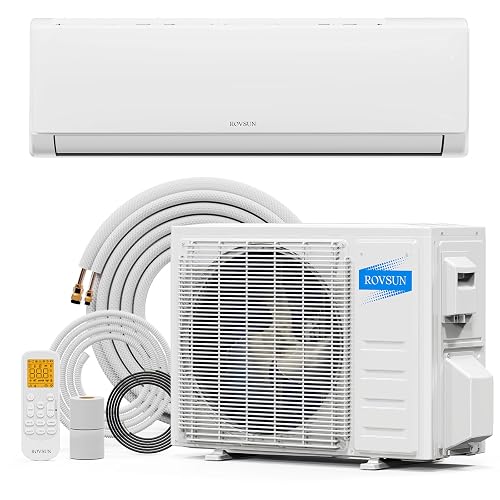
ROVSUN 9000 BTU Mini Split AC Heating System

Portable AC for Car 25W Rechargeable Mini Unit
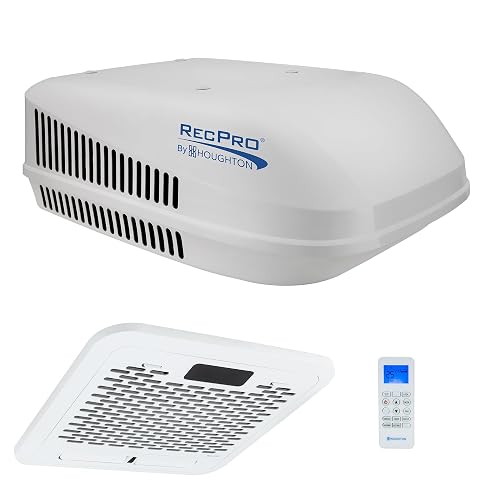
RecPro 13.5K Ducted RV Air Conditioner
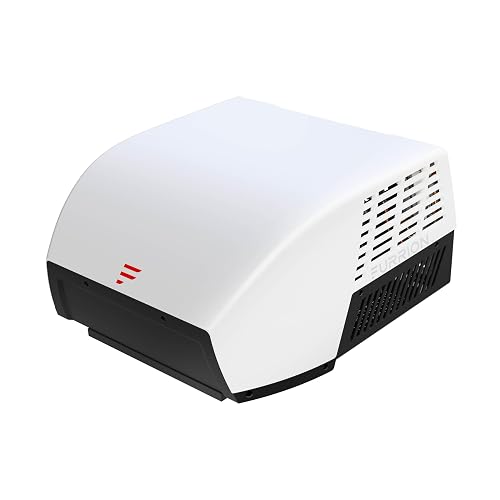
Furrion Chill Cube 18k BTU Variable Speed RV Rooftop AC
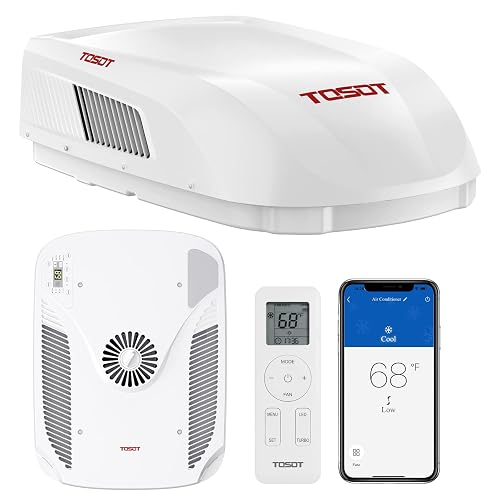
TOSOT 16000 BTU RV Air Conditioner 43dB
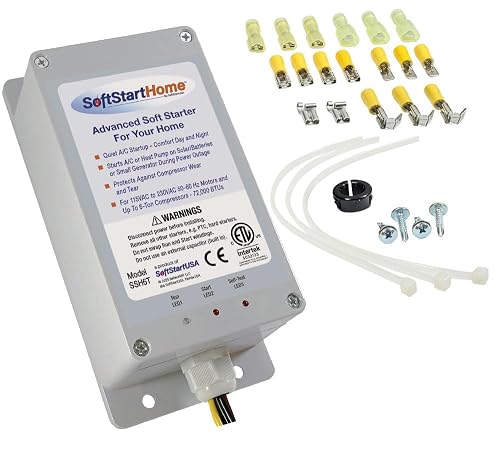
SoftStart Home Soft Starter for Air Conditioners
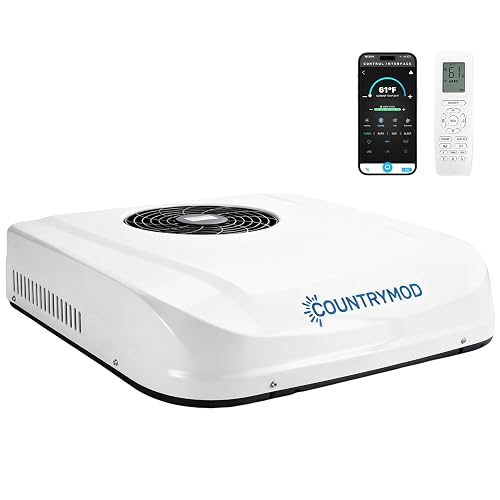
12V DC RV Air Conditioner 10000 BTU

2026 Upgrade Cooling Ace Portable Air conditioner
More Details On Our Top Picks
That heat-pump setup gives you more than summer relief, since it also adds a heating side for cooler shoulder seasons. For a van that already has a non-ducted opening and a standard 110 to 120 volt setup, the appeal is straightforward, especially for mixed-climate travel.
The 15K class sits in the middle of the rooftop crowd, so it makes sense for vans that need stronger cabin coverage than a tiny personal unit can offer. The trade-off is power draw and roof space, so this feels better for a serious house-on-wheels build than for a minimal weekend rig.
Strong Points
- Heat pump design adds seasonal flexibility without forcing a separate heater.
- Non-ducted layout suits direct cabin airflow, which helps in compact interiors.
- 110 to 120 volt compatibility fits many shore-power setups used in van builds.
- 15K capacity gives you stronger whole-cabin cooling than personal-size units.
Things To Consider
- The rooftop footprint asks for enough space and a proper opening.
- Heat-pump operation still depends on the rest of your electrical plan.
- Cleaning rooftop seals and keeping the unit clear of debris takes routine attention.
Key Specs
Who It Suits Best
Van dwellers with a fixed rooftop opening and a mix of hot and cool travel days will get the most out of it.
A Better Fit Elsewhere
TOSOT 16000 BTU RV Air Conditioner 43dB suits you better when quiet rooftop cooling and remote control matter more than a simpler heat-pump layout.
Mini split systems feel more like a small home setup than a typical van accessory, and that’s the point here. The inverter design helps the compressor run with less abrupt cycling, which matters in a quiet build where constant start-stop noise can get old fast.
RVSUN pairs that with a 115 volt, ductless layout and a pre-charged condenser, so the package is aimed at a more committed installation. For a long-stay van or converted cargo rig, it can make the living space feel steadier than a rooftop unit, though the install is less casual than the name suggests.
Highlights
- Inverter control helps smooth out compressor behavior during longer run times.
- Heat pump function gives you heating and cooling in one system.
- 20 SEER2 rating signals stronger efficiency positioning than basic fixed-speed units.
- Pre-charged condenser and installation kit simplify the planning side.
- Ductless format suits custom interiors that do not rely on ceiling ductwork.
Room For Improvement
- Mini split installs need more planning than a simple rooftop swap.
- The indoor and outdoor components ask for a cleaner, more permanent layout.
- Space, mounting, and service access all matter more than they do with a one-box AC.
- Routine filter care and line management are part of ownership.
Feature Rundown
Built With In Mind
Long-stay van conversions with a permanent mounting plan are the right match here.
Where A Sibling Pick Shines
RecPro RV 15K Quiet AC Heat Pump Non-Ducted Black 110-120V makes more sense for a simpler rooftop install and a more familiar RV-style setup.
This is the kind of compact cooling gadget that makes sense around a seat, bunk, or desk, not across an entire van. The 25W draw and rechargeable design keep it in the personal-cooling lane, so it fits a low-demand setup far better than a roof unit would.
You also get two air speeds, which is simple but useful for tuning airflow in a cramped space. The honest read is that this works best as a nearby comfort tool, especially for solo travel, while a full van interior still needs a larger system for real heat relief.
Upsides
- Rechargeable design gives you some placement freedom away from a wall outlet.
- 25W power use suits small setups and light-duty cooling needs.
- Two-speed control keeps operation simple.
- Small size makes it easy to stow in a cabinet or under a bench.
Points To Note
- Personal cooling is its lane, not whole-cabin temperature control.
- The water-spray style cooling approach means you’ll want to keep up with refills and cleaning.
- Performance depends a lot on how close you sit to the airflow.
Details At A Glance
Whose Shelf It Belongs On
Solo travelers who want cooling near the bed or front seat will get the most practical use from it.
Another Choice May Suit
PVZXR 2026 Upgrade Cooling Ace Portable Air conditioner is a better fit for someone who wants a more feature-heavy desk or room fan with touch controls.
Compared with the heat-pump version earlier in this list, this one keeps the focus on cooling only. That makes it easier to read as a straightforward replacement for ducted RV systems, especially in a van where you already have the air paths figured out.
The 13.5K rating lands in a very familiar RV sweet spot, strong enough for many compact interiors without asking for a huge rooftop footprint. For hot weather travel and simpler electrical planning, it’s a sensible, no-nonsense choice, though you give up any built-in heating help.
Best Bits
- Ducted design works with RV layouts that already rely on ceiling air channels.
- 13.5K output fits many compact to mid-size cabins.
- Cooling-only setup keeps the system focused and easier to understand.
- White exterior blends into many rooftop installs.
Small Caveats
- No heat function means you’ll need another plan for cold nights.
- Ducted installs depend on the condition of your existing routing.
- Regular filter care and roof seal checks still matter for long-term use.
Core Details
Right Fit For
Van conversions with existing ductwork and a separate heating plan are the cleanest match.
Reach For A Different Pick When
Furrion Chill Cube 18k BTU Variable Speed RV Rooftop AC suits you better when stronger output and a non-ducted roof setup matter more.
The variable-speed compressor is the detail that gives this unit its edge, because it can feel calmer than a simple on-off rooftop setup. Pair that with the 18K capacity and you get a strong fit for vans that spend time in very warm climates or carry more interior volume.
R32 refrigerant is part of the spec list too, and that matters because it’s a modern refrigerant choice used in many newer AC designs. The trade-off is that this is a rooftop unit only, so it makes the most sense for a build that already treats the roof as the main cooling zone.
Bright Spots
- Variable-speed compressor helps smooth out temperature swings.
- 18K output suits larger or hotter van interiors.
- Non-ducted design keeps installation expectations simple for roof discharge.
- Turbo Cool mode can help bring the cabin down faster after setup.
- Lightweight rooftop design is easier to handle than some heavier full-size units.
Honest Caveats
- Rooftop-only use means you need the right opening and roof structure.
- AC unit only wording means the rest of the installation plan is on you.
- Rooftop hardware still needs periodic seal and debris checks.
- Strong output is useful, but it also asks more of your power plan.
Spec Overview
Perfect Match For
Hot-climate van builders who want strong rooftop cooling without a ducted network will feel at home here.
Look Elsewhere When
ROVSUN 9000 BTU Mini Split AC Heating System is the better route for someone planning a quieter, more permanent split install.
Quiet operation is the hook here, and 43dB gives you a concrete reason to care about this unit in a van where sleep and conversation happen close to the ceiling. The heat pump adds more seasonal flexibility, so it can serve a traveler who wants one rooftop unit to do more than summer duty.
WiFi and remote control also put this model in a more convenience-focused lane than the simpler RecPro cooling-only option. The honest read is that those extras matter most in a parked van or trailer, where you’ll actually use them instead of treating them like a box-checking add-on.
Reasons To Buy
- 43dB rating points toward a quieter roof-mounted experience.
- Heat pump support broadens use beyond hot weather.
- WiFi and remote control add everyday convenience in camp or at home.
- 16K capacity gives it a stronger output profile than many midrange units.
- Non-ducted format suits direct cabin airflow.
Areas To Watch
- WiFi features only matter when your setup and habits make use of them.
- Rooftop installs still need enough structural support and access space.
- Noise levels can feel different depending on roof insulation and mount quality.
Feature Snapshot
Who Should Grab It
Travelers who want a quieter rooftop unit with app-style convenience will get the most from it.
Swap It Out When
RecPro 13.5K Ducted RV Air Conditioner is a better fit for a van already built around ducted airflow and a simpler cooling-only plan.
This one doesn’t cool the cabin by itself, it changes how your existing AC starts up. That matters for van owners running generators, solar systems, or tighter electrical setups, because a softer start can make the whole system feel less abrupt.
The compatibility note up to 6 tons gives it a wide operating window on paper, and the roughly 15 minute install claim points toward a relatively quick add-on. For a van that already has a favorite rooftop unit, this can be the useful tweak that makes daily life smoother without replacing the whole appliance.
Standout Traits
- Can lower startup demand, which helps electrical headroom feel less strained.
- Works with air conditioners and heat pumps, broadening fit.
- Generator, RV, and solar use cases are all part of the design intent.
- Compact add-on format keeps the upgrade focused instead of bulky.
Softer Spots
- It’s an accessory, not a cooling unit, so it solves a different problem.
- Installation still asks for careful wiring and a compatible setup.
- Owners usually need to think about service access once it’s mounted.
Core Details
The Right Fit
Vans that already have a working AC and need a friendlier startup profile are the best match.
Where Another Pick Suits Better
Furrion Chill Cube 18k BTU Variable Speed RV Rooftop AC is the better path when you need a full cooling unit rather than an accessory.
For an off-grid van, 12V DC is the big draw because it aligns with battery-based electrical systems instead of leaning on household-style power. That makes this one especially interesting for campers and vans that spend more time parked away from shore power than hooked up.
The 10,000 BTU rating keeps it in a smaller rooftop class than the 15K and 18K units above, so you trade raw output for a more battery-minded concept. The app remote adds convenience, though the real question is whether your van layout and battery bank are built for the kind of runtime you want.
What We Like
- 12V DC design lines up well with off-grid electrical plans.
- 10,000 BTU size suits smaller van cabins and lighter cooling needs.
- Low-power framing makes it easier to think about battery use.
- App remote adds simple control from inside the living area.
Minor Gripes
- Battery-based cooling still depends heavily on your overall electrical capacity.
- The smaller output level may feel modest in larger or sun-baked vans.
- Rooftop hardware means you still need a proper install and roof care.
Technical Sheet
Best Suited To
Off-grid van builds that rely on battery power and want a dedicated rooftop AC will get the most practical value here.
Not Your Match When
TOSOT 16000 BTU RV Air Conditioner 43dB is a stronger fit for you when quieter operation and more output matter more than the 12V format.
This portable unit feels more like a comfort helper than a true van-wide AC, which is exactly why it earns a place here. The three speeds and LED touch screen make day-to-day use simple, and the USB charging idea works well for a desk corner, bunk, or quiet napping spot.
Compared with the little rechargeable car cooler earlier, this one looks better suited to a more stationary small-space setup. The trade-off is obvious: you get convenience and portability, but you do not get the kind of cabin-wide cooling that a rooftop or split system can bring.
Positives
- Three speed settings give you more control over airflow.
- LED touch screen makes the interface feel easy to understand.
- USB charging suits work nooks, bedside tables, and small van spaces.
- Portable format lets you move it between spots without a fixed install.
- Compact use case works well for spot cooling and desk comfort.
Worth Noting
- Portable fan-cooler designs do not replace a true rooftop AC.
- USB-powered convenience usually means modest output.
- Touch surfaces and vents still need regular dusting and wipe-downs.
Feature Card
Who Will Love This
Van owners who want a small, movable cooler for a sleeping nook, desk, or front cabin area will like this format.
Look Elsewhere When
12V DC RV Air Conditioner 10000 BTU is the better choice for anyone who needs actual rooftop cooling in an off-grid build.
How To Choose The Right Acs For Van Life
Match The Cooling Style To Your Build
Rooftop units make sense for vans that already have a cutout, roof support, and a plan for direct cabin airflow. Split systems suit more permanent conversions where you want a cleaner indoor-outdoor divide, while portable units stay in the personal-cooling lane.
The important part is to match the machine to the shell you already have. A ducted RV replacement feels easy in a ducted van, but a mini split asks for more commitment and more room for components.
Think About Power Before Output
BTU, or British Thermal Units, is a cooling capacity rating, and it helps you compare size. Bigger numbers usually mean more cabin coverage, but they also tend to need more electrical support.
That’s why 12V DC matters for off-grid rigs and why 110 to 120 volt units suit shore-power plans better. A van with limited battery storage often benefits more from a modest, efficient setup than from an oversized rooftop box.
Don’t Ignore Noise And Night Use
Noise matters in a van because your living room, bedroom, and kitchen are all the same room. A quieter rooftop unit or an inverter-driven system can make sleep and work feel less interrupted.
For travelers who park in hot places, compressor smoothness and fan noise are worth reading closely. A unit that hums softly can feel like a better daily companion than a louder model with slightly higher output.
Plan For Install And Maintenance
Simple replacement units are friendlier for quick swaps, but they usually give you less flexibility than a split or custom setup. Mini splits and soft starters can improve comfort, though they also ask for wiring care, mounting thought, and access for maintenance.
Cleaning filters, checking roof seals, and keeping vents clear become part of ownership in a van. That routine is small, but it matters more in a tight mobile space than it would in a house.
What To Weigh Before You Click Through
Mistakes Worth Dodging
Many van owners focus on BTU first and everything else second. That leads to mismatches, especially when the electrical system cannot comfortably support the unit.
Another common miss is forgetting roof size, ducting, or the difference between a full AC and an add-on like a soft starter. A clear install plan saves more trouble than chasing the biggest capacity label.
The Upgrade Payoff
Higher-tier units cost more because they usually bring better control, stronger efficiency positioning, quieter operation, or more involved hardware. Variable-speed compressors and split-system layouts add parts and engineering, and that shows up in the price structure.
The upgrade makes sense when your van is more of a long-term living space than a weekend shell. In that case, steadier comfort and cleaner control are worth more than the simplest box on the roof.
Frequently Asked Questions
What size AC works best for a van?
Smaller vans often do well with a lower-capacity unit or a battery-friendly rooftop option. Larger interiors or hotter climates usually need more output and better electrical support.
Is a 12V DC AC a good choice for off-grid travel?
Yes, especially for vans built around battery power. You still need enough stored energy and a layout that can support the load.
Do mini split systems make sense in van life?
They can, especially for permanent builds and long stays. The trade-off is a more complex install with indoor and outdoor components.
What does a soft starter actually do?
It helps an AC start with less abrupt electrical demand. That can be useful for generators, solar setups, and tighter power systems.
Can a portable fan-style cooler replace a rooftop AC?
No, it’s more of a personal comfort tool than a full cabin cooler. It works best near your desk, bed, or seat.
Closing Thoughts
Your best match depends less on the flashiest spec and more on the way you actually live on the road. A rooftop unit suits a fixed build, a 12V option helps off-grid setups, and a mini split pays off in a more permanent conversion. A soft starter can make an existing system easier to live with, while the portable picks fill in the gaps around a sleeping nook or front cab. Choose the option that fits your roof, your power, and your routine, and the whole van feels easier to manage.