
A good night’s sleep on the trail comes down to one simple thing: a sleeping bag matched to your conditions and body. The trouble is, the budget category is crowded with options that look similar on paper but behave very differently in cold air, damp ground, and tight packs. This list pulls together ten affordable backpacking sleeping bags worth a look in 2026, covering ultralight down for fast hikes, roomy rectangular shapes for car camping, and a kid-friendly design with a built-in pad.
A Closer Look At The Lineup
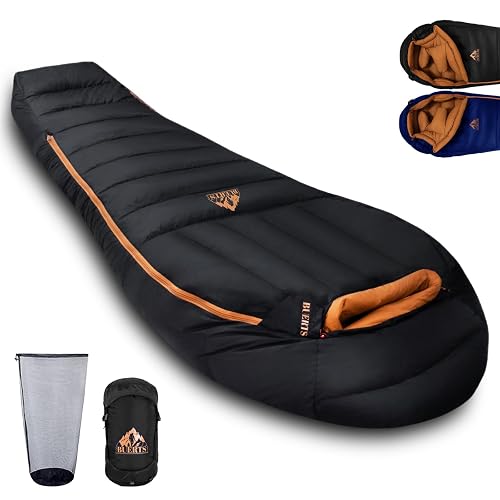
BUERTS Down Backpacking Sleeping Bag, 4-Season XL
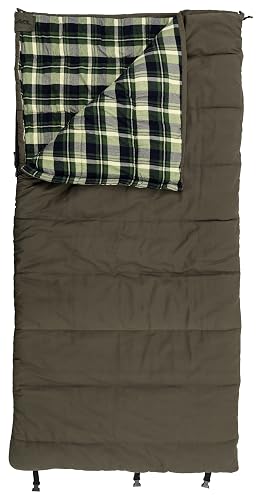
ALPS OutdoorZ Redwood -25 Sleeping Bag

TETON Sports Outfitter XXL Sleeping Bag

QEZER Ultralight 600FP Down Sleeping Bag
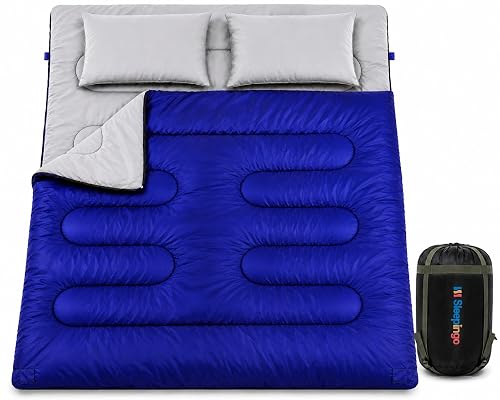
Sleepingo Double Sleeping Bag for Adults
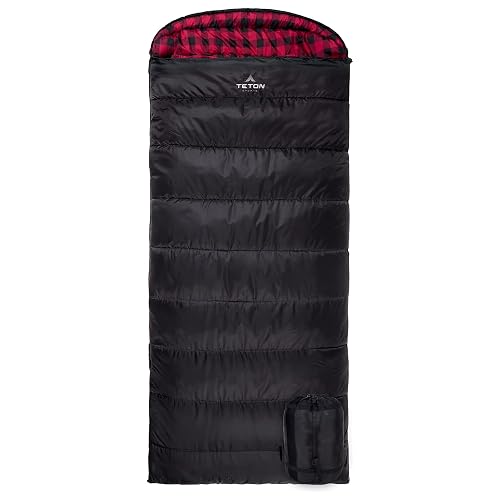
TETON Sports Celsius XXL Sleeping Bag
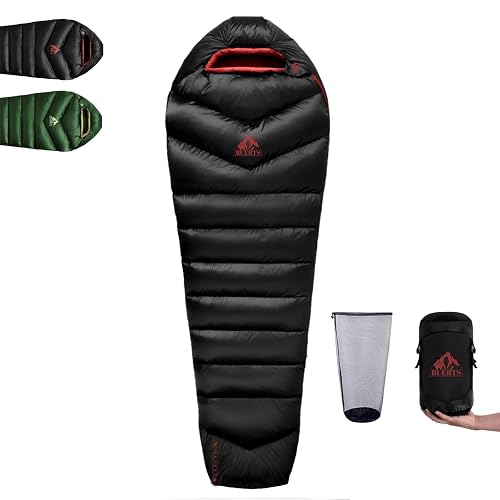
BUERTS Down Backpacking Sleeping Bag 620FP
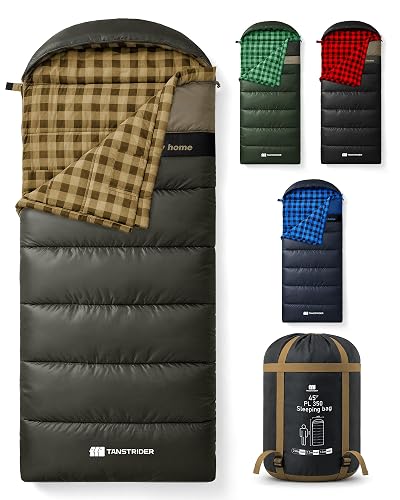
TANSTRIDER Cotton Flannel XXL Sleeping Bag
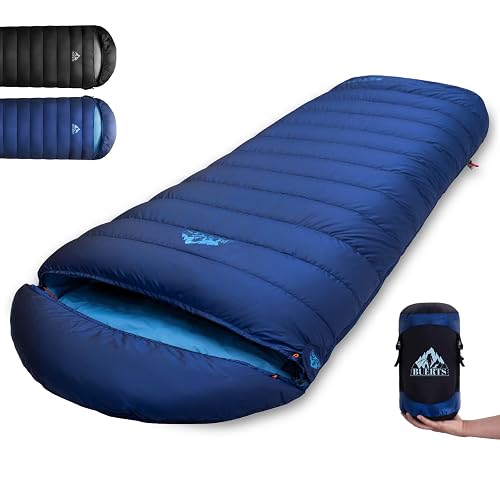
BUERTS 680FP Ultralight Down Sleeping Bag
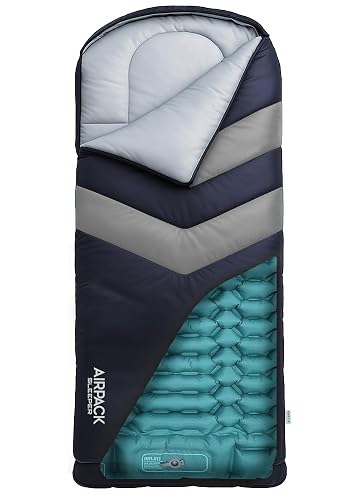
RANGLAND Kids Sleeping Bag with Built-in Pad
The Picks, Examined More Closely
The BUERTS 4-Season XL aims at hikers who want one bag that flexes across shoulder seasons, not a separate winter bag. It comes in multiple temperature ratings (30°F, 20°F, and 10°F), so you pick the rating that matches the coldest night on your trip rather than overpaying for protection you won’t use. Inside, RDS certified down fill (down is the soft, fluffy under-feathers that trap warmth efficiently) keeps the loft high for its weight.
At roughly 2.84 pounds and packing down to a compact bundle, it’s a reasonable mid-weight option for trips where every ounce still matters. The mummy shape and XL cut give you room at the shoulders and hips without the dead space of a full rectangular bag. For most three-season thru-hikers, this is the kind of versatile pick that earns its place in the kit.
Useful Highlights
- Multiple temperature ratings let you match the bag to your climate instead of overbuying warmth.
- Down fill delivers strong warmth for its weight, helping keep pack size manageable on long days.
- Compression sack included, so you can dial the packed size down to fit a full pack.
- XL mummy shape gives larger sleepers room to shift without sacrificing thermal efficiency.
Worth Noting
- Down requires more careful drying and storage than synthetic fill to keep its loft intact.
- At the lower 10°F rating, the price climbs meaningfully and may push past pure budget territory.
- Mummy shape can feel snug for stomach sleepers who rotate a lot through the night.
Right Fit For
Three-season backpackers and shoulder-season campers who want one adaptable bag with a real cold-weather option.
A Better Fit Elsewhere
Warm-weather minimalists should look at the QEZER 600FP bag, which trims weight for summer trips where this BUERTS is overkill.
The Redwood -25 is built for genuinely cold nights, the kind where a flimsy summer bag turns into a misery exercise. Unlike the down-focused BUERTS above, this one uses Techloft synthetic insulation, which is a hollow-fiber fill that holds warmth even when damp. That synthetic build is a quiet advantage for late-fall hunters and truck campers who don’t always get a dry shelter.
The rectangular cut is where the Redwood really separates itself from the mummy crowd. You get the wiggle room of a classic rectangle plus an oversized footprint, so restless sleepers and broader frames don’t feel pinched. It’s a heavy bag by backpacking standards, so think of it more as a basecamp and car-camping piece than a long-distance trail companion.
A Favorable Mix
- Synthetic insulation keeps performing when the shell gets damp from condensation or frost.
- Rectangular shape gives more shoulder and foot room than any mummy on this list.
- Rated for deep cold, useful for late-season hunts and shoulder-month trips.
Honest Caveats
- Bulk and weight make it a poor match for long-distance backpacking, where every liter counts.
- Synthetic fill packs larger than down, so the compression sack needs real space in the pack.
- Rectangular shape lets cold air pool in the bottom corners without a pad rated for the temperature.
Best Suited To
Late-season truck campers, basecamp setups, and cold-weather hunters who want a roomy rectangle rather than a tight mummy.
Consider Something Else When
Anyone packing serious mileage will find the BUERTS Down 620FP a far more trail-friendly companion.
TETON Sports has a long track record in the affordable outdoor category, and the Outfitter XXL reflects that experience. It’s a wide mummy-style bag aimed squarely at big and tall sleepers who feel strangled by standard cuts. The fiber fill is rated well below freezing, which puts it in the same league as the ALPS Redwood but with a different shape philosophy.
The half-circle mummy hood cinches around the head for extra warmth, while the durable outer shell holds up to years of use on rougher surfaces. You also get a mummy shape rather than a rectangle, which traps heat more efficiently around the torso. For campers who want a single bag for shoulder-season trips, the Outfitter XXL covers a lot of ground.
Features That Help
- XXL cut gives broad-shouldered sleepers real room without sliding into a bag meant for two people.
- Below-freezing rating extends its window into cold-weather car camping.
- Durable outer shell handles repeated contact with rough tent floors and truck bed liners.
Points To Note
- It is heavy and bulky, so plan to leave room in the vehicle rather than the backpack.
- Synthetic fill dries slower than down if it ever does get soaked on a wet weekend.
Who Should Grab It
Big and tall campers who want a roomy, dependable mummy that handles cold nights at the campsite.
Look Elsewhere When
Lightweight backpackers will be happier with the QEZER 600FP or the BUERTS 620FP, both of which cut serious weight.
The QEZER 600FP is unapologetically a summer bag, and that’s a feature, not a flaw. Its comfort range sits in the 45°F to 61°F zone, with a limit rating down to about 36°F, which is exactly what you want for desert trips and warm-weather overnights. The 600 fill power duck down (fill power measures how much space one ounce of down occupies; higher numbers trap more air and weigh less) gives it a strong warmth-to-weight ratio for the category.
Packed size lands around 10.6 x 5.9 inches with a dedicated compression sack, so it disappears into a backpack without dominating the load. Compared to the BUERTS 4-Season XL reviewed earlier, this is a much more focused tool for warm nights and short trips. For most summer backpackers, the weight savings alone justify the narrower temperature window.
Where It Helps
- Lightweight and small packed size keeps the rest of your pack organized.
- Duck down fill delivers real warmth for warm-season conditions at a friendly price.
- Compression sack included, no need to buy a separate storage bag.
Worth Bearing In Mind
- Not suited to shoulder-season nights below about 40°F, even with a warm pad.
- Down insulation needs thorough drying after any wet use to avoid clumping and odor.
Who Will Love This
Summer backpackers and warm-climate hikers who count ounces and rarely camp below 40°F.
A Better Fit Elsewhere
Three-season travelers should step up to the BUERTS 620FP for a more flexible temperature range.
The Sleepingo Double flips the script on the solo-bag theme by giving you a single queen-sized envelope that fits two adults. Measuring about 87 x 59 inches, it’s wider than two separate bags laid side by side and removes the cold gap between sleepers. For couples on car trips or scout outings, that shared warmth is the whole point.
The waterproof shell gives it an edge for damp tent floors and surprise condensation, which is a common complaint with budget bags. Compared to the roomy ALPS Redwood rectangle reviewed earlier, this trades thermal efficiency for shared space and pack-friendly dimensions. For most couples on weekend trips, the trade is well worth making.
Everyday Wins
- Queen-sized layout keeps couples together without a draft seam between bags.
- Waterproof shell stands up to wet ground and morning dew on tent floors.
- Lightweight enough to bring along without dedicating a full trunk to gear.
Some Limits To Know
- Not designed for serious cold-weather camping, so winter trips call for a heavier bag per person.
- Two-person width limits where you can pitch it, smaller tents feel cramped quickly.
Built With In Mind
Couples on car-camping weekends and parents introducing teens to overnight trips.
Swap It Out When
Solo backpackers should look at the BUERTS 680FP, which is far more packable for one person.
The Celsius XXL is the cold-weather sibling of the TETON Outfitter reviewed above, and it leans further into family-friendly comfort. The soft poly-flannel lining gives it that familiar at-home feel, which matters when you’re coaxing kids into a tent for the first time. Double-layer construction plus draft tubes along the zipper (draft tubes are insulated tubes that run along the zipper to stop cold air from sneaking in) keep cold air from sneaking in on restless nights.
The half-circle mummy hood cinches around the head, and the bag unzips on each side for easier entry. Unlike the Sleepingo Double reviewed earlier, this is a true single sleeper, so it works well for one adult or one older child without the bulk of a shared setup. For most family campers, this Celsius XXL is a dependable all-rounder.
Points In Its Favor
- Flannel lining adds noticeable warmth and feels familiar to kids new to camping.
- Two-side zippers make middle-of-the-night exits easier without waking a tent partner.
- Draft tubes and double-layer offset quilting limit cold spots in steady overnight use.
Trade-Offs To Consider
- Compression sack helps, but the bulk still demands real cargo space in the car.
- Synthetic flannel lining dries slower than down if it ends up wet on a rainy trip.
Whose Shelf It Belongs On
Family campers and parent-led groups who want one warm, forgiving bag for mixed-age sleepers.
Reach For A Different Pick When
Solo backpackers counting every pound should consider the QEZER 600FP for a lighter load.
The BUERTS 620FP lands in the sweet spot between the budget-friendly QEZER 600FP and the heavier 4-Season XL reviewed earlier. Filled with RDS certified down at a 620 fill power rating, it pushes slightly more loft per ounce than the 600FP option. Compressed size comes in around 13.8 x 7 inches, small enough to leave room for other essentials.
This is a 3-season bag aimed at hikers who want genuine shoulder-season capability without dragging a heavy rectangular sack up the trail. Build quality and a generous cut make it a friendly choice for taller folks who typically need to size up. For most backpackers planning spring through fall trips, this hits the mark.
Positive Points
- Higher fill power gives more warmth per ounce than entry-level 600FP bags.
- Compact compression size leaves room for other gear in a 50 to 65 liter pack.
- RDS certified down means traceable, responsibly sourced filling.
Smaller Caveats
- Down insulation needs careful drying after any wet overnight to preserve long-term loft.
- Mummy shape feels tighter than the rectangular ALPS Redwood for sleepers who move a lot.
Made For
Spring-through-fall backpackers who want a balanced mix of warmth, weight, and packability.
Not Your Match When
Sub-freezing winter camping is on the menu, in which case the BUERTS 4-Season XL is the better tool.
The TANSTRIDER XXL is purpose-built for big and tall campers who feel strangled in standard bags, and the specs back that up. At roughly 90.5 x 39.4 inches, it gives taller frames the legroom to stretch out instead of folding at the knees. The cotton flannel lining traps warmth efficiently while adding that familiar indoor feel on a cold night.
Comfort range sits in the 40°F to 45°F zone, with the waterproof shell standing up to morning dew and wet grass. Compared to the TETON Celsius XXL reviewed earlier, this leans more heavily into flannel comfort than synthetic fiber fill. For most big and tall campers prioritizing room and warmth over packability, this is a sensible pick.
Strong Points
- Generous 90-inch length suits taller sleepers who usually size up on every bag.
- Flannel lining adds warmth and a comfortable next-to-skin feel.
- Waterproof shell plus machine-washable care simplify post-trip cleanup.
Where It May Fall Short
- Weighing around 6.2 pounds, it’s firmly a car-camping bag, not a backpacking choice.
- Cotton flannel dries slower than synthetic insulation if soaked through.
The Right Fit
Big and tall campers who camp by car and want a roomy, warm, easy-to-clean bag for cool nights.
Skip It When
You need to cover real mileage, in which case the BUERTS 620FP will treat your shoulders and back far better.
The BUERTS 680FP is the warmest-to-weight option in the brand’s lineup covered here, and that’s a real distinction for high-altitude or shoulder-season trips. Packed down to roughly 11 x 6.3 inches, it slips into a backpack without forcing you to leave other essentials behind. The 680 fill power rating is unusually high for the affordable category.
The cut measures about 84.6 x 32.3 inches, a friendly size for average-height adults who want efficient warmth rather than extra wiggle room. Compared to the QEZER 600FP reviewed earlier, this pushes more aggressively into cold-weather use while keeping weight low. For most alpine hikers and shoulder-season backpackers, the higher fill power earns its keep.
Practical Advantages
- 680FP down traps more warm air per ounce than typical budget fill ratings.
- Compact packed size keeps the rest of the pack open for layers and food.
- RDS certified down gives traceability and aligns with responsible sourcing standards.
Practical Considerations
- Down requires careful drying and storage to maintain loft over years of use.
- Narrower cut won’t suit sleepers who toss and turn through the night.
Perfect Match For
Alpine hikers, mountaineers, and shoulder-season backpackers who want serious warmth in a small package.
Another Choice May Suit
Car campers and family trips are better served by the TETON Celsius XXL with its flannel lining.
The RANGLAND Kids Sleeping Bag solves the most common pain point at sleepovers and scout trips: the missing pad. Built into the bottom is an inflatable mattress that adds about 3 inches of elevation, plus a built-in head pillow and foot pump that inflates in roughly two minutes. There’s no separate pad to forget in the gear pile.
It fits campers up to about 4’6″, which covers elementary-age kids and many early teens. Dual valves let you deflate quickly for storage, and the all-in-one design removes the layering decisions that frustrate younger campers. For most parents managing gear for sleepovers, car camping, and travel, this is a refreshingly simple package.
The Good Stuff
- Built-in air mattress means one piece of gear instead of bag plus pad.
- Foot pump inflates in about two minutes without needing an external pump.
- All-in-one design simplifies packing for trips where kids carry their own gear.
Less Ideal Details
- Not suited to adult campers past about 4’6″, so it ages out quickly.
- Inflatable mattress is more puncture-prone than foam pads on rough surfaces.
Who Will Love This
Parents organizing sleepovers, scout outings, and travel trips with kids up to around 4’6″.
Where A Sibling Pick Shines
Older kids and teens moving to adult-shaped bags will find the TETON Celsius XXL a smoother transition.
What Matters When Picking Affordable Backpacking Sleeping Bags
Temperature Ratings Versus Reality
Manufacturer temperature ratings tell you what the bag was tested against in a lab, not what you’ll feel in your tent. Most brands use the EN 13537 standard, which lists three numbers: comfort (warm enough for an average sleeper), limit (the lower edge for a warm sleeper), and extreme (a survival rating, not a comfort rating). Treat the comfort number as your guide and give yourself a 10°F buffer if you run cold or sleep on a thin pad. For most backpackers, picking a bag rated 10°F colder than your expected low is a safe rule.
Fill Type And Care Differences
Down and synthetic insulation behave very differently once they’re in your pack. Down (duck or goose) offers the best warmth-to-weight and packs smallest, but loses loft when wet and dries slowly. Synthetic fill weighs more and packs larger, but holds warmth when damp and dries quickly, which is why the ALPS Redwood uses Techloft. The honest read is: down rewards careful storage, synthetic rewards rough weekends.
Shape, Length, And Packability
Mummy bags trim weight by hugging your body, rectangles give you room to move. XL cuts help tall and broad sleepers avoid knee-fold misery. Packed size matters more for backpackers than car campers, since a 14-inch bundle fits cleanly in a 60-liter pack while a 20-inch bundle forces compromises. For most people, matching shape and packed size to your typical trip is the single biggest decision after temperature.
Key Considerations Across These Picks
Common Buying Slip Ups
The most frequent mistake is buying a bag rated for the absolute coldest night on a trip rather than the average night. Another is overlooking sleeping pad R-value (R-value is a measure of how well a pad insulates you from the cold ground; higher numbers mean more insulation), because a great bag on a cold pad still leaks warmth downward. Finally, shoppers often skip the hood and zipper details, which is where cold air really sneaks in on restless nights.
Where The Extra Money Goes
Higher-tier bags typically cost more for three reasons: better fill (down or premium synthetic), tighter construction that eliminates cold spots, and lighter shell fabrics. You also tend to get better zipper hardware and hood cinch systems. For most backpackers, the upgrade pays off when you actually need the warmth or weight savings, and not before, so a budget bag in the right conditions is still the smarter choice.