
Whether you’re dealing with a stray cat colony in the alley, a raccoon raiding the trash, or mice scratching behind the drywall, the right animal traps change the whole job from a guessing game into a clean operation. This guide sorts live-catch cages, snap-style options, glue boards, and trap-setting tools into one shortlist, with notes on sizing, target species, and the trade-offs that actually matter once a trap is in your hands.
The Choices Worth Comparing
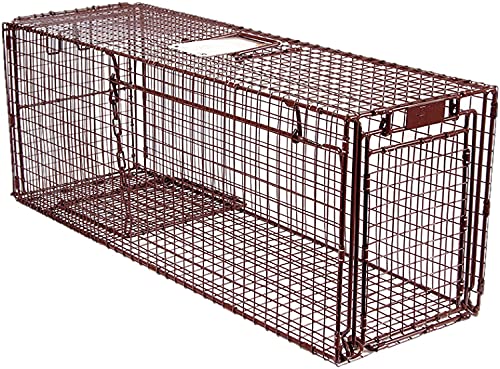
Tru Catch 30LTD Humane Live Animal Trap

Heavy Duty Body Grip Trap Setter

TRATPER Glue Traps 10 Pack

Live Animal Trap Cage with Cover and Gloves

Tratper Mouse Tunnel Traps 4 Pack

TRATPER Rat and Chipmunk Traps 2 Pack
Live Feral Cat Trap Cage with Cover
Live Feral Cat Trap Cage 32″
The Picks, Examined More Closely
The 30LTD has been a workhorse in the trap-neuter-return (TNR) world for years, which tells you most of what you need to know. At 30 inches long, 11 inches high, and 9 inches wide, it’s sized for cats, skunks, rabbits, and similarly small critters, with a sensitive foot pedal that fires when the animal steps inside.
For volunteers running TNR in a neighborhood, this trap cuts handling time. The doors swing shut cleanly, and the wire mesh is tight enough that fingers stay out of the way. In most backyards, set it near a feeding station with bait in the back, cover the trap with a towel for shade, and check it within a few hours.
Useful Highlights
- Sensitive trigger fires with light pressure, so wary cats don’t walk away untouched.
- Compact footprint stores easily in a car trunk or garage shelf.
- Pairs with T18E or T18TE carrier units for vet trips without re-handling the animal.
- Proven design favored by TNR volunteers who run regular colony routes.
- Steel mesh is firm enough to resist pushing without being heavy to haul.
Worth Noting
- Light-duty rating means larger raccoons or opossums can bend the frame.
- The single front door makes it harder to release skunks without getting close.
- No included cover, so a separate tarp or towel is helpful for shy animals.
Key Product Details
Who It Suits Best
TNR volunteers and homeowners managing feral cat colonies or skunk visits will get the most out of this trap’s compact, light-duty build.
Consider Something Else When
Anyone targeting raccoons should look at the Deblue Live Animal Trap Cage with Cover and Gloves, which has the heft for larger mammals.
Where the Tru Catch is a catching tool, the Heavy Duty Body Grip Trap Setter is a setting tool, and that’s a meaningful distinction. Body-grip traps are powerful steel-jaw devices that snap shut on the animal’s body, and setting them by hand is risky work. This Taiwanese-made setter takes the danger out of the setup.
It’s compatible with the common 110 through 330 series body-grip traps and runs one-handed, which keeps your other hand clear of the firing zone. For trappers running water sets, colony work, or rural lines, that one-handed operation adds up over a long day.
The Case For It
- One-handed operation keeps the second hand free and out of the firing path.
- Covers the 110 through 330 size range, which covers most standard body-grip traps.
- Heavy-duty construction handles repeated use in rough field conditions.
- Lighter load on wrists and fingers than setting by hand with a trowel.
Points To Keep In Mind
- It only sets traps; you still need the body-grip traps themselves.
- Body-grip traps carry legal restrictions in many states; check local rules before deploying.
- Not a beginner tool; you should know safe handling before using it.
Right Fit For
Experienced trappers running lines of 110 through 330 body-grip traps who want safer one-handed setting.
Look Elsewhere When
Homeowners dealing with a single raccoon issue will find the Tru Catch 30LTD a safer entry point.
Glue boards are the low-tech option in this roundup, but TRATPER leans into convenience. The traps come pre-baited with a peanut-butter scent, so you can tear open the pack, peel one off, and set it along a wall in seconds. No cheese, no chocolate, no setup.
The plastic tray is heavier than the paper-thin boards you find at hardware stores, which keeps the adhesive flat and prevents curling at the edges. For homeowners with a garage, shed, or basement mouse problem, this is a 10-pack you can deploy around the perimeter and replace as they fill.
Real-World Strengths
- Pre-baited adhesive removes the guesswork from placement.
- Heavy-duty plastic tray resists warping in damp basements.
- Ten-pack covers a full perimeter sweep around a typical garage.
- No chemical or rodenticide exposure for households with curious pets kept elsewhere.
Some Limits To Know
- Glue traps don’t kill; they hold, so disposal is something to plan around.
- Not suited for pets, children, or anywhere curious paws or hands can reach.
- Useless in dusty or oily environments where the adhesive loses tack.
Feature Snapshot
Made For
Homeowners with garage or shed mouse activity who want a quick, no-bait solution to set tonight.
A Better Fit Elsewhere
Households with kids or pets should reach for the Tratper Mouse Tunnel Traps instead, which enclose the snap mechanism.
This Deblue kit takes the standard catch-and-release cage and adds the accessories most people forget they need. The cage itself folds flat for storage, but more importantly, it ships with a fitted cover and a pair of handler gloves, which means the package covers both the catch and the release.
The cover serves a practical purpose: it shades captured animals, calms them visually, and hides them from neighbors who’d rather not see a raccoon in a cage. For first-time trappers, the gloves add a layer of protection during release, especially with species that bite or scratch under stress.
Good Reasons To Consider
- Cover keeps captured animals calm and out of public view.
- Included gloves reduce scratch and bite risk during release.
- Cage folds flat, fitting in a closet or vehicle cargo area.
- Handles both stray cats and raccoons, so you don’t need two setups.
Small Caveats
- Cage weight may tire out solo trappers handling multiple captures.
- Gloves are basic; for raccoons or agitated cats, thicker gloves are recommended.
- Cover zippers can wear with heavy use in wet weather.
Quick Facts
Who Will Love This
First-time trappers and homeowners wanting everything needed for a catch-and-release job in one box.
Reach For A Different Pick When
Long-term TNR volunteers may prefer the heavier-duty Live Feral Cat Trap Cage with Cover from Deblue, which is built for repeated cycles.
Traditional snap traps work, but the open bar sits at kid-and-pet height, which makes a kitchen or playroom deployment a gamble. TRATPER’s mouse tunnel traps solve that by enclosing the entire mechanism inside a hard plastic tunnel. Mice enter from either end, the trap fires inside, and nothing’s exposed.
You add your own bait (a smear of peanut butter works well), press the lever down until it clicks, and set it along the wall where you’ve seen droppings. The 4-pack is sized for a single infestation sweep, and the tunnels are reusable once emptied and reset.
Advantages To Know
- Enclosed tunnel hides the snap bar from curious fingers and paws.
- Dual-entry design increases the chance mice commit before triggering.
- Reusable plastic shell saves money over a long infestation cycle.
- Compact size fits behind the fridge, under the sink, and along baseboards.
Practical Considerations
- Sensitive trigger can fire from vibration if placed on a hollow shelf.
- Bait must be added; traps don’t come pre-loaded.
- Plastic shell needs occasional cleaning to remove scent buildup.
Built With In Mind
Families with kids or indoor cats who want snap-trap effectiveness without the open-bar risk in shared living areas.
Swap It Out When
You’re dealing with rats rather than mice; the larger TRATPER Rat and Chipmunk Traps are sized for that job.
The TRATPER rat traps take the same dual-tunnel safety concept from the mouse version and scale it up. Rats and chipmunks are larger and more cautious, so the dual-entry design matters even more; rodents can sniff a single opening and back off.
Where this differs from the mouse pack is the snap force and the entry diameter. The 2-pack is sized for serious rodent pressure rather than a casual sighting, and the reusable shell keeps the cost per catch reasonable over a long campaign.
Well-Handled Touches
- Dual-entry tunnel design encourages rodents to commit before triggering.
- Enclosed snap mechanism reduces accidental contact risks.
- Reusable shell saves money across multiple catch cycles.
- Stronger spring handles rats, which demand more force than mice.
Less Ideal Details
- Only two traps per pack; larger infestations need more units deployed at once.
- Doesn’t include bait; you supply your own attractant.
- Trap size may not fit tight under-sink gaps.
Technical Sheet
Best Suited To
Homeowners dealing with rat runs in the garage, basement, or outdoor shed who want snap-trap speed with safer enclosures.
Not Your Match When
You’re only seeing one or two mice; the TRATPER Mouse Tunnel Traps are sized better and come in a 4-pack.
Where the smaller Deblue kit covers occasional catches, this folding cage is built for sustained TNR campaigns. The Oxford fabric cover wraps the cage and zips around the handle, which keeps the animal calmer in transit and reduces the chance of bystanders panicking during transport.
The folding design saves space in a volunteer’s vehicle between colony visits, and the heavy-gauge wire holds up to repeated deployment. For TNR teams running weekly rotations, that’s the difference between a cage that lasts a season and one that lasts years.
Noteworthy Benefits
- Oxford fabric cover calms animals and reduces public alarm in transit.
- Heavy-gauge wire resists bending across many capture cycles.
- Folding frame compacts for vehicle storage between runs.
- Zippered handle closure adds a layer of safety during transport.
A Few Limitations
- Heavier than the Tru Catch 30LTD, so solo handling is more tiring.
- No gloves included; pair with separate handler gloves.
- Oxford cover may need occasional cleaning after messy captures.
Whose Shelf It Belongs On
TNR volunteers managing active colonies and needing a cage that survives weekly deployments without bending out of spec.
Skip It When
You’re only doing occasional catches and want gloves bundled in; the Deblue Live Animal Trap Cage with Cover and Gloves fits that profile.
The 32-inch Deblue cage rounds out the list with a configuration choice that the earlier Deblue kit doesn’t offer: you pick the cover style. Camouflage blends into outdoor settings; black suits discreet urban work; and the gloves-plus-cover bundle adds handler protection.
That sounds like a small detail, but it matters in the field. A camouflage cover outside a rural barn keeps the trap less visible to passersby, while a black cover in a city alley reduces visual noise during a colony sweep. For volunteers juggling multiple sites, that flexibility is the headline feature.
What Earns Its Place
- Cover color options suit different deployment environments.
- Bundled glove option adds handler safety for a small cost bump.
- Folding 32-inch frame handles cats and similarly sized mammals.
- Oxford fabric calms captured animals during transport.
Honest Caveats
- Configuration choice requires you to pick the right variant at checkout.
- Heavier than the Tru Catch 30LTD, so long walks tire you out faster.
- Cover zippers can wear with frequent laundering.
Spec Overview
Perfect Match For
TNR volunteers and rescuers managing multiple colony sites who need a cage that adapts visually to each environment.
Where A Sibling Pick Shines
Buyers wanting gloves bundled in by default may prefer the Deblue Live Animal Trap Cage with Cover and Gloves, which comes fully equipped.
Matching The Trap To The Job
Target species is the first filter. Cats, rabbits, and skunks fit a 30-inch light-duty live trap; raccoons and opossums need a heavier folding cage with a cover. Rats and chipmunks call for enclosed snap traps with enough force, while mice can be handled by smaller tunnel traps or pre-baited glue boards for fast knockdown.
Trap method matters as much as size. Live catch-and-release cages suit relocation, TNR, and wildlife rehabilitation where the animal is healthy and unharmed. Snap traps in enclosed tunnels offer quick results for rodent infestations indoors where speed matters. Glue traps work in low-traffic spaces like garages and sheds where no pets or children can reach them. Body-grip traps with a setter tool serve experienced trappers managing furbearer lines on private land, with local regulations governing their use.
Frequency and storage round out the decision. Occasional homeowners do fine with a lighter folding cage that stores in a closet. TNR volunteers and rural property managers benefit from heavy-gauge cages that survive weekly deployments. Reusable snap-trap shells pay off when infestations stretch across multiple cycles, while single-use glue boards are best when you want a clean reset after a one-time incident.
Pitfalls Shoppers Hit and Where The Money Goes
Mistakes Worth Dodging
Most trap problems trace back to sizing, not quality. A cage built for cats won’t hold a determined raccoon; a mouse-sized snap trap won’t cycle a full-grown rat. Match the trap to the species on the first attempt and you’ll save money on replacements.
Bait choice matters more than people expect. Skip oil-based baits on glue boards, since oil breaks the adhesive. Use peanut butter on enclosed snap traps because it sticks to the trigger without sliding off. Fresh bait attracts faster than stale bait left out for days.
Placement is the silent variable. Traps go flat against walls along rodent run lines, not in the middle of open floor space where rodents hesitate. Cover live traps partially with a towel to reduce animal stress and improve capture rates in daylight.
Why Top Tier Costs More
Heavy-gauge wire cages cost more because the steel is thicker and the welds hold up to repeated loading. Light-duty traps bend on the third or fourth raccoon, while heavier folding cages cycle through years of TNR rotation without warping.
Reusable snap-trap shells pay back over time. A single-use trap means repurchasing for every cycle; a reusable plastic tunnel runs for many cycles and reduces long-term cost. The upfront cost is higher, but the per-catch cost drops fast during a sustained infestation.
Bundled accessories like covers and gloves raise the price modestly while saving separate purchases. For volunteers and homeowners without gear on hand, those bundles compress a multi-order setup into a single shipment.
Frequently Asked Questions
How do I know which size trap I need? Match the trap length to the target animal. Cats and rabbits fit a 30-inch trap comfortably. Raccoons and opossums need a 32-inch or longer folding cage with heavier-gauge wire.
Are enclosed snap traps safer than traditional ones? Yes, the snap mechanism stays inside a hard plastic tunnel, so fingers, paws, and curious hands can’t reach the bar during setup or after triggering.
Do I need gloves for catch-and-release? Gloves are recommended for raccoons, opossums, and stressed cats. Calm ferals and rabbits are lower risk but still benefit from handler protection during release.
Where should I place a live trap? Set the trap along a known animal path, ideally against a wall or fence, with bait at the back. A towel draped over the rear half helps reduce stress and speeds entry.
How often should I check a live trap? Check traps every few hours in cool weather and more often in heat. Wildlife rehab guidelines discourage leaving animals in traps overnight without monitoring.