
The right hiking shoes keep your ankles steady on uneven ground, loose gravel, and steep descents. This roundup looks at ten pairs built for that job, mixing low-cut trail shoes and mid-cut hiking boots with different cushioning, waterproofing, and lockdown systems. Whether you’re tackling a quick weekend loop or moving toward multi-day treks, the goal is to help you match your terrain, your pack weight, and your personal support needs.
A Snapshot Of The Selections
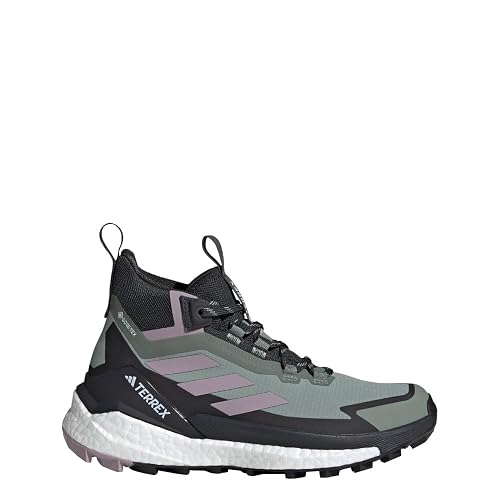
adidas Terrex Trailmaker 2.0 Mid Gore-tex Hiking Shoes
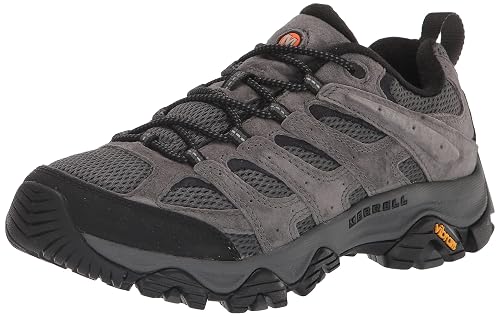
Merrell Men’s Moab 3 Hiking Shoe
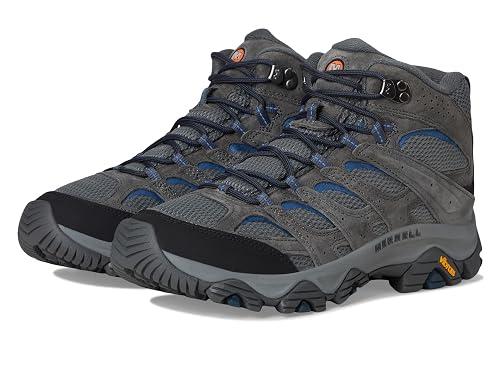
Merrell Men’s Moab 3 Mid Hiking Boot
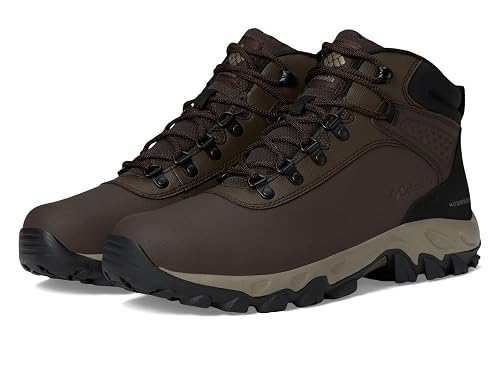
Columbia Newton Explorer
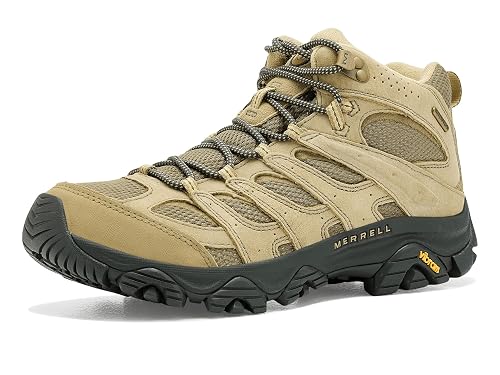
Merrell Moab 3 Mid Waterproof Hiking Boots
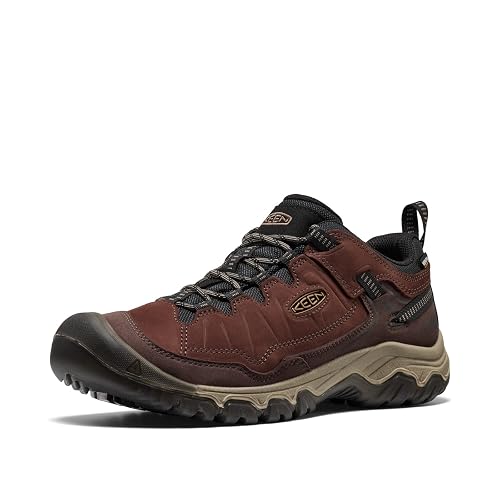
KEEN Targhee 4 Low Waterproof Hiking Shoes
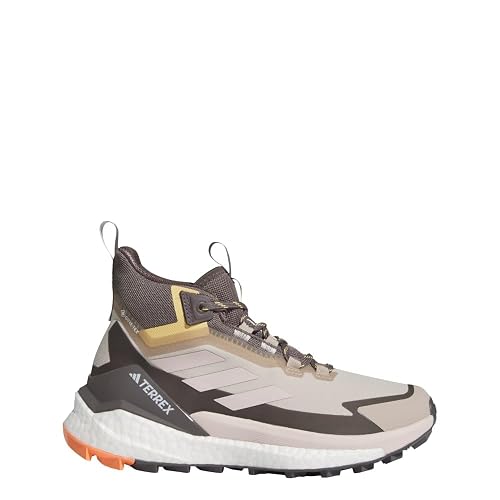
Terrex Free Hiker Gore-TEX 2.0 Hiking Shoes

KEEN Men’s KS86 Retro Style Sneakers
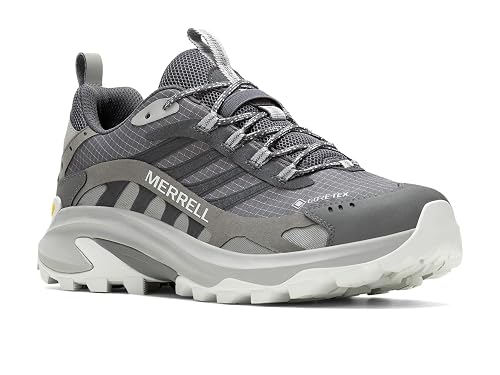
Merrell Moab Speed 2 GTX
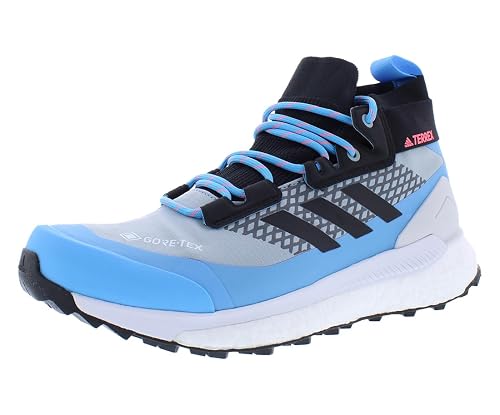
adidas Women’s Hiking Shoes
A Breakdown Of The Leading Choices
The Trailmaker 2.0 mid-cut is built for hikers who push through wet, mixed terrain. A GORE-TEX membrane (a waterproof, breathable lining) seals out rain and stream splash while still letting heat escape, and the BOOST midsole adds responsive cushioning under the heel. Compared to the low-cut Moab 3 below, this pair trades a bit of agility for more ankle wraparound.
On damp roots or rocky descents, the mid-top collar helps you feel locked in without the stiffness of a full boot. Owners commonly find the shoe runs warm on summer desert hikes, so it suits cooler, wetter climates best.
Good Reasons To Consider
- Waterproof GORE-TEX lining keeps feet dry through puddles and shallow crossings.
- BOOST midsole cushions long descents, easing impact on knees and ankles.
- Mid-top collar provides extra ankle coverage for uneven, rocky trails.
- Trail-tuned traction pattern grips loose dirt and wet roots.
Points To Keep In Mind
- Reduced breathability can feel warm on hot, dry days.
- Sizing tends to favor narrower feet; wider hikers may want to size up.
- Mud tends to collect in the deeper lugs and needs a brush after the kickoff.
Key Specs
Built With In Mind
Hikers tackling wet, rocky trails in cooler seasons who want cushion plus waterproofing without moving to a full hiking boot.
Consider Something Else When
Hot, arid hikers may prefer the lower-profile Merrell Moab 3 Hiking Shoe, which vents more freely.
The Moab 3 low-cut is famous for comfort the moment you slip it on. A supportive insole pairs with a softer midsole to absorb trail chatter, and the Vibram outsole (a high-traction rubber compound made by Vibram) bites into loose dirt. In contrast to the Trailmaker 2.0 above, this shoe sacrifices waterproofing and ankle height for a lighter, more breathable feel.
It’s the easy entry point for newer hikers who want a familiar sneaker-like fit. For most weekend trails, the out-of-box comfort saves you the usual break-in window.
Where It Excels
- Comfortable from the first wear, with minimal break-in needed.
- Vibram outsole grips confidently on dirt, gravel, and slab rock.
- Updated insole offers more arch support than the Moab 2.
- Low-cut design keeps weight down on long, fast-paced hikes.
Trade Offs
- Non-waterproof construction soaks through wet grass and puddles.
- Low-cut collar offers less ankle wraparound than mid or boot options.
The Right Fit
Day hikers, casual trail walkers, and anyone who wants a comfortable, sneaker-like feel on dry to moderately damp terrain.
A Better Fit Elsewhere
Rain-heavy hikers should reach for the Merrell Moab 3 Mid Waterproof Hiking Boots instead, which seal out moisture and add ankle coverage.
The Moab 3 Mid keeps the Moab 3 platform and adds a mid-cut collar for extra ankle wraparound. The same supportive insole and softer midsole carry over, so the comfort is familiar. Compared to the low-cut Moab 3 above, this version gives you more stability when the pack weight climbs.
It’s a sensible middle ground for hikers who carry moderate loads or move through rocky, rooty terrain. In our view, the added collar height pays off most when side-hilling on slopes.
A Few Strong Suits
- Mid-cut collar stabilizes the ankle on uneven, rocky trails.
- Same Vibram outsole as the low-cut Moab 3 for proven grip.
- Familiar Moab comfort for hikers upgrading from the low-cut version.
Honest Caveats
- Non-waterproof build means wet grass and puddles will soak through.
- Heavier than the low-cut Moab 3, which adds fatigue on longer walks.
- Mid-cut collar can feel warm in summer heat.
Key Specs
Best Suited To
Backpackers and hikers carrying moderate loads across rocky or rooty terrain who want more ankle wraparound without stepping into a full boot.
Look Elsewhere When
Frequent creek crossers may find the waterproof Merrell Moab 3 Mid Waterproof Hiking Boots a better match for their conditions.
The Newton Explorer brings a leather upper (durable, water-resistant treated leather) into the trail shoe category, along with Columbia’s lightweight Techlite midsole. Omni-Tech waterproofing keeps rain out, while the tread pattern targets mixed surfaces. Compared to the synthetic Moab 3 above, the leather build leans more rugged and traditional.
It’s a sensible pick for hikers who move between town and trail. The leather upper gives the shoe a longer break-in than mesh alternatives, though.
Real-World Strengths
- Waterproof leather upper sheds rain and resists abrasion on rocky trails.
- Techlite midsole provides lightweight cushioning for long walks.
- Classic hiking shoe styling works well in town after the trail.
Some Limits To Know
- Leather upper requires a longer break-in than mesh hiking shoes.
- Heavier than the synthetic Moab 3 or KS86.
- Less breathable than non-waterproof trail runners.
Who It Suits Best
Casual hikers who want a durable, weather-ready shoe that looks at home both on the trail and around town.
Skip It When
Hikers seeking a lightweight feel may prefer the Merrell Moab Speed 2 GTX, which has a more athletic profile.
The Moab 3 Mid Waterproof combines the mid-cut collar with a sealed waterproof bootie, so rain and puddles stay outside. It carries the same supportive insole and grippy outsole as the rest of the Moab 3 family. Compared to the non-waterproof Moab 3 Mid earlier, this pair trades breathability for weather protection.
It’s the obvious choice for hikers who don’t want their plans ruined by a forecast change. For most shoulder-season conditions, the waterproofing earns its keep.
A Favorable Mix
- Waterproof bootie construction seals out rain and stream crossings.
- Mid-cut collar adds ankle stability for moderate loads.
- Familiar Moab comfort reduces break-in time.
- Vibram outsole grips varied trail surfaces.
Practical Considerations
- Waterproof membrane reduces breathability in summer heat.
- Heavier than the low-cut Moab 3.
Made For
Hikers who move through wet, muddy, or unpredictable weather and want a balance of ankle support and waterproofing.
Another Choice May Suit
Hikers wanting a similar waterproof build with a wider toe box should look at the KEEN Targhee 4 Low Waterproof Hiking Shoes.
The Targhee 4 Low uses direct-attach construction (where the upper is bonded directly to the sole without glue, for a strong, long-lasting bond) to fuse the upper and outsole into one durable unit, with KEEN.DRY sealing out moisture. The wider toe box is a signature KEEN trait, giving toes room to spread on long descents. Compared to the Moab 3 above, this shoe offers a roomier forefoot for hikers who find most trail shoes too narrow.
It tends to suit hikers with broader feet or those who deal with toe fatigue. Owners commonly report the fused build holds up well across multiple hiking seasons.
What Pays Off
- Direct-attach construction boosts long-term durability.
- KEEN.DRY waterproofing keeps feet dry through wet grass and puddles.
- Wider toe box reduces pressure on long descents.
- All-terrain traction handles varied surfaces.
Room For Improvement
- Low-cut profile offers less ankle wraparound than mid-cut options.
- Heavier than mesh-based low-cut trail runners.
Key Specs
Perfect Match For
Wide-foot hikers who want a durable, waterproof low-cut shoe for varied trail conditions.
Reach For A Different Pick When
Hikers wanting more ankle support may prefer the Merrell Moab 3 Mid Waterproof Hiking Boots.
The Free Hiker 2.0 is built around BOOST cushioning and a soft, supportive upper, paired with GORE-TEX waterproofing. The mid-cut collar gives ankle wraparound without the stiffness of a traditional boot. The combination targets long-distance comfort days.
It shares the BOOST and GORE-TEX approach with the Trailmaker 2.0 above, but the Free Hiker leans further into comfort-focused hiking. For most hikers, it feels more like a cushioned athletic shoe than a rugged boot.
Useful Touches
- BOOST midsole adds energy return on long walks.
- GORE-TEX membrane keeps feet dry in wet conditions.
- Soft, supportive upper reduces pressure points.
- Mid-cut collar adds light ankle stability.
Where It Is Less Suited
- Reduced breathability in summer heat.
- Sizing may need adjustment if you have a high instep.
Who Should Grab It
Hikers logging longer miles on mixed terrain who want cushioned comfort, waterproofing, and light ankle support.
Where A Sibling Pick Shines
Hikers who want a faster, lighter ride may prefer the Merrell Moab Speed 2 GTX for its athletic feel.
The KS86 steps outside the traditional hiking shoe mold, pairing retro sneaker styling with KEEN’s wider fit and aggressive tread. It uses recycled mesh or eco-friendly leather, depending on the version, making it a lighter, more casual option. Compared to the Targhee 4 above, this pair trades heavy-duty trail features for everyday versatility.
It’s the most lifestyle-leaning pick here. In our view, it suits hikers who mostly tackle groomed paths and gravel roads.
Real Benefits
- Retro sneaker styling works well for casual, everyday wear.
- Aggressive tread provides grip on gravel and light trails.
- Recycled upper options offer a lighter environmental footprint.
- KEEN’s wider footwear platform fits broader feet comfortably.
Less Ideal Details
- No waterproofing, so wet conditions soak the upper quickly.
- Less ankle support than dedicated hiking shoes.
Whose Shelf It Belongs On
Casual walkers and style-minded hikers who mostly travel groomed paths and want a shoe that works for both trail and town.
Swap It Out When
Serious trail hikers should consider the Columbia Newton Explorer for a more rugged, weather-ready build.
The Moab Speed 2 GTX takes the Moab platform and applies athletic-hiker DNA: lighter materials, a more aggressive Vibram TC5+ outsole, and GORE-TEX weather protection. Compared to the classic Moab 3, the Speed 2 feels faster and more agile. The trade-off is slightly less plush cushioning.
It targets hikers who move at a quicker pace and want trail-runner energy in a hiking shoe. For most hikers, the lighter build makes it easier to cover ground.
What Works In Its Favor
- Vibram TC5+ outsole with traction lugs grips varied terrain.
- GORE-TEX membrane keeps feet dry through wet conditions.
- Lighter, athletic-hiker profile supports faster-paced outings.
Where It May Fall Short
- Less cushioning than the classic Moab 3 under the heel.
- Lower stack height may feel harsh on rocky trails.
Feature Snapshot
Right Fit For
Hikers and fast walkers who want a lightweight, weather-protected option with athletic performance on varied trails.
Not Your Match When
Hikers wanting plush cushioning for long, slow days should consider the Merrell Moab 3 Mid Waterproof Hiking Boots instead.
Built on a women-specific last (the molded foot shape the shoe is constructed on), this adidas hiking shoe targets female hikers entering the sport. The build keeps a familiar adidas athletic feel while adding trail-ready traction. Compared to the men’s Moab 3 above, the shape is tailored to a typically narrower heel and different forefoot proportions.
It’s a friendly starting point for new hikers. Depending on your usual brand sizing, you may find the fit slightly snug out of the box.
The Case For It
- Women-specific last offers a more tailored fit for many hikers.
- Familiar adidas athletic feel lowers the learning curve.
- Trail-tuned traction handles common path surfaces.
Things To Weigh
- Limited published details on waterproofing and midsole tech.
- Newer entrants may want more ankle support than offered here.
Who Will Love This
Newer hikers looking for a comfortable, athletic-feeling women’s hiking shoe for entry-level trails.
Look Elsewhere When
Hikers needing stronger ankle support should consider the adidas Terrex Trailmaker 2.0 Mid Gore-tex Hiking Shoes for a mid-cut collar.
What Matters Most Before Choosing Ankle Support Hiking Shoes
Height And Lockdown
Shoe height shapes how much your ankle is wrapped. Low-cut shoes like the Merrell Moab 3 Hiking Shoe and the KEEN KS86 favor agility and lighter weight. Mid-cut options like the Trailmaker 2.0 and Free Hiker 2.0 add a collar that grips above the ankle bone. Full boots, which aren’t covered in this list, go higher still. Lacing, heel lock, and how the collar padds all matter as much as the height number on the tag.
Cushioning And Midsole Feel
EVA foam midsoles, the kind used in the Moab 3 family and the Targhee 4, soften impact and reduce fatigue. BOOST cushioning in the adidas Terrex models adds energy return, meaning the midsole bounces back slightly with each step rather than just absorbing impact. Lighter hikers moving fast may prefer the Moab Speed 2 GTX’s athletic feel; slower long-distance hikers usually want the plusher Moab or Terrex cushion.
Outsole Grip And Terrain Match
Vibram outsoles, used in the Moab 3 family and Moab Speed 2 GTX, are widely trusted for traction. KEEN’s all-terrain tread targets similar surfaces. Deeper lugs (the protruding rubber teeth on the bottom of the sole) bite into mud and loose dirt, while shallower patterns grip better on slab rock and packed paths. Match the lug depth to the surface you walk most.
Fit, Toe Box, And Volume
A wider toe box, like the KEEN Targhee 4, helps toes spread and reduces pressure on descents. Narrower lasts favor precision on technical terrain but can cramp wider feet. Try on with the socks you actually hike in, since thicker wool socks change the volume noticeably.
Key Considerations Across These Picks
Common Shopping Slip Ups
A frequent misstep is buying non-waterproof shoes like the Moab 3 Hiking Shoe for rainy climates, then discovering damp feet halfway through a hike. Another common slip is choosing a low-cut shoe when a mid-cut collar would actually help, especially for hikers with prior ankle tweaks. A third trap is ignoring sock thickness during fitting, which can leave you with shoes that feel right in the store but tight on the trail.
Where The Extra Money Goes
Higher-priced pairs like the Terrex Free Hiker 2.0 and the Moab Speed 2 GTX often bring upgraded cushioning systems, lighter materials, and more refined waterproof membranes. The upside is reduced fatigue on long days and better weather protection. The honest read is that the Moab 3 Mid Waterproof Hiking Boots deliver most of the protection at a more approachable price, so the upgrade pays off most for hikers logging serious miles.
Frequently Asked Questions
Do mid-cut hiking shoes really help with ankle support?
Mid-cut shoes like the Trailmaker 2.0 and Moab 3 Mid add a collar that wraps above the ankle bone, which can reduce rolling on uneven ground. They don’t replace a medical brace, but for most hikers they add noticeable stability.
Are waterproof hiking shoes worth it?
Waterproof shoes like the Moab 3 Mid Waterproof and the Targhee 4 Low seal out puddles and rain, which is helpful in wet climates. In hot, dry conditions, the same membrane can trap sweat, making non-waterproof options more comfortable.
How long does it take to break in hiking shoes?
Mesh hiking shoes like the Moab 3 usually feel comfortable right away. Leather options like the Columbia Newton Explorer typically need several short walks before they soften up and mold to your foot.
Can I use hiking shoes for everyday wear?
Casual pairs such as the KEEN KS86 work well for everyday use. Most technical hiking shoes also handle light daily wear, though heavier, more aggressive tread patterns feel bulky indoors.
How often should hiking shoes be replaced?
Most hiking shoes last several hundred miles before cushioning and outsole grip begin to fade. Replace them when the tread smooths out or the midsole feels flat underfoot.
Closing Remarks
The right pair of hiking shoes comes down to matching the shoe to your usual terrain, your pack weight, and the conditions you actually face. Mid-cut waterproof models like the Moab 3 Mid Waterproof or the Terrex Free Hiker 2.0 work for many hikers. Lower-profile options like the Moab 3 or Moab Speed 2 GTX fit those who move faster or hike drier trails. Try them on with your real socks, walk a few laps if possible, and pick the pair that feels steady underfoot from the first step.