
Whether you’re scrambling up a granite slab in the Cascades or kicking steps into a snowy shoulder on a fall ridge walk, the right footwear quietly decides the whole day. The picks below span warm, insulated winter models, breathable low-cut hikers, and a couple of sock pairings that round out the kit. You’ll find options tuned for first-timers, long-mileage trekkers, and folks who want one pair to handle both trailhead parking lots and technical ground.
The Main Contenders
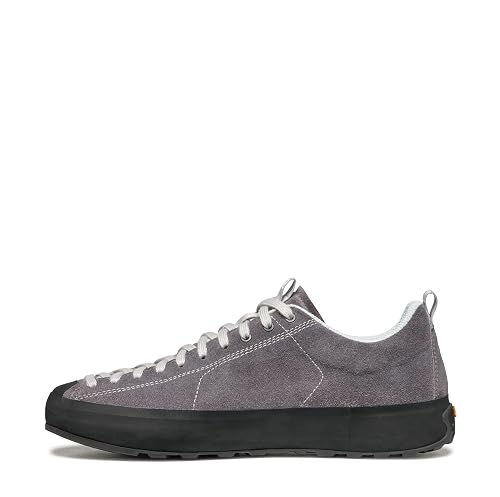
SCARPA Men’s Mojito Wrap Walking Shoes
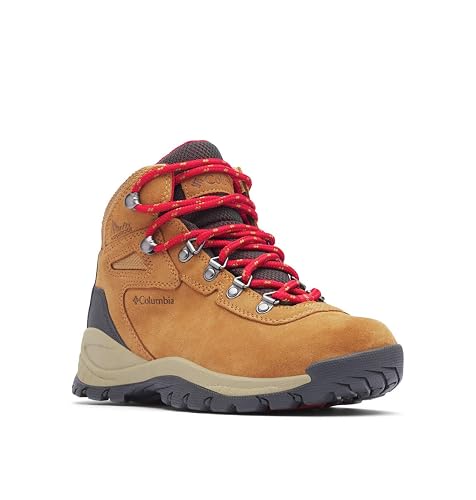
Columbia Women’s Newton Ridge Plus Waterproof Amped Hiking Boot

Columbia Men’s Firecamp Boot

Columbia Men’s Fairbanks Low
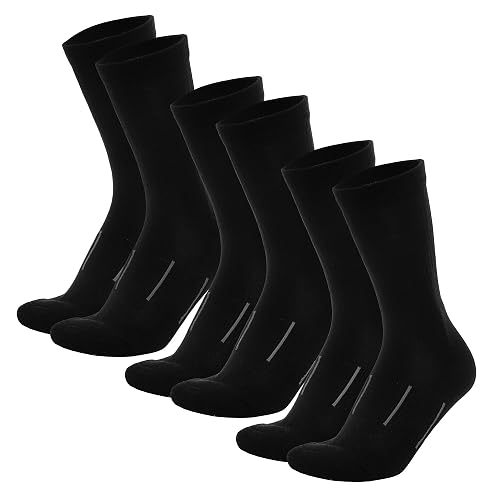
Merino Wool Boot Socks 3-6 Pack
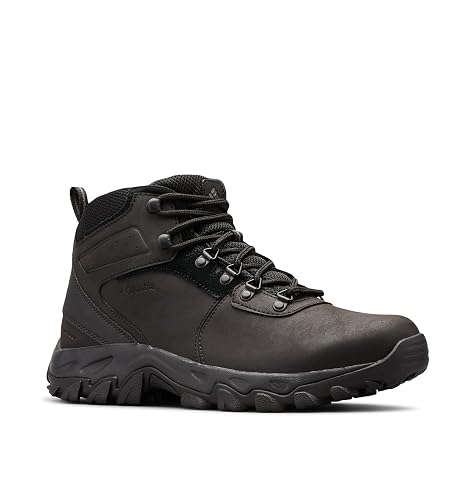
Columbia Men’s Newton Ridge Plus II Waterproof Hiking Shoe
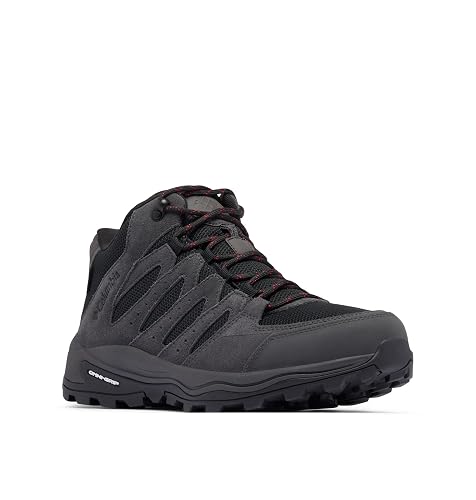
Columbia Men’s Redmond IV Mid Waterproof

Merino Wool Crew Socks 3-6 Pack
A Breakdown Of The Leading Choices
The Mojito Wrap borrows its DNA from SCARPA’s climbing line, which is the whole reason it earns a spot on an approach list. The low-cut silhouette keeps weight down on long trail walks, and the wrap-around rand (the rubber band that wraps the toe and sides) adds grippy contact when you leave the trail for rocky terrain.
If you spend most weekends bouncing between dirt paths and third-class scrambling, this one handles both without feeling overbuilt. Sizing for women sits around 8-8.5 and for men around 7-7.5 in some versions, so check the listing carefully before ordering.
Points In Its Favor
- Climbing-shoe heritage gives genuinely sticky edge contact on rock
- Low profile keeps ankles free for fast movement on tame trail
- Lightweight construction helps on longer days without packs
- Wrap rand protects toes from hidden scree and sharp talus
Things To Consider
- Low cut offers little protection in deep mud or ankle-twisting terrain
- Sizing runs narrow, so wide-foot hikers often size up or pass it over
- Minimal insulation, so shoulder-season use stays limited to dry cold
Made For
Day hikers who mix trail and talus and want shoe-like agility instead of boot-like stiffness.
Consider Something Else When
The Columbia Men’s Fairbanks Low suits warm-weather trekkers who want a more cushioned, casual ride on maintained paths.
The Newton Ridge Plus has earned its long run in Columbia’s lineup by checking the boxes most day hikers actually need. The waterproof bootie keeps morning dew and stream crossings from turning your socks into a sponge, while the mid-cut shaft adds ankle stability when the path turns rocky.
Compared to the SCARPA above, this is a noticeably different tool: heavier, more supportive, and built for damp forest floors rather than dry granite. For someone stepping into a first real pair of hikers, the learning curve is gentle. The build quality leans on durable leather paired with a mesh tongue for breathability, though owners commonly note that the boot benefits from a thorough break-in before long mileage.
Practical Advantages
- Waterproof construction handles wet trail, puddles, and shallow crossings
- Mid-cut shaft steadies ankles on uneven, root-strewn paths
- Proven Columbia platform means replacement parts and resoles are easier to find
- Roomier toe box accommodates thicker hiking socks
Trade Offs
- Heavier than low-cut options, which adds up on long mileage days
- Break-in period often runs a few hikes before the boot softens up
Who It Suits Best
Trail hikers tackling wet Pacific Northwest routes or shoulder-season snow where waterproofing earns its keep.
Where Another Pick Suits Better
The SCARPA Men’s Mojito Wrap suits hikers who want nimble, shoe-like feel over boot-style support.
The Firecamp sits in a different lane than the rest of this list. Columbia built it for cold-weather use, layering low-bulk warmth over waterproof construction so the boot stays flexible rather than clunky. It reads as a multi-sport option that handles snow-covered trailheads and casual downtown wear in the same trip.
The cushioning tends to feel plush right out of the box, which suits hikers who push off cold, hard ground. Note that listing availability can be spotty, so check the product page before committing to a trip date. Compared to the lighter Fairbanks Low that follows, this boot trades breathability for warmth.
Notable Upsides
- Insulated build keeps feet comfortable on snowy or frozen approaches
- Lightweight construction avoids the clunk of traditional pac boots
- Waterproof lining handles slush and shallow winter crossings
- Doubles as everyday cold-weather footwear around town
Points To Note
- Insulation runs too warm for summer hiking in mild climates
- Availability fluctuates, so sizing or stock is worth verifying
- Less breathable mesh, which can feel stuffy on the uphills
Best Suited To
Cold-climate hikers and shoulder-season backpackers facing snow on the approach.
Skip It When
The Columbia Men’s Fairbanks Low is the better match for warm-weather hikers who want breathable, low-cut comfort.
The Fairbanks Low is the shoe that bridges a weekend trail loop and a Saturday at the farmer’s market. The upper mixes suede leather with breathable mesh webbing, which lets heat escape on warm climbs while the leather still holds up against scrapes and trail debris.
Underfoot, the Techlite midsole provides lightweight cushioning while the Omni-Grip rubber outsole handles mixed terrain. If you’re after one of those hassle-free hiking shoes you can leave laced up by the door, this is the kind of build that fits the bill. Compared to the heavier Newton Ridge Plus covered earlier, this shoe feels faster and airier on dry days.
Real-World Strengths
- Breathable mesh webbing vents heat on warm climbs
- Techlite midsole cushions long miles without added bulk
- Omni-Grip outsole steadies steps on loose dirt and gravel
- Suede leather upper handles everyday scrapes
Honest Caveats
- Low cut leaves ankles exposed on uneven, rocky ground
- Not built for deep puddles, heavy rain, or sustained wet trail
- Suede needs occasional cleaning to hold up over multiple seasons
Quick Facts
Who Will Love This
Casual hikers and travelers who want one shoe for trail, pavement, and weekend errands.
A Better Fit Elsewhere
The Columbia Women’s Newton Ridge Plus Waterproof Amped Hiking Boot fits hikers tackling wet trails who want mid-cut waterproof support.
Most blister stories start at the sock layer, which is why a proper merino boot sock earns its spot in a roundup like this. This pack from Merino.tech lands in the boot-height range, so it pairs naturally with the taller Columbia boots above. Merino wool manages moisture and resists odor across multi-day trips, which becomes a genuine comfort upgrade on longer approaches.
The 3-6 pack format spreads the per-pair cost down across a working rotation, so you can air out damp socks between hikes without running short. For hikers who already own a comfortable boot, swapping in a better sock often delivers more comfort per dollar than swapping the boot itself.
Advantages To Know
- Boot height suits mid-cut and tall hiking boots
- Merino wool handles moisture and odor on multi-day trips
- Multi-pack format keeps a working rotation in the drawer
- Cushioned footbed softens impact on rocky trail sections
Small Caveats
- Too tall for low-cut hikers, which causes bunching above the ankle
- Merino wears through faster than synthetic blends under heavy use
Perfect Match For
Backpackers and multi-day hikers who want warm, moisture-managing socks under taller boots.
Look Elsewhere When
The Merino Tech Crew Sock Pack suits day hikers who wear low-cut hikers and want a shorter cuff.
The men’s version of the Newton Ridge Plus II rounds out the mid-cut waterproof category with the same general recipe: leather upper, waterproof bootie, supportive midsole. It covers the kind of route that swings between wet forest trail, rocky scrambles, and the occasional gravel road on the way back to the trailhead.
Compared to the women’s version covered earlier, the last and fit run on the men’s side, so wide-foot hikers sometimes find a touch more room in the toe box. The build leans toward durability over ultralight construction, so it makes more sense on trips where support matters more than shaving ounces. For multi-day backpacking trips with a loaded pack, this is the boot that handles the weight without fuss.
Everyday Perks
- Waterproof membrane handles stream crossings and morning dew
- Mid-cut shaft adds stability under heavier pack loads
- Durable leather upper resists scrapes from rocks and brush
- Supportive midsole softens impact on long mileage days
Some Limits To Know
- Heavier than the low-cut Fairbanks Low for fast, light travel
- Break-in period can run a few hikes before the leather softens
- Less breathable than mesh-heavy hikers in summer heat
Feature Snapshot
Whose Shelf It Belongs On
Multi-day trekkers who carry real pack weight and want waterproof, supportive footwear that lasts multiple seasons.
Reach For A Different Pick When
The Columbia Men’s Fairbanks Low fits hikers who want breathable, low-cut comfort for fast, light day trips.
The Redmond IV Mid lands in the middle of Columbia’s hiking line with a simple, dependable recipe. A mid-cut waterproof upper handles wet trail, puddles, and muddy stretches without the bulk of a full backpacking boot. The build quality leans toward accessibility, so first-time hikers tend to settle into it quickly.
Where it really earns its keep is on routes that mix wet and dry conditions across the same day. Compared to the heavier Newton Ridge Plus II covered just before, this boot feels lighter and quicker on the foot, while still offering mid-cut stability. Available in multiple colors and sizes on the listing, it also covers a wide range of preferences without much fuss.
Everyday Advantages
- Waterproof construction handles wet and muddy conditions
- Mid-cut shaft steadies ankles without the bulk of a full backpacking boot
- Comfortable out of the box, which shortens the break-in window
- Available in multiple colors and sizes to suit different preferences
Worth Bearing In Mind
- Not as supportive under multi-day pack weight as the Newton Ridge
- Cushioning feels firmer than the plush Firecamp for cold-weather comfort
Feature Card
The Right Fit
Day hikers who want one mid-cut boot that adapts to changing conditions without overcommitting to one season.
Where A Sibling Pick Shines
The Columbia Men’s Newton Ridge Plus II Waterproof Hiking Shoe fits backpackers carrying real pack weight across multi-day trips.
The crew-height version of Merino.tech’s hiking sock covers the most common pairing on this list: low-cut hikers like the Fairbanks Low and Redmond IV Mid. Crew socks sit just above the ankle bone, which keeps them comfortable inside shorter shafts without bunching or riding down.
The same merino benefits apply here, including moisture management and natural odor resistance, and the 3-6 pack keeps a working rotation going for less per pair than buying singles. Owners commonly layer these under trail runners on long runs, which speaks to their versatility well beyond the hiking niche. Compared to the boot-style pack covered earlier, the height is the main difference.
A Few Highlights
- Crew height pairs naturally with hiking shoes and trail runners
- Merino wool wicks moisture and resists odor across long days
- Multi-pack value keeps the rotation stocked through the season
- Versatile enough for work, errands, and recovery days
Practical Considerations
- Too short for taller mid-cut and backpacking boots
- Merino wears through faster under heavy daily use
Core Details
Right Fit For
Day hikers and trail runners who wear crew-height socks with hiking shoes on varied terrain.
Swap It Out When
The Merino Wool Boot Socks 3-6 Pack fits backpackers wearing mid-cut boots who need taller sock coverage.
Picking The Right Foundation For Your Feet
A boot that crushes one route can feel clunky on the next, so the smartest match starts with the trail ahead. Think about where you hike, when you hike, and how heavy your pack runs. Once those three answers are clear, the rest falls into place.
Match The Boot To The Terrain
Low-cut hikers move fastest on maintained trail but offer little protection when the path turns rocky or root-strewn. Mid-cut boots add ankle stability for uneven ground and modest pack weight, which suits most day hikers. Full backpacking boots earn their extra weight when you’re carrying 30+ pounds across multi-day routes with rough descents.
Decide How Much Waterproofing You Need
Waterproof membranes keep feet dry through morning dew, shallow crossings, and wet grass, but they trade breathability for that dryness. Hikers in damp climates like the Pacific Northwest or the Appalachians tend to want waterproofing year-round. Hikers in arid regions often prefer breathable mesh and just accept a wet pair now and then.
Pay Attention To Fit And Break-In
A boot that fits perfectly in the store often tells the truth on the trail, while a tight boot rarely loosens up enough to feel good later. Most leather boots need several hikes to soften up, so plan to test them on shorter routes before committing to a multi-day trip. Wide-foot hikers should look for lasts (the foot-shaped form the boot is built around) that explicitly run wide, since hiking through narrow boots ruins the whole experience.
Don’t Skip The Sock Layer
A good merino sock matters more than most people expect. It manages moisture, softens friction, and reduces hot spots that turn into blisters. The right sock height also matches the boot shaft, so crew socks fit low-cut hikers and boot-height socks fit taller boots.
What To Weigh Before Clicking Buy
Where Shoppers Go Wrong
The most common mistake is buying a boot sized for the parking lot rather than the trail. Your feet swell after hours of hiking, so a half-size up from your street shoe often fits better on long days. Another trap is choosing a heavy backpacking boot for casual trail use, which adds weight and stiffness without giving you any benefit on smooth paths.
What The Higher Tier Buys
Premium hiking boots tend to use stiffer midsoles, more durable leather, and tougher outsoles that hold up across rougher terrain. The upgrade usually shows up as ankle support under heavier pack weight, longer lifespan across multiple seasons, and better traction on loose rock. For day hikers on tame trail, the upgrade rarely pays back. For multi-day backpackers and alpine trekkers, the extra cost often returns the investment across years of use.
Frequently Asked Questions
What’s The Difference Between Approach Shoes And Hiking Boots?
Approach shoes borrow sticky rubber and climbing-style rands (the rubber wrap at the toe and sides) from climbing shoes, which gives them better grip on rock than typical hiking shoes. Hiking boots prioritize ankle support and waterproofing for longer, rougher trails. Approach shoes shine on routes that mix hiking and scrambling, while hiking boots handle longer mileage and heavier loads.
Do I Really Need Waterproof Hiking Boots?
Waterproof boots help in wet climates, morning dew, and shallow stream crossings, but they run warmer in dry heat. If you mostly hike arid trails in summer, breathable mesh may serve you well. If you face wet grass and rain often, waterproofing usually earns its keep.
How Long Does It Take To Break In Hiking Boots?
Leather boots often need 5 to 10 miles of walking before they soften around the foot. Synthetic and mesh hikers usually feel comfortable right away. Wearing new boots on a long trip is a common rookie mistake, so test them on shorter routes first.
Can I Use Approach Shoes For Regular Hiking?
Approach shoes work well for moderate trail and easy scrambling, though they lack the protection of taller hikers for ankle-heavy terrain. For rugged trails with heavy packs, a mid-cut boot usually feels safer. For short hikes on dry, rocky terrain, approach shoes often feel great.
The Takeaway
The best approach boots for hiking match the trail you actually walk, not the trail you imagine. Match the shaft height to the terrain, the waterproofing to your climate, and the sock to the boot. Once those three pieces line up, the rest takes care of itself.