
Taking a toddler into the backcountry changes how you pack, plan, and pace yourself. The right carrier turns a tough climb into an easy family outing, and the wrong one leaves your back screaming before the first mile. Parents hiking with little ones need a setup that balances child comfort, parent ergonomics, and trail-ready storage in a single pack.
This roundup focuses on carriers built for real trail time, from structured framed backpacks to breathable soft carriers for shorter routes. Each pick here was evaluated on fit, ventilation, weight distribution, sun protection, and how well it handles a wiggling toddler after mile three. Whether you’re heading into alpine terrain or sticking to shaded local loops, there’s an option here that matches your family.
A Side-By-Side Look
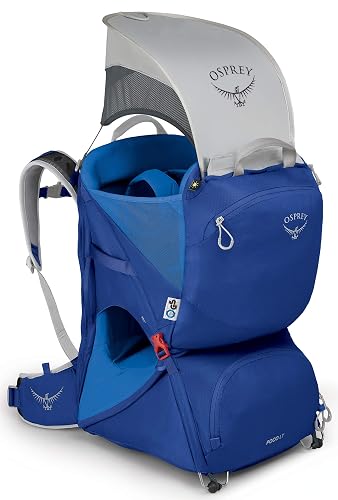
Osprey Poco LT Lightweight Child Carrier and Backpack, Deep Teal
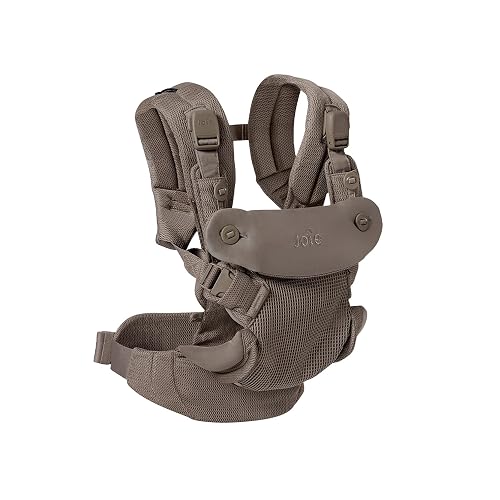
Joie Savvy Air 4-in-1 Mesh Ergonomic Baby Carrier
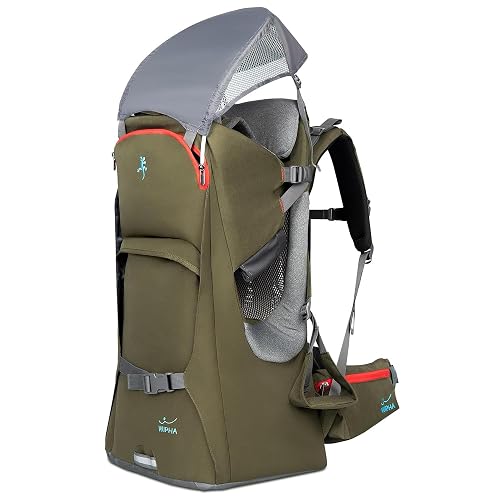
WIPHA Toddler Hiking Carrier with Sun Canopy & Storage

WIPHA Toddler Hiking Backpack Carrier with Sunshade, Black
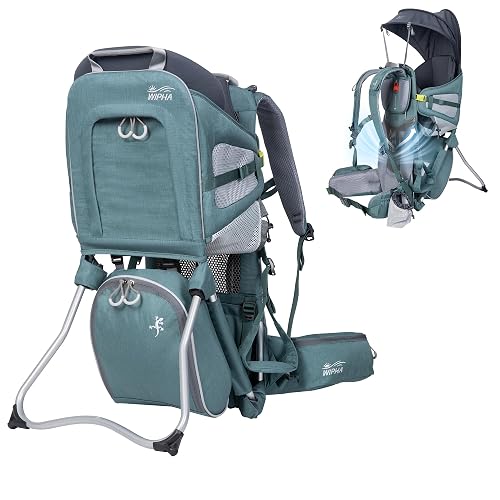
WIPHA Toddler Hiking Backpack Carrier with Sunshade, Green
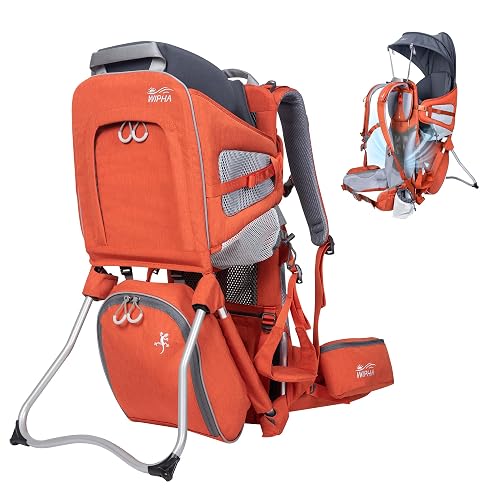
WIPHA Toddler Hiking Backpack Carrier with Sunshade, Orange
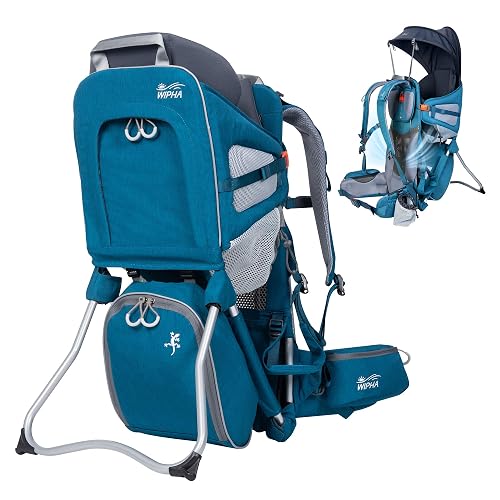
WIPHA Toddler Hiking Backpack Carrier with Sunshade, Blue
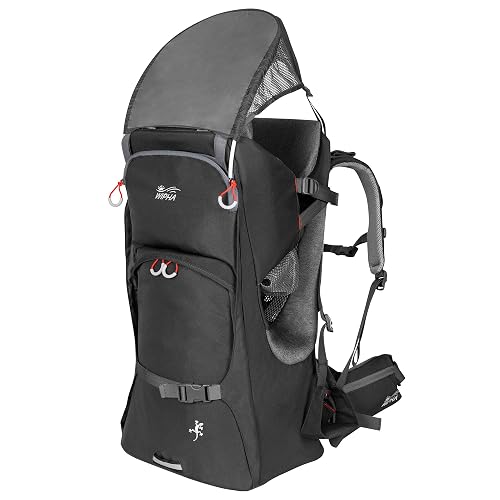
WIPHA Toddler Hiking Carrier with Sun Canopy, Black
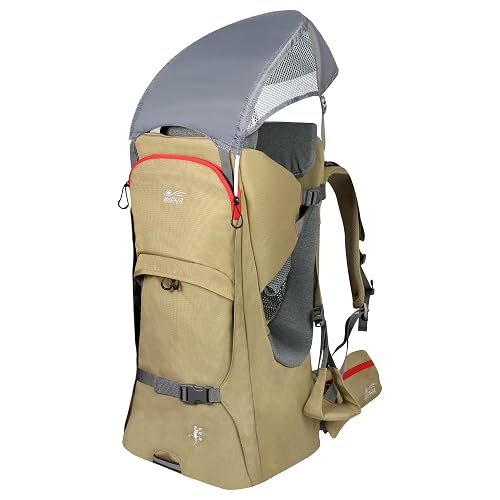
WIPHA Toddler Hiking Carrier with Sun Canopy, Sand

WIPHA Toddler Hiking Carrier with Sun Canopy, Blue
The Details Behind The Selections
The Osprey Poco LT sits at the top of this list because it borrows suspension tech from Osprey’s adult packs and applies it to a child carrier. The AirScape backpanel uses a ridged foam structure that creates real airflow channels against your back, which matters more than you’d think on a summer climb. Where the Joie Savvy Air reviewed next focuses on soft-body breathability, the Poco LT leans into structured load carrying for longer days.
It folds flat thanks to a patent-pending frame, so storing it in a car trunk or apartment closet doesn’t require reorganizing your life. The built-in UPF 50 sunshade protects a sleeping toddler without forcing you to pack a separate cover. For parents already carrying serious backpacking gear, this feels like a natural extension of the kit.
Where It Excels
- AirScape ventilated suspension keeps parent backs drier on warm climbs
- Folding frame design saves trunk and closet space between trips
- Integrated UPF 50 sunshade removes the need for aftermarket covers
- TUV-certified construction adds confidence on technical terrain
- Adjustable torso fit accommodates different parent body shapes
Things To Consider
- Larger overall footprint than soft carriers when fully assembled
- Premium positioning means the initial outlay is significant
- Load range tops out around 48.5 lbs, limiting use with older toddlers
Key Product Details
Right Fit For
Backpackers already comfortable with technical packs who want trail-grade ergonomics on family hikes.
Skip It When
The WIPHA Toddler Hiking Carrier with Sun Canopy suits parents who want a softer, less structured pack for casual loops and neighborhood walks.
The Joie Savvy Air takes a different path than the Osprey Poco LT reviewed above. Rather than a rigid framed backpack, it uses breathable mesh fabric throughout the body and waist panel, prioritizing airflow over load capacity. Parents tackling paved greenways or shaded park loops find this format easier to manage than a full hiking frame.
The 4-in-1 design covers multiple carry positions, which extends the useful life of the carrier well beyond hiking season. Ergonomic paneling supports healthy hip positioning for the child while distributing weight across the parent’s torso. For warm-weather wandering where trail length stays under a few miles, the mesh construction keeps both parties noticeably cooler.
Well-Handled Touches
- Full mesh construction maximizes airflow on humid trail days
- Multi-position carry extends usability from infant through toddler stage
- Lightweight soft-body design folds down small for travel
- Ergonomic hip support reduces parent fatigue on shorter routes
Worth Noting
- No rigid frame means storage capacity for trail supplies is limited
- Less torso support than framed carriers on long uphill climbs
- Mesh fabric requires occasional cleaning to prevent odor buildup
Made For
Parents prioritizing comfort and breathability over technical trail features for short to mid-length outings.
Reach For A Different Pick When
The Osprey Poco LT Lightweight Child Carrier suits hikers carrying heavier gear loads or tackling multi-hour elevation climbs.
The WIPHA Toddler Hiking Carrier fills an accessible price tier that the Osprey Poco LT and Joie Savvy Air sit well above. It includes a sun canopy and storage compartment at a cost that makes sense for families just starting to explore outdoor time with a toddler. For parents who aren’t sure how often they’ll actually hike, this entry point keeps the commitment reasonable.
Adjustable straps accommodate different parent body sizes, and the padded waist belt shifts weight away from shoulders. Storage holds the diaper bag essentials plus a light layer. The honest read is that this isn’t built for serious alpine mileage, but for paved paths and gentle dirt loops it handles the job without fuss.
Benefits That Matter
- Lower price barrier for families new to hiking with toddlers
- Built-in sun canopy provides immediate UV protection out of the box
- Adjustable harness fits multiple caregivers in the same household
- Storage compartment handles snacks, wipes, and a small jacket
Trade Offs
- Frame materials are lighter than premium aluminum options
- Storage volume stays modest compared to dedicated backpacking carriers
Best Suited To
Budget-aware families taking their first family hikes on flat or gently rolling terrain.
A Better Fit Elsewhere
The WIPHA Toddler Hiking Backpack Carrier with Sunshade, Black offers an upgraded aluminum frame for parents ready to tackle rougher trails.
This WIPHA model upgrades from the previous pick with a high-strength aluminum frame that keeps the carrier itself around 5.5 lb while carrying up to 40 lb of child. That ratio matters because every pound of carrier weight sits on your back before the toddler even climbs in. TUV certification adds a third-party safety layer for parents who research before buying.
The black colorway hides trail dust and snack stains better than lighter options reviewed later in this roundup. Child-lock buckles prevent curious toddlers from unbuckling mid-hike, which becomes relevant once your child figures out how clips work. On mixed terrain, the frame rigidity helps transfer load to the hips rather than letting the pack sway.
The Practical Payoff
- Aluminum frame keeps carrier weight low while supporting 40 lb child loads
- TUV certification provides verified safety testing documentation
- Child-lock buckles stop mid-hike escape attempts
- Dark fabric conceals dirt between washes
- Frame structure improves load transfer on uneven ground
Points To Keep In Mind
- Storage capacity is functional but not generous for full-day trips
- Frame assembly takes practice the first few times
Feature Snapshot
Who Should Grab It
Active families hitting varied terrain who want frame stability without committing to premium pricing.
Look Elsewhere When
The Osprey Poco LT Lightweight Child Carrier suits hikers who want established brand suspension systems and longer-distance comfort.
The green variant of WIPHA’s aluminum-framed carrier shares the same core construction as the black version reviewed above, with a color swap that suits outdoor aesthetics. Parents who photograph hikes or care about blending into natural surroundings often prefer earth tones over stark black or bright orange options. Functionally, you’re getting the same 5.5 lb carrier weight and 40 lb child capacity.
The aluminum frame’s rigidity earns its keep on root-covered trails where a floppy carrier would shift your center of gravity. You may find the lack of extensive storage compartments limiting on longer hikes, but for half-day family outings the trade-off works fine. Green fabric also hides grass stains better than the blue or orange siblings in this list.
Useful Highlights
- Earth-tone color blends into outdoor environments naturally
- Same aluminum frame stability as other WIPHA models
- TUV certification carries across the entire frame line
- Child-lock buckles maintain security across color variants
A Few Limitations
- Color choice adds nothing functional beyond aesthetics
- Storage remains limited for gear-heavy day hikes
- Aluminum frame still requires occasional bolt checks over time
Whose Shelf It Belongs On
Parents who want WIPHA’s aluminum frame performance with a nature-friendly color palette.
Consider Something Else When
The Joie Savvy Air 4-in-1 Mesh Ergonomic Baby Carrier works better for parents prioritizing soft-body breathability over framed support.
The orange WIPHA carrier brings the same aluminum frame and 40 lb capacity as its color siblings, but trades camouflage for visibility. On group hikes or busy trailheads, a bright pack makes your family easier to spot, both for safety and for keeping track of slow-pacing toddlers. Hunting-season families may find the orange color particularly relevant.
Visibility aside, you get the same TUV certification and child-lock buckles reviewed in the black and green versions. The honest read is that color choice here comes down to personal preference and trail context rather than functional differences. If your hiking happens in foggy coastal areas or dense forest, that pop of orange genuinely helps.
Features That Help
- High-visibility orange aids group spotting and trailhead awareness
- Aluminum frame matches the stability of other WIPHA color variants
- Child-lock buckles ensure the same secure ride as siblings
- TUV certification documents independent safety review
Honest Caveats
- Bright color shows dust and trail grime more visibly than darker options
- Same modest storage capacity as the broader WIPHA frame line
Built With In Mind
Families hiking in low-visibility conditions or group settings where being spotted matters.
Swap It Out When
The WIPHA Toddler Hiking Carrier with Sun Canopy, Sand offers a neutral tone for parents preferring understated colors.
The blue variant completes the WIPHA aluminum-frame quartet and shares the same 5.5 lb carrier weight, 40 lb child limit, and TUV certification. Blue sits in the middle of the visibility spectrum: more visible than black or green, less aggressive than orange. Parents who want some pop without feeling like they’re carrying safety gear often land here.
Child-lock buckles secure the seat the same way across all color variants, and the aluminum frame keeps load transfer consistent. You may find the color choice matters less than expected once you’re three miles into a hike, but at the trailhead it does shape first impressions. The fabric holds up well to standard spot cleaning.
What Stands Out
- Balanced color visibility without high-vis aggression
- Aluminum frame consistency across WIPHA’s color line
- Child-lock security matches other frame models
- TUV-tested construction carries through all variants
Soft Spots
- Storage volume stays modest regardless of color choice
- Frame bolts may need periodic checks after heavy use
Who Will Love This
Parents wanting a versatile color that works across casual and trail settings without standing out too much.
Where Another Pick Suits Better
The WIPHA Toddler Hiking Carrier with Sun Canopy, Blue delivers a different ergonomic weight-distribution system for parents prioritizing hip-loaded comfort.
This WIPHA model steps away from the aluminum-frame siblings reviewed above and focuses on parent-side ergonomics instead. The weight distribution system claims to transfer most of the load to the hips rather than letting it sit on the shoulders, which matters on longer walks where shoulder fatigue creeps in unnoticed. Wide waist belt and ventilated back panel target the same comfort zone.
Adjustable shoulder straps combined with 3D breathable mesh padding keep the parent side cooler than basic foam padding. Where the framed WIPHA models excel on rough terrain, this carrier suits smoother paths where ergonomics matter more than rigidity. The black colorway matches the previous aluminum-frame black variant for parents who prefer dark aesthetics.
Points In Its Favor
- Hip-focused weight transfer reduces shoulder strain on longer walks
- 3D breathable mesh padding improves air circulation against the back
- Wide waist belt spreads load across a broader contact area
- Adjustable straps accommodate shared use between caregivers
- Ventilated back panel targets parent-side heat management
Where It May Fall Short
- Lacks the rigid frame structure of sibling aluminum models
- Storage capacity stays functional rather than generous
Right Fit For
Parents taking long neighborhood walks or smooth-trail hikes where shoulder and back comfort are the priority.
Another Choice May Suit
The WIPHA Toddler Hiking Backpack Carrier with Sunshade, Black delivers an aluminum frame for parents wanting more trail rigidity.
The sand-colored WIPHA carrier delivers the same ergonomic weight-distribution system as the black variant reviewed above, wrapped in a neutral tone that hides light dust while looking understated. Parents who find bright outdoor gear visually loud appreciate this color’s quieter appearance. Functionally, you get the hip-loaded weight transfer and ventilated back panel either way.
Sand tones photograph well against green foliage, which matters for families documenting hikes. The trade-off is that sand shows dark stains like mud or juice spills more readily than black. For parents who prioritize aesthetics alongside comfort, this variant sits in a useful middle ground between utilitarian dark options and attention-grabbing bright alternatives.
What It Does Well
- Neutral sand color suits style-conscious parents
- Same hip-loaded weight transfer as black sibling
- Breathable mesh padding keeps parent back ventilated
- Adjustable harness fits multiple caregivers
A Few Things To Weigh
- Lighter color shows dark stains more visibly than black
- No rigid frame limits use on rougher backcountry trails
- Storage capacity stays modest for full-day adventures
Perfect Match For
Parents who care about carrier aesthetics alongside ergonomic comfort on smoother trail routes.
Not Your Match When
The Osprey Poco LT Lightweight Child Carrier suits hikers tackling technical terrain who need framed support and proven suspension systems.
The blue variant of WIPHA’s ergonomic carrier rounds out this list with the same hip-loaded weight transfer and ventilated mesh padding as its black and sand siblings. Blue sits between the neutral and high-visibility color options, offering moderate visibility without the visual intensity of orange or red. Parents who want ergonomic comfort with a color that works in varied settings land here.
The ventilated back panel earns its keep on warm-weather hikes where parent-side heat becomes the limiting factor. You may find the color choice matters less than the underlying ergonomic system once you’re walking, but at purchase time it shapes satisfaction. This is a solid pick for families prioritizing comfort over frame rigidity on smoother routes.
What Makes Sense
- Versatile blue color works across casual and trail settings
- Hip-focused weight transfer reduces parent shoulder fatigue
- 3D breathable mesh improves air circulation against the back
- Adjustable shoulder straps support shared caregiver use
Potential Sticking Points
- Soft construction handles gentle trails better than rocky terrain
- Storage capacity is functional but limited for longer days
Who It Suits Best
Parents prioritizing ergonomic comfort and moderate color visibility on smoother family walking routes.
Where A Sibling Pick Shines
The WIPHA Toddler Hiking Backpack Carrier with Sunshade, Blue offers aluminum frame rigidity for parents who want the same color with trail-ready structure.
Choosing Baby Carriers For Hiking That Actually Work On The Trail
Frame Versus Soft-Body Carriers
Framed carriers like the Osprey Poco LT and WIPHA aluminum models distribute weight through a rigid structure, which keeps the load stable on uneven terrain. Soft-body carriers like the Joie Savvy Air prioritize flexibility and pack-down size but offer less torsos support. Your trail choice matters: framed packs handle roots and rocks better, while soft carriers win on paved paths and short outings.
Weight Distribution And Parent Comfort
A carrier’s load transfers to your body through the hip belt, shoulder straps, and back panel. Hip-focused designs move roughly 90% of weight away from shoulders, which becomes critical on hikes over 90 minutes. Adjustable torso length lets the same carrier fit a 5’2″ parent and a 6’1″ partner without buying two setups. Padded waist belts wider than two inches spread contact pressure across the hip bones.
Child Capacity And Age Range
Most carriers in this list support children from 6 months through about 3 years, with weight limits between 40 and 48.5 pounds. Younger infants need head and neck support, so check whether a carrier includes an infant insert or specifies minimum age. Toddlers who can sit unassisted and hold their heads up are typically ready for framed hiking packs. Once your child exceeds the weight limit, transition to letting them walk or use a child leash system.
Ventilation And Weather Considerations
Mesh panels and ventilated backpanels reduce sweat buildup on warm hikes. Built-in UPF-rated sunshades protect children from direct UV exposure without needing a separate cover. For parents hiking in humid climates, full mesh construction makes a noticeable difference over closed foam padding. Rain covers are typically sold separately, so factor that into your gear list if you hike in wet conditions.
Storage Capacity For Trail Essentials
Day hikes with toddlers require diapers, wipes, snacks, water, and an extra layer. Carriers with larger storage compartments handle full-day trips better, while minimal storage works for hour-long neighborhood walks. External attachment points for water bottles and diaper bags add flexibility without forcing you to choose between child comfort and parent convenience.
Key Considerations Across These Picks
Common Buying Mistakes
First-time family hikers often choose carriers based on storage volume alone, overlooking how the pack fits their specific body type. A carrier that pinches your hips or pulls on your shoulders turns a pleasant hike miserable by mile two. Trying the fit with weight loaded before committing prevents this. Another frequent slip-up: ignoring the child’s age and weight range. A carrier rated for toddlers doesn’t work for a 4-month-old who needs head support, and exceeding the weight limit creates safety risks regardless of how sturdy the frame feels.
What The Higher Tier Buys
Premium carriers justify their cost through suspension systems borrowed from adult backpacking packs, lighter frame materials, and certified safety testing. The Osprey Poco LT’s AirScape backpanel and folding frame represent engineering that budget models can’t match. Higher-tier options also tend to include better ventilation, more adjustment points, and longer useful lifespans across multiple children. Whether the upgrade makes sense depends on how often you actually hike and how technical your terrain gets.