
Choosing a backpack for multi-day treks usually comes down to fit, volume, and how the load sits after the third uphill mile. The seven packs below cover everything from quick summit pushes to extended routes where you carry a tent, food, and extras for a week. Sizes here range from 22 liters all the way to 80 liters, so the shortlist is built around how you actually hike, not around marketing tags.
The Main Contenders
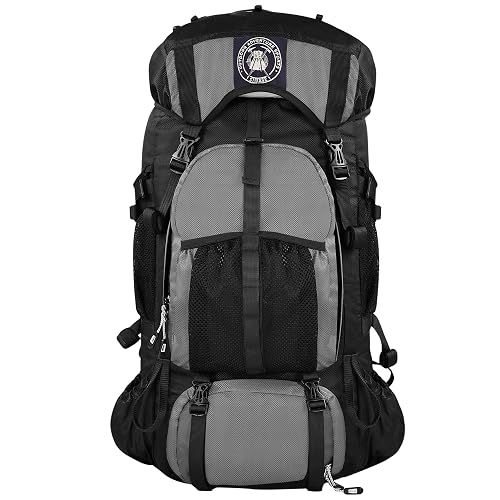
Expedition 58L Internal Frame Hiking Backpack
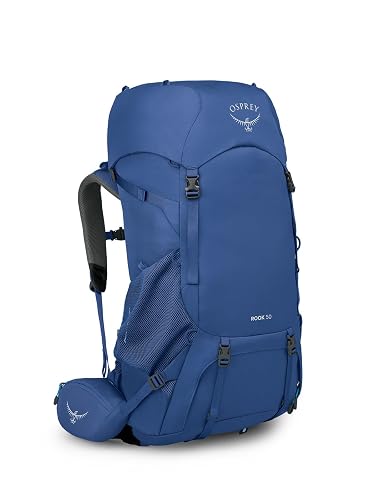
Osprey Rook 50L Men’s Backpacking Backpack
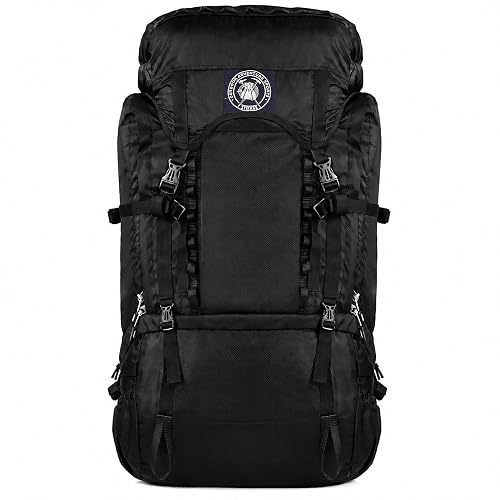
SuperSonik 72L Internal Frame Hiking Backpack
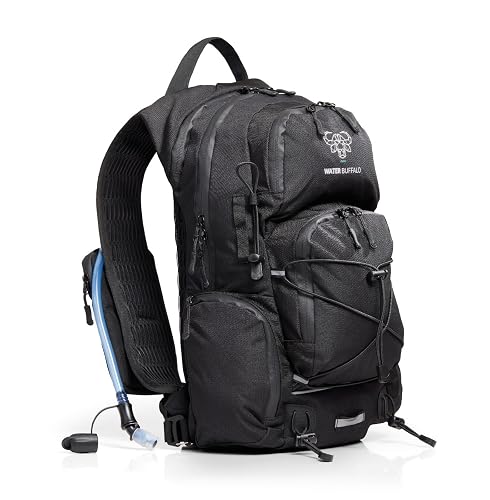
Water Buffalo Sherpa 22L Hydration Backpack
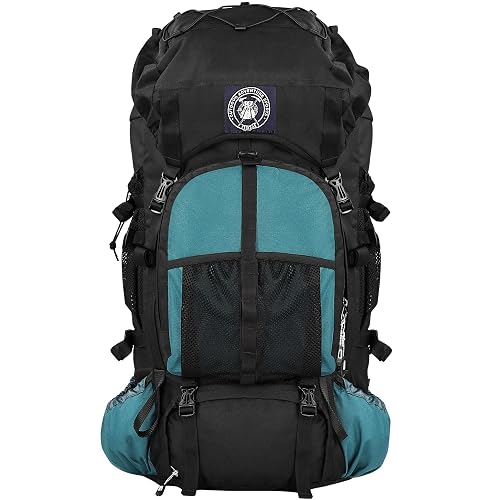
Expedition 80L Internal Frame Hiking Backpack
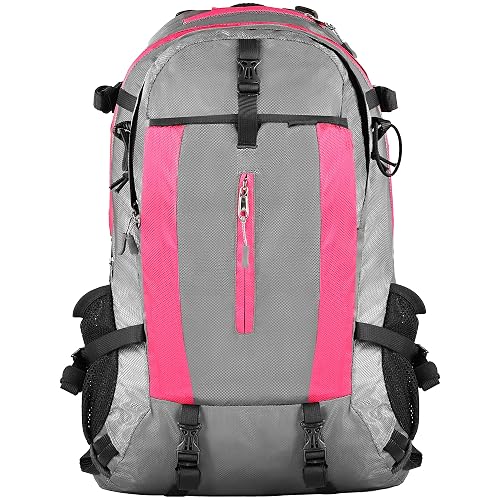
Nomad 30L Carry-On Hiking Backpack
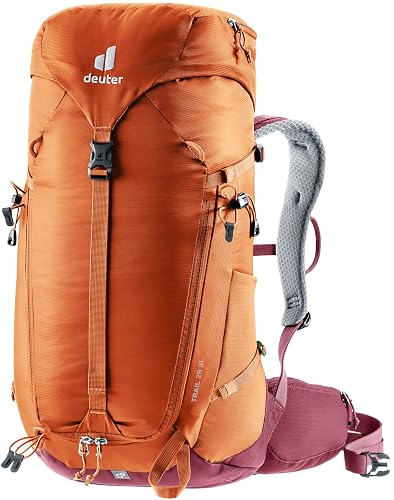
Deuter Trail 28L SL Narrow-Fit Backpack
The Picks, Examined More Closely
Stikage’s Expedition 58L sits right in the sweet spot between a daypack and a full expedition hauler, and the internal frame does most of the heavy lifting. Twin aluminum rods inside the curved frame push weight toward your hips rather than your shoulders, which matters once you load a tent, sleeping bag, and three days of food into the main compartment.
The back panel adjusts to dial in torso length, so the same pack works for shorter and taller hikers without that awkward floating-pack feeling. Compared to the larger 72L and 80L Stikage models later in this list, the 58L is the one most weekend trekkers will actually fill rather than overpack.
A Few Strong Suits
- Curved internal frame with twin aluminum rods transfers load to the hips, easing shoulder strain on long climbs.
- Adjustable back panel fits a wide range of torso lengths, useful when the pack is shared between two people.
- 58L capacity handles a two-to-three-day trip without forcing you to strap gear to the outside.
- Water-resistant shell shrugs off light rain and trail dust during short weather windows.
Things To Consider
- At full load the pack gets tall, so shorter hikers may want to test clearance before committing to multi-day use.
- Owners commonly report that the hip belt benefits from a stiffer foam upgrade once loads pass roughly 30 pounds.
Key Product Details
Best Suited To
Weekend backpackers and intermediate trekkers who want one pack that handles most three-season trips without feeling oversized.
Look Elsewhere When
The Osprey Rook 50L is the better pick for first-time backpackers who want a more polished suspension out of the box.
The Osprey Rook 50 is the kind of pack you hand to a friend who has never carried more than a school backpack and watch them come back grinning. Osprey’s AirSpeed suspension uses a tensioned mesh back panel that lets air circulate, which sounds like a small detail until you finish a humid switchback without a soaked shirt.
An injection-molded ladder lock torso system dials in fit quickly, and the integrated raincover pulls out from its own pocket when clouds stack up. Compared to the Stikage Expedition 58L above, the Rook runs smaller and lighter, trading raw volume for a more breathable carry.
The Helpful Details
- AirSpeed suspension with tensioned mesh keeps airflow moving across the back during warm hikes.
- Ladder lock torso adjustment makes fitting the pack to a new user quick, even in the parking lot before a trip.
- Built-in raincover deploys fast, removing the need to buy one separately for light weather.
- bluesign-certified construction signals responsible sourcing of the fabrics and hardware.
Worth Noting
- At 50 liters the pack fills quickly on colder trips where bulky insulation adds bulk.
- The men’s-specific cut may not fit narrower shoulders without strap adjustments, which some hikers find fiddly on first use.
Feature Snapshot
Made For
New backpackers and warm-weather hikers who prioritize ventilation and a forgiving fit system over maximum volume.
A Better Fit Elsewhere
Stikage’s Expedition 80L is the smarter call for anyone planning a week-long trip with group camping gear.
Stikage’s SuperSonik 72L is the pack to reach for when the route plan reads like a packing list. A curved internal frame and twin aluminum rods spread the load across the hips, so even with a full shelter, food bag, and clothing layers the pack stays controlled on uneven ground.
The fully adjustable harness customizes fit across multiple positions, and the taller main compartment swallows bulky winter gear without forcing it to compress. Stacked against the 58L Expedition, this one trades day-trip agility for the kind of cargo space multi-week routes demand.
The Value In It
- 72L volume swallows a four-season sleep system plus cooking and shelter gear without external lash points.
- Multi-position adjustable harness adapts to layered clothing and different torso lengths.
- Twin aluminum internal rods maintain load shape over long stretches where the pack would otherwise sag.
- Reinforced construction handles heavier base weight typical of mountaineering and trekking routes.
Points To Keep In Mind
- An empty 72L pack is heavy to carry on training hikes, so most owners report needing to load it with weight before shorter walks.
- The taller profile can feel top-heavy for hikers under about five-foot-six without a proper torso fit.
Who Will Love This
Mountaineers and extended-route trekkers carrying heavier base weights where capacity matters more than compact carry.
Reach For A Different Pick When
The Nomad 30L is a smarter match for hikers who split their time between trails and airports and want one pack for both.
Water Buffalo’s Sherpa 22L is a hydration-first daypack, and the built-in 2-liter bladder is the centerpiece. A wide-mouth opening on the BPA-free bladder makes refills at trail faucets painless, and the bite valve sits on a hose routed over the shoulder strap for quick sips on climbs.
Six storage pockets cover the usual day-hike kit: snacks, an extra layer, a small first-aid kit, and the keys-and-phone kit that always migrates somewhere inconvenient. Compared to the larger internal-frame packs earlier in this list, the Sherpa runs cooler, lighter, and far simpler.
Points In Its Favor
- Included 2L BPA-free bladder with wide-mouth opening simplifies refills at trailhead spigots.
- Six pockets keep layers, snacks, and small essentials separated and easy to reach.
- Low-profile harness suits fast hiking, trail running, and warm-weather outings.
- Compact 22L frame stays out of the way on crowded trails and steep descents.
Honest Caveats
- 22 liters leaves no room for a packed lunch and rain shell together, so day-hikers carrying extra food will feel the squeeze.
- The bladder hose can snag on low branches without a clip, an issue owners commonly mention on overgrown trails.
Perfect Match For
Day hikers, trail runners, and mountain bikers who want hydration always at hand without carrying a full backpacking load.
Swap It Out When
The Deuter Trail 28L SL fits better for slim-framed hikers who need a ventilated back panel for long, sweaty days.
Stikage’s Expedition 80L is the largest pack on this list, and the engineering focus is on carrying the heaviest, awkward-shaped loads without losing control. The internal frame uses the same twin-rod curved design as the smaller Stikage models, scaled up to manage dense, heavy contents.
A customizable back panel lets tall trekkers with longer torsos actually use the full capacity, and the multiple compression straps keep bulky loads from shifting mid-step. Set against the 72L SuperSonik, this pack buys extra room for group gear or winter base-camp loads.
Everyday Wins
- 80L capacity absorbs group-shared equipment, winter sleeping pads, and a full camp kitchen.
- Twin aluminum internal rods maintain structure even when the pack is unevenly loaded.
- Adjustable back panel suits taller hikers who usually struggle with off-the-rack pack lengths.
- Compression straps stabilize oversized loads on technical, off-balance terrain.
Less Ideal Details
- An 80-liter pack at minimum weight is still substantial, making it a poor choice for hikes under three days.
- Storage at home is its own project, since the pack does not compress down for closet shelving.
Built With In Mind
Expedition trekkers and winter backpackers carrying dense, heavy gear on long routes where every liter counts.
Not Your Match When
The Osprey Rook 50L is a smarter pick for shorter routes where an 80-liter pack would mostly hold dead air.
The Stikage Nomad 30L is the rare pack that fits a carry-on bin and still carries an internal frame. Twin aluminum rods inside a curved frame give it load control most 30-liter daypacks cannot match, and the padded laptop sleeve doubles as a hydration sleeve for trail use.
For travelers who walk a city in the morning and a ridgeline in the afternoon, this hybrid shape removes the need for a second pack. Compared to the larger Stikage 58L and 80L models, the Nomad is smaller, lighter, and tuned for fast transitions rather than raw volume.
What Pays Off
- Carry-on compliant dimensions let you skip checked-bag fees and rough handling on flights.
- Internal frame with twin aluminum rods is uncommon in 30L packs, adding real load support for trail use.
- Padded sleeve works for a 15-inch laptop or a hydration bladder, adapting to your day.
- Lightweight construction keeps the pack under most airline weight thresholds even when full.
Trade Offs
- 30 liters is too small for overnight trips carrying a sleeping bag and shelter together.
- The laptop-first layout means the hip belt is minimal, which some hikers notice on longer trail walks.
Right Fit For
Travelers and digital nomads splitting time between urban transit and short trail days who want one bag for both.
Skip It When
The Water Buffalo Sherpa 22L is the better pick for hikers who want a hydration bladder built in from day one.
Deuter’s Trail 28L SL is built around the brand’s Airstripes back system, and the difference shows up the moment you put it on. Reduced contact surface and ventilation channels keep air moving between the pack and your back, while perforated shoulder straps and hip fins spread pressure across a wider area.
The narrower SL cut suits smaller torsos and slim builds, which is why the pack also works for mountain biking where a wider pack throws off balance. Polyester and polyamide fabrics, both partly recycled, handle brush and abrasion without much fuss. Relative to the larger packs earlier in this list, the Deuter is firmly in fast-and-light territory.
A Favorable Mix
- Airstripes back system with ventilation channels keeps airflow moving across the spine on hot days.
- Narrow SL fit suits smaller torsos and slim builds without the typical gap between shoulder and hip belt.
- U-frame structure holds the load close to the body, useful on bikes where a flopping pack pulls you off-line.
- Recycled polyester and polyamide shell keeps weight low while resisting trail abrasion.
Small Caveats
- 28L limits overnight use, so most owners treat this as a single-day pack only.
- The narrow fit that works so well for slim hikers can feel tight on broader frames.
Feature Card
Whose Shelf It Belongs On
Slim-framed hikers and mountain bikers who want a ventilated, body-hugging pack for fast day outings.
Consider Something Else When
The Osprey Rook 50L is the stronger choice for backpackers who need volume for overnight trips, not just day rides.
What To Weigh Before Choosing A Trekking Pack
Volume That Matches The Trip
Pack size drives almost every other decision here. Day hikers and trail riders usually land between 22 and 30 liters, which covers water, layers, snacks, and a small first-aid kit. Weekend backpackers stepping up to one or two nights typically want 45 to 60 liters for shelter, sleeping bag, and food. Anyone planning four-plus days, especially in winter, usually benefits from 65 to 80 liters of capacity. Match size to your longest planned trip rather than the easiest, since an undersized pack forces unsafe external lashing.
Frame And Suspension Design
Internal frames use stays, often aluminum rods or plastic sheets, to transfer load from shoulders to hips. Curved frames with twin rods, like the Stikage models above, hold shape under heavy loads and feel stable on uneven ground. Tensioned mesh suspension systems, like Osprey’s AirSpeed, prioritize airflow and a softer carry for warm weather. Ventilated back panels with channels, like Deuter’s Airstripes, work well for fast hiking and biking where back sweat is the real problem.
Fit Adjustability And Torso Sizing
Torso length matters more than height, since the pack must sit on the hips and clear the shoulders. Adjustable back panels let one pack fit multiple body shapes and make borrowing or sharing easier. Shoulder straps should wrap without pinching, and the hip belt should bear most of the weight, around 70 to 80 percent when properly tightened. Wider or narrower harness cuts, like the SL option on the Deuter, make a real difference for smaller-framed hikers.
Material, Weight, And Weather Resistance
Ripstop polyester and polyamide shells balance durability, weight, and cost. Recycled versions are common now and perform similarly to virgin fabrics. Water-resistant coatings handle light rain but are not substitutes for a raincover on multi-day routes. Zippers, buckles, and bar-tacked stress points predict longevity more than fabric weight alone, so inspect those before trusting the pack on a long route.
Key Considerations Across These Picks
Where Shoppers Go Wrong
The most common mistake is sizing for the trip you have done rather than the trip you plan to do. Many shoppers pick a 50-liter pack for a five-day route and end up strapping gear to the outside, which shifts balance and snags on brush. Another slip-up is ignoring torso length, since a poorly fitted pack causes shoulder pain regardless of how much foam the harness has. Finally, treating “water-resistant” as waterproof leads to soaked gear when real rain arrives, and a separate raincover remains a sensible add-on for any multi-day trek.
The Case For Spending Up
Higher-tier packs earn their cost through better suspension, tougher fabrics, and longer-lasting hardware. Aluminum internal frames, bluesign-certified fabrics, and integrated raincovers show up first in premium models, and they reduce mid-trip failures that ruin weekends. The upgrade makes sense for anyone hiking more than a handful of times per year or carrying loads over 30 pounds, while casual day hikers can save by skipping the heaviest-duty construction.
Frequently Asked Questions
What Size Backpack Trekkings Do I Need For A Three-Day Trip?
A 50 to 65 liter pack is the practical range for most three-day routes, since you need space for shelter, sleeping bag, clothing layers, food, and cooking gear without forced compression. Shorter hikers or those carrying ultralight gear can sometimes manage with 45 liters, while winter routes usually push toward 65 plus.
How Do I Measure Torso Length For A Trekking Backpack?
Tilt your head forward and locate the bony bump at the base of your neck, then feel for the top of your hip bones. Measure between those two points along the spine, ideally with help, and use that number against the manufacturer’s torso range. Most adjustable packs cover roughly 15 to 20 inches, which fits most adults.
Are Internal Frame Backpacks Better Than External Frame Packs?
Internal frames sit closer to your body, which improves balance on uneven terrain and makes the pack easier to maneuver in tight spots, so they dominate the trekking category today. External frames still exist and can carry very heavy loads well, but they feel awkward on technical trails and modern internal frames handle most recreational loads comfortably.
How Much Should A Loaded Trekking Pack Weigh?
A common guideline is keeping total pack weight under 20 percent of your body weight, which keeps the load manageable over multiple days. Heavier loads increase fatigue, knee stress, and the risk of falls on descents, so trimming gear before upgrading pack size often pays off more than buying a bigger bag.
Can I Use A Trekking Backpack As A Carry-On?
Carry-on-sized packs, like 30-liter internal frame models, can fit most airline bin dimensions, but always check your specific airline’s size limits before flying. Removing the hip belt and frame sheet can help squeeze borderline packs into overhead bins, though it reduces trail comfort.
Wrap Up
The right trekking pack comes down to honest matching: trip length to volume, body shape to fit system, climate to ventilation. The shortlist above covers day hikes, weekend loops, and expedition routes, so the right pick is the one that lines up with how you actually spend your trail time. Take your time dialing in fit, since a well-fitted mid-volume pack will outperform a poorly fitted large one on every hike you take.