
A poorly fitted pack can ruin a long trail day faster than a rainstorm. Finding a backpack that hugs the right torso length, carries weight comfortably, and matches your trip style turns every mile into something you’ll actually want to log again. The eight picks below span quick day hikes, multi-day backcountry trips, and travel days that need a smarter silhouette. Each one earns its spot for a specific reason, from internal-frame suspension to anti-theft commuter details.
Your Options, Compared
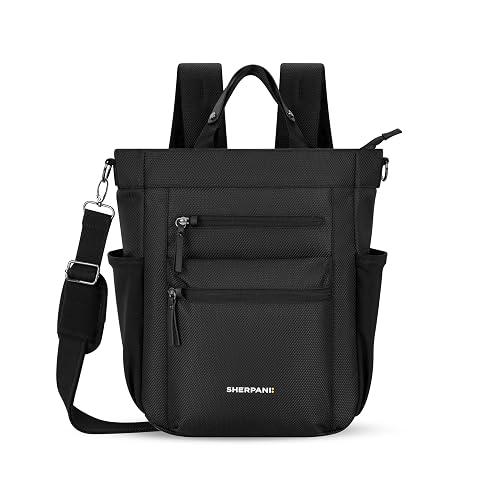
Sherpani Unisex Soleil Anti-theft Travel Backpack
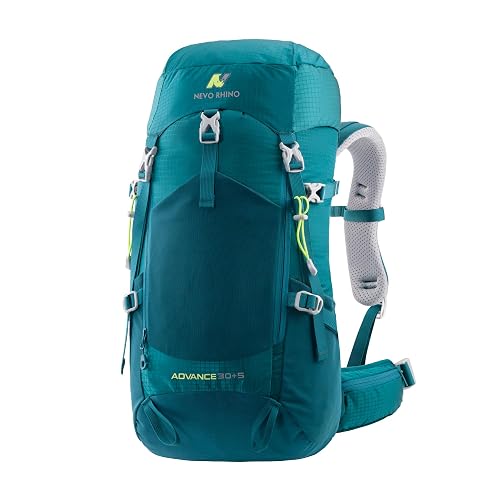
N NEVO RHINO 35L Internal Frame Backpack
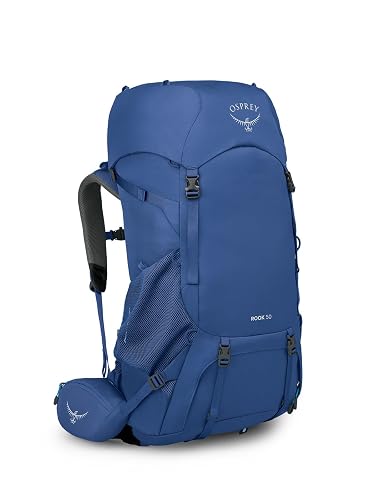
Osprey Rook 50L Men’s Backpacking Backpack
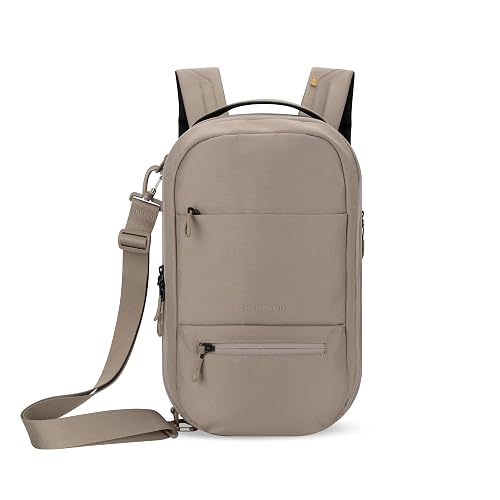
Sherpani Camden Pro Convertible Laptop Backpack
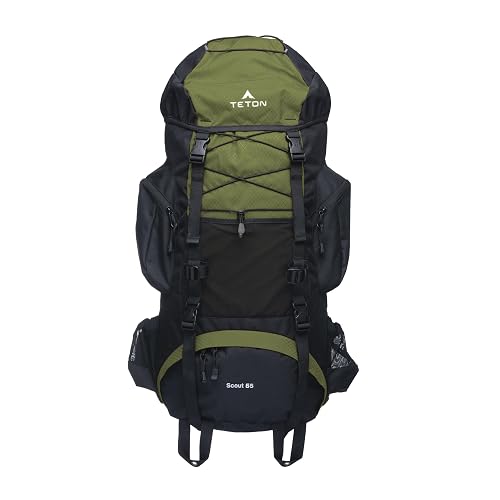
Teton 55L Scout Internal Frame Backpack

10L Small Hiking Backpack, Lightweight Daypack

Gregory Mountain Women’s Deva 60 Backpacking Pack
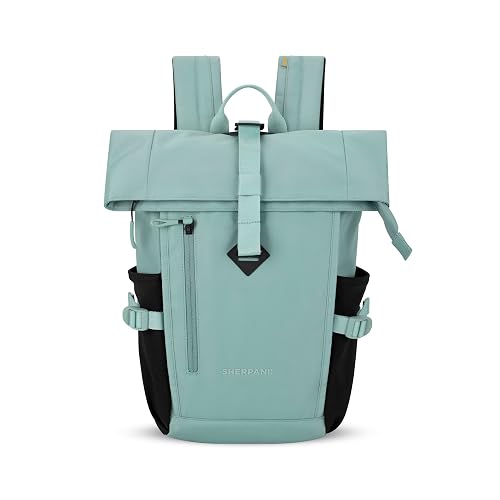
Sherpani Sedona Mini Foldsack Backpack
The Picks, Examined More Closely
The Soleil leans into the anti-theft travel crowd, and the layout shows it. Hidden zippers, two exterior slip pockets, and a back luggage-handle sleeve let it slide onto a roller bag without a fight.
Inside, a padded laptop sleeve lives next to a key leash and side bottle pocket, which keeps everyday clutter tidy. Compared with the larger internal-frame picks later in this list, the Soleil trades suspension for organization. That trade-off makes it a smart pick for city breaks, hostel stays, or anyone who carries a laptop more than a tent.
Real-World Strengths
- Anti-theft zipper placement keeps contents tucked away in crowded terminals.
- Back luggage sleeve slides over roller handles, sparing your shoulder on long transfers.
- Two side bottle pockets hold reusable bottles without bulging the silhouette.
- Padded laptop sleeve protects devices while doubling as the main compartment divider.
- Recycled fabric construction speaks to shoppers who want lower-impact materials.
Things To Consider
- No internal frame means heavier loads can press on shoulders over long days.
- Lack of a hip belt limits weight transfer on multi-mile trail walks.
Key Specs
Who Should Grab It
Frequent flyers and hostel-hoppers who carry a laptop, charger, and a change of clothes will appreciate the security-minded layout.
Where Another Pick Suits Better
Trekkers hauling a tent and sleeping bag should reach for the N NEVO RHINO 35L Internal Frame Backpack, which adds suspension and a rain cover.
The RHINO 35L is built for short overnighters rather than thru-hikes. The internal frame gives the pack structure, while ripstop polyester and nylon add a layer of abrasion resistance that matters on rocky scrambles.
Bar-tacked stress points show attention to detail at exactly where shoulder straps tend to fail. The built-in rain cover stows in its own pouch, which means you won’t have to remember a separate rain shell. Compared with the Sherpani Soleil above, this pack sacrifices anti-theft details for trail-ready suspension.
Features That Help
- Internal frame transfers load to the hips rather than the shoulders.
- Integrated rain cover deploys fast when weather rolls in.
- Bar-tacked seams handle repeated loading without fraying.
- 35L capacity fits a sleeping bag, pad, and two-day clothing layer.
Trade Offs
- Frame sizing isn’t tailored for shorter torsos; fit may feel off for some shoppers.
- Less organizational pockets than a travel-oriented bag.
- Owners commonly report the included rain cover needs careful drying to prevent mildew.
Who Should Grab It
Campers tackling one or two-night trips who want trail suspension without buying a full 50L-plus hauler will land on the right tool here.
Reach For A Different Pick When
For sub-five-mile day hikes where you only carry water and a layer, the 10L Small Hiking Backpack from CARPDIM keeps weight closer to zero.
The Rook 50 keeps things simple in a category that loves overengineering. The new injection-molded ladder-lock torso adjustment makes dialing in fit surprisingly fast, even with cold fingers.
AirSpeed suspension uses a tensioned mesh back panel that lets air move between you and the bag, which matters on humid climbs. The integrated rain cover pulls out from its own pocket, and the pack carries a bluesign product certification for cleaner material sourcing. Compared with the smaller RHINO above, the Rook adds a longer-haul capacity and a more refined fit system.
The Practical Payoff
- Tensioned mesh back panel keeps airflow moving during climbs.
- Tool-free torso adjustment trims setup time at the trailhead.
- Integrated rain cover tucks out of sight until you need it.
- 50L volume swallows a weekend kit plus extra food.
- bluesign-certified materials reflect responsible sourcing.
Honest Caveats
- Marketed as men’s fit, so shoppers with shorter torsos should verify measurements.
- Hip belt sizing can run large for slimmer frames.
Feature Snapshot
Whose Shelf It Belongs On
Multi-day backpackers who want breathable carry and a dialed fit system will find the Rook handles long miles without constant fiddling.
Look Elsewhere When
Women with shorter torsos should consider the Gregory Deva 60 Backpacking Pack, which uses women’s-specific geometry.
The Camden Pro converts between backpack and shoulder bag in seconds, with adjustable straps up to 23 inches and a removable shoulder strap that extends from 30 to 52 inches.
A reinforced 9-inch top handle gives grab-and-go convenience when the bag arrives at your gate. Compared with the SOLEIL above, this one trades anti-theft zippers for shape flexibility. You get a single bag that adapts to a commute, an airport walk, or a weekend out, which matters when closet space runs short.
Everyday Advantages
- Two carry modes suit different outfit or load needs.
- Long adjustable shoulder strap fits most body sizes.
- Reinforced carry handle adds grab-and-go ease.
Worth Noting
- Convertible hardware can snag fabrics when strap switching mid-day.
- Limited padding makes it less suited for loaded trail walks.
Right Fit For
Hybrid commuters who split time between office, transit, and weekend trips will appreciate the bag’s shape-shifting nature.
Skip It When
Trail-focused hikers should look at the Teton 55L Scout Internal Frame Backpack, which has real trail suspension instead.
The Scout leans into the smaller-torso crowd. Its ¾ frame and adjustable torso back panel suit shorter hikers, including younger frames and many women, without forcing a compromise on capacity.
The integrated rain cover stows inside, and the pack is built for hiking, camping, and travel rather than just one niche. Compared with the Osprey Rook, the Scout offers a more inclusive torso fit at a friendlier entry tier, though its materials feel less refined.
Good Reasons To Consider
- Short-torso-friendly fit works for a wider range of shoppers.
- 55L capacity handles a long weekend’s worth of kit.
- Adjustable back panel trims to your specific spine length.
- Built-in rain cover removes one more thing to forget.
Points To Keep In Mind
- Fabric finish tends to feel heavier than premium alternatives.
- Fewer internal pockets mean packing cubes become a near-necessity.
Quick Facts
Who It Suits Best
Smaller-framed backpackers and younger hikers who need real capacity without adult-sized torso length will find this pack fits the bill.
A Better Fit Elsewhere
Anyone needing premium women’s-specific geometry and a more refined suspension should reach for the Gregory Deva 60.
This 10L pack is essentially a featherweight day-trip tool. It fits water, a snack, a light shell, and your phone without forcing you to cinch things down.
It earns its spot by being the lightest option in this list, which matters on casual hikes or city walks where big haulers feel excessive. Compared with the heavier internal-frame picks above, this one drops suspension entirely in favor of barely-there carry.
Practical Advantages
- Lightweight build disappears on quick outings.
- Compact silhouette works for daily commuting too.
Room For Improvement
- No internal frame means shoulder straps take the full load.
- Small capacity rules out any overnight use.
- Limited structure can let loose items shift during fast movement.
Best Suited To
Day hikers and commuters who carry only essentials will find this pack disappears on their back.
Swap It Out When
Anyone planning overnight camping should step up to the Teton Scout 55L for proper suspension and capacity.
The Deva 60 is purpose-built around women’s anatomy, with the Response A3 suspension using an independently rotating hipbelt and harness to follow natural movement.
A Sidekick daypack tucks in as an internal hydration sleeve, and the Sidewinder bottle holster lets you grab water one-handed without breaking stride. The included daypack and bottle holster make trail water breaks faster than digging into the main compartment. Compared with the unisex Teton Scout, the Deva costs more but earns it through fit and accessory depth.
Practical Pluses
- Women’s-specific suspension matches typical hip-to-torso proportions.
- Independent hipbelt rotation reduces hot spots on long climbs.
- Sidewinder bottle holster speeds up water breaks.
- Included daypack doubles as a hydration sleeve.
Less Ideal Details
- Premium tier pricing puts it above casual day-trip use.
- Custom-fit adjustments require a retailer fitting for best results.
- 60L volume is overkill for short hikes.
Made For
Serious female backpackers hauling 30+ pounds through multi-day terrain benefit most from the women’s-tuned carry system.
Consider Something Else When
Casual day hikers should pick the Sherpani Sedona Mini, which trims weight for short outings.
The Sedona Mini folds into its own pocket, which solves the classic “where do I store my daypack” problem when traveling light. Front mesh pockets and pen holders keep cards and small essentials sorted.
A padded sleeve handles laptops up to 13 inches, while dual side bottle pockets keep hydration accessible. The trolley sleeve slips over roller handles, which saves your shoulders on long airport walks. Compared with the full-sized Sherpani Soleil, this one shrinks down to almost nothing when not in use.
Useful Strengths
- Foldable design stows inside its own pocket for easy packing.
- Front organization panel sorts small daily items.
- Trolley sleeve attaches to rolling bags on travel days.
- Padded sleeve fits laptops up to 13 inches.
Some Limits To Know
- Mini capacity rules out overnight or hiking use.
- Lightweight fabric shows wear faster than heavier daily bags.
Perfect Match For
Travelers who want a backup daypack that lives inside a larger suitcase will appreciate the fold-away footprint.
Not Your Match When
Anyone who carries trail gear should reach for the N NEVO RHINO 35L, which handles real trail loads.
Fitting a Backpack Before You Commit
Torso length matters more than back size. Measure from the C7 vertebra (the bony bump at the base of your neck) down to the iliac crest (the top of your hip bones). Most women fit a 14 to 18 inch range, and a pack that misses this window will sag or pinch no matter how good the brand looks.
Hip belts should cradle the iliac crest, not slide below it. A well-padded belt transfers up to 80 percent of the load off the shoulders, which is why long-haul packs like the Gregory Deva invest so heavily in belt geometry. You may find cheap hip belts dig in once you cross the 20-pound threshold.
Capacity scales with trip length. Day hikes typically need 10 to 25 liters, weekend overnights land around 30 to 50 liters, and full-week trips start around 55 liters. Going larger than needed adds dead weight; going smaller forces you to leave gear behind. Consider how often you’ll camp versus day-hike before picking a number.
Materials drive both durability and price. Ripstop polyester resists tearing in a scruffy way, while bluesign-certified fabrics signal cleaner material sourcing. Trail-specific packs favor coated bottoms to handle wet ground, while travel packs lean on organization and lockable compartments. The honest read is: pick the material story that matches your use case rather than the toughest one you can find.
Key Considerations Across These Picks
Common Shopping Slip Ups
Picking by capacity alone often backfires. A 60-liter pack on a 15-inch torso will hang awkwardly and pull on shoulders. Torso length, hip-belt fit, and suspension design all carry more weight than raw volume. Always cross-check sizing charts before locking in a larger model.
Ignoring intended use leads to overbuilt bags. Trail-specific packs feel heavy and noisy on city commutes, and travel bags lack the frame structure for real backcountry miles. Match the bag to the trip, then refine by capacity and fit.
Where The Extra Money Goes
Premium tiers like the Gregory Deva invest in women’s-specific suspension, hydration accessories, and refined hardware. Entry tiers cover the basics but often skip padded hip belts, breathable back panels, and integrated rain covers. The honest trade-off: casual hikers rarely need premium details, while serious backpackers feel every missing one within the first ten miles.
Frequently Asked Questions
How do I know what torso size I need?
Measure from the bony bump at the base of your neck down to the top of your hip bones. Most women fall between 14 and 18 inches. Compare your number to each maker’s sizing chart, since a mismatch shows up as sagging or shoulder pinching on long walks.
Is a women’s-specific pack actually different?
Yes, women’s-specific packs use shorter torso lengths, narrower shoulder straps, and shaped hip belts that match typical female anatomy. The fit reduces pressure points on the collarbone and hips, especially under heavy loads.
Do I need an internal frame for short hikes?
Not always. Day hikes under five miles with light loads feel fine in frameless packs like the 10L daypack. Internal frames earn their keep when loads climb past 15 to 20 pounds or trips stretch into multiple days.
How important is a rain cover?
A rain cover protects your gear and keeps fabric from soaking through on extended wet days. Some packs like the Osprey Rook and Teton Scout include one, while frameless daypacks often skip it.
Can one pack work for travel and hiking?
Convertible packs like the Sherpani Camden Pro handle light dual duty, but most dedicated travel bags lack frame structure for trails, and trail packs lack organization for airports. Many travelers end up with two specialized picks rather than one compromise.
Bottom Line
A pack that fits your spine, hip shape, and trip style will quietly do its job for thousands of miles. Match capacity to your longest typical outing, prioritize hip-belt comfort over fancy fabrics, and trust your own measurements over a brand name. The right bag makes every trip feel easier from the first switchback.