
A poorly matched pack can sour an otherwise great trip. Your torso length, the climate you hike in, and how much gear you haul all matter more than the number on the spec sheet. The eight packs below cover the real spread of backcountry use, from ultralight overnighters to gear-heavy weeklong routes, so you can match capacity and fit to your actual plans.
A Side-By-Side Look
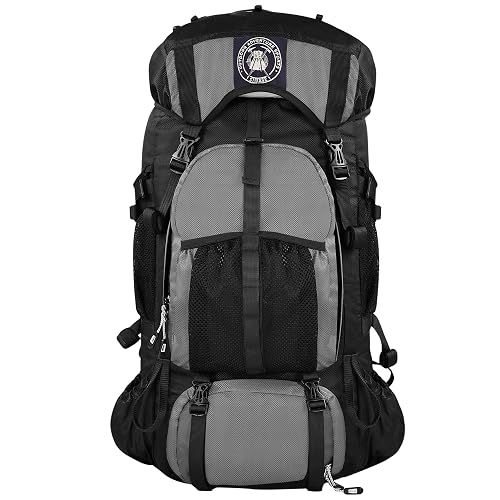
Stikage Expedition 58L Internal Frame Hiking Backpack
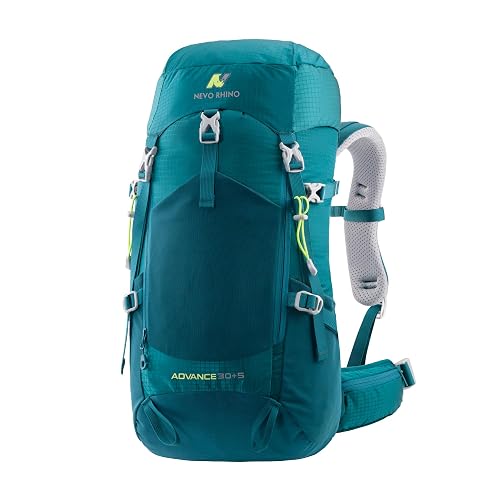
N NEVO RHINO 35L Internal Frame Backpack
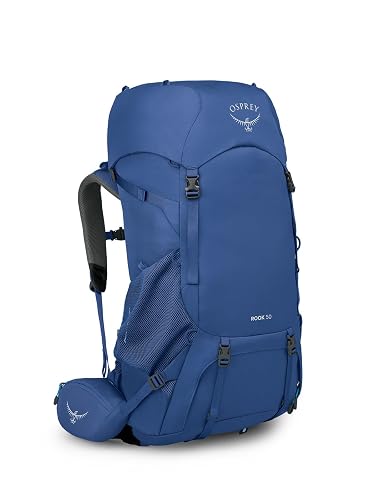
Osprey Rook 50L Men’s Backpacking Backpack
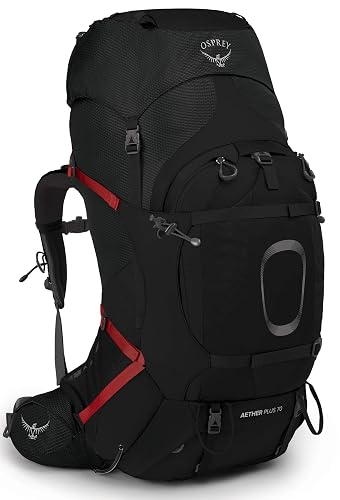
Osprey Aether Plus 70L Men’s Backpacking Backpack
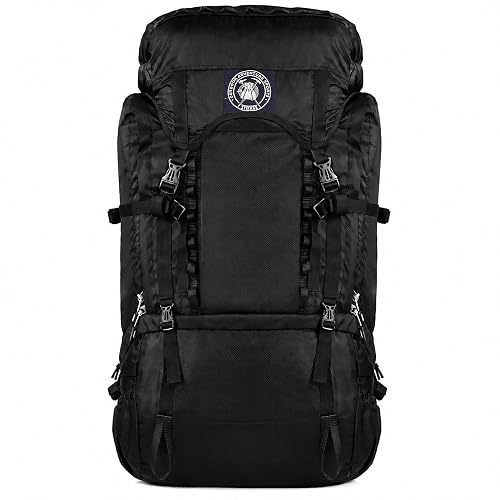
Stikage SuperSonik 72L Internal Frame Hiking Backpack
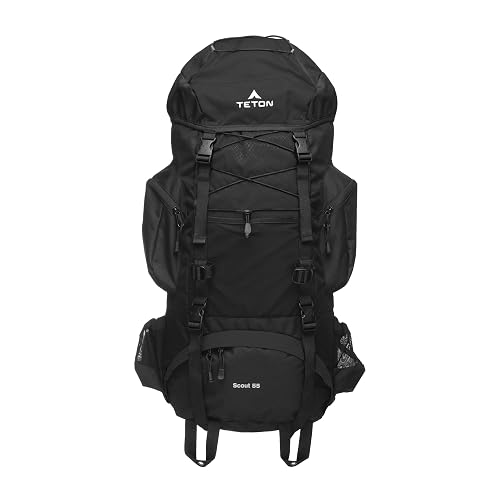
TETON Sports Scout 55L Internal Frame Backpack
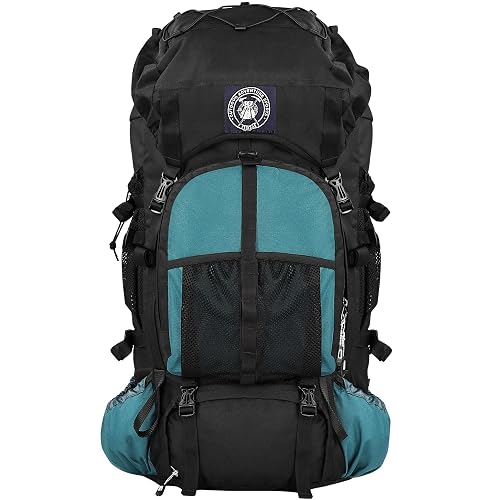
Stikage Expedition 80L Internal Frame Hiking Backpack
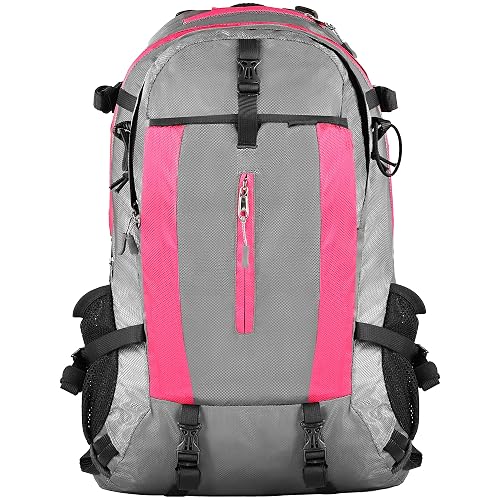
Stikage Nomad 30L Lightweight Carry-On Hiking Backpack
Meet The Standout Selections
The 58-liter sweet spot suits most three-season backcountry plans, and Stikage built this pack around a curved internal frame (a hidden structural rod system that transfers weight to your hips) reinforced by twin aluminum rods. That frame gives the bag its shape when loaded and keeps weight close to your center of gravity, which matters more than capacity when the trail turns steep.
An adjustable back panel lets you tune torso length, so the pack sits on your hips rather than your shoulders. For weekend trips in the Appalachians or moderate Sierra crossings, the volume is enough for a shelter, sleep system, and three days of food without forcing you to Tetris every pocket.
Why It Works Well
- Twin aluminum rods spread load across the hips, easing shoulder fatigue on long descents
- Customizable back panel adapts to a range of torso lengths, which helps when gear is shared between hiking partners
- 58L capacity swallows a weekend’s worth of food and shelter without bulging the seams
- Water-resistant shell shrugs off light rain during quick stream crossings
Things To Consider
- No integrated rain cover is listed, so adding one is worth budgeting for in wet climates
- Owners commonly report the hip belt padding feeling modest on loads approaching 35 pounds
Whose Trail It Belongs On
Weekend and multi-day backpackers who carry a balanced load and want one pack that flexes between short trips and longer objectives.
Look Elsewhere When
You need a true weeklong hauler with refined load-hauling details, in which case the Osprey Aether Plus 70L is a stronger fit.
Where the Stikage Expedition targets extended miles, the N NEVO RHINO 35L leans into lighter and faster days. The shell uses ripstop polyester and nylon (woven fabrics with reinforcement threads that resist tearing once a small puncture starts), with bar-tack reinforcement at stress points so the seams hold when you throw the bag under a bus or over a fence.
A built-in rain cover pouch at the bottom means you always have wet-weather protection without needing to remember a separate stuff sack. You may find the 35L size too tight for a real overnight, but for summit pushes, hostel-to-hostel travel, and quick overnighters, the lighter carry pays off on every climb.
Strong Points
- Ripstop blend resists abrasion from rough rock and airline handling
- Integrated rain cover deploys fast when afternoon weather rolls in
- Compact capacity encourages packing discipline for fast-and-light trips
- Bar-tacked stress points extend the bag’s life under heavy shoulder loading
Worth Noting
- 35L won’t fit a standard tent plus multi-day food supply for most hikers
- Lacks the adjustability of larger packs, so fit is less customizable for shared use
Right Fit For
Travelers and day hikers who need a rugged, weather-ready pack that doubles as carry-on luggage for flights.
Consider Something Else When
You want a single pack for both weekend overnights and travel, in which case the Stikage Nomad 30L offers more organized compartments for electronics.
The Rook 50 is Osprey’s entry into real backpacking, and it shows in the details that matter to first-timers. A new injection-molded ladder lock torso adjustment (a ratcheting strap system that lets you slide the harness up or down) dials in fit without the trial-and-error that usually derails a new hiker’s first weekend.
An integrated rain cover lives in its own pocket, so wet weather never catches you off-guard mid-route. Compared to the larger Aether Plus 70L later in this list, the Rook is the calmer, more forgiving option for anyone still learning how to pack efficiently.
Good Reasons To Consider
- Ladder-lock torso system adjusts quickly when gear is shared between trip partners
- Built-in rain cover saves the cost and hassle of buying one separately
- 50L is the comfortable middle for two-to-three-night trips with room for error in packing
- AirSpeed-style suspension keeps airflow moving across your back on warm climbs
Minor Gripes
- Lighter frame than the Aether Plus, so it can feel less stable once loads exceed 35 pounds
- Simpler hip belt lacks the molded contour that long-distance hikers eventually want
Who Should Grab It
First-time backpackers and casual hikers who want a forgiving fit system without a steep learning curve.
Skip It When
You’re planning serious elevation or full-week carries, in which case the Osprey Aether Plus 70L handles heavy loads with more confidence.
The Aether Plus 70 exists for trips where ounces don’t matter as much as carrying capacity. Its Custom Fit-on-the-Fly hipbelt and shoulder straps let you dial the harness while wearing the pack, which sounds small but solves the universal “everything is dialed except this one strap” problem at the trailhead.
A removable top lid converts into a DayLid daypack for side trips from base camp, freeing you from repacking into a separate summit bag. The honest read is that this pack is overkill for casual weekends, but for a gear-intensive weeklong route or a winter expedition, the structure pays for itself in sore-back prevention.
What Pays Off
- Custom Fit-on-the-Fly adjustments let you tune the harness mid-trip without unloading
- Removable DayLid converts into a standalone pack for side excursions
- Stow-on-the-Go trekking pole attachment saves time at stream crossings
- Included rain cover deploys from a dedicated pocket for fast weather response
- Stable carry keeps heavy loads balanced over long travel days
Points To Keep In Mind
- 70L is too much volume for short trips, leading to overpacking if you’re not disciplined
- Heavier than mid-size packs even empty, so it’s not ideal for ultralight philosophies
- Premium build comes at a higher price tier than entry-level options
Best Suited To
Experienced backpackers tackling weeklong routes, winter conditions, or trips that demand heavy or bulky gear like bear canisters and climbing equipment.
A Better Fit Elsewhere
You want serious volume without Osprey’s price tag, in which case the Stikage SuperSonik 72L offers comparable capacity at a lower tier.
The SuperSonik 72L shares Stikage’s curved aluminum-reinforced frame but pushes volume into expedition territory. For multi-day treks where you carry group gear, cooking equipment, or a four-season shelter, the extra liters solve real packing problems rather than just adding space you’ll struggle to fill.
A multi-position adjustable torso and shoulder harness let you shape the fit around layers added in cold weather. Compared to the 80L Expedition later in this list, the SuperSonik is the more disciplined choice for solo backpackers who occasionally go long.
Real Benefits
- 72L capacity fits winter gear, group equipment, or longer food carries without external strapping
- Twin aluminum rods maintain frame shape under loads up to and beyond 40 pounds
- Adjustable torso accommodates layering changes from summer to shoulder-season trips
- Lightweight internal frame keeps the empty pack weight manageable for its size class
Honest Caveats
- Larger packs commonly bow outward at the top when stuffed full, making the bag taller than expected
- Less brand heritage than Osprey, so long-term durability under years of use is less documented
Who Will Love This
Solo backpackers tackling shoulder-season or winter routes that demand the extra room for bulky insulation and safety gear.
Reach For A Different Pick When
You want proven long-term durability from a more established brand, in which case the Osprey Aether Plus 70L has a stronger track record.
TETON designed the Scout 55L with a 3/4-length internal frame that fits shorter torsos, an underserved segment of the market. Most packs assume an adult-average back length, leaving smaller hikers carrying bags that ride up onto their shoulders. The Scout’s adjustable torso panel and straps address that mismatch directly.
An integrated rain cover is included, so wet weather protection isn’t an upgrade decision. The bag’s fabric is the workmanlike choice for parents introducing teens to backpacking, given the lower price of replacement after a rough first season.
Where It Helps
- 3/4 frame and shorter torso fit eliminate shoulder-riding for hikers under 5’6″
- Included rain cover handles surprise weather without a separate purchase
- Adjustable torso and straps grow with younger users as they move into adult sizing
- 55L is the right size for introducing teens to multi-day trips without overpacking
Softer Spots
- Hip belt and shoulder padding are less contoured than premium packs, showing wear sooner on heavy loads
- 3/4 frame transfers slightly less weight to hips than full-length frames, which matters on heavier carries
Who It Suits Best
Shorter hikers, teens, and smaller-framed adults who struggle to find packs that fit without modification.
Swap It Out When
You want one pack that handles both shorter and taller hikers equally, in which case the Stikage Expedition 58L has a broader adjustable torso range.
The Expedition 80L is the largest pack in this roundup, and Stikage built it for trips where the gear list reads like a small moving van. Long hunting expeditions, base camp hauls for climbing objectives, and group food carries all benefit from the volume, which fits bulky cold-weather sleeping pads and extra fuel canisters without forcing creative compression.
The same twin aluminum rod frame system that anchors the smaller Stikage packs scales up here, which keeps the load closer to your center of gravity than you might expect from a pack this size. For most weekend hikers, this is overkill, but for expedition-minded users, the room is the point.
The Helpful Details
- 80L absorbs multi-person cooking gear, tents, and bulk winter sleep systems without external lash-ons
- Twin aluminum rods keep the frame stable under loads that would buckle lesser packs
- Adjustable torso system scales from standard to larger body sizes
- Reinforced bottom panel handles repeated setup and takedown on rocky ground
Less Ideal Details
- Empty weight is substantial, so it’s punishing on fast-and-light objectives
- Large packs commonly need airline check-in for travel, ruling out carry-on convenience
Made For
Expedition leaders, winter hunters, and group-trip organizers who carry shelter, food, and fuel for multiple people on long routes.
Where Another Pick Suits Better
You want expedition volume in a more proven brand, in which case the Osprey Aether Plus 70L is a more conservative expedition choice with extensive field history.
The Nomad 30L is a trail-to-travel hybrid, sized to qualify as carry-on luggage while still featuring an internal frame with twin aluminum rods. That frame is rare in sub-35L packs, where most makers skip structural support to save weight, but Stikage included it so the bag doesn’t sag when you load a laptop and a day’s worth of hiking gear.
A padded laptop sleeve doubles as a hydration bladder pocket, which is a thoughtful piece of cross-functional design. For commuters who take evening trail runs or remote workers who travel and hike on the same trips, the Nomad collapses two bags into one without forcing compromises on either side.
Benefits That Matter
- Carry-on compliant dimensions skip checked-bag fees on most airlines
- Internal frame is unusual at this size, giving the bag structure other daypacks lack
- Dual-purpose laptop/hydration sleeve simplifies packing for travel and trail days
- Lightweight construction keeps the empty pack under most airlines’ carry-on weight thresholds
A Few Limitations
- 30L is too small for any overnight camping, so it’s a day-use pack only
- No listed rain cover, so adding one is worth doing for wet commutes or summit pushes
Perfect Match For
Remote workers, commuters, and travelers who want one pack that handles a laptop on a plane and a quick summit the same afternoon.
Not Your Match When
You need an overnight-capable bag, in which case the N NEVO RHINO 35L adds camping capacity with a built-in rain cover.
What Matters Most Before Choosing Backpacking Backpacks
Capacity Comes From Trip Length, Not Aspirations
Capacity is the easiest number to chase and the easiest one to regret. A 70-liter pack tempts you to fill it, and once you do, your knees regret every extra pound. For weekend trips in mild weather, 45 to 55 liters handles a tent, sleep system, and food without forcing you to compress everything into a brick. Weeklong routes in shoulder seasons usually justify 60 to 70 liters, especially when you add a bear canister or four-season gear. Anything past 75 liters is expedition territory, and most hikers never need it.
Torso Fit Beats Volume Every Time
A pack that’s five liters too small but fits your torso will outperform a perfectly sized pack that rides up onto your shoulders. Measure your torso length (the distance from the C7 vertebra at the base of your neck to the top of your hips) and match it against the pack’s adjustable range before you look at liters. The hip belt should sit on your iliac crest, not slide down onto your waist, because that’s where the load actually transfers.
Frame and Suspension Carry the Load, Not the Fabric
The frame and suspension system, meaning the internal stays, harness, and hip belt, determine how a 40-pound load feels on your body. Twin aluminum stays and a contoured hip belt make heavy loads feel like 25 pounds. Lighter frames work fine for sub-25-pound carries, but anything heavier exposes their limits quickly. This is also where you see the biggest jump in quality between entry-level and premium packs.
Features That Earn Their Weight
Rain covers, hydration sleeves, hip belt pockets, and trekking pole attachments sound like extras until you actually use them. Integrated rain covers save a purchase and deploy faster than stuff sacks in a cloudburst. Hip belt pockets keep your phone and snacks accessible without taking the pack off. Look for these touches on the packs themselves rather than planning aftermarket add-ons, because integrated features tend to fit better and last longer than bolt-ons.
Key Considerations Across These Picks
Where Shoppers Go Wrong
The most common mistake is buying for capacity you don’t need. A 70-liter pack on a weekend trip becomes a 35-pound monster because you’ve filled the empty space. Another misstep is skipping torso measurement and trusting shoulder strap comfort alone; shoulder comfort matters, but the hip belt does the real lifting. Finally, ignoring weather realities leaves you adding a rain cover later that doesn’t fit the pack’s seams, or worse, finding out your “water-resistant” shell is more “rain-tolerant for ten minutes.”
What The Higher Tier Buys
Stepping up to premium packs buys three things most entry-level packs can’t deliver: better frame geometry, refined hip belt shaping, and longer material lifespan. A well-engineered hip belt on a premium pack spreads pressure across a wider area, which is the difference between finishing day three tired and finishing day three sore. Premium fabrics and bar-tack stitching extend the usable life from a few seasons to a decade, which matters if you hike often. You pay for it upfront, but the cost-per-trip drops fast for anyone logging real miles.