
A wet trail turns miserable fast when your jacket soaks through, weighs three pounds, or takes up half your pack. Backpacking rain jackets need to balance three things most outdoor gear ignores: low weight, real waterproofing, and enough durability to survive branches and granite scrapes. This shortlist lines up six options that handle the rain without bogging you down.
The Shortlist At A Glance
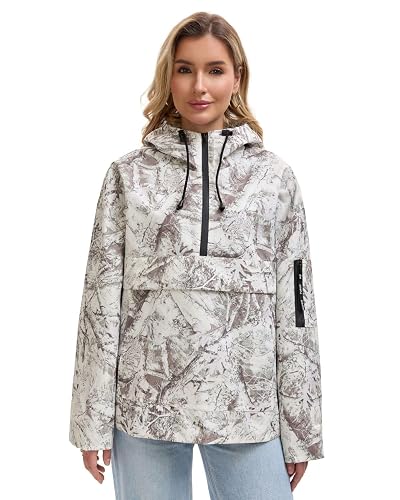
PUFFIT Rain Jacket Women Lightweight Anorak Pullover
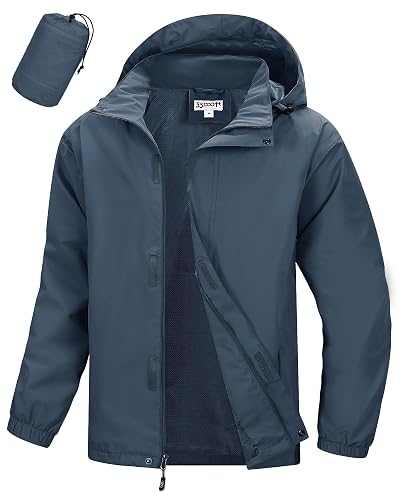
33,000ft Men’s Waterproof Rain Jacket Packable
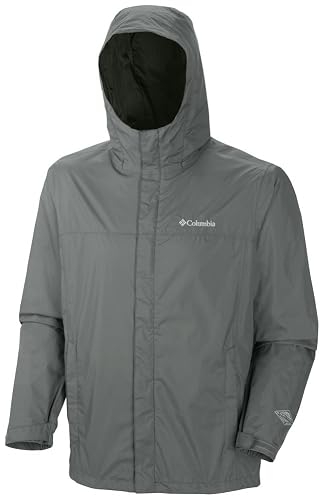
Columbia Men’s Watertight II Rain Jacket
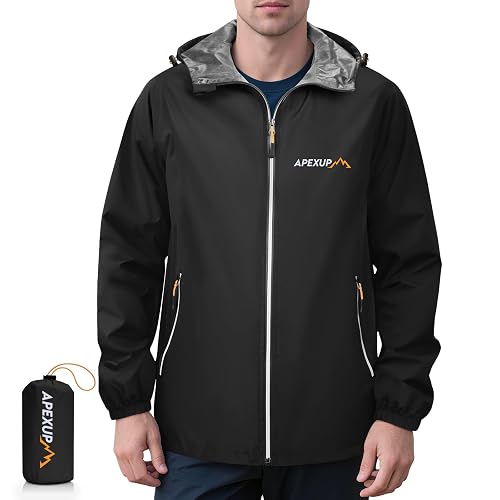
APEXUP Packable Rain Jacket Men Waterproof
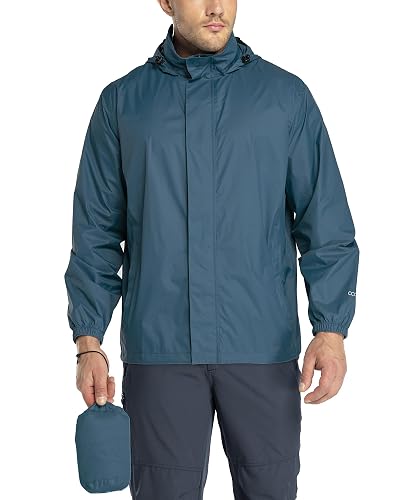
33,000ft Men’s Packable Golf Rain Jacket
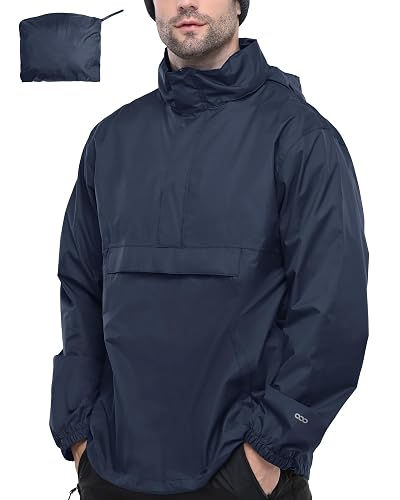
33,000ft Men’s Pullover Rain Jacket Waterproof
More Details On Our Top Picks
An anorak pullover style sets this jacket apart from the full-zip shells elsewhere on the list. The half-zip pullover layout removes a common weak point in rain shells, since zippers often leak first under sustained rain.
Casual hikers packing for a weekend in mild weather will appreciate the relaxed cut. The water-resistant fabric handles drizzle and brief showers well, though it won’t keep you dry through a multi-hour downpour. For backpackers tackling serious rain, a fully waterproof option like the Columbia Watertight II covered later is a safer match.
Where It Helps
- Anorak pullover design eliminates a full-length zipper, which reduces one of the most common leak points in rain shells.
- Lightweight construction keeps the jacket from weighing down a daypack on short trips.
- Casual styling works well for travel situations where you want one jacket for town and trail.
- Hooded construction covers the head during unexpected drizzle without needing a separate rain hat.
Worth Noting
- Water-resistant fabric handles light rain well but isn’t fully waterproof, so extended downpours will eventually soak through.
- Pullover design makes layering over a heavy mid-layer harder than a front-zip jacket.
- Durability on abrasive rock and branches varies, which can matter for backpackers bushwhacking off-trail.
Made For
Day hikers, travelers, and backpackers tackling mild climates where rain tends to be short and intermittent.
Swap It Out When
You need true multi-hour waterproofing, in which case the Columbia Men’s Watertight II Rain Jacket handles sustained rain far more reliably.
Packable rain shells earn their keep by disappearing into a corner of your pack until the sky opens up. The 33,000ft packable shell follows that same playbook, folding down small enough to live in a hip belt pocket for the rest of your hike.
Where it differs from the PUFFIT anorak is in its full-zip waterproof construction, which makes it a more reliable choice when real weather shows up. Backpackers logging serious trail miles in shoulder seasons will find the trade-off worth it.
The Case For It
- Packable design compresses into a small bundle, freeing space in a backpack or daypack.
- Waterproof build handles extended rain rather than just drizzle.
- Hooded construction keeps your head and neck dry during sustained showers.
- Lightweight shell reduces fatigue on long days when the jacket stays on for hours.
Trade Offs
- Packable shells tend to use thinner face fabrics, which wear out faster against rocks and branches than heavier non-packable models.
- Ventilation runs minimal, so you may end up clammy on humid days with the jacket sealed up.
Feature Snapshot
Right Fit For
Multi-day backpackers and thru-hikers who want a reliable waterproof layer that doesn’t bulk up their pack.
Consider Something Else When
You need premium breathability for high-output activities, in which case the Columbia Men’s Watertight II Rain Jacket is a stronger match.
Wet weather is where most budget shells fall apart, and the Columbia Watertight II tackles that head-on. The waterproof-breathable fabric paired with full seam sealing (taped seams across every stitch) keeps moisture from sneaking through the needle holes that cheaper jackets leave open.
Backpackers planning long trips through rainy regions will value the mesh lining, which keeps the jacket from feeling clammy against a base layer. It costs more than the 33,000ft options earlier in this list, but the upgrade shows up the moment weather gets serious.
What Makes Sense
- Fully seam-sealed construction blocks water at the stitch points where most budget shells fail first.
- Waterproof-breathable fabric balances rain protection with internal moisture venting.
- Fine mesh lining adds comfort against the skin and helps wick sweat away.
- Multiple color options make it easier to coordinate with other layers in your pack.
- Lightweight build works as a stand-alone shell or as an emergency layer in the bottom of a pack.
Honest Caveats
- It carries a higher cost than most packable shells on this list, which can matter for backpackers on tight gear budgets.
- Breathability helps but won’t replace a dedicated ventilated shell for aerobic pursuits.
Best Suited To
Backpackers, day hikers, and weekend travelers heading into wet climates where sustained rain is the norm rather than the exception.
Skip It When
You mainly want a casual layer for travel and light drizzle, in which case the PUFFIT Rain Jacket Women Lightweight Anorak Pullover offers a more relaxed fit at a lower cost.
First-time backpackers often want a rain jacket that handles weather without burning through their gear budget. The APEXUP packable shell sits squarely in that lane, offering a waterproof build with an attached hood at an entry-level price.
It doesn’t have the seam-sealed upgrade of the Columbia Watertight II covered above, but for shorter trips and milder forecasts it gets the job done. You may find the lighter fabric feels thin compared to premium shells, which is a fair trade at this price point.
Where It Delivers
- Attached hood adds rain coverage without needing a separate cap or hat.
- Waterproof construction handles showers better than water-resistant shells like the PUFFIT anorak.
- Packable design stows away cleanly when the sky clears up.
Points To Note
- Construction details and seam treatment aren’t specified, so performance in multi-hour rain is less certain than seam-sealed options.
- Thinner shell fabric tends to feel less substantial than premium jackets.
- Lacks the breathable lining found on more expensive shells, which can lead to condensation buildup during active use.
Who Should Grab It
First-time backpackers and budget-conscious shoppers who want a functional waterproof layer for short trips and unpredictable forecasts.
A Better Fit Elsewhere
You plan to hike in consistently wet climates for hours at a time, in which case the Columbia Men’s Watertight II Rain Jacket is a more dependable choice.
Despite the golf-leaning name, the 33,000ft packable rain jacket works just as well on a quick day hike as it does on the back nine. The lightweight waterproof build focuses on portability and quick coverage rather than trail-ready toughness.
Compared to the Columbia Watertight II covered earlier, this jacket leans lighter and less feature-heavy. Depending on your route, that tradeoff can work in your favor when every ounce matters.
Features That Help
- Waterproof construction handles rain well enough for short to mid-length outdoor sessions.
- Lightweight shell keeps the jacket from becoming a burden when stuffed into a golf bag or backpack.
- Packable build makes it easy to deploy the moment the forecast shifts.
- Price point sits well below premium rain shells.
Softer Spots
- Golf-oriented cut may feel longer in the torso than typical backpackers prefer.
- Lacks the seam-sealed upgrade of premium shells, so extended downpours are less forgiving.
- Thin fabric typically requires more delicate handling to avoid abrasion damage.
Perfect Match For
Golfers, day hikers, and casual backpackers who need a grab-and-go waterproof layer without paying premium prices.
Reach For A Different Pick When
You want a shell that handles prolonged rain reliably, in which case the Columbia Men’s Watertight II Rain Jacket is a smarter upgrade.
Pull-on rain shells simplify getting ready when weather rolls in fast. The 33,000ft pullover carries that minimalist philosophy: a hooded, packable waterproof that slips on quickly and stows just as easily.
Unlike the PUFFIT anorak earlier in this list, this one is described as waterproof rather than water-resistant. Backpackers packing tight kits will appreciate how little room it takes up in a pack once compressed.
What It Does Well
- Pullover hooded design deploys quickly when rain arrives without warning.
- Waterproof rating tops the water-resistant anorak from earlier in this list.
- Packable construction works well for minimalist backpackers and ultralight setups.
Possible Compromises
- Pullover layout limits ventilation compared to full-zip shells.
- Waterproof performance in heavy sustained rain varies and isn’t paired with the seam-sealed upgrade of premium options.
- Packable build generally uses lighter face fabric that wears faster against rough terrain.
Whose Shelf It Belongs On
Minimalist backpackers, fast-packers, and weekend campers who want a simple waterproof layer without bulk.
Look Elsewhere When
You regularly hike in heavy multi-hour rain, in which case the Columbia Men’s Watertight II Rain Jacket offers stronger long-term waterproofing.
Choosing The Right Shell For Your Trip
Waterproofing Versus Water Resistance
The single most common point of failure in a rain jacket is the seam. Water-resistant shells handle drizzle and brief showers, while waterproof shells with taped seams block water for hours. Backpackers expecting more than an occasional sprinkle should treat true waterproofing as a baseline, not an upgrade.
Weight And Packability Tradeoffs
Packable shells compress into pockets and stow easily, which makes them popular with thru-hikers and fast-packers. The tradeoff shows up in face fabric weight, since lighter materials abrade faster against rocks and branches. Heavier shells last longer but eat into pack space.
Breathability And Active Comfort
Rain protection that traps sweat creates its own misery on the trail. Breathable membranes (thin layers that let water vapor escape while blocking liquid) and mesh linings help manage internal moisture during active use. Backpackers logging high-output miles in humid weather benefit most from this feature.
Hood Design And Fit
A hood that adjusts to a head or helmet is the difference between staying dry and getting soaked at the hairline. Coverage matters more than bells and whistles, especially when wind drives rain sideways on exposed ridgelines.
Things Worth Knowing Before You Buy
Common Shopping Slip Ups
A frequent mistake is assuming any jacket labeled “rain” is fully waterproof. Terms like water-resistant and waterproof mean different things, and the cheaper shells often lean toward water-resistant. You may find the jacket performs fine for travel but fails on a wet trail. Another trap is ignoring fit over base layers, which forces you to size up later and lose the weather seal at the cuffs and hem.
When Paying More Pays Off
Higher-tier shells add seam sealing, breathable membranes, and tougher face fabrics. The upgrade payoff appears in two places: hours of dry comfort during extended rain, and shell lifespan over multiple seasons. Shoppers hiking regularly in wet climates notice the difference quickly. For casual day hikers in mild weather, mid-range shells like the 33,000ft packable options usually deliver enough performance.
Frequently Asked Questions
What Makes A Rain Jacket Good For Backpacking?
Backpacking rain jackets prioritize low weight, packability, and reliable waterproofing. Breathable fabric and an adjustable hood also help during sustained activity on the trail.
Are Packable Rain Jackets Durable Enough For Trails?
Packable shells use thinner face fabrics that wear faster than heavier non-packable models. Most handle normal trail use well but show abrasion sooner against rocks and branches.
What Is Seam Sealing?
Seam sealing means every stitched seam gets covered with a waterproof tape. This blocks water from seeping through the needle holes in the fabric, which is one of the most common leak points in budget rain shells.
Can A Water Resistant Jacket Work For Backpacking?
Water-resistant jackets handle light rain and brief showers, but they will eventually soak through in sustained downpour. Backpackers facing serious weather should reach for waterproof, seam-sealed shells.
How Do I Clean And Store A Rain Jacket?
Most rain shells do well with gentle machine washing using a technical wash and an extra rinse cycle. Skip fabric softeners, which clog the breathable membrane. Line drying or low-heat tumble drying helps restore the DWR (durable water repellent) coating that makes water bead up on the outer fabric.
Closing Remarks
Your best backpacking rain jacket comes down to the weather you actually hike in, not the harshest forecast you can imagine. Weekend backpackers in mild climates get plenty of use out of packable, mid-range shells. Anyone logging serious trail time through wet regions should prioritize seam-sealed waterproofing. Match the shell to your trips and the jacket will earn its spot in your pack.