
A good stuff sack quietly changes how a backpack feels. Sort your sleeping bag from your rain layers, compress a puffy jacket down to fist size, and suddenly the difference between a six-day slog and a comfortable trek is just a few ounces and a smarter packing strategy. Backpacking stuff sacks keep gear dry, organized, and easy to find when the rain starts sideways at mile four. Whether you’re a thru-hiker counting every gram or a weekend camper who just wants your kitchen kit to stop migrating, the right sack earns its place fast. These ten picks cover the realistic spread: ultralight compression sacks, dry bags for soggy conditions, rugged haulers, and mesh organizers that make camp life easier.
A Side-By-Side Look
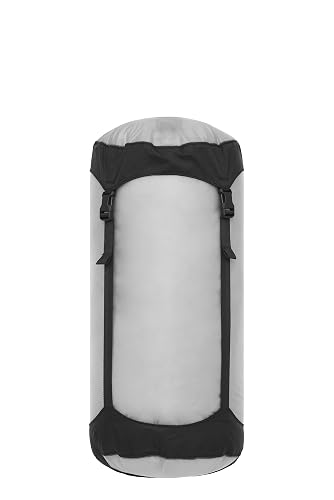
Sea to Summit Ultra-SIL Compression Sack
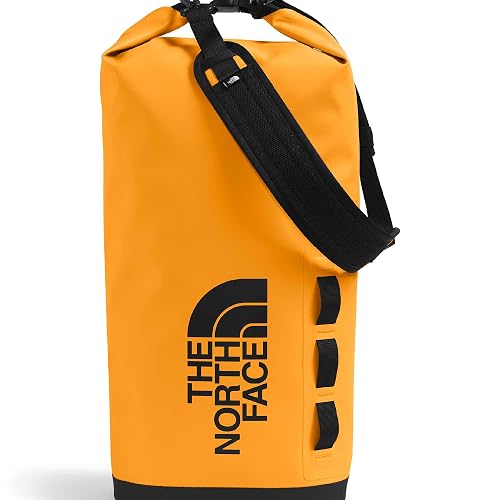
The North Face Base Camp Dry Bag 18L
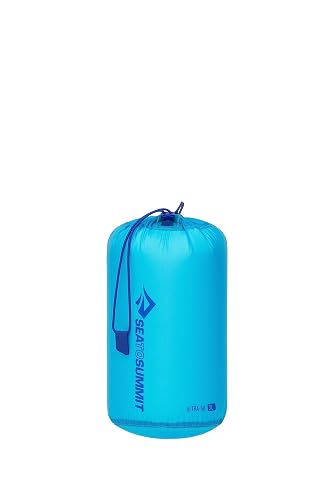
Sea to Summit Ultra-SIL Stuff Sack
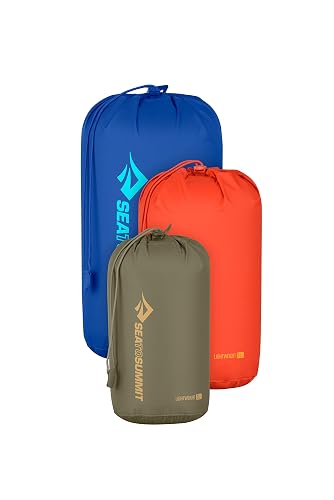
Sea to Summit Lightweight Stuff Sack Set
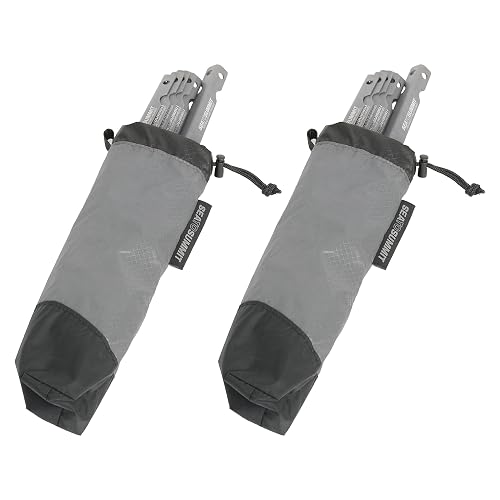
Sea to Summit Utensil/Tent Peg Stuff Sack 2-Pack
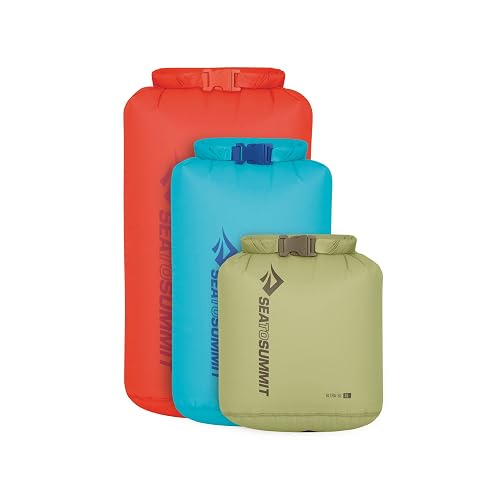
Sea to Summit Ultra-SIL Dry Bag Set (3L/5L/8L)
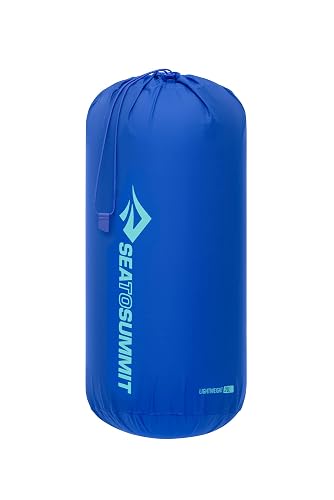
Sea to Summit Lightweight Stuff Sack
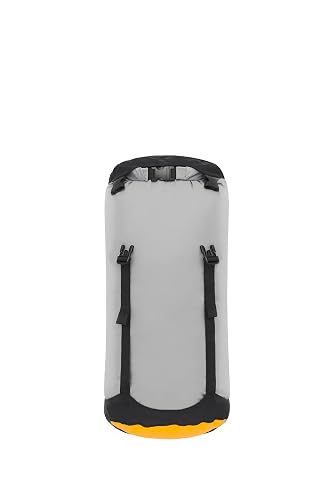
Sea to Summit eVac Compression Dry Bag
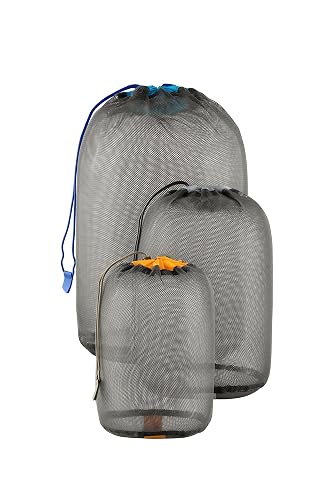
Sea to Summit Ultralight Mesh Stuff Sack 3-Piece Set
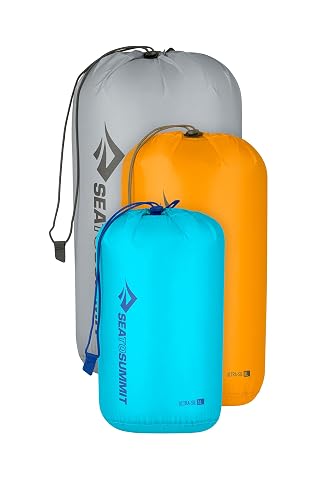
Sea to Summit Ultra-SIL Stuff Sack 3-Piece Set
Taking A Closer Look At The Options
Compression matters when your sleeping bag fills half your pack. The Ultra-SIL Compression Sack takes bulky insulation and squeezes it down to roughly a third of its loose size, which is the kind of math every gram-conscious hiker appreciates. It uses a 30D Ultra-Sil Cordura nylon (a tight-weave fabric named for its slick hand-feel) with a bluesign-approved build, and the slippery finish helps the bag slide into whatever tight corner you carved out for it.
The flip-top lid hides the straps so they don’t tangle mid-stride, and the four compression bands cinch evenly around the contents. In our view, this is the pick for thru-hikers, fastpackers, and anyone who treats their pack volume like a zero-sum game.
Practical Pluses
- Slippery 30D Ultra-Sil finish lets the bag slide into cramped pack lids and side pockets without fighting the fabric
- Compression reduces puffy jackets, sleeping bags, and fleece layers to roughly a third of their original volume
- Flip-top lid keeps the four straps from tangling when you’re stuffing or pulling the bag out in camp
- Bluesign-approved materials signal responsible sourcing for travelers who track that detail
- Light enough that you stop noticing it in your pack weight log
Things To Consider
- At 30D, the fabric leans light, so snag risk climbs around sharp crampon points or rough granite
- Compression is best on soft goods like insulation; rigid cookware doesn’t flatten much
- Water resistance comes from the DWR finish, so submerging it in a river crossing still isn’t a great plan
Who It Suits Best
Thru-hikers, fastpackers, and gram counters who need to shrink insulation volumes without piling on ounces.
Where Another Pick Suits Better
If your trips cross deep water or kayak launches, the Sea to Summit Ultra-SIL Dry Bag Set handles wet conditions more confidently.
Not every backpacking sack needs to featherweight in. The North Face Base Camp Dry Bag 18L takes the brand’s signature laminated fabric from its expedition duffels and drops it into a smaller cylindrical dry bag. The roll-top closure seals out rain, paddle splash, and dusty trail grit, while a reinforced bottom takes the abuse of being chucked onto gravel or strapped to a raft.
At 18 liters it lands in a versatile middle ground for a day’s worth of layers, electronics, or camp food. Compared to the Ultra-SIL Compression above, this one weighs more but refuses to quit when conditions turn ugly.
A Favorable Mix
- Durable Base Camp laminate shrugs off scrapes against rocks, boat hulls, and airport conveyor belts
- Roll-top closure creates a tight seal against rain, splash, and dust on dry-trail days
- Removable shoulder strap converts the bag into a quick daypack for side hikes from camp
- 18L capacity holds a complete change of layers, a meal kit, or a small electronics pouch
- Welded seams tend to outlast stitched-and-sealed competitors in soggy climates
Worth Noting
- Heavier than ultralight nylon sacks, so it’s a poor choice for thru-hikers watching every ounce
- No compression straps, so overstuffed loads stay cylinder-shaped and may not nest well
- Larger footprint than a stuff sack, eating pack space if you try to nest multiple inside
Feature Snapshot
Made For
Rugged travelers, paddlers, and base-camp regulars who haul through rain, dust, and rough handling.
Skip It When
Thru-hikers chasing sub-two-pound base weights should look at the Sea to Summit Ultra-SIL Compression Sack instead.
Once you own one of these, you’ll want a handful. The Ultra-SIL Stuff Sack is the same featherweight 30D nylon as the compression version above, just without the cinch straps, which makes it better for clothes, snacks, and small essentials you don’t need to squish. A reinforced pull handle on the base lets you yank it out of a deep pack without fumbling, and the drawcord with a Capture Cord Lock cinches shut with one tug.
Compared to its compression sibling, this is the everyday organizer. Toss in layers, a camp towel, a stove kit, and you’re done thinking about it.
The Upside
- Single-sack weight lands well under two ounces, barely registering on a kitchen scale
- Slippery finish lets stuffed sacks slide into pack lids, side pockets, and gaps between sleeping pads
- Capture Cord Lock secures the drawcord so flapping straps won’t snag mid-stride
- Reinforced base pull handle simplifies extracting the bag from a fully loaded pack
Points To Keep In Mind
- Lacks compression, so overstuffed loads stay at their loose volume
- 30D fabric snags more easily around crampons or granite than heavier denier options like the Lightweight Stuff Sack
Right Fit For
Backpackers who want a modular system of light, identical organizers without paying for compression they don’t need.
Look Elsewhere When
If you compress down sleeping bags or puffy jackets regularly, the Sea to Summit Ultra-SIL Compression Sack does that job better.
A mismatched collection of stuff sacks creates more chaos than it solves. The Lightweight Stuff Sack Set ships in multiple sizes so you can sort layers, electronics, and sleep system components into purpose-built bags. The fabric is a 70D PU-coated nylon, which sounds technical but really means tougher than the Ultra-SIL line and noticeably more weather-resistant, with a 2,000mm waterhead rating (a measure of how much water pressure the fabric resists before leaking) that handles trail rain without panic.
A tear-proof drawcord with Hypalon pull tabs (Hypalon is a tough, rubber-like material used in marine and outdoor gear) keeps the closure simple and the hardware durable. In our view, this is the set that balances weight, durability, and price better than most.
Positive Points
- 70D PU-coated nylon handles abrasion and moisture far better than ultralight 30D alternatives
- 2,000mm waterhead rating shrugs off trail rain and brief pack submersion
- Hypalon pull tabs resist tearing when you yank the bag out of a stuffed pack
- Multi-size set covers sleep systems, layers, and small items in one purchase
- PFC-free DWR finish (a water-repellent treatment without perfluorinated chemicals) for hikers who prefer environmentally friendlier coatings
Honest Caveats
- Heavier than the Ultra-SIL line, so long-distance hikers may still favor the lighter option
- Not a true dry bag, so electronics need a separate liner for stream crossings
Spec Overview
Best Suited To
Backpackers and weekend travelers who want a ready-made modular kit without mixing brands and fabric weights.
Not Your Match When
Thru-hikers obsessed with base weight should compare this set against the Sea to Summit Ultra-SIL Stuff Sack 3-Piece Set.
Tent stakes and utensils have a way of vanishing into the corners of a pack. The Utensil/Tent Peg Stuff Sack is a small, water-resistant bag built specifically for those annoying hard goods that never seem to stay put. Sold as a two-pack, you get one bag for stakes and another for cutlery, a stove tool, or whatever kitchen bits you carry.
The drawstring closure keeps contents secure but easy to grab, and the compact footprint slips into the lid of any pack without ceremony. This one won’t replace your clothing organizers, but it solves a real problem that every camper eventually meets.
Benefits That Matter
- Two-pack design splits kitchen tools from tent stakes for cleaner camp hygiene
- Water-resistant fabric keeps wet utensils from soaking other gear after washing up
- Compact footprint tucks into pack lids and outer pockets without eating internal volume
- Drawstring closure is fast to open with greasy or wet hands at camp
Less Ideal Details
- Limited size means it works for small items only, not clothes or food
- Hard-good contents can wear the bag’s interior over multi-season use
Who Should Grab It
Campers and bike-packers who want a designated home for stakes, sporks, and small tools.
Another Choice May Suit
For larger organization, the Sea to Summit Lightweight Stuff Sack Set covers clothing and sleep systems more broadly.
Wet weather doesn’t care how ultralight your pack is. The Ultra-SIL Dry Bag Set ships three sizes (3L, 5L, 8L) made from the same slippery 30D Cordura nylon as the compression sack above, but with a 2,000mm waterhead rating and taped seams (seams sealed with waterproof tape rather than just stitched) that hold up to actual submersion. The set makes sense for backpackers, kayak campers, and bike tourers who split electronics, layers, and sleep layers into distinct, weather-proofed compartments.
Compared to the heavier Lightweight Stuff Sack Set, this trio trades durability for serious water protection in a noticeably lighter package.
What It Does Well
- Taped and double-stitched seams keep contents dry through rain and brief submersion
- Three sizes give you layered protection options for electronics, layers, and food
- 30D Ultra-Sil Cordura with a slippery finish nestles tight against other dry bags in a pack
- 2,000mm waterhead rating handles serious weather, not just drizzle
Practical Considerations
- 30D fabric snags more easily around rocks and gear than the 70D Lightweight Stuff Sack line
- No compression straps, so dry bags stay at their full volume even if contents shift
Technical Highlights
Whose Shelf It Belongs On
Wet-climate backpackers, bike-packers, and paddlers who split loads into weather-protected zones.
Swap It Out When
If water isn’t your main worry, the Sea to Summit Ultra-SIL Stuff Sack 3-Piece Set offers similar organization without dry-bag pricing.
If you treat your gear roughly, the Lightweight Stuff Sack is the same 70D PU-coated nylon as the set above, just in a single-bag purchase. The 2,000mm waterhead, Hypalon pull tabs, and tear-proof drawcord all carry over, so you get the durability of the heavier line without committing to a full multi-bag kit.
Compared to the Ultra-SIL stuff sacks earlier, this one costs more weight in exchange for a noticeably tougher build. For rental fleets, guides, and shared family gear, that trade often pays off.
What Stands Out
- 70D PU-coated nylon handles years of rough stuffing and yanking better than lighter denier (denier being the fiber-thickness measurement that predicts toughness) options
- 2,000mm waterhead keeps layers dry during rain days and stream splashes
- Hypalon pull tabs resist tearing where other brands’ cord locks fail
- PFC-free DWR finish keeps rain beading without environmentally persistent coatings
A Few Limitations
- Heavier than Ultra-SIL alternatives, so weight-conscious hikers may still pick the lighter fabric
- Single bag means you’ll likely need multiple purchases to build a full kit
Built With In Mind
Guides, rental fleets, and frequent travelers who want longevity over lightness.
A Better Fit Elsewhere
Thru-hikers will find the Sea to Summit Ultra-SIL Compression Sack a smarter weight investment.
The eVac is the most ambitious bag on this list. It’s a roll-top compression dry bag with an air-permeable base, which sounds technical but means you can push air out through the bottom while rolling, and water still can’t get in. Four compression straps then lock the volume down tight. The 70D PU-coated body and 40D air-permeable base work together, and the 10,000mm waterhead rating is overkill for trail rain and exactly right for sea kayak spray.
A light-reflecting white interior makes finding small items easier at the bottom of the bag. In our view, this is the choice for serious wet-and-cold expeditions where both compression and real waterproofing matter.
Good Reasons To Consider
- Air-permeable base expels air during rolling without letting water in, so compression stays tight
- 10,000mm waterhead handles serious immersion, paddle spray, and storm conditions
- Light-reflecting white interior improves visibility of small items at the bottom
- Four compression straps distribute pressure evenly across bulky loads
Trade-Offs To Consider
- Premium pricing puts it out of reach for casual weekend use
- Valve-free design needs a bit of rolling practice to compress fully on the first try
Core Features
Who Will Love This
Sea kayakers, alpine climbers, and expedition backpackers who need both compression and real waterproofing in a single bag.
Where A Sibling Pick Shines
For dry-land backpackers, the Sea to Summit Ultra-SIL Compression Sack handles everyday compression at a friendlier cost.
Mesh has a job to do on the trail, and it’s not about waterproofing. The Ultralight Mesh Stuff Sack 3-Piece Set is built from 75D multi-filament nylon mesh (a fine-weave netting with multiple fibers twisted together for strength), so you can see what’s inside at a glance, which sounds trivial until you’re hunting for a wet base layer at 9 p.m. in a dark tent.
Mesh also breathes, so damp laundry or a wet rain shell dries instead of mildewing. The drawcord sleeve uses the same slippery 30D Ultra-Sil fabric as the rest of the line, with a Hypalon pull tab for durability.
Key Advantages
- See-through mesh lets you spot contents without opening the bag
- Breathable fabric dries damp gear instead of trapping moisture
- Three-piece set sorts dirty laundry, clean layers, and miscellaneous items separately
- Slippery Ultra-Sil sleeve keeps the drawcord running smoothly
Some Limits To Know
- Mesh offers no rain protection, so electronics need a separate dry bag
- Holes can enlarge over time if contents have sharp edges or rough shells
Perfect Match For
Campers and backpackers managing damp clothing, shared food, or layered cooking kits.
Reach For A Different Pick When
If your gear regularly gets soaked, the Sea to Summit Ultra-SIL Dry Bag Set is the wet-weather answer.
The single Ultra-SIL Stuff Sack from earlier is excellent, but most backpackers want more than one. The 3-Piece Set solves that by giving you three bags of the same slippery 30D Cordura nylon, complete with tear-proof drawcord and Hypalon pull tabs. Spread them across layers, electronics, and food, and your pack starts making sense without you having to buy mismatched brands.
Compared to the Lightweight Set, this trio trades durability for noticeably lower weight, which is the right call for fair-weather trips and lower-mileage weekends.
What Earns Its Place
- Three matching sizes give you a coordinated modular system from one purchase
- 30D Ultra-Sil Cordura is light enough that three bags barely dent your pack weight
- Slippery finish nests bags efficiently inside a fully loaded pack
- Tear-proof drawcord with Hypalon tab survives yanking better than bargain drawcords
Where It Is Less Suited
- 30D fabric snags more easily than the 70D Lightweight Stuff Sack line
- Not a true dry bag, so wet-day travelers still need a separate waterproof layer
Key Product Details
The Right Fit
Backpackers building a modular kit on a weight budget who want matching bags without buying piecemeal.
Consider Something Else When
If your trips involve submersion or paddle spray, the Sea to Summit Ultra-SIL Dry Bag Set is the better match.
What Matters Most When Choosing Backpacking Stuff Sacks
Material And Weight Trade-Offs
The first real decision is fabric weight, and it controls everything else. Lower denier numbers (the thickness of each individual fiber in the weave) mean lighter fabric, faster drying, and easier packing, but also more snag risk around crampons, granite, and rough zippers. Higher denier numbers buy abrasion resistance and longer service life at the cost of ounces. Most backpackers settle in the 30D to 70D range: 30D for ultralight trips where ounces matter, 70D for guides, rental fleets, and frequent travelers who want gear that lasts more than a season.
Water Protection Levels
Waterhead rating measures how much water pressure the fabric resists before leaking, and the difference between 2,000mm and 10,000mm is the difference between trail rain and actual immersion. DWR finishes (durable water repellent coatings that make water bead on the surface) bead rain but won’t save you in a stream crossing. Taped seams (seams sealed with waterproof tape rather than left as stitched needle holes) make the biggest difference in real wet conditions, since stitched-only seams leak through the needle holes. For wet climates, look for both taped seams and a waterhead rating above 1,500mm.
Size And Modularity
Most backpackers need three to five bags in mixed sizes rather than one oversized sack. A modular system separates sleep systems, layers, electronics, and food into distinct categories you can find without dumping your pack on the trail. Buying a matched set (like the three-piece options above) usually costs less per bag than piecing together singles and keeps the colors consistent for fast identification in low light.
Closure And Hardware Quality
Drawcord closures with cord locks fail first, so look for reinforced pull tabs in Hypalon or similar materials. Roll-top closures seal better for true dry-bag duty but don’t pack quite as neatly inside a backpack. The honest read is that cord locks with rubber or plastic pulls are the weakest link on most budget sacks, and the first thing to break on any well-loved bag.
Common Slip Ups Shoppers Run Into
Mistake #1: Chasing The Lowest Weight
Counting grams on a stuff sack can cost more than it saves. Ultralight 30D fabric snags and tears faster than 70D options, and replacing a torn bag mid-trip is heavier than carrying the slightly heavier sack from the start. Match fabric weight to your trip style: weekend fair-weather trips handle 30D fine; multi-season or rocky routes deserve 70D or heavier.
Mistake #2: Confusing DWR With Waterproof
A DWR finish sheds light rain but fails the moment a bag hits standing water. For stream crossings, paddle trips, or storm-prone routes, look for taped seams and a waterhead rating, not just a DWR-treated surface. Many “waterproof” listings in this category describe only the DWR treatment, which sets up soggy gear when conditions get serious.
Where The Extra Money Goes
Premium Features And Materials
Higher-tier stuff sacks cost more because they use air-permeable bases, taped seams, and 70D or higher fabrics with better DWR treatments. The Sea to Summit eVac is the clearest example: the air-permeable base that expels air without admitting water is a real engineering feature, and 10,000mm waterhead fabrics cost meaningfully more to manufacture than standard 2,000mm material. When your trips involve real water exposure, those upgrades earn their cost.
When The Upgrade Pays Off
For weekend backpackers in fair weather, premium tiers mostly buy lighter weight, which matters less than the marketing suggests. The upgrade pays off when your trips combine two or more of these conditions: multi-day exposure to rain, paddle or kayak launches, sharp alpine terrain, or rental fleets where longevity matters more than price per bag.
Frequently Asked Questions
What Size Stuff Sack Do I Need For A Backpacking Trip?
A modular kit of three to five bags in mixed sizes works better than one oversized sack, because separating sleep systems, layers, electronics, and food makes them faster to find on the trail.
Are Ultralight Stuff Sacks Durable Enough For Rocky Terrain?
At 30D, ultralight fabric snags more easily on granite and crampons than 70D alternatives, so thru-hikers on rugged routes often prefer the heavier denier for longer service life.
Do Stuff Sacks Replace Dry Bags?
Not quite. Stuff sacks handle organization and light rain, but dry bags with taped seams and a waterhead rating above 1,500mm are required for stream crossings and paddle spray.
How Many Stuff Sacks Should I Pack?
Most backpackers settle on three to five bags: one for the sleeping bag, one for layers, one for kitchen or electronics, and an extra or two for food or shared items.
Can Stuff Sacks Compress Clothing?
Compression-specific sacks with straps cut soft goods like sleeping bags and puffy jackets to roughly a third of their loose volume, while standard stuff sacks keep contents at full volume.
Final Verdict
The right stuff sack depends on what your trips actually demand: weight-sensitive backpackers get the most from the Ultra-SIL Compression Sack, wet-weather travelers want the Ultra-SIL Dry Bag Set or the eVac, and shared family gear earns its keep with the Lightweight Stuff Sack line. Match the bag to your conditions rather than to the lowest weight on the spec sheet, and your pack will stay organized from the first trailhead to the last campsite.