
A good daypack should disappear on your back until you need it, then organize everything exactly when you reach for a snack, a layer, or your water bottle. The seven options below cover the spread from featherlight packable sacks for travelers to a substantial commuter-friendly hauler for loaded workdays. Whatever your hike looks like, the right size, fabric, and feature mix matters more than any single spec sheet.
A Fast Comparison Of The Options
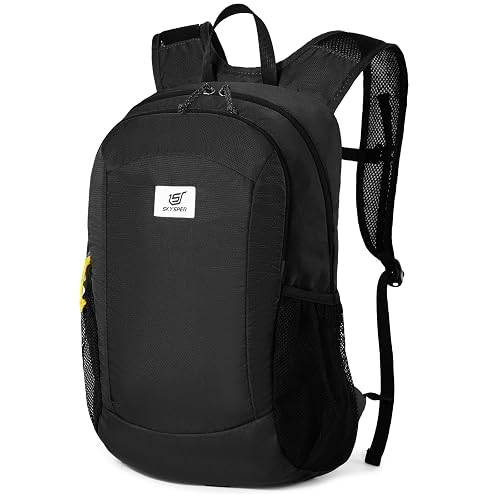
SKYSPER Hiking Backpack Ultralight Packable RFID Travel Daypack 16L

YETI Crossroads Backpack
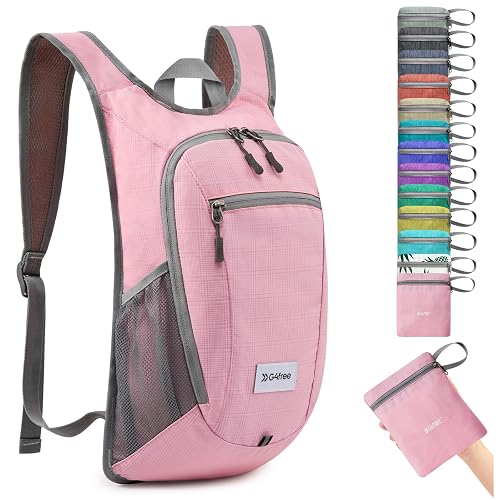
G4Free 10L/15L Hiking Backpack Lightweight Packable Daypack
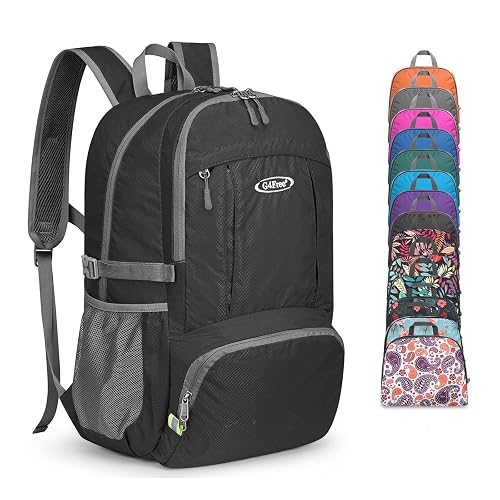
G4Free 40L Lightweight Packable Hiking Backpack Waterproof
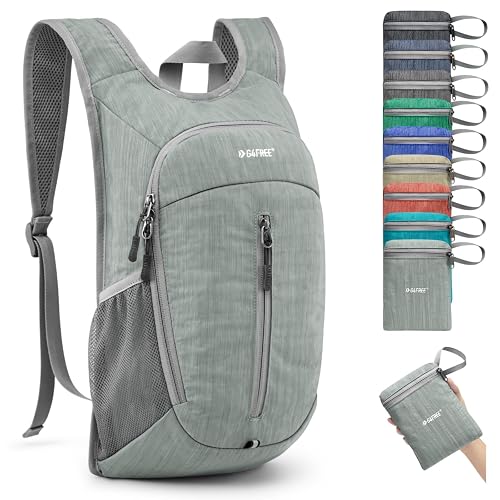
G4Free 10L Hiking Backpack Packable Foldable Shoulder Bag
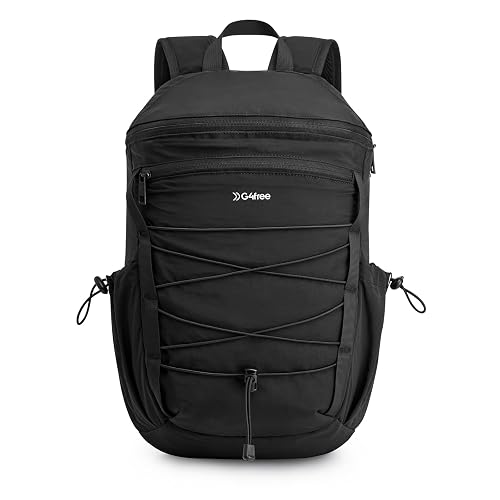
G4Free 20L Hiking Travel Backpack for Women Men

CARPDIM 10L Small Hiking Backpack Lightweight Daypack
The SKYSPER packable backpack earns its spot by handling two jobs at once: a regular 16L daypack on the trail and a pocket-sized stuff sack in your luggage. The nylon shell folds down small enough to live inside a carry-on, then unfurls into a functional pack when you land. Built-in shielded pockets block common scanner frequencies (13.56MHz and 125kHz, the bands most contactless readers operate on) so your cards and passport stay safer in crowded terminals.
Unlike the YETI Crossroads reviewed below, this pack won’t carry a full workday of gear, but for travelers mixing airports with day hikes it covers the gap well. The 16L capacity suits a layer, water bottle, snacks, and a paperback without feeling stuffed.
The Helpful Details
- RFID-shielded pocket protects cards and passports from contactless skimming
- Packs into its own pouch for easy travel and packing
- 16L capacity fits a day’s worth of essentials without bulk
- Lightweight nylon shell is easy to clean with a damp cloth
Things To Consider
- Minimal frame structure means heavy loads can feel less stable on long climbs
- Light nylon fabric may show wear faster than heavier polyester options like the G4Free 40L
Feature Snapshot
Made For
Fliers and city-to-trail commuters who want a single bag that works on a plane and on a short hike.
Where Another Pick Suits Better
Pick the G4Free 40L Lightweight Packable Hiking Backpack instead if you need serious volume for overnight or wet-weather trips.
The YETI Crossroads leans into the “one-bag” lifestyle with a clamshell opening, meaning the main compartment unzips flat like a suitcase for easy packing. At 35L it’s larger than the SKYSPER 16L by a wide margin, and the layout suits anyone hauling a laptop, a packed lunch, gym clothes, and a rain shell all in one run.
For commuters and travelers moving between office, gym, and trailhead, the structured body keeps everything organized and protected. The added coverage options for accidental damage and breakdown support sweeten the package.
What Works In Its Favor
- Clamshell opening lays flat for organized packing
- 35L handles a full workday plus extras
- Luggage pass-through panel for roller-bag stacking
- Optional damage and breakdown coverage plans available
Room For Improvement
- Heavier than packable options like the G4Free 10L
- Larger frame may feel bulky on narrow singletrack
Best Suited To
Office-to-trail commuters and one-bag travelers who pack a laptop and gear together.
Skip It When
Choose the SKYSPER Hiking Backpack if you want a featherweight pack that stuffs into a coat.
The G4Free 10L/15L packable backpack offers a clever two-size option, letting you run compact for short outings or expand when needed. The polyester shell resists light moisture and abrasion, while the SBS metal zipper (a smoother-running brand often found on mid-tier packs) holds up to daily use better than basic plastic alternatives.
Versus the smaller G4Free 10L below, this version adds a second size mode and a phone-sized front pocket. For day hikers who want flexibility without committing to a 40L hauler, the dual capacity is a useful perk.
What Helps Most
- Dual 10L/15L sizing adapts to different trip lengths
- Tear-resistant polyester handles rough trail use
- Front pocket keeps a phone or small map within reach
- SBS brand zipper glides smoothly under daily wear
Small Caveats
- No waterproof rating, so electronics need a dry bag in real rain
- Limited frame means heavier loads can pull on shoulders over time
Feature Snapshot
Right Fit For
Casual hikers who split trips between quick errands and short trails.
Look Elsewhere When
Pick the G4Free 40L Lightweight Packable Hiking Backpack if you regularly carry a wet kit or extra layers.
The G4Free 40L packable backpack earns its heavyweight spot with a fully waterproof wet pocket built into the back panel, ideal for separating a wet towel, swimsuit, or rain-soaked layers. At 40L it’s twice the size of the SKYSPER, so it handles longer days or overnight trips where you need to carry extra food or a change of clothes.
For hikers who tackle unpredictable weather or water crossings, the dedicated wet pocket is a real-world convenience. The pack still folds flat for storage, so you don’t sacrifice portability for capacity.
Useful Touches
- Waterproof wet pocket keeps dry and wet items separated
- 40L capacity handles day-plus loads comfortably
- Multiple compartments keep gear sorted
- Folds down for travel storage
Points To Keep In Mind
- Larger 40L volume can feel oversized for quick half-day walks
- Heavier than smaller 10L picks like the G4Free 10L
Feature Card
Whose Shelf It Belongs On
Long-distance day hikers and water-sport travelers who need wet/dry separation.
Consider Something Else When
Pick the YETI Crossroads Backpack if you want a structured office-to-trail commuter instead.
The G4Free 10L foldable pack inverts into its own pocket, ending up roughly the size of a small pouch at about 7.5 by 6 inches when packed. Unfolded, it expands to roughly 15.5 by 9 by 3.5 inches, which is enough for a layer, a water bottle, and a few small items.
Compared with the SKYSPER 16L, this one is even smaller and stash-friendlier, trading capacity for ultra-compact storage. It’s a smart secondary bag for anyone whose main luggage is already full.
The Case For It
- Folds to roughly 7.5 x 6 inches for jacket-pocket storage
- Unisex design works for any hiker
- 10L capacity handles short essentials
- Self-stuffing pocket eliminates a separate stuff sack
Honest Caveats
- Small capacity limits it to short outings
- Light fabric isn’t ideal for rough, multi-day adventures
Who Should Grab It
Travelers and city walkers who need a backup pack that fits inside a coat pocket.
Another Choice May Suit
Pick the G4Free 20L Hiking Travel Backpack if you want a similar lightweight feel with more room.
The G4Free 20L backpack sits in the sweet spot between the 10L packables and the 40L hauler, offering everyday versatility without committing to a large frame. The 20L volume covers a packed lunch, a laptop sleeve, a light jacket, and water, which works for office-to-trail days.
Versus the G4Free 10L/15L dual-size pack reviewed earlier, this one skips the size adjustment for a single, more traditional daypack shape. For most backyards and casual trailheads, that simplicity is a plus.
The Practical Payoff
- 20L capacity handles everyday and trail use
- Simple silhouette is easy to pack and unpack
- Lightweight build suits daily commuting
Worth Noting
- Less structured than the YETI Crossroads for heavier loads
- Limited detail visibility makes specific feature claims harder to confirm
Perfect Match For
Everyday commuters who split time between desk, errands, and short trail walks.
A Better Fit Elsewhere
Pick the YETI Crossroads Backpack if you regularly carry a laptop and need structured protection.
The CARPDIM 10L small hiking backpack rounds out the list with a no-fuss design aimed at short walks, daily commuting, and quick trips. At 10L it matches the smallest G4Free packable, but without the foldable pouch design, so it’s better as a dedicated small pack rather than a stash-away extra.
Compared with the SKYSPER 16L, this one trades capacity and RFID protection for a simpler, lighter build. For hikers who just need water and a snack, the modest size is enough.
Benefits That Matter
- Compact 10L size works for short walks and quick errands
- Lightweight construction reduces shoulder fatigue
- Unisex design fits most body sizes comfortably
Small Limitations
- Smaller volume limits what you can carry for full-day outings
- Basic feature set lacks dedicated wet/dry separation like the G4Free 40L
Quick Technical Notes
Built With In Mind
Casual walkers and commuters who want a simple, compact pack for short outings.
Reach For A Different Pick When
Pick the SKYSPER Hiking Backpack if you want a foldable pack with RFID protection for travel days.
What Matters When Picking Backpacks For Day Hike
Capacity Versus Packability
Most day hikes call for 10 to 25 liters, which fits a water bottle, snacks, an extra layer, and small essentials. Anything under 10L works better as a summit or city pack. Packability matters when the bag lives in your luggage between trips, since a stuff-sack design saves suitcase room.
Fabric and Weather Resistance
Polyester and nylon blends handle light moisture, abrasion, and trail scrapes without much fuss. For real rain or wet kit storage, look for a dedicated waterproof pocket, as found on the G4Free 40L. A water-resistant (DWR, a spray-on coating that sheds light rain) finish helps in passing showers but won’t survive a downpour without a rain cover.
Fit and Comfort Features
Padded shoulder straps, a sternum strap, and breathable back panels all reduce fatigue over miles. For loads above 10 pounds, a hip belt transfers weight off your shoulders. Match the torso length to your back height, which most adjustable straps handle for a range of body sizes.
Organization and Access
Top-loading designs feel traditional, while clamshell openings (zippers that open fully flat like a suitcase) make packing and finding items easier. Front pockets keep phones and snacks reachable, and dedicated wet/dry pockets protect electronics and dry layers from damp gear.
Key Considerations Across These Picks
Pitfalls Shoppers Hit
Plenty of hikers buy a pack that looks great online only to find it sags without a frame, or worse, they size up for capacity and end up hauling dead space. Choosing on looks rather than your usual hike length is the usual trap, and ignoring strap adjustability leads to hot spots within the first mile. Test the fit with weight, not empty, since a pack’s feel changes once you load it with water and snacks.
When Paying More Pays Off
Higher-tier packs like the YETI Crossroads bring structured frames, clamshell openings, and tougher fabrics, which matter for daily commuters and one-bag travelers. For weekend day hikers, a mid-tier packable usually delivers all the function without the cost jump. The upgrade pays off when you carry a laptop, deal with real weather, or want a bag that lasts years of daily abuse.
Frequently Asked Questions
What size backpack do I need for a day hike?
For most half-day and full-day hikes, 15 to 25 liters covers water, snacks, layers, and small essentials. Shorter walks under two hours fit comfortably in a 10L pack.
Are packable backpacks worth it for hiking?
Packable backpacks work well for travelers and hikers who need a secondary pack that stuffs into luggage. For daily dedicated use, a structured pack usually feels more comfortable under heavier loads.
How do I clean a hiking daypack?
Most nylon and polyester packs clean up well with mild soap, a soft brush, and lukewarm water. Air dry away from direct sunlight to protect fabric coatings and zippers.
Do I need a waterproof backpack for day hiking?
A waterproof pack helps if you cross streams, hike in wet climates, or carry electronics you can’t risk. A water-resistant (DWR-coated) pack handles light rain but may soak through in heavy downpours.
How important is hip support on a small daypack?
For loads under 10 pounds, a sternum strap and padded shoulders usually handle comfort fine. Heavier loads benefit from a hip belt that transfers weight off your shoulders and back.
Wrap Up
The right daypack depends on how you hike, where you travel, and how much you carry. Packable options like the SKYSPER and the G4Free 10L fold down small, the YETI Crossroads handles heavier daily loads, and the G4Free 40L solves wet-gear problems on longer days. Match the pack to your usual trip length and you’ll spend less time fiddling and more time on the path.