
A daypack earns its keep when it disappears on your back, hauls enough for the trail, and survives the weather without complaint. You want one that fits your torso, breathes through a steep climb, and stays organized when you dig for a snack mid-ascent. The shortlist below covers ultralight packables, hydration-ready mid-volumes, and a hardier commuter crossover, with notes on who each one is built for and where it falls short.
A Fast Comparison Of The Options
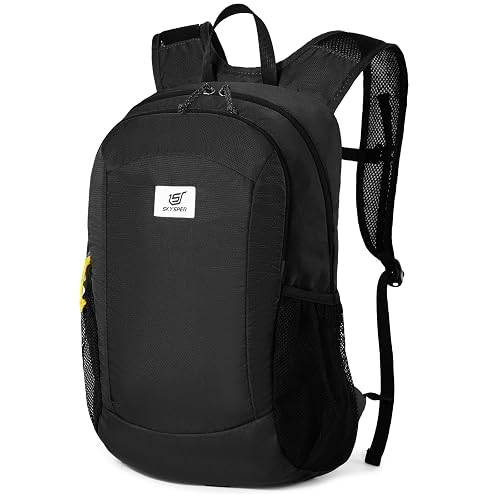
SKYSPER Hiking Backpack Ultralight Packable RFID Travel Daypack 16L
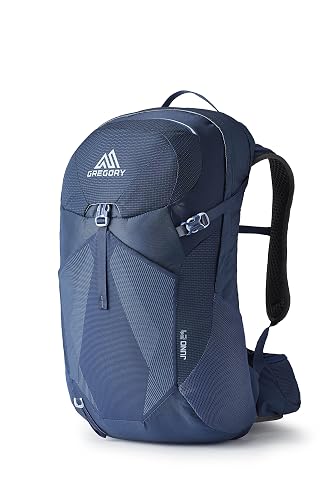
Gregory Juno 24L Women’s Hydration Backpack (Vintage Blue)
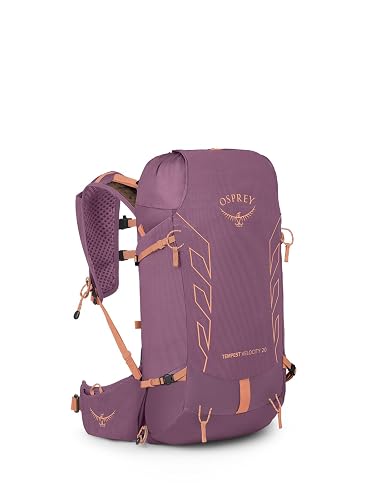
Osprey Tempest Velocity 20L Women’s Hiking Backpack (Tan)

YETI Crossroads Backpack
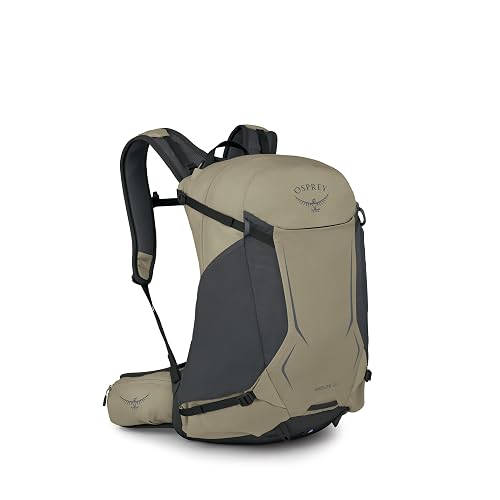
Osprey Hikelite 28L Hiking Backpack (Tan)

10L Small Hiking Backpack, Lightweight Hiking Daypack
A Closer Look At Each Pick
The SKYSPER packable daypack is the kind of bag that lives folded inside your luggage and earns its keep the moment you land. At 16 liters it swallows a water bottle, a light shell, and a paperback, then disappears into its own pocket when you’re done. Where it sets itself apart from a basic stuff sack is the RFID-blocking layer in its security pocket, which shields cards and passports from casual skimming in airports, metro stations, and crowded market squares.
For day hikers who treat trails as a side activity rather than the main event, this nylon number pulls double duty. You get a pack that handles the trail in a pinch yet slides into a carry-on without drama.
Good Reasons To Consider
- The packable design weighs almost nothing on the trail and fits inside larger luggage.
- RFID-shielded pocket adds a real-world layer of protection for cards and IDs.
- 16L capacity is plenty for water, snacks, and a thin layer on cool mornings.
- Nylon shell dries fast after a sudden shower or a stream crossing.
Things To Consider
- Thin nylon can feel fragile under sharp branches or rough granite.
- Minimal frame means loads above eight pounds start pulling on your shoulders.
Key Product Details
Who Will Love This
Light-pack travelers and travelers who want a backup daypack for short trail breaks will appreciate the dual purpose.
Swap It Out When
For full-day hikes with a reservoir and layers, the Gregory Juno 24L offers more structure and dedicated hydration storage.
The Gregory Juno 24L is built for long, hot outings where water and airflow matter more than gadget pockets. It carries an internal reservoir sleeve that keeps a hydration bladder flat against your back, freeing the rest of the pack for layers, snacks, and a camera. The breathable backpanel keeps air moving on uphill slogs, and the hip-belt pockets stay reachable without breaking stride, which most hikers learn to love on the second hour of a hike.
Unlike the featherweight SKYSPER, the Juno has structure to spare, so it handles heavier loads without sagging. It’s the most balanced pick for hikers who want one pack to cover most of their day-trip mileage.
Strong Points
- Internal reservoir sleeve supports a hydration bladder for hands-free sipping.
- Breathable backpanel keeps airflow moving on steep climbs.
- Hip-belt pockets keep a phone and snacks reachable without taking the pack off.
- 24L capacity swallows a shell, lunch, and a camera with room to spare.
Worth Noting
- Heavier than a stuff-sack pack, so it isn’t ideal as a travel backup.
- Reservoir is sold separately and adds to the total cost.
Made For
Day hikers who want a structured, ventilated pack with hydration ready for warmer climates or longer mileage.
Reach For A Different Pick When
If your hikes trend toward fast movement and minimal kit, the Osprey Tempest Velocity 20L rides lighter and closer to the body.
The Tempest Velocity 20L borrows its harness language from running vests, which shows up the moment you lean into a climb. A flexible backpanel and soft straps let the pack move with your torso instead of rocking side to side, so you can string together quick laps or short summits without feeling like you’re carrying a suitcase. The cut and sizing are tuned for smaller frames, which matters on long days where fit is half the comfort story.
Compared to the Juno, this one asks you to pack lighter and travel faster. It’s the right call when speed is the goal and you don’t need to haul a full lunch spread.
Well-Handled Touches
- Running-vest-inspired harness reduces bounce on fast, uneven terrain.
- Lightweight build keeps fatigue down over multi-hour efforts.
- Cut is proportioned for smaller torsos, dialing in fit where generic packs miss.
- 20L volume covers water, a layer, and essentials without overpacking temptation.
Small Caveats
- Less padding means heavier water loads can press on shoulders.
- Minimal external pockets limit quick-grab storage on busy trails.
Right Fit For
Fast hikers and trail runners with smaller frames who want a pack that disappears during quick, high-output outings.
A Better Fit Elsewhere
For casual day hikes where you carry a camera and a packed lunch, the Osprey Hikelite 28L offers more organization and weather protection.
The YETI Crossroads leans commuter-crossover more than ultralight trail, and that’s exactly its charm. A clamshell opening unzips flat like a suitcase, so you can pack and unpack without fishing through a top loader. The shell is the kind of tough, abrasion-resistant fabric YETI built its name on, which holds up to daily abuse whether you’re hauling it on a work trip or a rocky trailhead.
Where it differs from every trail-focused pack on this list is intent. The Crossroads is a high-capacity vault for clothes, snacks, and travel gear rather than a stripped-down daypack, so it shines in role overlap.
Notable Gains
- Clamshell fold-open layout makes packing and access cleaner than top-load designs.
- Heavy-duty fabric shrugs off scuffs from airport floors and trailhead rocks.
- Generous internal volume handles travel days and weekend trail kits.
- Rear luggage pass-through slides onto roller bag handles for easier transit.
Points To Keep In Mind
- Larger capacity adds weight you may not want on fast day hikes.
- Fewer technical trail features than dedicated hiking daypacks.
Whose Shelf It Belongs On
Commuters and hybrid travelers who split time between airports, offices, and weekend trails and want one bag that handles all three.
Where Another Pick Suits Better
For pure trail days where weight and breathability matter most, the Gregory Juno 24L is the lighter, more ventilated choice.
The Osprey Hikelite 28L is the kind of pack that quietly becomes the default. Its AirSpeed tensioned mesh backpanel (a suspended mesh layer that boosts airflow between the pack and your back) holds the load off your spine, which is the difference between finishing a hike fresh and finishing it cranky. A built-in raincover stows inside the pack, panel loading gives you full access to the main compartment, and the padded hipbelt keeps small items within reach.
Side by side with the Juno, the Hikelite leans more “classic daypack” and less “hydration-first”, which works for hikes where you carry a water bottle rather than a reservoir.
What Makes Sense
- AirSpeed mesh backpanel keeps your back cooler on warm climbs.
- Built-in raincover deploys fast when weather rolls in without notice.
- Panel-loading main compartment opens wide for easy packing.
- Padded hipbelt with pockets keeps snacks and phones close at hand.
Honest Caveats
- Hipbelt padding adds a touch of bulk for minimalists who prefer a stripped harness.
- Less structured for ultralight fast-and-light missions than the Tempest Velocity.
Feature Snapshot
Built With In Mind
Hikers who want a comfortable, weather-ready daypack with classic organization for moderate trails and shoulder seasons.
Look Elsewhere When
If your day hikes run short and light, the CARPDIM 10L saves space and weight for quick outings.
The CARPDIM 10L is the right answer for short, simple outings where you carry little more than water, a snack, and a phone. Its small footprint stays out of the way on neighborhood loops, urban strolls, and quick trail bursts, which makes it appealing for hikers who don’t want a full daypack bouncing around. The lightweight construction keeps the load honest even when you load it up.
Compared with the SKYSPER, this one prioritizes everyday utility over travel-packability. For short hikes where bigger packs feel like overkill, this is the friendly little bag to grab.
Real Benefits
- Compact 10L size suits quick hikes, commutes, and travel errands.
- Lightweight build keeps the bag from becoming the heaviest thing on your back.
- Simple layout is easy to live with and quick to pack.
Where It May Fall Short
- 10L capacity excludes extra layers, full lunches, and hydration reservoirs.
- Minimal structure may feel thin under heavier loads.
- Limited weatherproofing for serious rain without a separate cover.
Quick Facts
Best Suited To
Casual hikers, commuters, and travelers who want a compact pack for short outings and don’t need to carry much.
Not Your Match When
For longer day hikes that demand layers and water storage, the Osprey Hikelite 28L offers the volume and structure to handle a full kit.
What Matters Most Before Choosing Backpacks For Day Hikes
Capacity is the first filter. A 10 to 16 liter pack suits quick loops and travel days, while 20 to 28 liters covers a full day of layers, lunch, and water. Match volume to your longest realistic outing rather than your shortest, since a too-small pack forces you to leave essentials behind.
Fit and suspension decide whether the pack disappears or fights you. Torso length (the distance from your C7 neck vertebra to your iliac crest hip bone) drives harness size, and backpanel designs like Osprey’s AirSpeed mesh keep air moving between your back and the load. Hydration compatibility matters for warm-weather hikes, where an internal reservoir sleeve lets you sip without stopping.
Build materials affect weight, durability, and weather response. Lightweight nylon trims ounces but can feel fragile on rough terrain. Heavier shells and coated fabrics handle abrasion and weather better, though they add weight. Built-in raincovers earn their keep when forecasts turn unreliable.
Organization rounds out comfort. Hipbelt pockets, stretch side pockets, and panel-loading main compartments change how often you stop to dig for gear. Consider your routine: phone-heavy hikers want quick-grab pockets, while camera-toting users need a wide main compartment with divider space.
Key Considerations Across These Picks
Pitfalls Shoppers Hit
Choosing capacity by wishful thinking is a common trap. Bags that look roomy in photos feel cramped once you add a shell, lunch, and a reservoir. Load your real kit into the listed volume before committing. Another miss is ignoring torso fit. A pack with the right liters but wrong harness length pulls on shoulders and creates hot spots within minutes.
When Paying More Pays Off
Premium daypacks tend to spend their extra budget on backpanel suspension, hipbelt design, and abrasion-rated fabrics. Those are the parts you feel on hour three of a hike, not the parts you read about in a spec sheet. The jump from a basic commuter pack to a ventilated, trail-tuned pack is most worth it for hikers who log regular miles in warm conditions, where airflow and weight distribution quietly determine how much you enjoy the day.
Frequently Asked Questions
What size backpack do I need for a day hike?
A 20 to 28 liter pack covers most day hikes with room for water, food, a layer, and small essentials. Shorter loops and travel days work fine in 10 to 16 liters, while longer or weather-exposed hikes push toward the upper end.
Are hydration reservoirs worth adding to a daypack?
Reservoirs make sipping easier on warm, sustained climbs because you drink without breaking stride. For cooler weather or short loops, water bottles in side pockets are often simpler and faster to refill.
How do I clean a hiking daypack without damaging it?
Empty all pockets, brush off loose dirt, then hand-wash with mild soap and lukewarm water. Air-dry out of direct sunlight to protect fabric coatings and zippers.
Do I need a raincover for a day hike?
Built-in raincovers, like the one on the Osprey Hikelite, save the day when forecasts shift. Pack liners or dry bags inside the pack also work and add little weight.
Can a daypack handle occasional overnight trips?
Light overnight trips are possible in a 28 liter pack if you compress gear tightly, but most dedicated backpacking packs in the 40 to 50 liter range carry weight and frame structure far better for overnights.
Bottom Line
Match the pack to the hike you actually take most often, whether that’s a quick neighborhood loop, a full day on the trail, or a hybrid of travel and trail. The right fit, the right volume, and the right ventilation will keep your pack fading into the background where it belongs.