
Whether you’re grinding up a fire road, dancing through a festival weekend, or logging marathon training miles, staying hydrated hands-free changes the whole experience. A well-built hydration pack carries water, snacks, and the small essentials that keep you moving without stopping to dig through a tote. The right fit matters even more than bladder size, because a pack that bounces or sags quickly turns into dead weight. This roundup compares six strong options across cycling, trail running, festivals, and casual hiking so you can match the pack to your terrain.
The Shortlist At A Glance
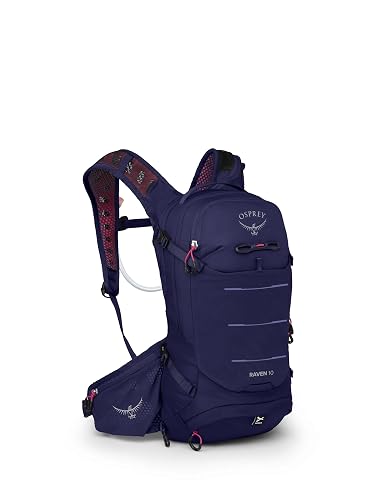
Osprey Raven 10L Women’s Mountain Biking Backpack with Hydraulics Reservoir
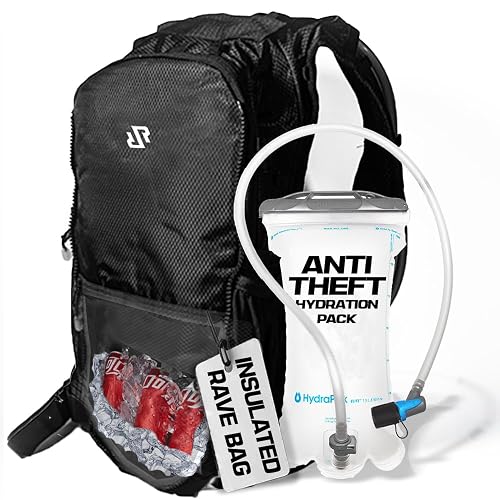
RAVERUNNER Anti-Theft Hydration Backpack with Leak-Free 2L Bladder
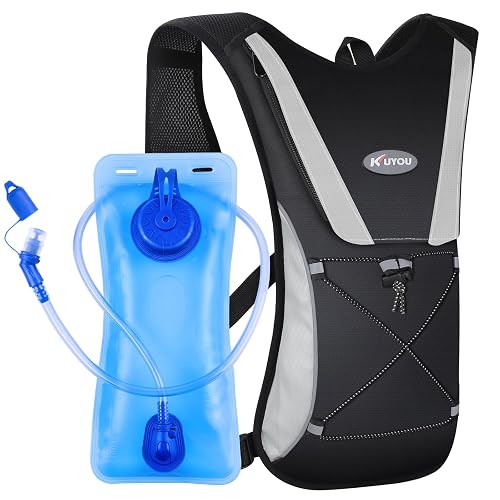
KUYOU Running Hydration Vest with 2L Bladder and Reflective Straps
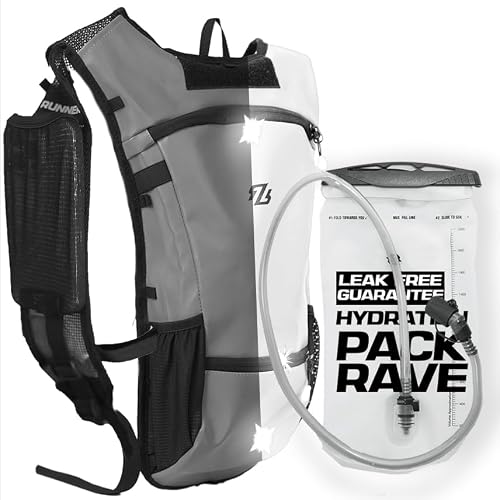
Lightweight Hydration Backpack Festival Approved Rave Pack
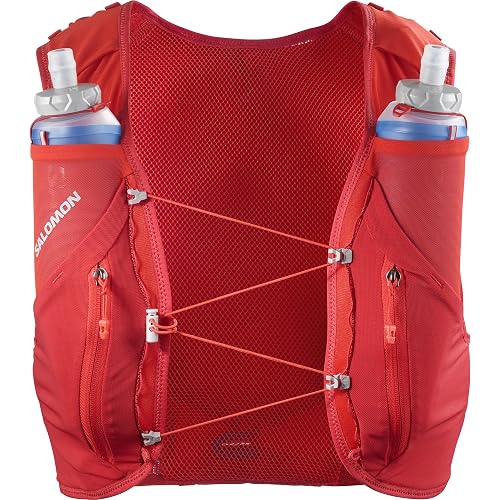
Salomon Unisex Advance Skin 12 Hydration Trail Running Vest

CamelBak Cloud Walker 18 Crux Reservoir Hiking Hydration Backpack
What Each Pick Brings To The Table
The Raven sits firmly in mountain-bike territory, where rough terrain punishes any pack that shifts mid-descent. Osprey engineered a winged shoulder harness and an airmesh wrap hipbelt (a padded waist strap with breathable mesh across the lumbar area) to lock the load against your back during drops and jumps. A 10-liter cargo bay swallows a spare tube, multitool, and a rain shell without bulging outward. For riders who treat their bike like a tool, not a decoration, that kind of purposeful capacity earns its keep on long days at the trailhead.
Inside, Osprey’s Hydraulics reservoir (a flexible water bladder with a built-in drink tube) feeds through a magnetic chest clip that snaps the bite valve out of the way when you’re not sipping. The included tool roll keeps wrenches and a chain breaker organized instead of rattling loose. Trail centers and bike parks are where this pack lives best, since the snugger profile feels secure over chunky rock gardens.
Practical Advantages
- Bike-specific winged harness keeps the load stable over rough lines, so you’re not fighting sway mid-corner.
- 10L cargo fits a full repair kit plus layers for all-day park laps.
- Internal tool roll keeps wrenches organized and quiet on the trail.
- Magnetic chest clip on the bite valve streamlines mid-ride sips without fumbling.
Things To Consider
- The women’s-specific cut may not flatter every torso, so trying it loaded is wise.
- 10L feels tight on rides where you’re carrying extra clothing or food for two.
Quick Facts
Built For Singletrack Riders
Women who log technical trail laps and want a pack that stays put when the grade steepens.
Look Elsewhere When
Festival-goers will find the CamelBak Cloud Walker 18 a more comfortable fit for all-day upright wear.
Crowded stages and pickpocket-prone crowds call for a different feature set than singletrack does. RAVERUNNER leans into that reality with concealed zippers, anti-chafe construction, and a redesigned 2-liter bladder that disconnects at the hose for quicker refills. The bite valve parks on a magnetic clip, which matters when you’re dancing with both hands free. Compared to the Osprey Raven earlier, this pack trades technical bike geometry for a flatter, more urban-friendly silhouette.
The upgraded bladder is the headline upgrade, since older versions had a reputation for slow leaks around the hose junction. RAVERUNNER added a quick-disconnect fitting so you can swap or rinse without wrestling the tube. It’s a thoughtful fix for anyone who has ever unpacked a soaked hoodie after a festival weekend.
Points In Its Favor
- Concealed anti-theft zippers deter quick-grab theft in dense crowds.
- Leak-free 2L bladder with quick-disconnect hose makes mid-event refills painless.
- Anti-chafe materials reduce shoulder irritation during long dance sets.
Trade Offs
- No structured back panel, so heavy loads can feel lumpy over hours.
- Festival aesthetic may not suit serious trail use, where ventilation matters more than concealed zippers.
- 2L reservoir runs out faster on hot days with high sweat output.
Whose Shelf It Belongs On
Ravers and concert regulars who want hydration, phone storage, and theft resistance in one low-profile bag.
Reach For A Different Pick When
Riders on bumpy terrain should look at the Osprey Raven 10L for actual bike-tuned stability.
KUYOU built this vest for runners and cyclists who don’t want to overspend on a feature that’s essentially a bag with a tube. The insulated sleeve holds a 2-liter bladder and slows heat transfer, so your water stays cooler on summer pavement loops. Two elastic shoulder pockets swallow 500ml soft flasks or gels, and a zippered rear pocket keeps a phone secure. For someone training for a first half marathon, this is a sensible entry point.
Reflective accents on the straps add visibility during low-light runs, which is genuinely useful for dawn and dusk miles. Adjustable chest and waist straps dial in fit across a range of torso sizes, though the mesh ventilation is simpler than what premium vests offer. Where the RAVERUNNER focuses on crowd safety, this one focuses on road safety, with a brighter, more athletic cut.
Benefits That Matter
- Insulated bladder sleeve keeps water cooler across long, hot runs.
- Reflective strap accents boost visibility on early-morning or evening miles.
- Adjustable chest and waist fit flatters a wide range of torso sizes.
- Two shoulder pockets fit gels, salt tabs, or a soft flask without bulging.
- Low price makes it approachable for first-time hydration shoppers.
Honest Caveats
- Mesh straps retain sweat after long efforts and need regular washing to stay odor-free.
- Minimal back-panel structure can feel thin under heavier loads.
Feature Snapshot
Made For New Runners
Road and marathon trainees who want insulated hydration and reflective safety without a premium price tag.
Swap It Out When
Long-haul ultra runners chasing elite fit should consider the Salomon Adv Skin 12 instead.
RAVERUNNER’s second entry on the list takes the opposite route from its sibling model: fewer features, lighter build, faster security lines. The single-compartment layout is designed to comply with festival bag policies, meaning you walk through the gate without arguing about which pocket counts. The ripstop nylon shell (a tightly woven fabric that resists tearing) holds up to being tossed in a tent or a car trunk. For multi-day events where every ounce matters, that’s the trade you want.
The pack still includes a 2-liter bladder for all-day hydration, but skips the concealed anti-theft zippers of the larger RAVERUNNER model. If your priority is moving fast through crowds and carrying less weight, this stripped-down version makes more sense than the more padded sibling.
Features That Help
- Festival-bag-policy compliance speeds up entry at most venues.
- Ripstop nylon shell survives being tossed in a car or tent.
- Minimal weight reduces shoulder fatigue across long event days.
- 2L bladder covers most day-long hydration needs.
Points To Keep In Mind
- No anti-theft zipper design, so valuables need extra caution in dense crowds.
- Single compartment limits organization for phones, keys, and snacks.
Best Suited To
Festival attendees who want quick security entry and minimal bulk over multi-day weekends.
Not Your Match When
Trail hikers should pivot to the CamelBak Cloud Walker 18, which offers a ventilated back panel and larger cargo room.
The Adv Skin 12 is built for the kind of trail runner who measures routes in hours, not miles. Its 12-liter cargo bay is sized for 60km+ efforts, meaning mandatory gear, nutrition, and a layer all fit without choking your stride. The vest’s updated fit system focuses on stability, so the load rides high and tight against your torso instead of swaying at your shoulders. Compared to the KUYOU vest earlier, this is a different league of engineering.
Salomon’s quick hydration access lets you grab soft flasks from the front pockets without breaking rhythm. That matters when you’re deep into a long climb and need a gel mid-stride. For most casual joggers, the price tag is steep, but for ultra-distance runners, the fit refinement is the whole point.
Noteworthy Benefits
- 12L capacity handles mandatory gear for 60km+ ultra races.
- Stability-focused fit keeps the load high and tight, reducing shoulder bounce.
- Front soft flask pockets allow quick hydration and nutrition access.
- Tuned for demanding endurance efforts where fit precision pays off.
Worth Noting
- Higher price makes it overkill for anyone training under marathon distance.
- Premium materials require careful cleaning to maintain stretch and wicking over time.
Core Details
The Right Fit For
Ultra-distance trail runners chasing a vest engineered for stability across 60km+ efforts.
A Better Fit Elsewhere When
Day hikers will find the CamelBak Cloud Walker 18 offers better ventilated comfort for upright walking.
The Cloud Walker is the most approachable pack in this lineup, built for casual day hikes, travel days, and long urban walks. Its 18-liter cargo bay holds a rain shell, lunch, snacks, and a guidebook with room left over. CamelBak’s Air Support back panel uses body-mapping (a ventilation layout tailored to where your back produces the most heat) to keep airflow moving, which matters more than you’d think on a hot summer trail. The 85oz Crux reservoir pushes a higher volume per sip than older CamelBak designs.
Side cargo pockets and compression straps organize layers without sagging, and the sustainable build materials hold up to regular use. Where the Salomon Adv Skin 12 earlier targets elite runners, this pack targets anyone who wants hydration plus storage without an athletic cut.
The Value In It
- 18L capacity fits layers, lunch, and a guidebook for full-day outings.
- Air Support ventilated back panel reduces sweat buildup on warm days.
- 85oz Crux reservoir delivers higher water flow per sip.
- Compression straps keep loads stable without sagging.
- Sustainable, durable build materials suit regular use.
Soft Spots
- Larger frame may feel bulky for runners chasing a tight vest profile.
- Wider torso fit may not suit smaller frames without strap adjustment.
Who Should Grab It
Day hikers and travelers who want hydration, ventilation, and storage in one comfortable pack.
Consider Something Else When
Festival crowds are better served by the RAVERUNNER Anti-Theft pack for crowd-specific security.
Choosing Backpacks With Water Bladder That Fit Your Activity
Start with terrain, then dial in fit. Mountain biking demands a winged harness and hipbelt that lock the load against your back, while running rewards a vest-style profile that rides high and stops bounce. Hiking calls for ventilation and cargo room, and festivals lean on concealed zippers and bag-policy compliance. The right pack for you is the one matched to the activity where you’ll spend most of its hours.
Reservoir capacity matters more than people expect. A 2-liter bladder covers most day hikes and races, but a 2.5L or larger reservoir reduces mid-route refills on hot, exposed trails. Insulation helps in summer, slowing water warming on pavement loops, though it adds bulk you may not want during a fast mountain run. Magnetic hose clips keep the bite valve accessible, which sounds minor until you’re mid-climb and fumbling for a sip.
Storage layout decides how the pack lives day to day. Front pockets matter most for runners grabbing gels mid-stride, while internal tool rolls help mountain bikers keep wrenches quiet. Compression straps stop loads from shifting when the pack is half-empty, and breathable back panels make a real difference on warm days. For most casual hikers, side cargo pockets and a zippered phone pocket cover 90% of needs.
Fit trumps specs every time. A perfectly specced pack that bounces on your shoulders wastes energy and aggravates hot spots, while a slightly smaller pack with a dialed harness disappears on the trail. Torso length, hipbelt shape, and sternum strap placement change how a pack rides more than fabric weight does. Trying a pack loaded with water before committing is the single best move you can make.
Things Worth Knowing Before You Decide
Pitfalls Shoppers Hit
The most common mistake is buying on bladder size alone. A 3-liter reservoir sounds generous until it weighs down a pack with no hipbelt to support the load. Match the reservoir to the activity, then make sure the harness can carry it. Another trap is ignoring torso fit, since chest-strap-only packs ride low and slow on long days. Festival-specific packs also vary in security compliance, so verify a venue’s bag policy before counting on fast entry.
Where The Extra Money Goes
Higher-tier packs invest in fabric, seam construction, and harness engineering that show up across hundreds of hours rather than the first weekend. Premium vests use stretch-woven fabrics that move with your body instead of fighting it, and reinforced stitching at stress points where cheaper packs fray first. For casual day hikers, a mid-tier pack covers everything well. For ultra runners logging 60km+ efforts weekly, the upgrade pays back in comfort that holds up over months.
Frequently Asked Questions
How big should the bladder be for day hiking?
A 2 to 2.5-liter reservoir covers most day hikes comfortably, leaving room for refills at trailhead water sources without weighing you down early in the route.
Can a hydration backpack go through airport security?
You must empty the bladder before screening, but the empty pack travels fine in most carry-on bags and is reusable at your destination.
How do you clean a hydration bladder?
Most manufacturers recommend warm water with a mild soap and a bladder brush, plus air-drying the interior completely to prevent mildew and odor.
Are running vests different from hiking hydration packs?
Yes, running vests use a high, tight fit to minimize bounce, while hiking packs offer more cargo room and ventilated back panels for upright walking comfort.
Do reflective straps really help?
They improve visibility during dawn and dusk runs when car headlights are the main light source, especially on roads without sidewalks.
Closing Thoughts
Your terrain, sweat rate, and storage needs should drive the choice more than brand loyalty. Match the harness to the activity, get the fit right, and the rest of the details fall into place. A hydration pack is one of the few pieces of gear that quietly changes how often you actually drink water on the move, which is the whole point.