
A long day in the field turns ugly the moment your binos flop against your chest with every step or crash into a tree branch on a draw. The right harness takes that problem off your plate, keeping your glass steady, quiet, and ready at a moment’s notice. Bowhunters covering miles of public land, rifle hunters glassing distant ridges, and whitetail fans sitting in a stand all need slightly different setups.
The list below covers nine options built around real hunting scenarios, from minimalist neoprene straps to fully enclosed chest rigs. Each pick leans on specific materials, dimensions, and use-case fit so you can match the harness to how you actually hunt.
A Snapshot Of The Selections

Vortex Archer’s Binocular Strap

Lone Trail SB1 25L Silent Hunting Backpack

Eberlestock Recon Modular Bino Pack

Muddy Outdoors Pro 1075 Hunting Backpack

Muddy Pro 500 Lumbar Pack

Lone Trail Binocular Harness Chest Pack
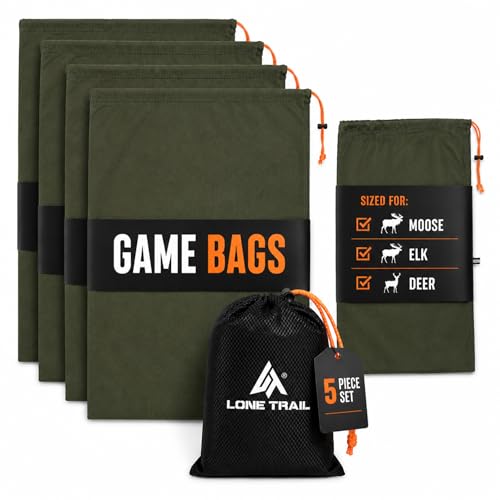
Lone Trail Elk Game Bags 5 Pack

Marsupial Enclosed Binocular Chest Pack (Blaze)

Muddy Outdoors PRO BINO Harness
Why These Options Stand Out
Bowhunters live by the draw, and any strap that crosses the bowstring side of your chest is a problem. The Vortex Archer’s Binocular Strap is built as a side-carry neoprene solution that lets your binos hang along your rib cage, completely clear of the bowstring path on a full draw. The neoprene build spreads the weight of the glass across a wider surface, which softens the neck fatigue that builds up during a long morning of still-hunting or an afternoon spent in a treestand.
The extended length of the strap is the real story here, since it allows the binoculars to drop to your side rather than riding high on your chest. You can lean over a ground blind wall, pick a route through thick cover, and shoot from kneeling without your binos smacking the riser. Hunters who carry smaller 8×42 or 10×42 bins will find the fit especially comfortable.
The Helpful Details
- Neoprene construction absorbs shock and stays comfortable against skin or base layers during cold mornings.
- Side-carry orientation keeps the bowstring path wide open for a clean draw, which most chest harnesses interrupt.
- Lightweight profile adds almost no weight to your pack, so it works well on long stalks and early-season scouting trips.
Things To Consider
- The minimal design leaves your binoculars exposed to rain, mud, and branch scrapes compared to the enclosed rigs later on this list.
- Neoprene can hold moisture against the strap during wet hunts, so owners commonly let it air-dry between trips to prevent odor buildup.
Made For
Archery hunters who refuse to compromise their draw cycle and want the lightest possible carry for spot-and-stalk or treestand sessions.
Skip It When
You carry larger 15×56 binos or need real weather protection, in which case the Marsupial Enclosed Binocular Chest Pack serves you better.
The SB1 isn’t a bino harness in the chest-rig sense, but it earns its spot on a harness list because it solves the broader carrying problem. Built around a silent brush tricot fabric with a TPU coating, the 25-liter pack cuts the crinkle and scrape that nylon packs give off when you shoulder a rifle or ease through bedding cover. For glassing-heavy western hunts, the ability to move without broadcasting your position is worth the weight of a slightly larger pack.
The padded weapon carry system handles a compound bow on one side and a scoped rifle on the other, freeing both hands for trekking poles or a rangefinder. Inside the main compartment, you have room for a layering system, food, and a bino case. Compared to the minimal Vortex strap above, this is a full mission pack that just happens to carry binos cleanly.
Reasons It Performs
- Silent brush tricot fabric with TPU coating reduces the rustle and scrape that spooks deer and elk at close range.
- Built-in bow and rifle carry keeps your primary weapon secure, leaving both hands free to glass and navigate rough terrain.
- The 25-liter volume swallows a full day of gear, including extra layers, snacks, and a spotting scope for high-country hunters.
Trade Offs
- At full volume, the pack can feel bulky on tight brush stalks, especially in thick whitetail cover where the Vortex Archer’s strap would be nearly invisible.
- You may find the lack of a dedicated bino chest pouch means your glass rides in the main compartment, adding a step to the draw.
Right Fit For
Western hunters chasing elk and mule deer on multi-day trips who want silent fabric, weapon carry, and enough volume for overnight gear.
A Better Fit Elsewhere
Whitetail hunters moving through tight timber would be happier with the Muddy Pro 500 Lumbar Pack, which keeps the load compact and out of the way.
Modularity is the whole pitch of the Recon, and it changes the way a chest harness gets used in the field. The platform starts as a clean bino carry with a magnetic forward-pull lid, an easy-access front zip pocket, and stretch side pockets for a rangefinder or calls. From there, low-profile MOLLE-compatible wings on the harness accept add-on pouches so the rig can scale from a minimalist loadout to a full chest-mounted workstation.
You won’t outgrow the Recon the way you might outgrow a fixed-capacity pack. Hunters who add a shooting bag, extra magazine pouches, or a GPS unit can clip them on without re-buying the harness. Compared to the simpler Lone Trail chest pack later on this list, the Recon leans toward a tactical mindset, so think of it as a platform rather than a single piece of gear.
The Practical Payoff
- Magnetic forward-pull lid gives you one-handed access to your binoculars without fumbling for a zipper in cold weather.
- Low-profile MOLLE wings let you expand the harness with add-on pouches as your loadout grows across the season.
- Stretch side pockets swallow a full-size rangefinder, calls, or a compact flashlight without adding bulk to the front pocket.
Honest Caveats
- The full modular setup can feel overbuilt for hunters who only need a simple bino carry, and the added pouches add weight.
- Accessory pouches are sold separately, so the final price climbs quickly once you start customizing the rig for a specific hunt.
Whose Shelf It Belongs On
Hunters who like to dial in their kit over time and want a chest harness that grows with their loadout rather than getting replaced.
Look Elsewhere When
You want a simple, weatherproof plug-and-play setup, in which case the Marsupial Enclosed Binocular Chest Pack is the cleaner choice.
The Pro 1075 sits in the sweet spot between a lumbar pack and a full frame pack, with 1075 cubic inches of storage wrapped in Mossy Oak Bottomland camo. Wide shoulder straps with integrated padding spread the load across your shoulders, and a sternum strap plus a waist belt lock the pack to your torso on climbs and long stalks. The poly brush silent fabric helps you move through dry oak and beech without broadcasting your position to wary bucks.
An expandable kangaroo pocket on the front gives you a quick-stash zone for a rain shell or a harvested bird, and the elastic side pockets handle a water bottle or a tripod. The 1075 is for hunters who carry more than a single layer and a snack, but who don’t want the bulk of a 25-liter western pack. Compared to the Eberlestock Recon above, this one prioritizes volume over modular accessory mounting.
Everyday Wins
- Wide shoulder straps with integrated padding reduce pressure points during long hikes with a full load.
- Poly brush silent fabric cuts noise against branches, leaves, and dry brush during close encounters.
- Expandable kangaroo pocket swallows bulky items like a rain jacket, beanie, or seat cushion on the go.
Worth Noting
- At full 1075 cubic-inch capacity, the pack can feel top-heavy if you overstuff the kangaroo pocket and the main compartment.
- There is no dedicated bino chest harness built into the design, so you may need to pair it with a separate harness for quick glass access.
Best Suited To
Hunters covering long distances on public land who need more volume than a lumbar pack offers but less bulk than a frame pack.
Consider Something Else When
You want glass access without juggling a separate harness, in which case pairing a chest pack like the Muddy Outdoors PRO BINO Harness is the better route.
Run-and-gun hunters don’t want to feel like they’re carrying a small tent on their hips, and the Pro 500 strips the lumbar pack down to its essentials. The 500 cubic inch (about 8 liter) main compartment fits a small layering system, snacks, and a bino case, while the zipperless lid design lets you reach in quietly without exposing the metal teeth that always seem to find a branch at the worst moment.
A two-piece adjustable waistbelt holds the pack steady, and the dual silent-zippered pockets keep small essentials like a grunt call, a wind checker, and a phone within reach. The build leans toward mobile hunters who glass, range, and move, rather than hunters setting up a long base camp. Compared to the much larger Pro 1075, the Pro 500 is a different mindset, and most of its value comes from staying out of the way.
Useful Touches
- Zipperless lid design lets you access gear without the metallic scrape that gives away your position to deer in calm conditions.
- 500 cubic inch capacity hits the sweet spot for half-day hunts where you need layers and a snack but nothing more.
- Silent-zippered belt pockets keep small gear organized and within reach during fast-paced stalks.
Points To Keep In Mind
- The compact volume leaves no room for a heavy layering system, so late-season hunters in cold climates will outgrow it fast.
- Lumbar packs sit high on the hips and can feel awkward on long climbs where a frame pack rides more naturally.
Who Will Love This
Mobile hunters who push through thick cover, set up fast, and prefer carrying only what’s essential for a half-day sit or stalk.
Swap It Out When
You need a quiet, full-sized pack for multi-day hunts, in which case the Lone Trail SB1 25L Silent Hunting Backpack is the right tool.
Rain, snow, and thorny cover are the enemies of any bino harness, and the Lone Trail chest pack is built to take that abuse. The 500D Cordura shell is a tough, water-shedding fabric that shrugs off scrapes from blackberry briars and light rain rolling off the back of your jacket. Inside, the bino cavity measures roughly 6 inches wide by 7.1 inches tall, and the rangefinder pouch adds about 4.1 by 3.1 inches of dedicated space.
Two configurations are available: the LT1 standard layout for hunters who want to keep it lean, and the LT2 for those who need extra storage for calls, wind checkers, and a compact flashlight. Compared to the Eberlestock Recon, this is a more fixed-feature pack, but the trade-off is a simpler setup that doesn’t require you to buy accessory pouches to feel complete. The Cordura fabric tends to stiffen slightly in deep cold, which can affect lid operation in late-season conditions.
Well-Handled Touches
- 500D Cordura fabric resists abrasion, rain, and dirt far better than the lighter nylon used on many chest packs.
- Two layout options (LT1 standard, LT2 extra storage) let you pick the configuration that matches your kit.
- Dedicated rangefinder pouch keeps your ranging tool locked in position so you can grab it without searching the main compartment.
A Few Limitations
- 500D Cordura is heavier than lighter nylons, and the weight shows up after a long day of wearing the harness.
- The fixed bino cavity fits most 10×42 binos, but larger 15×56 glass may not seat properly without forcing the lid closed.
Perfect Match For
Deer hunters who deal with wet, thorny conditions and want a chest rig that takes abuse without soaking through.
Another Choice May Suit
You want a quieter, lighter chest pack, in which case the Muddy Outdoors PRO BINO Harness uses a soft poly brush fabric instead.
Glass gets the deer, but clean meat gets it home, and the Lone Trail game bags are about the second half of the hunt. The 40D ripstop nylon uses an open-weave construction that promotes airflow around the quarters, which is critical for letting heat and moisture escape during a multi-day elk pack-out. Spoilage lives in trapped heat, so anything that breathes well buys you margin when the temperature climbs.
The 5-bag set covers a full quartering job, including the major muscle groups from both hindquarters, the backstraps, and a separate bag for trim. Compared to the rest of this list, the game bags aren’t a harness at all, but they share the same field philosophy: protect your gear (or your harvest) so it doesn’t fail you when conditions turn hard. For high-country elk hunters planning a horseback pack-out, this is a piece of essential equipment alongside the bino harness.
Practical Pluses
- Breathable 40D ripstop nylon keeps air moving around the meat, which is the main defense against bacterial growth in the field.
- 5-bag set covers the standard quartering layout for elk, including hindquarters, backstraps, and trim.
- Lightweight construction packs down small in the bottom of a hunting pack without taking up meaningful volume.
Potential Drawbacks
- Open-weave fabric offers almost no insulation, so bags work best in cool weather and aren’t a substitute for an ice chest on hot days.
- The 40D fabric handles abrasion from bone edges and antler tines, but rough contact during a long pack-out can still wear through seams.
Who Should Grab It
Western elk hunters who plan a multi-day pack-out and need breathable protection to keep meat clean from the kill site to the cooler.
Reach For A Different Pick When
You’re carrying binos and a full pack, in which case pairing the Lone Trail SB1 25L Silent Hunting Backpack with this bag set is the right call.
The Marsupial is the harness the rest of the category gets measured against, and the enclosed design is the reason. Tall sidewalls and overlapping wings wrap around the binos, sealing out dust, debris, and the splash from wet brush that ruins lesser harnesses. The signature magnetic lid is the single best one-handed access system on the market: a firm flap pulls away silently when you need glass, then snaps back into place when you don’t.
Available here in the Blaze colorway and a Small size, the pack also doubles as a high-visibility safety marker, which matters for hunters on public land during rifle season. You may find the magnetic closure less reliable with thick gloves on, but in most hunting conditions it stays quiet and secure. The Blaze color is a deliberate choice for safety, and the design carries over to a range of muted camo options for hunters who prefer to stay visually quiet.
A Favorable Mix
- Enclosed sidewalls with overlapping wings protect binoculars from rain, dust, and branch scrapes far better than open harnesses.
- Magnetic lid opens and closes silently with one hand, which is a real advantage when a buck appears while you’re holding a bow or trekking pole.
- Blaze colorway adds a high-visibility safety element for hunters navigating public land during rifle season.
Possible Compromises
- Premium construction shows up in the price, and it’s a noticeable step up from entry-level chest packs on this list.
- Small sizing fits compact 8×42 and 10×42 binos, but larger full-size 15×56 binoculars will require the medium or large version.
Built With In Mind
Hunters who glass often, hunt in variable weather, and want a quiet, secure way to keep their premium binoculars protected at all times.
Where Another Pick Suits Better
You want modular pouches and a tactical layout, in which case the Eberlestock Recon Modular Bino Pack gives you more room to expand.
The Muddy PRO BINO is the all-around workhorse in Muddy’s harness lineup, and it covers the needs of most whitetail hunters without overcomplicating the rig. The U-shape construction opens wide for fast bino access, and the soft poly brush fabric stays quiet when you shift position in a treestand or move around a ground blind. Inside, the cushioned soft-lined interior protects the lenses from impact, which matters on a long morning when the harness brushes against tree bark or a metal ladder.
Multiple lashing points across the harness exterior give you room to strap a small call lanyard, a T-handle, or a compact flashlight without adding a separate pouch. The padded back panel keeps the harness comfortable across a long sit, and the design comes in Mossy Oak Bottomland, Veil Canyon Grey, and Veil Canyon Hybrid. Compared to the higher-end Marsupial, this one trades magnetic closures for a simpler magnetic-free lid, which can be more reliable in extreme cold.
Features That Help
- Soft poly brush fabric reduces the scratch and rustle that gives away your position when you shift in a stand or blind.
- Cushioned, soft-lined interior shields lenses from impact when the harness bumps against ladder rails or tree bark.
- Multiple lashing points on the harness exterior let you strap small accessories without buying a dedicated pouch.
Where It Is Less Suited
- Standard sizing fits most 10×42 binos, but full-size 15×56 glass tends to crowd the U-shape opening.
- No fully enclosed sidewalls means dust and light rain can reach the binos faster than with a Marsupial-style enclosed harness.
The Right Fit
Whitetail hunters who sit for hours in a stand or blind and want a quiet, comfortable harness that protects their glass without a lot of complexity.
Not Your Match When
You spend long days in heavy rain, in which case the Lone Trail Binocular Harness Chest Pack with its 500D Cordura shell is the tougher call.
What Matters Most Before Choosing Bino Harnesses For Hunting
Carry Style And Weapon Compatibility
The first question is whether the harness has to share your chest with a bow, a rifle, or both. Bowhunters benefit from side-carry or low-profile designs (like the Vortex Archer’s strap) that keep the bowstring path clear, while rifle hunters can use a traditional chest rig without worrying about draw clearance. The Eberlestock Recon and the Marsupial both work fine for rifle hunters, but bowhunters should pay close attention to how high the harness sits on the chest.
Fabric Noise And Weather Resistance
Quiet fabric is non-negotiable for close-encounter hunting. Poly brush tricot and silent brush tricot are two common fabric types that suppress the crinkle and scrape of standard nylon. For wet weather, look for a TPU coating (a thin waterproof film bonded to the fabric) or a 500D Cordura shell that sheds water without absorbing it. The Muddy PRO BINO and the Lone Trail chest pack both lean on quieter fabrics, while the Marsupial pairs its enclosed design with weather-resistant construction.
Size, Capacity, And Lens Fit
Binocular sizing matters more than most shoppers expect. A Small chest pack fits 8×42 or 10×42 binos, while full-size 15×56 binos need a Medium or Large harness. The bino cavity dimensions (6 by 7.1 inches on the Lone Trail pack, for example) tell you whether your glass will seat properly. For multi-day hunts, a full backpack with a 25-liter volume (like the SB1) makes more sense than a compact chest pack, since you need space for layers, food, and a spotting scope.
Access Speed And Closure Type
A magnetic lid is the fastest, quietest closure on the market, and the Marsupial uses it well. Zipperless lids (like on the Pro 500 lumbar pack) are the next-best option, since they eliminate the metallic scrape that gives away your position. Standard zippers are fine for hunters who don’t get within 50 yards of their quarry, but for close encounters, every second and every sound matters.
Key Considerations Across These Picks
Wrong Turns To Avoid
The most common slip-up is buying a harness sized for a friend’s binoculars without measuring your own. Manufacturers list cavity dimensions in inches, and a half-inch gap is the difference between glass that seats properly and glass that rattles around. Another pitfall is choosing a chest-only rig when the real problem is volume; hunters carrying layers, food, and a rangefinder benefit from a pack with both a chest harness and a main compartment. Finally, fabric noise is easy to underestimate in a store and impossible to ignore in the field, so prioritize silent fabrics when you hunt close-encounter species.
Where The Extra Money Goes
The jump from entry-level to premium harnesses usually buys three things: enclosed protection, a magnetic closure, and a tougher shell fabric. The Marsupial costs more than the Muddy PRO BINO because the fully enclosed sidewalls keep dust and rain out, and the magnetic lid opens silently with one hand. For hunters who glass 20 times a day in wet, thorny, or dusty conditions, those upgrades pay for themselves in lens protection alone. For occasional hunters who only need a basic carry, a simpler harness handles the job without the premium price tag.