
Hunting arrows aren’t one-size-fits-all. The wrong spine, weight, or diameter wrecks accuracy before you ever draw back. This lineup breaks down five solid options across shafts, fletching, and practice ammo, so you can match the build to your bow, your quarry, and how often you shoot.
An Overview Of The Picks

Easton Axis 5mm Carbon Arrow Shafts with HIT Inserts

AAE Max Stealth Vanes for Fletching Arrows (50-Count)

Silipull 6/12 Pcs 30-Inch Foam Tipped Arrows
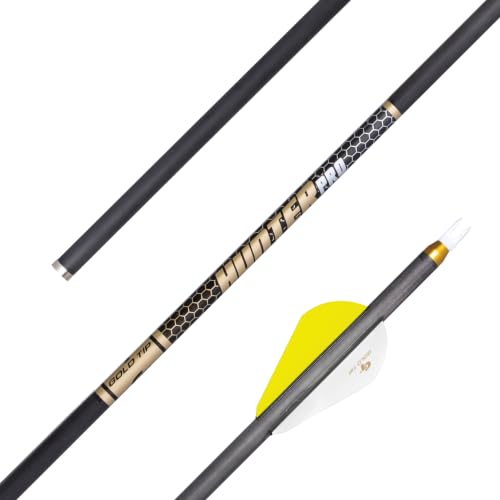
Gold Tip Hunter Pro Arrow Shafts (12-Pack)
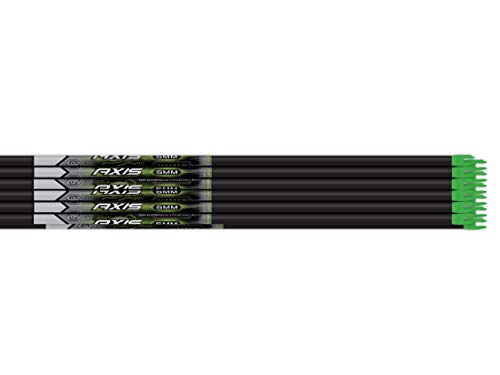
Easton Shaft Axis Carbon 300 HT (Dozen)
A Deeper Look At The Lineup
The Axis 5mm runs a noticeably slimmer profile than standard carbon arrows, which is the whole point. A smaller frontal area means less drag in flight and, more importantly for hunters, less resistance once the broadhead (the fixed or mechanical cutting tip) meets hide and bone. You’re getting unfletched bare shafts here, so plan on adding vanes or wraps and a point before hitting the field.
For a serious bowhunter chasing elk or larger plains game where penetration is non-negotiable, this shaft earns its reputation. The Acu-Carbon construction keeps spine (the arrow’s stiffness rating, which must match your draw weight) consistent from one shaft to the next, so your groups don’t walk when you switch arrows mid-session. Pair them with quality fletching like the AAE Max Stealth (reviewed below) and you have a complete hunting build.
The Value In It
- 5mm micro-diameter slices wind drift on long shots across open terrain.
- Reduced frontal area channels kinetic energy deeper behind the broadhead.
- Uniform carbon layup keeps spine tolerances tight, shot to shot.
- Compatible with HIT inserts, so you can tune broadhead weight without swapping shafts.
- Carbon-composite fibers handle repeated high-draw cycling without fatigue cracking.
Honest Caveats
- You must supply fletching, nocks, and points, since these are bare shafts.
- Micro-diameter shafts can wander more in tight spiral channels on older rests.
- Higher-end build means you’ll feel the cost, especially if you lose arrows in the field.
Key Specs
Right Fit For
Experienced bowhunters running 60–80 lb draw compounds who chase big game and want a slim, high-penetration shaft.
Consider Something Else When
The Gold Tip Hunter Pro (pick 4) suits whitetail hunters who want a complete fletched-and-inserted shaft shipped ready to shoot.
Vanés, in archer speak, are the plastic or feather blades glued to the back of an arrow that spin it for stability. The Max Stealth is AAE’s quiet, ribbed design that uses an air-channeling shape to dampen the whistle most vanes produce in flight. At 2.6 inches, it sits in the sweet spot between low-profile speed and broad steering contact.
Where the Axis 5mm shafts above are just the blank canvas, this is the finishing touch. You get a 50-count pack, which is enough to re-fletch a dozen arrows multiple times or build out a fresh set from scratch. The proprietary MAX material holds up to broadhead impacts and cold-weather brittleness better than budget vanes.
Notable Upsides
- Ribbed air-channel shape quiets flight noise for jumpy western game.
- 50-pack lets you re-fletch after every season’s wear without reordering.
- Flexible MAX material resists cracking in sub-freezing treestand sessions.
- Whisper-quiet profile gives up almost no speed versus bare shafts.
Trade Offs
- You still need to buy shafts, inserts, nocks, and adhesive separately.
- 2.6-inch length may be too tall for fast-speed arrows with tight clearance rests.
Made For
DIY fletchers who build their own hunting arrows and want a low-noise vane that holds up to broadhead hits and cold mornings.
Skip It When
The Silipull foam-tipped arrows (pick 3) are a smarter pick for someone just starting out who needs a complete arrow, not a component.
Foam-tipped arrows live in a different world than the hunting shafts above. The sponge head is 1.9 inches wide and 3.7 inches long, designed to absorb impact against foam targets, hay bales, or the occasional backyard misfire. The 30-inch shaft length is standard for youth and adult recurve (a traditional bow with limbs that curve away from the archer) and entry-level compound setups.
For a new archer or a family introducing kids to the sport, these are the safe, low-commitment option. The EVA foam (a dense, rubber-like cushioning material) and aluminum hardware survive plenty of misses and rough handling, which is exactly what you want during the first few months of practice.
Features That Help
- Soft foam tips prevent injuries during indoor or backyard practice.
- Sponge heads pop off and re-seat, so a bad shot doesn’t end the arrow.
- 30-inch shaft fits most youth and adult draw lengths right out of the box.
- Multi-pack format gives you spares without a second purchase.
Less Ideal Details
- Not a hunting arrow, no broadhead compatibility for real game.
- Foam tips lose shape after months of repeated target impacts.
- Heavier than carbon, which can fatigue young shooters during long sessions.
Best Suited To
New archers, parents teaching kids the basics, and anyone wanting safe backyard target practice without sharp points.
Look Elsewhere When
The Easton Axis 5mm (pick 1) is the right move once you graduate to actual hunting and need a real broadhead-ready shaft.
Gold Tip’s Hunter Pro sits at the top of their hunting lineup, and the spec sheet explains why. Straightness tolerance (the maximum deviation from perfectly straight, measured in thousandths of an inch) of plus or minus .001 inch and weight tolerance (variation between individual arrows of the same model) of plus or minus 0.5 grains put it in tight-tolerance territory that was once custom-shop only. The pack of 12 gives you a full quiver without piecing together leftovers.
For whitetail, mule deer, and antelope hunting where shot angles get awkward and distances vary, the consistency shows up in field results. You also get GTO series nocks (the plastic pieces that clip into the bowstring) with bushings and Accu-Lite nocks included, so the build is closer to complete than the bare-shaft Easton above. Pick the right spine, and groups hold together even when the broadhead does the cutting.
Everyday Advantages
- Plus or minus .001 inch straightness keeps groups honest at 40 yards and beyond.
- Multiple spine options (300, 340, 400, 500) match most compound draw weights.
- Carbon layup is widely reported to survive hard bone hits better than budget shafts.
- Twelve-pack ships with GTO nocks and Acco-Lite nocks for an almost-ready build.
A Few Limitations
- You still need to fletch and add broadheads, points, and inserts.
- Higher GPI (grains per inch) weights (8.2 to 9.3) mean slightly slower arrow speed than micro-diameter shafts.
Key Specs
Who Should Grab It
Whitetail and mule deer hunters who shoot a modern compound and want a forgiving, durable shaft with tight tolerances out of the box.
Swap It Out When
The Easton Axis 5mm (pick 1) is a better match for western big-game hunters chasing elk where the slimmer 5mm profile and deeper penetration matter more.
The 300 spine rating tells you exactly who this shaft is for: shooters pulling heavier draw weights who need a stiffer arrow to keep flex in check. Spine refers to how much an arrow bends under load, and a 300 is on the stiffer end of the standard hunting range. Pair it with a 70 lb or higher compound and you get a stable, predictable flight path.
Like the Axis 5mm covered in pick 1, this is a bare shaft. No vanes, no points, no inserts are included. You’re buying raw carbon to build around. The dozen count makes it the practical choice for someone who already knows their setup and just needs a restock of proven, consistent blanks.
Benefits That Matter
- Stiffer 300 spine matches higher-draw compounds for cleaner arrow flight.
- Dozen pack replaces a full hunting set without leftovers from mismatched batches.
- Compatible with HIT inserts, so broadhead tuning is straightforward.
- Same proven Acu-Carbon construction as the standard Axis line.
Practical Considerations
- Bare shafts only, you supply every component beyond the blank.
- Stiffer spine can over-spine (be too rigid) a lighter-draw bow and hit high.
Key Specs
Whose Shelf It Belongs On
Hunters running high-draw-weight compounds who already know their preferred build and just need a proven 300-spine blank in quantity.
Where A Sibling Pick Shines
The Gold Tip Hunter Pro (pick 4) is a smarter fit for a 60–70 lb draw shooter who wants a fletched-ready shaft shipped with nocks.
What To Weigh Before Picking Bow Hunting Arrows
Match Spine To Your Draw Weight
Spine selection is the single biggest decision in arrow choice. Pick too stiff and the arrow hits high. Pick too weak and the shaft whips violently, costing you groups and energy. Most compound shooters fall into the 300–500 spine range, but only a paper tuning session (a test where you shoot at a paper target to read how the shaft is bending in flight) or a manufacturer’s chart gives you a real answer.
Decide Between Micro And Standard Diameter
A 5mm micro shaft like the Easton Axis lines up with deeper penetration and better wind-bucking, the ability to cut through crosswinds without drifting off target. Standard-diameter shafts like the Gold Tip Hunter Pro are tougher to find, easier to tune on older rests, and more forgiving of minor spine errors. For western big game in open country, go micro. For whitetail in timber, standard works fine.
Choose Components That Match The Build
Bare shafts, fletching, inserts, and broadheads all need to live in the same weight range. A heavy broadhead on a light shaft changes the point weight (the total mass at the front of the arrow, which affects flight) and can wreck accuracy. The AAE Max Stealth vanes pair well with both Axis and Hunter Pro builds, but the broadhead and insert weight still has to match the rest of the arrow system.
Plan For Practice And Loss
Hunters lose arrows. Foam-tipped practice arrows like the Silipull set let you train year-round without burning through expensive hunting shafts. Carry a couple of spares in your quiver on hunt day, since a lost arrow in the field is just part of the sport.
Pitfalls Worth Dodging And Where The Money Goes
Common Shopping Slip Ups
Buying a full dozen of one spine before paper tuning is the most expensive mistake. Grab a single shaft in your likely spine, shoot it through paper, and confirm the tear pattern is straight before committing. Another trap: matching a stiffer spine to a light-draw bow because the price was better. The arrow will shoot over your target and you’ll be stuck with twelve paperweights.
What The Higher Tier Buys
Premium shafts like the Gold Tip Hunter Pro and Easton Axis lines earn their cost through tighter straightness tolerances, more consistent weight from shaft to shaft, and tougher carbon layups that survive hard hits. For someone shooting twelve times a year, the upgrade is hard to justify. For someone shooting fifty times a season and chasing accuracy gains, the consistency pays for itself in fewer lost animals and tighter groups.
Frequently Asked Questions
What spine arrow should a 70 lb compound shoot?
Most 70 lb compounds pair well with a 300 or 340 spine carbon shaft, but your exact draw length, point weight, and bow let-off (the percentage of draw weight the cams reduce at full draw) all shift the answer. Paper tuning a single shaft is the only reliable way to confirm.
Are micro-diameter arrows better for hunting?
Micro 5mm arrows reduce drag and improve penetration, which matters most for large or tough game at longer ranges. For close-range whitetail in brush, standard-diameter shafts perform nearly identically and are easier to tune.
Do I need to fletch my own arrows?
If you buy bare shafts like the Easton Axis lines, yes. A quality vane like the AAE Max Stealth plus quality adhesive, a fletching jig (a clamp that holds the arrow and vane at a fixed angle for gluing), and a few practice runs is enough for most home builders.
Can foam-tipped arrows be used for hunting?
No. Foam tips are designed for safe target practice only and lack the cutting diameter and weight to humanely take game. They are a training tool, not a hunting tool.
How long do carbon hunting arrows last?
Quality carbon shafts can last many seasons with proper care, but the industry widely reports that hard impacts into bone, rock, or broadhead-on-rubber-fence scenarios can crack or split carbon. Inspect each shaft before every hunt for nicks, cracks, or splinters, especially near the nock and tip ends.