
The right hatchet turns a cold campsite into a warm one, clears a stumbling block off the trail, and earns its place in your pack without weighing you down. Scouts, weekend campers, and bushcraft hobbyists all run into the same problem: a flimsy blade that bounces off kindling or a heavy tool that drags you down on the hike in. A well-chosen hatchet splits the difference, and these nine picks each solve that problem in their own way. Some prioritize weight savings for long treks, others lean into durability for camp chores that go all weekend.
A Closer Look At The Lineup

Fiskars X7 Small Hatchet Axe 14″

Gerber Gear Pack Hatchet with Sheath

Morakniv Boron Steel Camping Axe

KSEIBI Hatchet with Sheath (Sausalito Green)

HX OUTDOORS Full Tang Tactical Axe

ESTWING Sportsman’s Axe E24A 14″
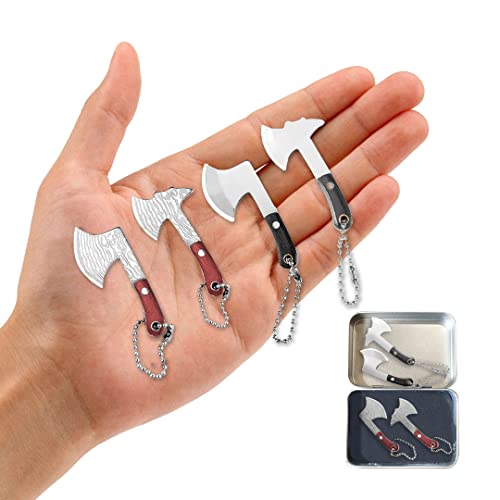
HAOXU Mini Hatchet Pocket Knife Set

KANDAZA 15-Inch Camping Hatchet Axe
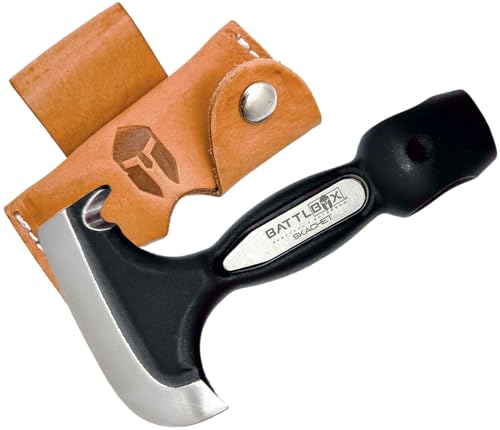
BattlBox Skachet Axe Head Skinner
The Details Behind The Selections
The Fiskars X7 has earned its reputation as the kind of hatchet that disappears into a kit until you need it. At a compact 14 inches overall, it slips into a pack or rides on a belt without hogging space, and the low-friction coated blade shears through kindling with surprising authority. The fiber-composite handle keeps weight down while absorbing the shock that would otherwise punish your wrist after a long session of fire prep.
Scouts working on their fire-building requirements or weekend campers splitting softwood for a fire ring will find this hatchet covers the basics without overcomplicating things. The design favors controlled, accurate strikes over brute force, which suits younger users or anyone still building confidence with edge tools.
What It Does Well
- Lightweight composite handle reduces fatigue during repeated kindling duty
- Low-friction blade coating helps the head glide through wood cleanly
- 14-inch length balances swing control with usable cutting power
- Pairs nicely with a basic sheath for safe transport between camps
- Easy to recommend for younger scouts still developing proper form
Things To Consider
- Not intended for felling small trees or driving wedges through tough rounds
- Sheath is often sold separately, so factor that into your kit cost
Feature Snapshot
Made For
Newer scouts and casual campers who need a forgiving, light tool for routine fire-building.
Consider Something Else When
You tackle heavier rounds; the ESTWING Sportsman’s Axe E24A handles larger diameters with its one-piece steel spine.
The Gerber Pack Hatchet shrinks the traditional hatchet footprint down to roughly nine inches, making it one of the shortest options in this lineup. A 3.5-inch steel blade with a tall grind (meaning the bevel runs higher up the head for a longer sharp edge) sits at the business end, backed by a full-tang construction where the steel runs continuously from blade through handle. That tang layout gives the tool surprising strength for its size, and the rubberized over-mold gives you a confident grip even when your hands are damp.
Backpackers covering long miles appreciate how little space this hatchet eats inside a pack. It also clips to a belt loop or pack strap using the included nylon sheath, leaving both hands free for the rough terrain between camps.
Notable Gains
- Compact nine-inch profile fits inside most daypacks without crowding other gear
- Full-tang steel core resists flex under moderate chopping loads
- Mountable nylon sheath keeps the tool accessible on the trail
- Useful for shaving kindling, driving tent stakes, and light camp prep
Worth Noting
- Short handle limits swing force on thicker rounds
- Not designed for hard splitting work on dense hardwood
Who It Suits Best
Thru-hikers and ultralight packers who want a small but capable cutting tool.
Look Elsewhere When
You need real splitting force; the Morakniv Boron Steel Camping Axe offers a thicker blade for tougher cuts.
Morakniv brings Scandinavian outdoor heritage to the hatchet category with a focused, no-frills tool built for the realities of cold-weather camping. The 4.5-inch head is forged from boron steel (an alloy known for hardness and edge retention) at roughly 6mm thick, which is substantial enough to chew through frozen or knotty wood without flexing. A black epoxy coating protects the steel from rust, and the reinforced plastic handle keeps weight manageable while standing up to repeated impact.
Where the Fiskars leans toward finesse and the Gerber leans toward portability, this Morakniv positions itself as the heavy-hitter in a compact package. Bushcrafters working on shelter-building, fire prep in cold conditions, and campsite maintenance will find the build reassuring.
Well-Handled Touches
- Thick 6mm boron steel head holds an edge through demanding use
- Epoxy coating helps resist corrosion in damp forest environments
- Leather sheath included for immediate transport
- Reinforced plastic handle tolerates cold temperatures better than bare wood
- Trusted by bushcraft educators and outdoor schools
Trade Offs
- Heavier than composite-handle alternatives at similar lengths
- Plain handle shape lacks the cushioned grip some users prefer
Key Specs
Best Suited To
Bushcraft hobbyists and scouts working on advanced outdoor skills who value a stout blade.
Skip It When
Weight matters more than chopping power; the Gerber Gear Pack Hatchet is the lighter trail companion.
The KSEIBI hatchet targets newcomers who want a real cutting tool without a steep entry price. A forged steel head (meaning the steel was shaped under pressure rather than cast, which generally yields stronger grain) carries a heat treatment for durability, and the 14-inch overall length lands in the same sweet spot as the Fiskars X7. The handle adds anti-slip texture and shock absorption in the grip zone, which helps newer users avoid the sting that comes with off-center strikes.
Troop leaders outfitting a patrol or parents buying a first real hatchet for a budding outdoorsperson will appreciate the included sheath and approachable size. It handles splitting and throwing practice, two skills scouts often encounter early in their program.
Benefits That Matter
- Forged steel head with heat treatment for everyday durability
- Anti-slip grip texture helps during longer sessions or wet conditions
- 14-inch handle offers a familiar balance point for new users
- Sheath included for safer storage between trips
Some Limits To Know
- Brand reputation is still building compared to long-established names
- Resale value is lower than premium forged options if you upgrade later
Whose Shelf It Belongs On
Troops and families introducing younger scouts to safe hatchet handling on a sensible budget.
Swap It Out When
You want a lifetime tool with a long track record; the ESTWING Sportsman’s Axe E24A has decades of owner loyalty behind it.
The HX OUTDOORS tactical hatchet takes a page from survival-knife design with its full-tang build and high-contrast orange handle scales, which keep the tool visible if you set it down in leaf litter. The 12.8-inch head and handle combo feels compact in hand yet substantial enough for harder campsite tasks. A black titanium plating on the head adds corrosion resistance, while the G10 sheath (made from a fiberglass laminate known for toughness) protects both you and the edge during transport.
Owners who tend to drag their gear through rough weather appreciate the rust-resistant finish and the confidence that comes with a through-tang build. You may find the smaller size trades off some swing force compared to longer picks.
The Practical Payoff
- 5Cr15MOV stainless steel (a mid-grade stainless alloy) balances edge retention with corrosion resistance
- Black titanium plating helps the head shrug off moisture and wear
- High-visibility orange handle reduces the chance of leaving it behind at camp
- G10 sheath offers long-term durability over traditional nylon
- Full-tang layout adds strength for pounding and prying tasks
- Stonewashed finish hides minor scuffs from regular field use
Minor Gripes
- Compact length means more effort on larger rounds
- Heavier in the head than pure kindling-focused hatchets
The Right Fit
Campers who deal with wet weather or coastal environments where rust is a constant worry.
Reach For A Different Pick When
You want maximum reach per swing; the KANDAZA 15-Inch Camping Hatchet Axe gives you extra length for splitting rounds.
The ESTWING Sportsman’s Axe carries the kind of pedigree that comes from decades of one-piece steel forging. Head and handle start as a single piece of metal and are shaped together, which eliminates the weak joint where most hatchets eventually loosen or snap. The genuine leather grip is sanded and lacquered, giving you a comfortable handhold that ages into a personal fit over years of use.
This is the hatchet that often gets handed down, and owners who buy one tend to keep it for a long stretch. The included ballistic nylon sheath adds a belt loop for hands-free carry at camp.
Where It Delivers
- One-piece forged steel eliminates the head-loosening failure common in cheaper tools
- Leather grip molds to your hand and wears in rather than wearing out
- 14-inch length provides the classic hatchet feel scouts often learn on
- Hand-polished finish helps shed moisture and debris
Honest Caveats
- Heavier than composite-handle competitors at the same length
- Premium build commands a higher upfront cost than entry-level picks
Quick Facts
Who Should Grab It
Scouts and outdoor enthusiasts planning to keep their first hatchet for many years of regular use.
A Better Fit Elsewhere
Weight-conscious backpackers; the Gerber Gear Pack Hatchet cuts significant ounces for long-distance travel.
The HAOXU Mini Hatchet set takes the hatchet silhouette and shrinks it down to pocket-knife scale. Each piece in the four-knife collection resembles a tiny axe, complete with etched damascus-style patterning on two of them, and arrives with individual leather sheaths plus a small iron storage case. The form factor makes them charming package openers and display pieces more than serious cutting tools.
They work well as a stocking stuffer, a scout gift, or a desk companion for someone who appreciates the axe aesthetic. Treating them as collectible curiosities rather than field gear is the right read, since the small blades are not built for chopping wood.
Where It Helps
- Novelty hatchet styling appeals to collectors and gift shoppers
- Compact form fits in a glove box, drawer, or backpack pocket
- Leather sheaths and storage case included for organized carry
- Handful of small knives offers backup for everyday cutting tasks
Where It May Fall Short
- Not suitable for actual wood chopping or camp fire prep
- Damascus pattern is etched rather than true pattern-welded steel
Perfect Match For
Gift shoppers and hobbyists who enjoy axe-themed accessories more than working wood.
Another Choice May Suit
Anyone needing real chopping capability; the Fiskars X7 Small Hatchet Axe 14″ handles the same audience at full size.
The KANDAZA 15-inch hatchet stretches an inch beyond the typical 14-inch hatchet length, giving you extra reach and swing momentum for tougher wood. The 45# carbon steel head (a medium-carbon steel common in cutting tools) receives a polymer coating that helps shrug off rust and damp conditions. A fiberglass handle with a shock-reduction grip zone keeps the weight manageable while softening the recoil on harder hits.
Trail crews, car campers, and scouts working on fire-management merit badges will find the extra length pays off when rounds start running larger. The trade-off is slightly more pack space and a touch more swing weight.
What Helps Most
- 15-inch handle delivers added leverage on larger rounds
- 45# carbon steel head takes and holds a working edge
- Fiberglass handle reduces vibration and resists weather damage
- Polymer head coating adds rust resistance for damp climates
- Suited for splitting, trail clearing, and steady camp chores
Potential Drawbacks
- Bigger profile than 14-inch hatchets, so plan your pack space
- Brand is newer to the category compared to long-established competitors
Built With In Mind
Car campers and trail workers who want more swing force without moving up to a full-size axe.
Where A Sibling Pick Shines
Long-distance hikers; the Fiskars X7 Small Hatchet Axe 14″ is the lighter pack option when every ounce counts.
The Skachet is less a traditional hatchet and more a multi-function bushcraft head designed for the kind of improviser who likes to build their own handle on the trail. The 65Mn carbon steel head (a tough manganese-alloyed steel favored for impact tools) packs a hatchet edge, a skinner/ulu curve, a hammer face, a ripper notch, and a gut hook into one compact piece. You bring your own branch to turn it into a working tool, which adds a satisfying layer of self-reliance to the experience.
Hunters, anglers, and bushcraft practitioners who want a single head for processing game and maintaining camp will find the Skachet uniquely capable. The trade-off is the missing handle, which assumes you already know how to fashion one safely.
Positive Points
- Five functions in one head reduce pack redundancy
- 65Mn steel stands up to heavy impact and outdoor conditions
- DIY handle approach keeps your pack light and your skills sharp
- Leather sheath included for head-only transport
- Game-processing edges built into the design
Things To Weigh
- Requires you to source and shape a handle before use
- Not a turn-key option for beginners who want a ready-to-swing tool
Feature Rundown
Right Fit For
Experienced bushcrafters and hunters who enjoy building their own kit from rugged components.
Not Your Match When
You want a ready-to-use hatchet out of the box; the ESTWING Sportsman’s Axe E24A arrives fully assembled.
What Matters Most Before Choosing Boy Scout Hatchets
Matching Length To The Job A 14-inch hatchet handles the bulk of campfire prep: splitting kindling, shaving feather sticks, and light brush clearing. Shorter nine-inch picks trade swing force for packability, which matters on long hikes. Longer 15-inch options give you leverage for larger rounds but ask for more storage space.
Steel And Edge Retention Boron and 65Mn carbon steels hold an edge through repeated impact and resharpen easily in the field. Stainless alloys like 5Cr15MOV resist rust in damp climates but may need touch-ups sooner under heavy use. The trade-off is usually between corrosion resistance and ease of sharpening.
Handle Material And Comfort Composite and fiberglass handles stay consistent in cold and wet weather, plus they dampen shock. Wood grips feel traditional and warm in the hand but require occasional conditioning to prevent drying or cracking. Leather grips age into a personal fit and look classic, though they need basic care.
Construction Quality One-piece forged construction removes the head-loosening failure common in entry-level hatchets. Full-tang designs put the steel continuously through the handle for added strength. Multi-piece builds with a separate head and handle work fine for light duty but deserve more frequent inspection.
Key Considerations Across These Picks
Mistakes Worth Dodging Choosing a hatchet purely on looks often ends in a tool that looks great on the wall but disappoints on the trail. Make sure the listed handle length and weight fit your use case rather than your aesthetic preference. Skipping a sheath to save room also tends to backfire, since uncovered blades dull faster against other pack contents and can damage fabrics.
Why Top Tier Costs More Premium picks like the ESTWING Sportsman’s Axe E24A use one-piece forging, hand finishing, and tighter heat treatment, which extends tool life across decades. Cheaper options may use stamped heads, glued handles, and thinner coatings that wear through within a few seasons. The upgrade is worthwhile for scouts who plan to keep their first hatchet well past their troop years, while budget picks make sense for short-term training kits.
Frequently Asked Questions
What size hatchet is best for scouts learning the basics? A 14-inch hatchet covers most beginner tasks without overwhelming younger users. Shorter nine-inch picks work for trail carry but offer less swing force, while longer 15-inch options are better once skills develop.
How do you safely carry a hatchet on a hike? Always use a fitted sheath, and stow the tool blade-down inside a pack or clipped to a belt loop where it cannot swing freely. Keep it away from water bottles and soft gear that the edge could puncture.
How often does a hatchet blade need sharpening? Light camp use may only need a touch-up once per season, while heavy splitting or processing game calls for more frequent honing. A small pocket stone works well for field maintenance.
Can a hatchet handle real tree felling? Hatchets are designed for limbing, kindling, and light brush work rather than felling full trees. Cutting down even small trees usually calls for a larger axe or a dedicated saw.
What maintenance does a hatchet need between trips? Wipe the head dry after use, oil carbon steel lightly to prevent rust, and inspect the handle for cracks or loose fit. Leather grips benefit from an occasional conditioning treatment to keep them supple.