
A reliable tent shouldn’t drain your trail fund. Backpackers chasing multi-day routes, weekend loops, or first overnights all share the same problem: gear that costs less tends to leak, sag, or fall apart by the second season. The picks below balance weight, weather protection, and packability without forcing you to choose between food for the trip and a place to sleep. Every option here has earned its place because it handles real trail conditions, not just catalog promises.
A Quick View Of The Lineup
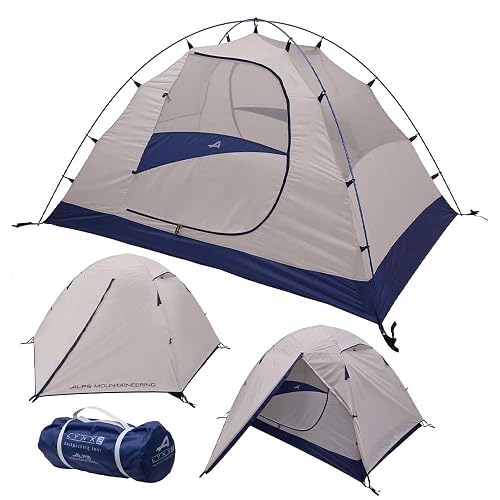
ALPS Mountaineering Lynx 2-Person Backpacking and Camping Tent
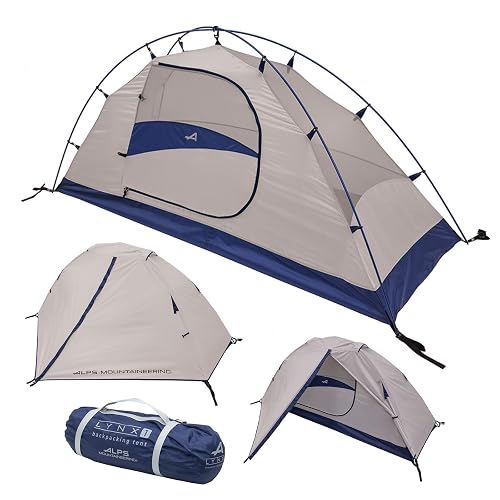
ALPS Mountaineering Lynx 1 Backpacking Tent
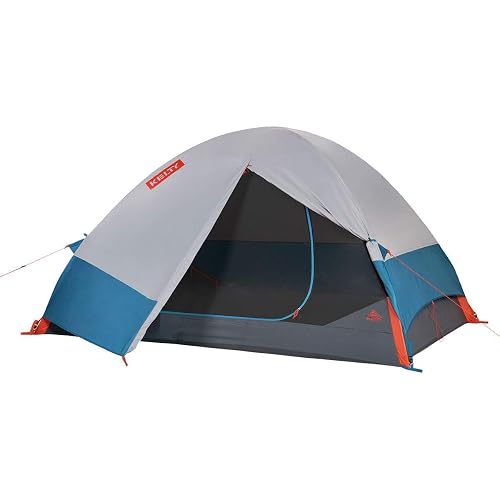
Kelty Late Start 4P Backpacking Tent
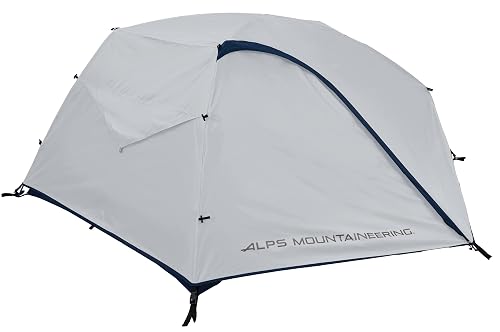
ALPS Mountaineering Zephyr 2-Person Tent
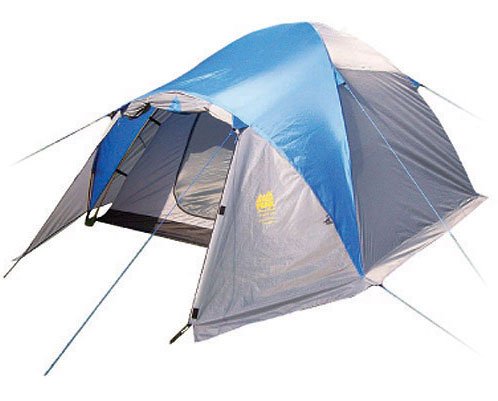
High Peak South Col 4 Season 3-Person Tent 9.7 lbs
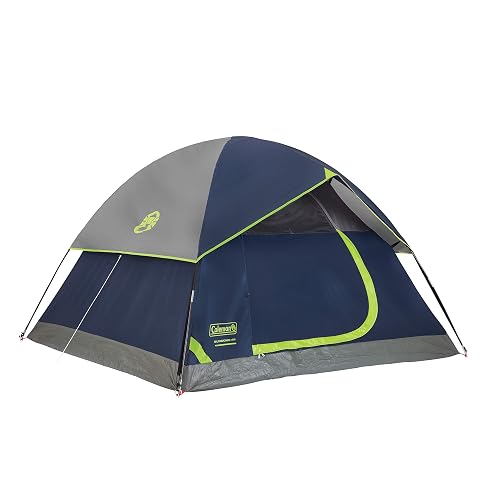
Coleman Sundome Tent

Kelty Late Start 2P Backpacking Tent
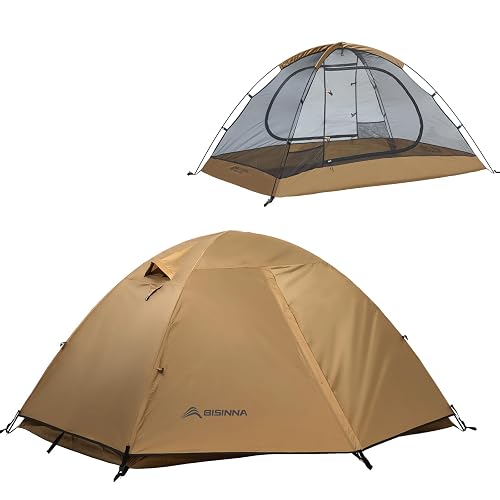
BISINNA Backpacking Tent 1/2/4 Person
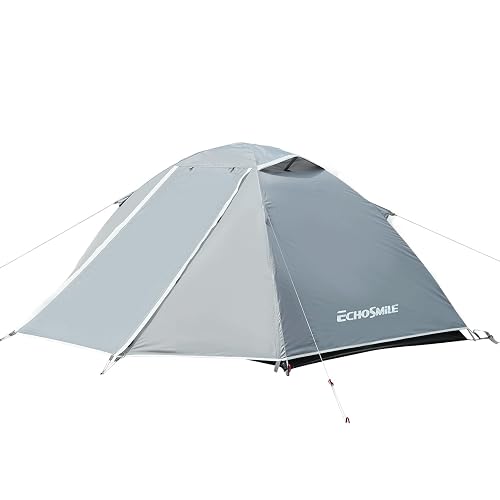
EchoSmile Lightweight 2-Person Tent
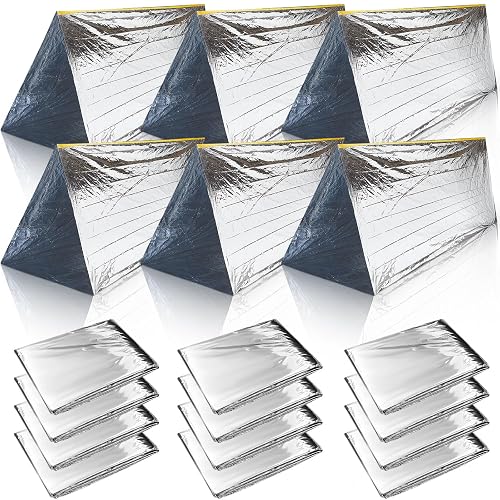
Woanger Emergency Tube Tent 2-Person
Inside Each Recommended Option
The Lynx 2 sits at the top because it threads a needle most budget tents can’t. You get aluminum poles instead of fiberglass (lighter, less prone to snapping in cold weather), half-mesh walls for real airflow, and a freestanding rectangular dome that pitches with two crossing poles and clips. For a couple heading into the Adirondacks or a single hiker who wants room for a pack dog, the floor plan and weight read about right for the category.
Setup speed depends more on you than the tent. Pole clips snap onto the aluminum shafts without threading sleeves, which shaves real time when you’re rolling in at dusk. The vestibule creates a covered space for boots and packs, though in sideways rain you may find yourself cinching guy lines aggressively.
Positive Takeaways
- Aluminum poles hold up better in freezing temps than fiberglass alternatives.
- Half-mesh sidewalls move air on humid Appalachian summer nights.
- Freestanding design lets you reposition the tent without re-staking.
- Two-pole clip architecture shortens pitch time for tired hikers.
- Vestibule space keeps wet gear outside the sleeping area.
Things To Consider
- Rain fly coverage stops short of full-coverage designs, so seam sealing matters in heavy weather.
- Two-person rating is snug; solo hikers get generous space, couples get close quarters.
Who It Suits Best
Backpackers tackling spring-through-fall trails who want a reliable, repairable shelter without the premium tag.
Where Another Pick Suits Better
Solo thru-hikers counting every ounce should look at the ALPS Mountaineering Lynx 1 instead, which trims the second sleeper and packs smaller.
The Lynx 1 borrows the same aluminum-pole, mesh-wall DNA as its bigger sibling and squeezes it into a solo footprint. For long-distance hikers on the AT or PCT, every gram matters, and this tent trims enough weight to feel reasonable without tipping into ultralight territory. Compared to the two-person Lynx above, you lose elbow room but gain a smaller packed size that slips into a 50-liter pack without a fight.
You’ll appreciate the #8 zippers on the door and vestibule the first time you’re digging into the tent in the dark. They’re chunkier than the fine-tooth zippers on cheaper shelters, so cold fingers can actually find the pull. The mesh-heavy walls trade privacy and warmth for cross-ventilation, which is the right call for shoulder-season trips below treeline.
A Few Strong Suits
- Single-person footprint fits tight campsites and bivy-style setups.
- Oversized zippers are glove-friendly in cold or wet conditions.
- Mesh-dominant walls keep condensation manageable on humid nights.
- Freestanding geometry means you can pitch on a wooden platform if needed.
Worth Noting
- Single-wall mesh means you’ll feel every gust in exposed alpine terrain.
- Storage is limited; pack goes inside the tent or under a tarp.
- Seam taping at the factory can vary by batch, so a personal sealing pass helps.
Made For
Solo backpackers and section hikers who value packability over absolute storm-readiness.
Consider Something Else When
Two travelers sharing the load should compare this against the ALPS Mountaineering Zephyr 2, which adds livable space for couples without much more weight.
Kelty’s Quickcorner system is the headline here, and for groups rolling into camp after dark, it earns its keep. Pre-bent aluminum poles and corner-locking geometry let four sleepers set up in roughly the same time a couple needs for a smaller tent. The 4P is the obvious choice when you’re splitting the weight across shoulders and want one shelter rather than two cramped ones.
The tent is heavier than solo options on this list, no surprise for a four-person shelter, but it stays in the realm of reasonable for short carries. The polyester fly shrugs off moderate rain and the aluminum frame keeps the structure taut through overnight wind shifts. Where you may want more room is inside: four adults and their packs test the floor plan.
Useful Highlights
- Quickcorner setup technology cuts pitch time in cold, wet, or low-light conditions.
- Pre-bent poles raise the ceiling, giving adult sleepers usable headroom for sitting.
- Aluminum pole frame resists flexing better than budget fiberglass designs.
- Two-door layout prevents the awkward crawl-over-your-friend exit at 2 a.m.
Trade Offs
- Trail weight climbs sharply with a four-person shelter; not ideal for long-distance solo carries.
- Floor space fills fast when four sleepers also stash packs inside.
- Polyester fly can sag in prolonged rain without taut line adjustments.
Best Suited To
Friends, families, or guides splitting weight across a group who camp at sites reachable by short-to-moderate trailheads.
Not Your Match When
Solo distance hikers should weigh the Kelty Late Start 2P, which keeps the Quickcorner speed in a much lighter two-person footprint.
The Zephyr 2 leans hard into ventilation. Full mesh walls and pre-bent aluminum poles give the walls a near-vertical shape that opens up the interior, which matters when you’re tent-bound during a humid afternoon thunderstorm. The trade-off is real: this is a fair-weather-and-three-season tent, not a winter fortress. Compared to the Lynx 2 earlier on this list, the Zephyr feels taller and breezier but offers less protection in cold, wet shoulder-season storms.
Set it up in a Florida state forest in May and you’ll understand the design language. The mesh keeps airflow constant, the steeper walls mean you can actually sit up to change a shirt, and the rain fly drops over the mesh body when weather turns. Where you may second-guess the Zephyr is at elevation in October, where the open-mesh design lets heat escape faster than you’d like.
Notable Upsides
- Pre-bent pole geometry raises ceiling height and steepens walls for livable space.
- Full-mesh walls maximize cross-ventilation in humid climates.
- Aluminum pole structure weighs less than comparably sized fiberglass tents.
- Two-person floor plan fits two sleepers with moderate gear stash.
Honest Caveats
- Open mesh body loses heat fast in shoulder-season or alpine conditions.
- Rain fly coverage assumes you’ll attach it early; condensation sneaks in otherwise.
- Not built for snow loading or sustained freezing rain.
Right Fit For
Backpackers in warm, humid, or low-elevation environments who prioritize airflow over cold-weather resilience.
Look Elsewhere When
High-elevation or shoulder-season travelers should size up the High Peak South Col 4 Season instead, which trades mesh for storm-readiness.
The South Col earns its name honestly. It’s a four-season, three-person shelter that handles snow load and high wind without ballooning your pack weight past 10 pounds. The nylon construction with water-resistant treatments is a sensible middle ground, and the included stakes and poles mean no surprise gear runs. If you’re transitioning from a summer-only tent into shoulder-season or winter camping on a budget, this is the kind of shelter you learn on.
The honest read: at 9.7 pounds, this is too heavy for a thru-hiker covering 20-plus miles a day, but it sits comfortably in the kit of a weekend mountaineer or a winter camper making shorter carries. The 4 Season framing means sturdier poles, which can also mean a slightly fussier pitch than the clip-on Lynx series.
The Helpful Details
- Four-season geometry sheds snow and resists sustained wind better than three-season tents.
- Water-resistant nylon fly helps the tent handle freezing rain and sleet.
- Three-person capacity fits a solo camper plus gear, or two sleepers comfortably.
- Included stakes and poles mean the package is ready out of the bag.
Points To Note
- 9.7 lb trail weight rules out long-mileage daily carries for most hikers.
- Storm-worthy design means more pole sections and a longer pitch time.
- Stakes are functional but may want upgrading for hard or frozen ground.
Who Should Grab It
Winter campers, shoulder-season hikers, and beginners stepping into four-season trips who want storm-readiness at an approachable weight.
A Better Fit Elsewhere
Long-distance summer hikers will find the ALPS Mountaineering Lynx 2 a much friendlier carry on multi-day routes.
The Sundome is what most people picture when they imagine a tent: dome shape, two crossing poles, an awning-style rain fly. It’s a campground workhorse designed for car-camping families and first-time backpackers who want a familiar setup. The WeatherTec system handles drizzle and brief showers without drama, and the snag-free continuous pole sleeves mean fewer fumbling moments during the first pitch.
Where the Sundome stretches into budget backpacking territory is short trips on established trails. Don’t expect ultralight performance, the materials prioritize affordability over weight, but you do get a recognizable shelter that pitches the same way every time. The honest read: this is the right tent for someone who isn’t sure how often they’ll go out yet.
Good Reasons To Consider
- WeatherTec construction offers dependable rain protection for fair-weather trips.
- Continuous pole sleeves simplify setup for first-time users.
- Recognizable dome shape is forgiving on uneven campground pads.
- Coleman’s replacement-part availability makes field repairs manageable.
A Few Limitations
- Heavier and bulkier than dedicated backpacking shelters for the same capacity.
- Fiberglass poles are more prone to splintering in cold than aluminum alternatives.
- Ventilation is acceptable, not aggressive; humid nights feel muggy.
Perfect Match For
New campers, casual weekend trips, and gear-curious shoppers who want a familiar, forgiving shelter before committing to ultralight options.
Swap It Out When
Multi-day trail hikers carrying everything on their back should step up to the Kelty Late Start 2P, which is purpose-built for that workload.
The 2024 update to Kelty’s two-person Late Start carries the Quickcorner system forward for pairs who don’t want to lose setup speed. You get the same pre-bent aluminum poles, the same easy corner-locking geometry, and a refreshed material package designed for the current generation of backpackers. If the four-person Late Start earlier on this list felt like overkill, this is the version that matches typical two-person trips.
The poly fly stays light enough that you’re not dreading the daily pack-up, and the aluminum poles hold up to repeated cold-weather pitches better than budget fiberglass. Where you may push back is on storage; two sleepers and two packs crowd the vestibule fast. The honest tradeoff: convenience and quick setup over maximum interior volume.
Benefits That Matter
- Updated 2024 materials address wear issues reported on earlier versions.
- Quickcorner system keeps pitch time competitive with much pricier shelters.
- Aluminum pole construction survives freezing mornings and rough handling.
- Poly fly resists light-to-moderate rain without sag in calm conditions.
Room For Improvement
- Vestibule space is limited for two sleepers carrying full packs.
- Two-person floor plan feels tight for tall sleepers over six feet.
- Condensation management is acceptable but not class-leading in still air.
Built With In Mind
Pairs tackling two-to-four-day trips who want fast setup and consistent performance without premium pricing.
Reach For A Different Pick When
Triple-pad sleepers and gear-heavy travelers get more space from the EchoSmile Lightweight 2P, which extends the vestibule for pack storage.
BISINNA leans hard into rain protection, and the spec sheet reads accordingly. The 190T polyester tent body and 210D Oxford floor combine with sealed seams to claim a PU3000 waterproof rating, which is the kind of number you want for sustained Pacific Northwest weather. Aluminum poles back up the weatherproofing with a sturdier frame than budget fiberglass competitors. The two-person configuration is the most useful for backpackers, but the same build is available in solo and four-person footprints.
Where this tent quietly outperforms competitors is on wet-weather reliability. A pole-sleeve structure adds rigidity when wind picks up, and the seams are sealed rather than just stitched. The honest caveat: it’s a value-focused brand, so fit-and-finish on zippers and pole tips may not match premium shelters. Treat it gently during setup and it’ll reward you.
Everyday Advantages
- Sealed seam construction holds up in prolonged wet weather.
- Aluminum pole-sleeve design adds rigidity over clip-on competitors.
- 210D Oxford floor resists abrasion from rough or rocky ground.
- Multiple size options cover solo, pair, and group configurations.
Worth Bearing In Mind
- Hardware fit-and-finish doesn’t always match premium-brand equivalents.
- Polyester, while waterproof, can sag in heavy rain without taut guy lines.
- Brand recognition is limited, so resale value tracks lower than mainline competitors.
Whose Shelf It Belongs On
Rain-prone region backpackers who want a sealed, weather-focused shelter at a clear value price point.
Another Choice May Suit
Hot-climate travelers who prioritize airflow should pick the ALPS Mountaineering Zephyr 2, which trades weatherproofing for ventilation.
EchoSmile’s two-person tent solves a problem most budget shelters ignore: where do you put muddy boots and a wet pack? The extendable front vestibule props up with trekking poles to form a covered porch, which doubles as cooking space, gear storage, and a place to air out boots before bringing them inside. For backpackers carrying full-size packs, that porch matters more than another inch of sleeping width.
Compared to the Kelty Late Start 2P earlier on this list, the EchoSmile gives up a bit of vertical ceiling height in exchange for that expandable entry. The honest read: this is a thoughtful design for hikers who hate a cluttered tent floor. The catch is that you need two trekking poles (or substitutes) to deploy the vestibule properly.
The Case For It
- Extendable front vestibule creates sheltered space for cooking and gear staging.
- Two-person capacity fits typical pair setups without forcing floor compromises.
- Polyester construction handles moderate rain at a friendly weight.
- Vestibule design keeps trail dirt outside the sleeping area.
Possible Compromises
- Trekking poles are essentially required to deploy the vestibule at full size.
- Ceiling height is lower than dome-style competitors like the Zephyr 2.
- Single door design forces one sleeper to crawl over the other on exit.
Who Will Love This
Gear-heavy backpackers and cooks who want covered outdoor living space without adding a separate tarp to their kit.
Skip It When
Sleepers prioritizing standing room and open-air feel will prefer the ALPS Mountaineering Zephyr 2, which puts interior space ahead of vestibule function.
The Woanger tube tent is a different category entirely. This is a mylar-style emergency shelter sold in multi-packs, designed to live in a glove box, a bug-out bag, or a winter day-hike pack as a backup. The 8-foot by 3-foot tube shape traps body heat and reflects it back, which makes it genuinely useful when a real tent fails or the weather turns worse than forecast. It’s not a backpacking shelter in any normal sense.
The pack-of-four format suggests the intended buyer: preppers, group leaders, ski patrol, or anyone responsible for multiple people in the backcountry. Each shelter covers one to two people for short-term survival use. The honest caveat is that these are disposable by design; they tear more easily than fabric tents and aren’t meant for repeated trips.
Points In Its Favor
- Pack-of-4 format covers group emergency kits at a low per-unit cost.
- Reflective tube geometry traps radiated body heat in cold conditions.
- Compresses small enough to fit in a vehicle glove box or daypack.
- Doubles as a ground sheet, signal marker, or improvised rain catchment.
Where It Is Less Suited
- Not a substitute for a real backpacking tent on multi-day trips.
- Mylar construction tears under repeated friction or sharp contact.
- No ventilation management; condensation builds fast inside.
The Right Fit
Trip leaders, winter hikers, and emergency-preparedness planners who want a compact backup shelter to round out an existing kit.
A Better Fit Elsewhere
Anyone planning actual overnights in the backcountry should choose the ALPS Mountaineering Lynx 2 as a primary shelter instead.
What Matters Most Before Choosing Budget Tents For Backpacking
Weight is the first filter. A tent under four pounds covers most three-season backpacking without forcing you to leave behind food or comfort items. Above six pounds, the tent starts competing with your pack for space, and you need a clear reason (group capacity, winter use, durability) to justify the weight.
The second filter is weatherproofing. Look for taped or sealed seams (a factory treatment that closes stitch holes so water can’t seep through), a waterproof rating on the floor measured by hydrostatic head (the water column height, in millimeters, the fabric withstands before leaking; 3000mm or higher handles ground moisture well), and a rain fly that covers most of the tent body. Mesh-heavy tents breathe better but wet out faster when humidity climbs or temperature drops overnight.
Capacity claims round up. A “two-person” tent usually fits two sleepers with minimal gear; if you’re a couple carrying full packs, you may want a three-person layout. For solo use, one-person shelters save weight but force your pack inside or under a vestibule. Match capacity to your real-world sleeping arrangement, not the marketing number.
Key Considerations Across These Picks
Where Shoppers Go Wrong
The most common mistake is buying by the lowest sticker price rather than by fit. A $40 emergency tube shelter doesn’t replace a $200 backpacking tent, and a five-pound fiberglass-pole dome isn’t ultralight just because it’s compact. Match the shelter to the trip: weekend loops, multi-day routes, group carries, and winter camping each have different requirements, and one tent rarely covers them all.
Another trap is trusting “waterproof” labels without checking the floor rating or seam treatment. Polyester and nylon both shed rain at the surface, but stitch holes and seams are where water actually gets in. Taped seams and a 3000mm or higher hydrostatic head on the floor are the practical indicators of real wet-weather performance.
When Paying More Pays Off
Higher-tier models tend to spend the extra money on three things: lighter materials, stronger pole construction, and better ventilation engineering. A lighter tent lets you carry more food, water, or comfort items, which directly improves trip quality on longer routes. Stronger aluminum poles survive the kind of clumsy pitch that destroys budget fiberglass. And better ventilation means fewer condensation drips in the morning, which is the small luxury you stop noticing once you have it. For trips beyond a single overnight, those upgrades pay back their cost quickly.