
Getting a cat into a carrier is half the battle; the other half is having one that survives the trip. From nervous kittens to chunky 18-pounders, soft-sided options now span everything from bubble-window sightseeing pods to crash-tested car seats. Picking the right one means matching your cat’s size, your travel style, and how often you’ll be hauling it through vet lobbies or airport terminals.
The Lineup, Simplified
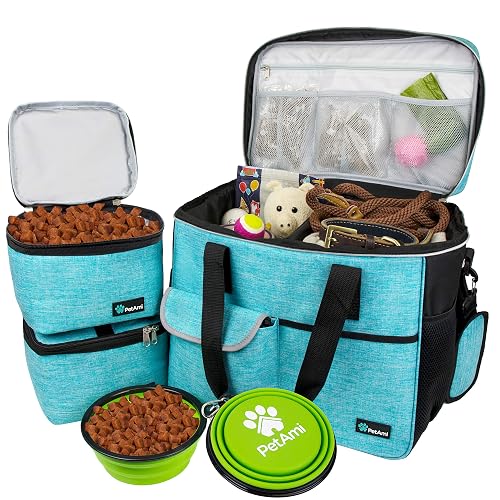
PetAmi Travel Bag Organizer Teal Blue Large

Pecute Double Bubble Pet Carrier (Green, M)

Vceoa 17.5″x11″x11″ Pet Carrier
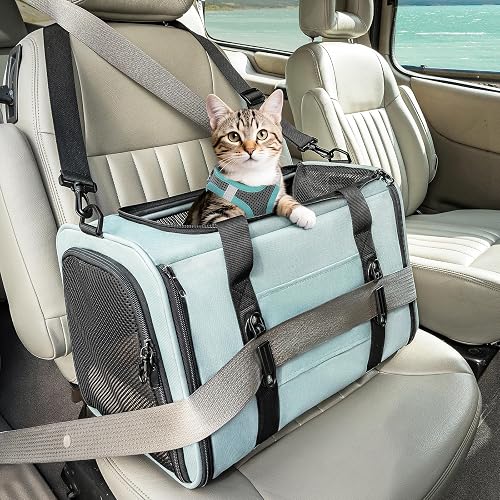
PETSFIT Cat Carrier with Safety Buckles
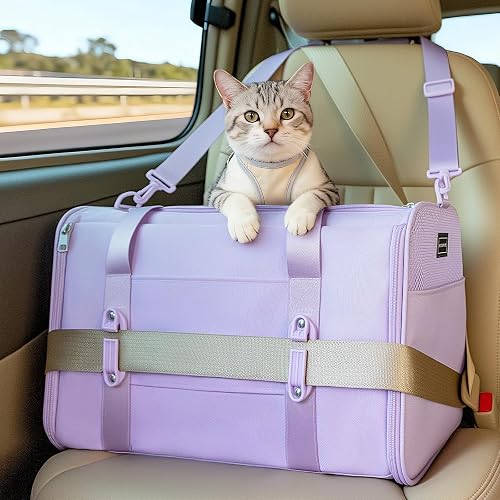
PETSFIT Large Cat Carrier 20 lb
Inside Each Recommended Option
PetAmi’s teal-blue travel organizer solves a different problem than the carriers above and below it: it holds the stuff your cat needs while someone else carries the cat. With roughly 33 liters of internal space and dimensions near 15.5 x 9.5 x 14 inches in the large size, it swallows food, treats, leashes, waste bags, and medications into one tidy tote.
The medium option shrinks to about 14.5 x 8 x 12 inches, which works well for short boarding stays or a single-cat household. Side pockets and dedicated compartments keep kibble from crushing a collapsible bowl. For anyone driving cross-state to a boarding facility, it removes the morning scavenger hunt for the right bag.
Reasons It Performs
- Two available sizes let you match the bag to your cat’s supply load without overspending on capacity you won’t use.
- Wide top opening makes loading food, treats, and medication bottles straightforward even in dim hotel rooms.
- Coated fabric tends to wipe clean when kibble dust or wet-treat residue collects at the bottom.
- Padded handle and shoulder strap reduce hand fatigue during longer walks between parking lots and the boarding facility.
Things To Consider
- It’s a supply tote, not a carrier. Your cat still rides in something separate, so this adds a piece to manage on the road.
- Soft-sided fabric can sag under heavy canned-food loads unless you distribute weight across the bottom.
Who It Suits Best
Frequent travelers who split their pet supplies across multiple carriers and want one organizing tote for road trips or boarding drop-offs.
Consider Something Else When
You need the cat to actually ride inside, where the Pecute Double Bubble Pet Carrier is a stronger fit.
Pecute’s medium bubble carrier takes the anxiety out of travel for cats who need to see what’s happening around them. Transparent dome windows on the front and back combine with mesh side panels to deliver a near-panoramic view, which helps timid cats decompress during their first vet trip or car ride.
Unlike the PetAmi tote above, this is a true enclosed carrier shaped for small cats and toy-breed dogs. Roll-up window covers let you darken the bubble for nervous riders who prefer a cave. It folds flat when not in use, sliding under a car seat or into a closet without dominating your hallway.
Everyday Perks
- Front and rear bubble windows give cats visual orientation, which tends to reduce vocalizing in unfamiliar environments.
- Mesh side panels promote airflow, important during summer vet-waiting-room sessions.
- Roll-up privacy flaps let you darken the view when a nervous cat needs a sensory break.
Worth Noting
- The medium frame is a tight squeeze for cats past roughly 10 pounds, so larger animals should look at the PETSFIT options reviewed later.
- Transparent windows scratch over time, which can reduce visibility if your cat is a paw-pusher.
- Soft-sided structure leans under heavier cats and benefits from a removable stiffener insert, which is not always included.
Made For
Owners of small, anxious, or first-time-traveling cats who benefit from a clear line of sight to the outside world.
A Better Fit Elsewhere
Big or chunky cats past 12 pounds will find more breathing room in the PETSFIT Large Cat Carrier reviewed below.
Vceoa’s 17.5-inch soft carrier is the pragmatic pick for routine vet runs and the occasional flight. The compact frame is sized to slide under most airline seats, though you should always confirm your carrier’s dimensions against your specific carrier’s published under-seat limits before booking.
Compared to the bubble-window Pecute, this one trades sightseeing for a more enclosed, den-like feel that some cats actually prefer. The textile construction holds up well to repeated folding, and the wide side door simplifies loading a reluctant feline.
The Practical Payoff
- Sub-18-inch length targets under-seat airline bins for travelers who fly with a single carry-on-sized cat.
- Recommended for cats up to roughly 16 pounds, so most adult domestic shorthairs fit comfortably.
- Top-loading option makes placing a squirming cat inside far less wrestling than front-door-only designs.
Room For Improvement
- Soft sides sag without a stiffener, which owners commonly add for stability on long walks.
- Mesh ventilation is sufficient for short trips but may run warm in direct summer sun.
- No dedicated seatbelt loop, so car travel requires improvising a strap arrangement.
Right Fit For
Owners running a cat to quarterly vet appointments who want a no-frills carrier that disappears into a closet between visits.
Look Elsewhere When
Your trips are mostly car-based and you want a buckled seatbelt setup, where the PETSFIT Cat Carrier with Safety Buckles is the more deliberate pick.
Where the Vceoa above treats car travel as an afterthought, PETSFIT’s buckled carrier is engineered around it. Patented safety buckles anchor the carrier to your vehicle’s seatbelt system, keeping the box stable through braking and turns while reducing your cat’s instinct to roam between the seats.
The soft-sided construction keeps weight manageable for daily commuters carrying the carrier from apartment to parking lot. Internal leash clips and reinforced zippers round out a design that’s clearly aimed at people who treat their cat as a frequent passenger, not an occasional visitor.
Why It Works Well
- Patented seatbelt buckles translate car-seat engineering principles into a soft cat carrier, which is rare at this size.
- Locking zippers discourage clever escape artists from pushing the door open mid-turn.
- Top and side entry ports give you flexibility when loading a hesitant cat.
Points To Note
- The buckled design assumes vehicle travel; it adds weight and complexity that doesn’t pay off for walking-only commuters.
- Mesh panels can snag on claws during seasonal shedding when loose fur catches the weave.
Who Should Grab It
Cat guardians who drive their pet to daycare, weekend homes, or routine vet visits and want a stable ride for everyone in the car.
Another Choice May Suit
If your cat travels mainly in cabin class, the Vceoa 17.5-inch carrier is a lighter, more compact alternative.
PETSFIT’s large model keeps the same seatbelt-focused engineering as the smaller buckled carrier but stretches the frame to fit cats up to about 20 pounds. Maine Coons, large domestic shorthairs, and any chunky rescue who outgrew a standard 17-inch box will finally have room to turn around.
The 18-inch base footprint is the larger of two available sizes and trades compact portability for interior comfort. Owners commonly report that big cats settle faster in a carrier where they can reposition themselves, which makes this design especially useful for longer drives or anxious rescues adjusting to a new home.
Features That Help
- Up to 20-pound capacity accommodates Maine Coons and other large-breed cats who would cramp in standard models.
- Reinforced seatbelt loops and locking zippers continue the car-safety theme from the smaller PETSFIT carrier reviewed above.
- Spacious interior reduces the cramped, braced posture that can spike stress hormones in larger cats during longer trips.
Honest Caveats
- Larger footprint rules out under-seat airline compatibility, so this is a road-trip-first design.
- Heavier empty weight makes it less ideal for anyone with grip strength concerns or frequent stair climbs.
- Storage requires a closet with real depth; it won’t tuck behind a coat rack the way the Vceoa can.
Best Suited To
Multi-cat or large-breed households whose heaviest cat refuses to settle in anything smaller than a proper room with a view.
Swap It Out When
Your cat is under 10 pounds and you’d rather save weight; the Pecute Double Bubble Pet Carrier handles small riders with a lighter touch.
Factors That Matter When Choosing Cat Carriers
Size and Weight Fit First
The most common shopping mistake happens before checkout. A carrier that’s “large enough” by weight can still be too short for a tall cat who needs to stand, stretch, or crouch comfortably during a 30-minute drive. Measure your cat from nose to base of tail and from floor to top of head, then compare those numbers to the carrier’s interior, not its exterior packaging. When in doubt, size up: a too-large carrier wastes trunk space, while a too-small one triggers stress behaviors that linger long after the trip ends.
Hard-Sided vs. Soft-Sided Trade-Offs
Hard-sided carriers, often made of molded plastic, offer superior structure and easier cleaning but add weight and storage bulk. Soft-sided carriers like the five reviewed here fold flat, weigh less, and often include extra mesh and storage pockets. The catch shows up in long-term durability: soft fabrics can stretch or sag under heavier cats unless reinforced with a stiffener panel.
Travel Mode Drives the Design
A cat who only ever rides to the vet two blocks away doesn’t need the same carrier as one flying cross-country or riding weekly to a sitter. Airline-compatible frames prioritize under-seat dimensions, while car-focused designs prioritize seatbelt integration and stability through turns. Match the carrier’s engineering to your most common trip, not your most exciting one.
Entry Points and Loading Realities
Top-loading carriers make placing a reluctant cat inside significantly easier, since you can lower the animal in rather than guiding a hind end through a side door. Side entries are useful for cats who willingly walk in, and dual-entry designs give you options when training a new carrier. A carrier your cat enters calmly reduces stress for everyone involved.
Key Considerations Across These Picks
Where Shoppers Go Wrong
The biggest trap is buying by weight class alone. A cat who weighs 11 pounds but stands tall still needs interior height to sit up. Skipping a sizing check against your specific cat’s measurements leads to cramped rides and longer adjustment periods. Another common miss is ignoring ventilation: mesh coverage on at least two sides prevents heat buildup during summer waits in parked cars, where temperatures climb fast.
What The Higher Tier Buys
Spending more on a carrier usually buys better materials and smarter safety engineering rather than extra space. Premium picks like the PETSFIT buckled options add reinforced seatbelt loops, locking zippers, and tougher fabric that resists claw snags. For car commuters, that engineering translates into fewer surprises during sudden braking. For occasional travelers, the upgrade is less critical, and a simpler soft-sided box will serve just as well.
Frequently Asked Questions
How do I know what size carrier my cat needs?
Measure your cat from nose to tail base and from floor to the top of the ears, then pick a carrier with interior dimensions a few inches longer and taller than those numbers for comfortable movement.
Are soft-sided carriers safe for cats?
Soft-sided carriers work well for most cats under roughly 15 to 20 pounds, especially when reinforced with seatbelt loops and locking zippers for car travel, though hard-sided options offer more structure for very anxious or heavy animals.
Can my cat fly in a soft-sided carrier in the cabin?
Many airlines allow soft-sided carriers that fit within their published under-seat dimensions, though you should always verify your specific carrier’s requirements before booking because rules vary.
How can I get my cat into the carrier without a struggle?
Top-loading designs reduce wrestling by letting you lower the cat in, while leaving the carrier open in your living room for several days with treats inside helps build positive associations before travel day.
How do I clean a fabric cat carrier?
Most fabric carriers spot-wipe with a damp cloth and mild soap, while removable fleece liners can go into a standard wash cycle and air-dry to keep odors from building up between trips.
Final Verdict
The right cat carrier depends entirely on your cat’s size and how you actually travel. For routine vet runs, the Vceoa 17.5-inch box earns its keep without fuss. Road-trippers get peace of mind from PETSFIT’s buckled designs, while anxious riders benefit from the Pecute’s bubble windows. Match the engineering to your real itinerary and your cat will travel calmer every time.