
You don’t need a four-figure optic to put an arrow or a bullet where it belongs. Most budget-minded hunters can get glass that ranges deer-sized targets well past their comfortable shooting distance, holds up in the rain, and slips into a coat pocket without weighing you down on a long walk. The trick is knowing which specs actually matter and which ones are just marketing. This list walks through nine laser rangefinders built for the hunter keeping an eye on spending, from pocketable entry-level units to serious long-distance tools, plus one protective case to keep your investment safe on rough trails.
The Main Contenders

Vortex Crossfire HD 1400 Laser Rangefinder
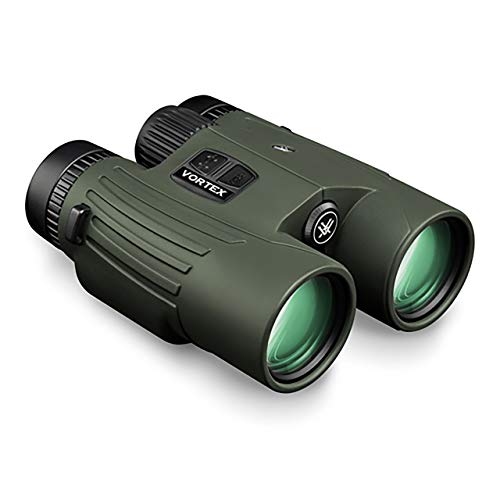
Vortex Fury HD 5000 10×42 Laser Rangefinding Binoculars
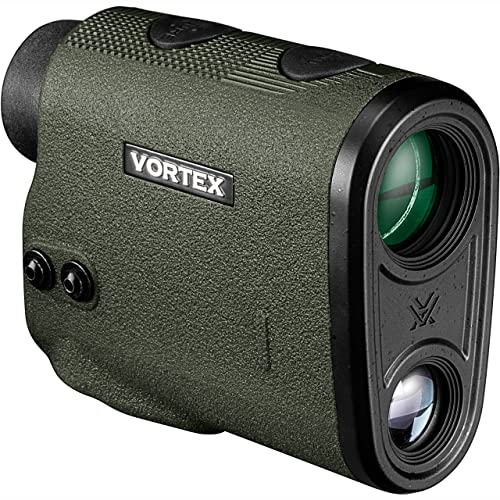
Vortex Diamondback HD 2000 Laser Rangefinder

Leupold RX-1400I TBR/W Gen 2 Rangefinder, Black/Gray

FitSand EVA Hard Case for Halo XL450 Rangefinder

Vortex Razor HD 4000 Laser Rangefinder

Bushnell BoneCollector 850 Laser Rangefinder in Realtree Edge

TIDEWE Hunting Rangefinder, Rechargeable Camo 700/1000Y

MILESEEY IONJET Hunting Rangefinder, 8000 Yds, 7.5X
Taking A Closer Look At The Options
The Crossfire HD 1400 hits a useful middle ground for hunters who want Vortex-grade construction at a price that won’t sting. It carries 5x magnification through a 21mm objective lens, and the HD optical path means color and contrast stay clean when you range across shadowed timber or open prairie. At around 4.8 ounces, it disappears into a pocket or hangs comfortably from a lanyard on all-day sits.
Where it really earns its place is simplicity. The controls are intuitive, the ranging response is quick, and the housing feels tough enough to survive truck-door slams and pocket grit. For someone running a mixed quiver of bow and rifle setups, the menu offers enough modes to stay useful without burying you in options. Compared to the Fury HD 5000 later in this list, the Crossfire gives up raw distance, but for most eastern whitetail hunting and mid-distance western shooting, that gap doesn’t matter.
The Upside
- Lightweight build reduces fatigue on long hunt days
- HD optical system keeps the image sharp across lighting changes
- Straightforward button layout suits first-time rangefinder shoppers
- Real-world ranging covers typical whitetail and mule deer distances
- Reputation for solid weather sealing in the Crossfire line
Things To Consider
- 5x magnification is modest if you prefer long glass sessions
- Game-specific range lands shorter than pricier siblings
Feature Snapshot
Made For
Whitetail and mule deer hunters carrying a bow or mid-range rifle who want a dependable, no-nonsense optic that won’t fight them in the field.
Look Elsewhere When
Glassing wide-open western country at long distances suits the Vortex Fury HD 5000 10×42 Laser Rangefinding Binoculars better, since binoculars deliver much more reach.
The Fury HD 5000 collapses two essential tools into one unit, and that matters more than spec sheets suggest when you’re hiking open country at first light. You get 10×42 binoculars, which means generous light-gathering through those 42mm objective lenses, paired with a built-in laser rangefinder. The right-side button layout lets you glass and range one-handed, saving precious seconds when a bull elk materializes at the edge of a meadow.
Compared to the Crossfire HD 1400 that opened this list, the Fury is heavier and considerably more expensive, but you’re paying for range and the dual function. If you currently carry separate binoculars and a rangefinder on your chest harness, the Fury trims weight and reduces the gear shuffle when something steps out at distance. You may find the larger size unwelcome on a timbered archery hunt, where the Crossfire slips into a pocket and gets the job done faster.
Everyday Perks
- Two-in-one design reduces chest-rig clutter on long stalks
- 10x magnification gives serious reach across open country
- 42mm objectives pull in light for dawn and dusk glassing
- Right-side controls support one-handed ranging
Worth Noting
- Bulkier than a handheld rangefinder for tight timber work
- Higher cost than single-purpose rangefinders
- Heavier carry on long hikes without a harness
Right Fit For
Western big-game hunters glassing vast sage flats and ridge systems who want to identify and range distant animals without swapping gear.
Skip It When
Run-and-gun whitetail archery hunters in tight timber will find the Vortex Crossfire HD 1400 Laser Rangefinder far quicker on the draw.
The Diamondback HD 2000 pushes the laser envelope further than the Crossfire while staying inside reasonable spending territory. You get 2,000 yards of reflective reach, around 1,400 on game, paired with 7x magnification and a 24mm objective. The HD optical path with XR lens coatings pushes light transmission high enough to keep the picture readable in low-light conditions, and a red OLED display stays legible against dark timber.
Owners get two target modes (Normal and Last) and two range modes, Horizontal Component Distance and Line of Sight, which is the kind of flexibility bowhunters shooting steep hills actually need. The ArmorTek lens coatings and rubber armor body hold up to the inevitable tumble off a truck seat. Compared to the Leupold RX-1400i up next, the Diamondback trades away some ballistic sophistication for simpler menus, but it’s also lighter on the wallet.
Practical Pluses
- Extended range handles prairie and plains antelope hunting
- 7x magnification aids long target identification
- Waterproof and shockproof for rough field conditions
- Dual range modes (HCD and LOS) help on angled shots
Trade Offs
- Battery life runs shorter than simpler units in cold weather
- Heavier than pocket-only rangefinders
Key Specs
Best Suited To
Hunters working open agricultural land and Great Plains terrain who need serious reach without paying flagship prices.
A Better Fit Elsewhere
Western big-game riflemen chasing sheep and goats at extreme angles will appreciate the ballistic engine in the Leupold RX-1400I TBR/W Gen 2 Rangefinder more.
The RX-1400i Gen 2 sits in that smart spot between basic rangefinders and the ballistic workhorses costing twice as much. Its True Ballistic Range (TBR) engine, paired with the Flightpath feature, lets you range a target and the unit tells you whether your arrow or bullet will clear obstructions between you and the animal. For hill country archers and western rifle hunters, that single feature can save a wounded animal you would otherwise lose.
The red read stays bright in dawn light, and Leupold’s ranging engine earns a reputation for fast, consistent returns on tough targets. Compared to the Vortex Diamondback HD 2000 just reviewed, this Leupold trades raw reflective range for serious on-board ballistics. You may find the menus busier than the simpler Vortex, but you get a lot more information in exchange.
Key Advantages
- TBR engine accounts for uphill and downhill angles automatically
- Flightpath feature flags obstructions between you and the target
- Fast ranging engine for moving animals
- Bright red display for low-light windows
Minor Gripes
- Learning curve for the menu system on first outings
- Shorter reflective range than some competitors
Whose Shelf It Belongs On
Archers and rifle hunters working steep terrain who want the rangefinder to do the angle math for them.
Swap It Out When
Plains and Midwest hunters on a tighter budget will find the Vortex Diamondback HD 2000 Laser Rangefinder offers more raw range at lower spend.
This FitSand EVA case isn’t a rangefinder, it’s the reason your rangefinder still works in year three. The hard-shell EVA construction shrugs off the drops and scrapes that come standard on hunting trips, and the zipper closure keeps dust and pocket lint off the lenses when the unit rides in a pack. It’s built specifically for the Halo XL450 form factor, with a snug interior that prevents the unit from rattling around on horseback or in an ATV.
For shoppers already owning the Halo XL450, this is the protective case worth adding. For everyone else, it serves as a useful reminder that a dedicated case is one of the smartest accessories you can pair with any of the other rangefinders on this list. Compare that to the soft pouches many rangefinders ship with, which tend to wear through after a season of hard use.
Useful Highlights
- Hard EVA shell protects against knocks and drops
- Custom fit for the Halo XL450 form factor
- Zipper closure keeps debris off lenses
- Lightweight enough to live in a pack permanently
Points To Note
- Model-specific, not a universal rangefinder case
- Rangefinder not included
Perfect Match For
Halo XL450 owners who want a tougher field case than the stock pouch offers.
Consider Something Else When
Owners of other rangefinders on this list should look for a universal case sized to their specific model.
The Razor HD 4000 earns its place as the reach champion in this roundup, with 4,000 yards of reflective range and four distinct targeting modes. The HD optical system delivers the color fidelity and resolution expected from a flagship, and the housing uses the same armor and weather sealing that makes the Razor line a favorite among serious rifle hunters. Four target modes give you the right tool for any ranging scenario, from a deer in thick brush to a distant rock face.
The price puts it at the edge of what counts as cheap. Compared to the Diamondback HD 2000 reviewed earlier, you pay double for much more range and the more refined targeting system. For a first-time rangefinder shopper, the Razor is overkill, but for the open-country rifleman chasing pronghorn or sheep, the extended reach is genuinely useful. You may find the size and weight too much for timbered archery work, where the Crossfire HD 1400 is simply faster.
What It Does Well
- 4000-yard range handles extreme open-country distances
- Four targeting modes cover every ranging scenario
- Flagship HD optics deliver sharp imaging
- Tripod adaptable for stable long-distance ranging
Room For Improvement
- Premium price tag limits accessibility
- Bigger body than pocket-friendly options
- Overkill for typical whitetail ranges
Who It Suits Best
Open-country riflemen hunting antelope, sheep, and high-country deer who need extreme range capability.
Another Choice May Suit
Whitetail hunters in timber should consider the Vortex Crossfire HD 1400 Laser Rangefinder for its pocket-friendly size and lower spend.
The BoneCollector 850 makes its case through the front lens, where a 50-percent-larger fully multi-coated objective pulls in serious light for dawn and dusk hunting windows. That matters more than raw range when you’re chasing whitetails in the last fifteen minutes of shooting light, because a bright image lets you confirm the buck before you commit to the shot. The Realtree Edge camo finish helps the unit disappear against a chest harness or pack.
Bushnell has been building hunting optics long enough that the ergonomics feel right in hand, and the display reads clearly without forcing you to hunt for the numbers. Compared to the Vortex Crossfire HD 1400 earlier in this list, the BoneCollector trades a bit of magnification punch for better low-light performance. For someone whose hunting day starts before sunrise and ends after sunset, that trade is worth making.
The Practical Payoff
- Oversized objective lens excels in low light
- Realtree finish blends with hunting clothing
- Bushnell build quality and weather sealing
- Bright display readable through polarized sunglasses
A Few Limitations
- Lower magnification than glassing-focused models
- Reflective range shorter than premium options
Who Should Grab It
Whitetail hunters chasing the dawn and dusk movement windows where every extra bit of light transmission matters.
Where Another Pick Suits Better
Long-range rifle hunters chasing western game will get more from the Vortex Razor HD 4000 Laser Rangefinder and its extended reach.
The TIDEWE rangefinder earns its slot as the budget-friendly option that still pulls weight in the field. Six times magnification covers typical hunting scenarios, and the unit offers multiple modes including straight-line distance, vertical distance, horizontal distance, speed measurement, and scan mode. The rechargeable battery is a real perk, since you stop burning through coin cells every season, and the camo finish looks at home against field gear.
The honest read is that this unit sits well below the Vortex and Leupold models reviewed above in optics quality and weather sealing, but it costs a fraction of what those flagships do. For a new hunter, a backup unit, or someone who needs a rangefinder for the truck without worrying about scratches, the TIDEWE makes sense. You may find the range returns less consistent on distant or partially obscured targets than premium units.
Everyday Advantages
- Rechargeable battery eliminates coin-cell replacements
- Multiple ranging modes cover most hunting scenarios
- Camo finish suits field use
- Accessible price for first-time buyers
Soft Spots
- Optics quality trails premium competitors
- Range consistency on tough targets varies
- Weather sealing less robust than flagship units
Built With In Mind
New hunters, casual shooters, and anyone needing a budget-friendly rangefinder without the flagship price tag.
Reach For A Different Pick When
Serious western big game work deserves the optical clarity and range of the Vortex Razor HD 4000 Laser Rangefinder.
The MILESEEY IONJET pushes the boundary of what a hunting rangefinder claims to measure, with a stated reflective range up to 8,000 yards. Beyond that headline figure, the unit ships with ballistic and archery modes, point-to-point ranging, line-of-sight mode, environmental sensors, and dual power options. The 7.5x magnification pairs with what MILESEEY calls an Adaptive MicroLED display for clear numbers against varied backgrounds.
Whether that 8,000-yard figure means anything depends on what you’re ranging. Reflective targets at that distance are a different conversation than a deer in cover, and you may find the real-world game ranging much shorter than the marketing. Compared to the Vortex Razor HD 4000 reviewed earlier, the IONJET offers more claimed range and a sensor-loaded feature list, but Vortex’s reputation for durability and customer support still carries weight. For the tech-hungry shooter who wants every mode packed in, the IONJET delivers features in spades.
Standout Benefits
- Stated range far exceeds most competitors
- Ballistic and archery modes in one unit
- Environmental sensors add context to readings
- Dual power options add field flexibility
Areas To Watch
- Reflective range claims often exceed real-world game ranging
- Brand recognition trails established competitors
Who Will Love This
Tech-focused long-range shooters who want every mode and sensor packed into a single rangefinder.
Not Your Match When
Shoppers prioritizing brand reputation and proven durability will find the Vortex Razor HD 4000 Laser Rangefinder a more established choice.
What To Weigh Before Choosing A Cheap Hunting Rangefinder
Maximum Range Vs Usable Range
Manufacturers love headline figures, but the maximum range is usually measured against a highly reflective target under perfect conditions. A deer at the edge of a field doesn’t reflect light the same way a metal barn door does. For most hunting scenarios, a rangefinder that hits reliably at 600 to 800 yards on game matters more than one that boasts 4000 yards in ideal tests. Look for specs that distinguish reflective maximum from game maximum, and weight the game figure more heavily.
Magnification And Objective Lens Trade-Offs
Higher magnification helps identify distant targets before you range them, but it shrinks the field of view and amplifies handshake. Objective lens diameter determines how much light the unit gathers, which matters most at dawn and dusk. A 7x24mm unit hits a useful balance for most hunters, while a 10x42mm binocular-rangefinder trades pocket-friendliness for serious reach and light gathering.
Ranging Modes For Your Terrain
Horizontal Component Distance, often shortened to HCD, accounts for steep uphill and downhill angles and tells you the actual horizontal distance to the target. That matters because arrows and bullets fly in arcs that don’t care about the slope. Line of Sight mode gives you the straight-line distance, useful for holdover estimation. If you hunt flat ground, LOS is fine. If you chase elk in mountains or shoot from tree stands, HCD saves missed animals.
Build Quality And Weather Sealing
A rangefinder that fogs up or fails after a season in the rain isn’t cheap, it’s expensive. Look for explicit waterproof and fog-proof ratings, and rubber armor housing that survives drops onto rocks. The brands that have been in optics for decades tend to weather-seal more reliably, though newer entrants sometimes pack more features at lower cost.
What Buyers Often Miss In This Category
Where Shoppers Go Wrong
Many first-time rangefinder shoppers chase the biggest maximum range number and ignore the rest of the spec sheet. A 4000-yard unit that struggles at 300 yards on a partially obscured deer is worse in the field than an 800-yard unit that locks on quickly every time. Sample ranging speed, target acquisition, and consistency reviews more than the headline figure.
What The Higher Tier Buys
Stepping from budget units to premium rangefinders buys you faster ranging engines, more reliable returns in rain or fog, sharper low-light optics, and better weatherproofing that holds up across seasons. Premium brands also tend to include better ballistic calculation modes, which matter for hill country archery and long-range rifle work. For most eastern whitetail hunters, a solid mid-tier unit handles the job. For western big-game riflemen chasing sheep and goats at distance, the premium tier earns its keep.
Frequently Asked Questions
What Is The Best Cheap Hunting Rangefinder For Beginners?
The Vortex Crossfire HD 1400 stands out as a strong starting point because the controls stay simple, the housing feels solid, and the brand’s reputation for support is well established. It offers enough range for typical whitetail and mule deer scenarios without overwhelming new users with menus.
How Many Yards Of Range Do I Really Need For Hunting?
For whitetails at close timber distances and mid-range western deer, 600 to 800 yards of game ranging handles most real-world scenarios. For open-country rifle hunters chasing pronghorn or sheep at longer distances, 1000 yards or more on game becomes useful, especially when paired with reliable acquisition on tough targets.
Are Rechargeable Rangefinders Better Than Battery-Powered Models?
Rechargeable units like the TIDEWE save you from buying coin cells every season, but cold weather can reduce battery performance on either type. Battery-powered units are easier to swap in the field, while rechargeable units tend to be lighter and more environmentally friendly over years of use.
Do I Need A Rangefinder With Angle Compensation?
Angle compensation, often listed as HCD or True Ballistic Range, matters most for archers shooting from tree stands and riflemen shooting on steep terrain. Hunters working flat ground or short distances can rely on standard line-of-sight ranging without losing accuracy.
Can I Use A Hunting Rangefinder For Golf Or Other Activities?
Many hunting rangefinders work fine for golf, archery, and general outdoor distance measuring, since the underlying laser technology is similar. The main difference is hunting units often prioritize deer-sized target acquisition, while golf-specific units may optimize for flags and broader field-of-view readings.