
Range finders used to feel like gear reserved for tour players and backcountry hunters, but the category has quietly opened up. Plenty of capable units now sit well below four-figure territory, and a few sub-$200 rangefinders genuinely surprise on the course or in the field. The catch is that “cheap” covers a wide spread: a basic golf slope unit, a rugged hunting optic, and a single-purpose disc golf tool all wear the same label but solve very different problems.
That is the lens this list uses. Each pick below was chosen for what it does best at its price tier, who it actually suits, and where a different item on the list might serve you better. You will find golf units, hunting lasers, a binocular-style unit, two protective cases, and a disc-specific tool, because the category is broader than most shoppers realize.
A Quick View Of The Lineup

Bushnell Golf Tour V6 Shift Patriot Pack

TUSITA Silicone Case for Bushnell Tour V5

Vortex Crossfire HD 1400 Rangefinder
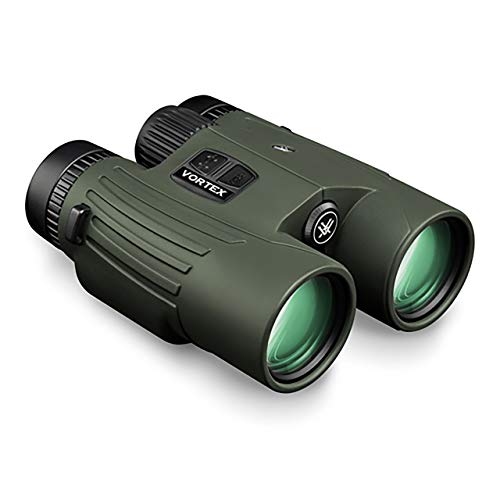
Vortex Fury HD 5000 10×42 Rangefinding Binoculars
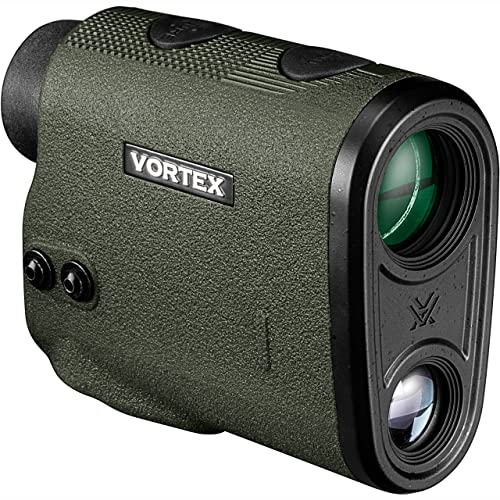
Vortex Diamondback HD 2000 Rangefinder

Bushnell Golf Tour V6 Shift Rangefinder

Vortex Razor HD 4000 Rangefinder

Xxerciz Silicone Case for Callaway 300 Pro

Rogue Iron Disc Golf Range Finder
Taking A Closer Look At The Options
The Patriot Pack version of Bushnell’s Tour V6 Shift leans into the “everything in the bag” approach: the rangefinder, a ball marker, a carry case, and a signature series towel all arrive together. For golfers who hate buying accessories one at a time, that bundle math alone makes this an easy starting point compared to a bare V6 body.
The unit itself uses a refreshed slope algorithm (a slope algorithm adjusts yardage for uphill and downhill lies) that the brand positions as tour-trusted, and PinSeeker mode isolates the flag against background clutter. The 6X magnification and 1,300-yard ceiling cover any course you will play, and the magnetic cart mount snaps onto a steel cart frame so you can grab it without fishing through a pocket between shots.
A Few Highlights
- Bundled accessories remove the need to shop for a case or towel separately
- PinSeeker with visual jolt confirms the flag without guessing through tree cover
- Magnetic mount keeps the unit accessible on steel-framed carts in windy conditions
- External slope switch supports tournament-legal play when toggled off
- App-paired 3D flyovers help you preview unfamiliar greens before the round
Things To Consider
- The Patriot Pack markup over a standard V6 Shift is real, and shoppers who already own accessories may not need the extras
- Slope compensation must be manually disabled for sanctioned events, which is easy to forget
Key Specs
Who It Suits Best
Mid-to-low handicap golfers who play full-length courses and want a one-purchase bundle that covers accessories and main unit on the same order.
Where Another Pick Suits Better
Shoppers who already own a case and prefer a smaller spend should look at the bare Bushnell Golf Tour V6 Shift later on this list.
Cases are usually an afterthought, but the TUSITA silicone sleeve turns into the kind of small upgrade you appreciate on day three of a tournament trip. It is molded specifically for the Bushnell Tour V5 Slope and V5 Shift, which means every button, port, and the eye-piece stay aligned without trimming. The fit is the feature here.
The silicone absorbs the kind of cart-bounce and turf-drop knocks that otherwise leave scuffs along the body of a rangefinder. It adds a small amount of grip too, which matters when your hands are damp in early-morning tee times. Compared with hard-shell cases, this sleeve stays slim enough to keep the unit pocket-friendly.
Everyday Wins
- Form-fit molding keeps every control accessible without removal
- Silicone cushioning reduces scuffs from cart vibration and accidental drops
- Slim profile preserves the pocket-friendly footprint of the original V5
- Added grip texture helps in damp morning conditions on the course
Points To Note
- Compatibility is limited to the V5 and V5 Shift, so this is not a universal sleeve
- Silicone can attract pocket lint over time, which owners commonly report and wipe clean easily
Who It Suits Best
Bushnell V5 owners who carry their rangefinder in a pocket or cart cubby and want scratch protection without bulking up the form factor.
Look Elsewhere When
Golfers carrying a Callaway 300 Pro should consider the Xxerciz case later in this list, since that model is built for a different device.
The Crossfire HD 1400 is the entry point hunters usually meet first, and for good reason. It weighs roughly 4.8 ounces, fits comfortably in a coat pocket or binocular harness, and offers a 1,400-yard reflective range with 750 yards on game, which covers most whitetail and western mule deer scenarios you will encounter.
The 5X magnification and 21mm objective (objective is the front lens, measured in millimeters) keep the optic compact, while the HD glass system holds a clear image in low light at dawn and dusk. For bowhunters who also shoot rifle, the angle-compensated HCD mode (Horizontal Component Distance, which gives the level-ground equivalent of an uphill or downhill shot) reads out the yardage that ballistics calculators actually use.
The Helpful Details
- Light 4.8 oz body reduces neck fatigue on all-day hunts
- HCD mode delivers shot-relevant distance on angled terrain
- HD optical clarity holds up at dawn and dusk when game typically moves
- Simple two-button layout is glove-friendly in cold weather
Trade Offs
- 5X magnification is lower than the Razor and Fury HD units later on this list
- Game ranging tops out around 750 yards, so open-country elk hunters may want more reach
- Display readability in heavy fog is limited compared to higher-tier OLED units
Feature Snapshot
Built With In Mind
Eastern whitetail hunters and archery-only shooters who need a light, dependable unit without paying for glass they will not use.
Reach For A Different Pick When
Spot-and-stalk hunters ranging across canyons and open basins should reach for the Vortex Razor HD 4000, which carries a longer useful game range.
The Fury HD 5000 is the unit you reach for when glassing and ranging should be the same action. Instead of swapping between a binocular and a pocket laser, you scan, range, and read out distance through a single optical path. Right-side button controls keep one-handed operation realistic while you steady the binos on a tree or pack frame.
The 10×42 platform is a familiar hunting configuration, and Vortex’s HD system helps the image hold together at the edges where cheaper binos tend to soften. The trade-off is bulk and weight compared to a single-eye laser, which is why this is a “two trips in the truck” tool rather than a stalking optic.
Where It Helps
- Combines glassing and ranging into a single step across open country
- Right-side button cluster supports one-handed range reads in the field
- HD optical system keeps edge sharpness usable for game ID at distance
- Long maximum range suits western elk, sheep, and mule deer setups
Honest Caveats
- Bulk and weight make it less ideal for still-hunting from a treestand
- Premium pricing compared to single-eye lasers in the same brand family
- Lens cleaning on a 42mm objective is a two-cloth job, which owners commonly note
Whose Shelf It Belongs On
Backcountry hunters running spot-and-stalk missions where the same optic handles glassing ridges and pulling distance on a target.
Swap It Out When
Treestand hunters who only need quick yardage on close-range whitetails will find the Vortex Diamondback HD 2000 a lighter, simpler carry.
The Diamondback HD 2000 earns its place on a “cheap range finders” list because it stretches what a sub-$300 unit can do. With a 2,000-yard reflective ceiling and roughly 1,400 yards on game, it actually has more reach than the Crossfire HD 1400 sitting one slot above it. For most hunters, more range on paper is not always useful, but here it is paired with a sharp 7X magnification and a 24mm objective.
The HD optical system and XR lens coatings (extra reflective multi-coatings on each lens surface) work together to keep light transmission high in the late-evening window when game tends to slip out. Two target modes (Normal and Last) and two range modes (HCD and LOS, where LOS is straight-line distance rather than the angle-corrected figure) give you options without burying the interface under menus.
What Works In Its Favor
- Reach on game rivals units well above this price tier
- XR coatings support cleaner reads during low-light legal shooting hours
- ArmorTek lens coating resists scratches from pocket grit and field debris
- Rubber-armored body holds grip in cold or wet weather
A Few Limitations
- Heavier than the Crossfire HD 1400, which matters on long stalks
- Red OLED display can wash out slightly in direct midday sun
- Tripod-adaptable but most hunters leave it handheld, where a steady hold matters at full magnification
Quick Facts
Best Suited To
Midwest and Great Plains hunters who range across CRP (Conservation Reserve Program grasslands), crop stubble, and rolling terrain where a longer useful game range pays off.
Where A Sibling Pick Shines
Treestand hunters with shorter shot windows should consider the lighter Vortex Crossfire HD 1400, which is plenty for close-range work.
The bare Tour V6 Shift is the same rangefinder found inside the Patriot Pack, just without the bundled accessories. For golfers who already own a towel, case, and ball marker, paying only for the unit makes more sense. The 6X magnification and 1,300-yard ceiling match the bundle version exactly.
The standout practical feature is the external slope switch, which lets you toggle slope compensation off before a sanctioned round without diving into a menu. Visual Jolt paired with PinSeeker adds a tactile confirmation when the flag locks, which speeds up pace of play during competitive rounds.
What Helps Most
- External slope toggle avoids menu diving before tournament rounds
- Visual jolt vibration confirms flag lock quickly under pressure
- Magnetic cart mount sticks to steel frames for fast access between shots
- Lower price than the Patriot Pack bundle for shoppers who already own accessories
Worth Noting
- No carry case, towel, or ball marker included, unlike the Patriot Pack
- Waterproofing helps in rain but the body still benefits from a sleeve in cart cubbies
Who Should Grab It
Golfers who play in league play or club championships where slope must be disabled, and who already own the small accessories.
Skip It When
First-time rangefinder owners starting from zero should consider the Patriot Pack earlier on this list, since the bundled accessories save a separate purchase.
The Razor HD 4000 sits at the top of Vortex’s hunting lineup and the price reflects it, but it is the unit archers and serious long-range shooters tend to land on. The four targeting modes, Normal, First, Last, and Extended Laser Range, give you precise control over what the laser locks onto, which matters when ranging thin game targets through cover.
The primary HCD mode delivers angle-compensated distance that pairs cleanly with ballistic apps. Compared to the Crossfire and Diamondback covered earlier, the Razor adds meaningfully better optical clarity and a more capable display, which is why it earns the “performance leader” badge here.
Strengths Worth Knowing
- Four targeting modes handle cluttered landscapes better than two-mode units
- Premium HD optics support longer target identification at distance
- LOS and HCD readouts cover both hunters and long-range shooters
- Build quality supports use in cold, wet, and rough hunting conditions
Where It May Fall Short
- Premium pricing compared to the Crossfire and Diamondback units
- Heavier and more complex than casual hunters typically need
- Extended Laser Range mode benefits from a steady hold or tripod for best results
Feature Card
Perfect Match For
Archery and long-range rifle shooters who want a hunting-capable unit that also feeds clean data into ballistic calculators.
A Better Fit Elsewhere
Whitetail hunters running short-range setups from a treestand will find the Vortex Crossfire HD 1400 more than enough at a friendlier price.
Like the TUSITA sleeve earlier on this list, the Xxerciz case earns its spot because the right protective fit matters once you start using a rangefinder every round. This one is molded specifically for the Callaway 300 Pro, with cutouts for the magnet that lets the unit snap to a cart and for every port the device exposes.
The liquid silicone build keeps the sleeve soft and flexible in cold weather, which is when hard-shell cases tend to crack. A nylon lanyard adds a carry option so you can hang the rangefinder from a golf bag loop instead of stuffing it into a pocket.
A Few Strong Suits
- Magnet cutout preserves the snap-on cart function without removing the case
- Liquid silicone stays flexible in cold early-season rounds
- Nylon lanyard adds a bag-loop carry option
- Precision cutouts keep all buttons accessible without removing the sleeve
What To Weigh
- Compatibility is limited to the Callaway 300 Pro, so other units will not fit
- Liquid silicone can yellow over years of UV exposure, depending on storage
Right Fit
Callaway 300 Pro owners who carry their rangefinder on a bag loop and want protection that does not interfere with the magnetic cart mount.
Consider Something Else When
Bushnell Tour V5 owners should consider the TUSITA case earlier in this list, since each sleeve is built for a specific body.
Disc golf yardage is a different problem than ball golf or hunting. You usually need a quick read on a basket or a tree line, and you do not care about slope-adjusted tournament-grade ballistics. The Rogue Iron leans into that with a single “DG Mode” (disc golf mode) tuned for the sport, which removes the menu-diving that complicates repurposed golf units.
The rechargeable battery is a small but real win, since coin-cell hunting units tend to die mid-round. Default measurement reads in feet, which matches how disc golfers typically call distance, and the unit can switch to yards or meters when needed.
The Good Stuff
- Single-purpose DG mode removes confusion for casual disc golfers
- Rechargeable battery avoids mid-round coin-cell failures
- Feet-first readout matches how disc golfers call distance
- Switchable to yards or meters for travel rounds abroad
Some Limits To Know
- Not suited for ball golf or hunting, since the modes and tuning differ
- Disc golf-specific tuning means it is a niche pick rather than a multi-use tool
At A Glance
Who Will Love This
Disc golf players who want a purpose-built tool rather than a repurposed golf unit with modes they will never use.
Not Your Match When
Ball golfers and hunters are better served by the Bushnell or Vortex units elsewhere on this list.
Factors To Consider When Choosing Cheap Range Finders
The first decision is use case, since golf, hunting, and disc golf rarely benefit from the same unit. Golf rangefinders prioritize flag-lock confirmation, slope toggle for casual rounds, and a magnetic cart mount for fast access. Hunting units prioritize angle-compensated distance, longer game range, and low-light optical clarity. Disc golf units prioritize simplicity and a feet-first readout.
The second decision is magnification versus form factor. Higher magnification helps identify targets at distance but adds shake at full zoom and increases the body size. A 5X or 6X unit stays pocket-friendly and works fine for typical distances. A 7X or 10X unit gives a tighter target image but benefits from a steady hold or tripod for the longest shots.
The third decision is the slope and target-mode question. Slope compensation is helpful for casual play but disqualifies a unit from many sanctioned tournaments, so an external toggle is a small but real convenience. Target modes like First and Last matter most when ranging through brush or branches, which is more of a hunting concern than a golf concern. Pick the modes you will actually use rather than paying for a longer list.
The fourth decision is build and weather resistance. Rubber-armored bodies survive cart vibration and the occasional drop, while waterproofing matters for wet rounds and damp hunting mornings. If you carry the unit loose in a pack, a silicone case like the TUSITA or Xxerciz sleeves on this list adds a meaningful layer of protection.
Things To Weigh Before You Click Buy
Pitfalls Shoppers Hit
The most common mistake is buying a golf rangefinder for hunting, or vice versa. Slope algorithms tuned for fairway play are not the same as angle-compensated readouts that feed ballistic calculators, and disc golf mode is not a feature on most hunting units. Match the category before you compare specs.
The second mistake is chasing maximum range numbers. Reflective range ratings are measured against ideal targets, and game range is often a third to half of that figure. A 2,000-yard reflective ceiling may only yield 1,400 yards on a deer, which is plenty for most hunters but worth checking before paying up for reach you will not use.
Where The Extra Money Goes
Premium tiers typically buy better optical glass, more target modes, and tighter build quality. The Vortex Razor HD 4000 costs more than the Crossfire because the optics and mode set are meaningfully upgraded. Whether that is worth it depends on how often you use those features. Casual weekend hunters often do not need the upgrade, while serious archers and long-range shooters usually do. Golfers moving from a basic unit to a Bushnell Tour V6 Shift gain a more reliable flag-lock system and a magnetic cart mount, which pays off across many rounds.
Frequently Asked Questions
What counts as a cheap range finder?
A cheap range finder usually means a unit priced below the premium $500 tier, often in the $150 to $400 range. At this level you can expect solid optical quality, slope or angle compensation, and either golf-specific or hunting-specific tuning, but not every advanced feature found on flagship models.
Are cheap range finders accurate enough for golf?
For casual rounds and most league play, yes. Units from brands like Bushnell and Vortex in the price range covered here consistently deliver yardage within a yard or two on flat lies, which is well inside the tolerance needed for club selection. Premium tiers add slightly better optics and faster flag lock, but the accuracy gap on standard shots is small.
What is slope compensation on a rangefinder?
Slope compensation adjusts the line-of-sight distance for uphill or downhill lies, giving you a “plays like” yardage that matches how the ball or shot will actually travel. It is helpful for casual rounds and practice but is usually not allowed in sanctioned tournaments, which is why many units include a toggle to disable it.
Can one rangefinder work for golf and hunting?
Some users do carry a single unit across both, but features rarely align perfectly. Golf units optimize for flag lock and slope toggles, while hunting units prioritize angle-compensated distance for ballistic apps and longer game range. For occasional crossover use a hunting-leaning unit often adapts better than a golf-only unit.
How do I maintain a range finder in the field?
Keep the objective lens clean with a soft cloth, store the unit in a case or sleeve when not in use, and replace or recharge the battery before long trips. Avoid leaving the rangefinder in a hot car, since temperature swings can affect optics over time. Owners commonly wipe the lens between rounds to keep readings consistent.