
A full day on the trail means hauling enough water to stay sharp, and a rigid bottle eats pack space fast. Collapsible water bottles for hiking solve that by squashing down to nearly nothing when empty, then expanding into drinkable capacity the moment you need it. Some pair with built-in filters so a stream becomes drinkable, others stash in a hipbelt pocket or a coat. Across this lineup, you’ll find filter bottles, insulated steel options, and lightweight reservoir-style bags that suit different trail habits, climates, and group setups.
A Snapshot Of The Selections
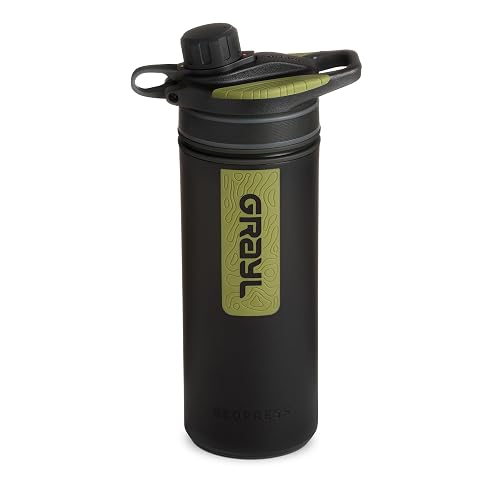
GRAYL GeoPress 24 oz Water Purifier & Filter Bottle
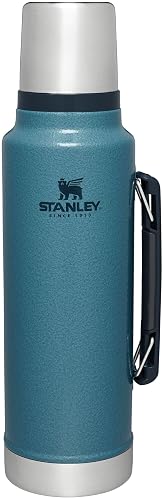
Stanley Classic Legendary Vacuum Bottle
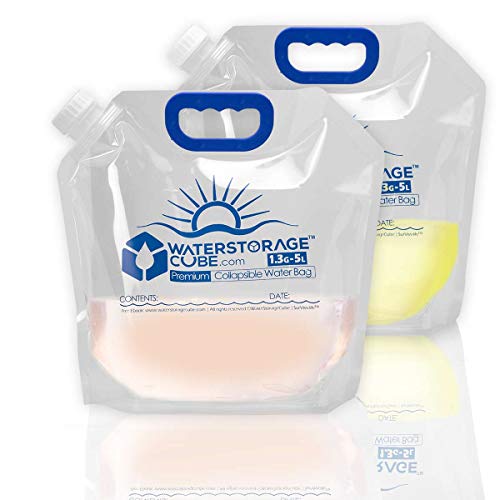
WaterStorageCube Premium Collapsible Water Container Bags 1.3 Gal (2-Pack)
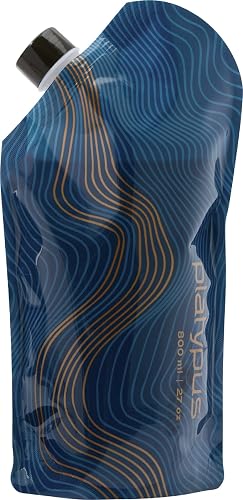
Platypus PlatyPreserve
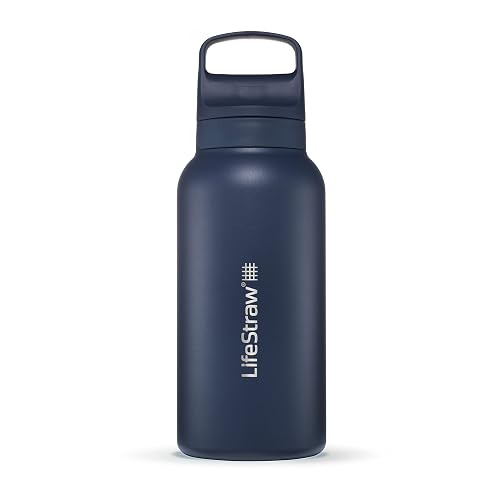
LifeStraw Go Series Insulated Steel Water Filter Bottle, 1 L
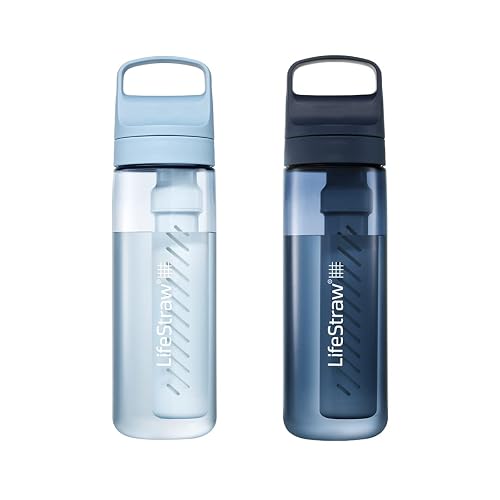
LifeStraw Go Series Water Bottle, 22 oz, 2-Pack
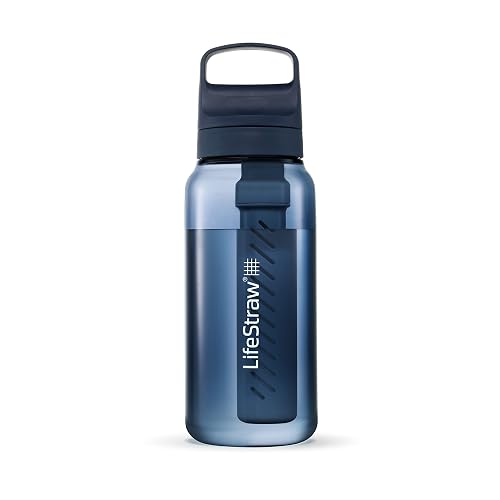
LifeStraw Go Series BPA-Free Water Filter Bottle, 1 L
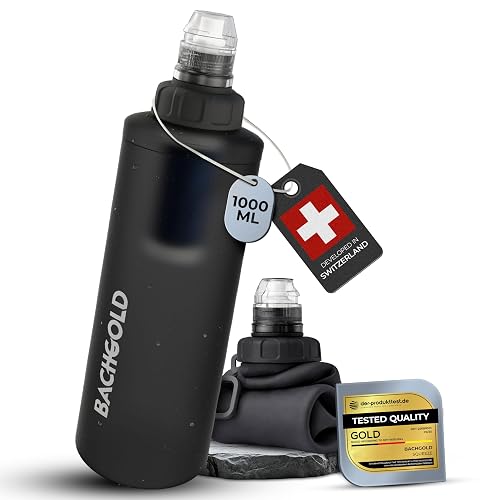
Bachgold Squeeze Collapsible Water Filter Bottle, Gray 33.8 oz
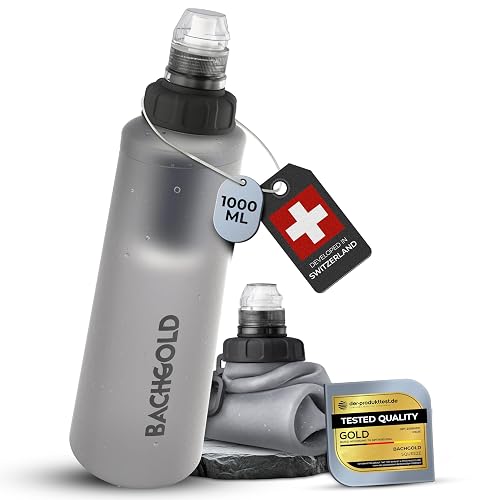
Bachgold Squeeze Collapsible Water Filter Bottle, White 33.8 oz
Taking A Closer Look At The Options
The GRAYL GeoPress earns its place at the top by trading a slow squeeze for a quick, press-style purification step. Fill the outer cup from a stream, drop in the cartridge, press down, and you have 24 ounces of clean water in about 8 seconds. A hollow-fiber membrane (a filter with tiny straw-like fibers that physically block microbes) backed by an adsorbent media (a carbon-style layer that grabs chemicals and improves flavor) tackles viruses, bacteria, and protozoa in one motion.
For hikers headed into regions where giardia, cryptosporidium, or norovirus are real concerns, that layered approach feels reassuring. The rigid cup body does not collapse, so this pick behaves more like a purifier than a true squeezable bottle. The trade-off shows up in pack bulk, which you accept in exchange for that fast, mechanical press step.
The Value In It
- One-press purification cycle, faster than gravity or slow-squeeze rivals.
- Targets viruses along with bacteria and protozoa, which most trail filters skip.
- Rigid 24 oz cup doubles as a drinking vessel at camp.
- Replaceable cartridges keep long-term ownership cost predictable.
Things To Consider
- Not actually collapsible, so it occupies more pack space than soft bottles here.
- Press action takes two hands and a bit of force, awkward on uneven footing.
Who It Suits Best
Backcountry travelers and international trekkers who refill from streams, cisterns, and taps where viral contamination is a realistic concern.
A Better Fit Elsewhere
Day hikers who only need light sediment removal and maximum pack compactness will get more value from the Bachgold Squeeze Collapsible Water Filter Bottle in white.
Stanley’s Classic Legendary Vacuum Bottle arrives as a stainless workhorse, not a squeezable reservoir. A double-wall vacuum seal (two metal layers with the air sucked out between them, blocking heat transfer) holds temperature over long stretches, and a leakproof cap means it rides safely in a pack beside a phone or soft shell. For cold-weather hikers, hot-beverage lovers, and folks who treat their bottle like a thermos, it earns its keep on summit days.
It does not fold flat, so the trail-friendly space savings that the rest of this list delivers are absent. What you trade in packability you recover in durability, with a steel body that shrugs off drops onto rock. Compared to the GRAYL purifier above, this pick is a thermal vessel first and a hydration tool second.
Positive Points
- Vacuum insulation suited to hot drinks in winter and cold water in summer.
- Leakproof seal keeps contents inside a pack during rough scrambles.
- Stainless exterior handles daily knocks and drops for years of use.
- Wide mouth makes hand-washing and ice cube loading painless.
Worth Noting
- Not collapsible, so it always claims its full size in your pack.
- Heavier than plastic reservoir options, noticeable on long mileage days.
Made For
Car-campers, winter hikers, and thermos loyalists who want coffee or tea still steaming hours after pour.
Look Elsewhere When
Ultralight backpackers chasing every ounce will find the WaterStorageCube Premium Collapsible Water Container Bags a flatter, lighter carrying option.
WaterStorageCube’s two-pack shifts the conversation from personal sips to group hauling. Each 1.3-gallon bag folds flat when empty, slips into a side pocket, and inflates into a soft water reservoir with a screw cap. The food-grade PET/PA/PE plastics (a multi-layer film rated safe for drinking water) keep the interior BPA-free, and the clear body lets you eyeball your water level at a glance.
These are not drinking bottles, they are cargo bags for carrying, storing, and pouring. Camp kitchens, river stops, and emergency kits all benefit from the 2.6-gallon combined capacity. Think of them as a collapsible jerry can rather than a hydration bottle, and the use case clicks into place.
Useful Highlights
- Packs down to almost nothing when empty, ideal for stashing extras.
- Two-bag bundle covers basecamp and group cooking needs at once.
- Clear material makes remaining water easy to estimate in low light.
- Lightweight, so the 2.6-gallon reserve does not dent your pack weight.
Trade Offs
- Not designed for on-trail drinking, no mouthpiece or filter built in.
- Soft plastic needs careful handling to avoid punctures on rough ground.
Best Suited To
Group leaders, car campers, and emergency-prep households who need flat-stowing water reserves that deploy fast.
Reach For A Different Pick When
Solo hikers looking for a personal trail bottle should consider the LifeStraw Go Series Water Bottle in the 1 L size instead.
Platypus’s PlatyPreserve is a curveball on a hydration list, since its design center is sealed liquid storage rather than active filtration. The flexible bladder, sealed by an airtight cap, lets you squeeze out excess air to slow oxidation (the slow chemical change that flattens flavor in opened wine). For backpackers and ski tourers, that means carting a celebratory bottle of wine without the weight and breakage risk of glass.
You can absolutely fill it with water in a pinch, and many owners do exactly that. The honest read is that this pick earns its slot through versatility, not as a primary trail bottle. It is a clever sidekick for trips where pack weight and breakability matter more than filtering capability.
Benefits That Matter
- Airtight seal helps sensitive contents stay fresh longer than corked glass.
- Folds completely flat, slipping into a jacket pocket when empty.
- Light enough that carrying a flask-sized reserve barely registers.
Room For Improvement
- No filter, so it cannot turn stream water into safe drinking water.
- Soft material requires careful handling around sharp buckles and zippers.
Who Should Grab It
Backpackers and ski tourers who want a lightweight, packable container for non-water liquids on backcountry trips.
Skip It When
You specifically need to filter stream water, in which case the Bachgold Squeeze Collapsible Water Filter Bottle in gray is a stronger tool.
The insulated steel LifeStraw Go Series bottle is the most rugged entry in this LifeStraw family. A double-wall vacuum shell (two stainless layers with air removed between them) holds temperature, while the integrated two-stage filter tackles bacteria, parasites, microplastics, chlorine, and sediment. The result is a single bottle that can move from a winter commute to a summer trailhead without missing a beat.
It is not a squeezable soft bottle, so the pack-flat benefit of the Bachgold Squeeze is absent. Where this pick wins is in the everyday carry role, since it pulls double duty as a thermos, a coffee cup, and a refill-anywhere filter bottle. Owners commonly report that the steel shell holds up to years of daily knocks without denting through.
What Makes Sense
- Vacuum insulation keeps cold drinks cold and hot drinks hot across long days.
- Stainless body resists dents and odors better than plastic.
- Two-stage filter handles both microbes and taste-affecting chemicals.
- Refill-anywhere convenience suits travel, airports, and international trips.
Points To Keep In Mind
- Heavier than plastic filter bottles, so it is less ideal for fast-and-light trips.
- Replacement cartridges are an ongoing ownership expense to plan for.
Right Fit For
All-season hikers, commuters, and travelers who want one bottle that filters and insulates equally well.
Swap It Out When
Long-distance backpackers watching every gram should look at the LifeStraw Go Series Water Bottle, 1 L, Aegean Sea (plastic) for a lighter carry.
Feature Snapshot
Buying the LifeStraw Go Series in a two-pack is the budget-friendly path for households and travel pairs. Each 22 oz bottle houses the same two-stage filter as the single-bottle versions, handling bacteria, parasites, microplastics, chlorine, and cloudiness with each sip. One bottle lives in your pack, the other rides in a partner’s daypack, and you both drink clean water from any tap you find.
Plastic construction keeps weight low, though it lacks the thermal performance of the steel option above. If you split trips often or simply want a backup bottle in the car, the bundle pricing stretches further than two solo purchases. It is the practical choice when you want filter assurance for two people without doubling your research time.
Useful Touches
- Two-bottle bundle covers a partner, a kid, or a backup carry.
- Two-stage filtration handles the same contaminants as the single-bottle model.
- Plastic shell keeps weight low for both bottles combined.
- Standardized LifeStraw cartridges make replacements easy to find.
Honest Caveats
- No insulation, so cold drinks warm up faster than in the steel sibling.
- Filters have a finite lifespan, so two bottles mean two cartridge schedules to track.
Whose Shelf It Belongs On
Couples, travel partners, and parents who want a matched set of filter bottles ready for any outing.
Where A Sibling Pick Shines
Solo hikers who care more about insulation than a second bottle will find the LifeStraw Go Series Insulated Steel Water Filter Bottle, 1 L a smarter spend.
The 1 L LifeStraw Go Series in plastic is the everyday-driver pick of the family. The two-stage filter strips bacteria, parasites, microplastics, chlorine, and sediment, so refilling from a sketchy tap, a hostel sink, or a roadside spigot stops being a gamble. The BPA-free body (meaning the plastic contains no bisphenol-A, a chemical sometimes linked to health concerns) keeps weight down and feels neutral in flavor, so water tastes like water.
Versus the steel version covered earlier, this plastic sibling is lighter but lacks thermal insulation. For day hikes, gym sessions, and travel days where you want a refill-anywhere filter, it does the job without complaint. Think of it as the sensible middle child of the lineup.
What It Does Well
- Lightweight plastic makes it a comfortable everyday carry.
- Two-stage filter improves taste and removes a broad range of contaminants.
- 1 L capacity covers a few hours between refills on most outings.
- BPA-free construction keeps flavors clean and neutral.
Less Ideal Details
- Plastic body does not insulate, so warm drinks cool and cold drinks warm faster.
Who Will Love This
Commuters, gym-goers, and travel-day hikers who want reliable filtration without paying for insulation they do not need.
Consider Something Else When
Winter hikers and thermos fans will get more use from the LifeStraw Go Series Insulated Steel Water Filter Bottle, 1 L instead.
Quick Facts
The Bachgold Squeeze in gray is the backcountry tool in this list. A dual-stage system pairs an electro-adsorptive nanofiber layer (a fine mesh that uses electrical charges to grab tiny particles) with a 0.2-micron hollow-fiber membrane (a filter with microscopic pores small enough to block bacteria and protozoa). Together they catch what single-stage squeezable bottles tend to miss, which matters on long stretches between treated water sources.
The soft body collapses as you drink, so you squeeze out exactly the water you want without gulping air. At 33.8 oz, it carries close to a liter in a packable form that flattens when empty. Thru-hikers, bushcrafters, and emergency-prep folks will appreciate the dual-stage approach, though refill pacing depends on how silty your source is.
A Favorable Mix
- Dual-stage filtration catches smaller pathogens and chemical traces.
- Soft body collapses during drinking, so you can squeeze out water as needed.
- 33.8 oz capacity covers a meaningful stretch between reliable sources.
- Packs flat when empty, freeing space for layers or food.
Potential Drawbacks
- Flow rate slows in silty water, so pre-filtering helps on muddy streams.
- Soft construction is less puncture-resistant than hard-shell bottles.
Built With In Mind
Thru-hikers, bushcrafters, and emergency kit builders who want a soft bottle that filters as hard as a hard-shell unit.
A Better Fit Elsewhere
Casual day hikers who do not need dual-stage filtration may prefer the lighter LifeStraw Go Series Water Bottle, 1 L for everyday use.
Feature Rundown
The white variant of the Bachgold Squeeze shares the same dual-stage filtration as its gray sibling. A light-colored shell makes it easy to spot algae or residue during cleaning, which is helpful for first-time filter bottle owners still building a cleaning routine. The 33.8 oz capacity and squeezable body remain unchanged, so this pick behaves identically on the trail.
Where it differs is mostly cosmetic and a touch of peace of mind around cleanliness. The lighter finish shows scratches and grime faster, which is honestly a feature for users who like to keep gear scrubbed. If the color speaks to you, there is no functional sacrifice for choosing white over gray.
Features That Help
- Same dual-stage filtration as the gray version, with no performance trade-off.
- Light color makes residue and mold easy to spot during cleaning.
- 33.8 oz squeezable body covers meaningful trail stretches.
- Packs flat when empty, freeing pack space for layers and food.
Small Caveats
- White finish shows dirt and scuffs faster than darker bottles.
- Flow rate drops in silty water, just like the gray sibling.
Perfect Match For
First-time filter bottle owners and clean-gear enthusiasts who want a bottle that reveals dirt before it becomes a problem.
Not Your Match When
You prefer a darker finish that hides trail grime, in which case the Bachgold Squeeze Collapsible Water Filter Bottle, Gray 33.8 oz is the same tool in a different color.
What To Weigh Before Choosing A Squeezable Trail Bottle
A collapsible water bottle for hiking lives or dies by three things: how small it packs, how safely it filters, and how much water it actually carries. Capacity is the easy number to check first, with personal day-hike bottles usually falling in the 20 to 34 oz range and group-haul bags sitting well above that. Filtration, when present, ranges from basic sediment removal to multi-stage systems that target viruses, so match the filter to the water sources you actually expect to refill from.
Material choice shapes every other decision. Soft TPU and PET/PA/PE plastics (food-safe films used in flexible bottles) collapse flat in a pack and weigh almost nothing, but they puncture more easily and offer zero insulation. Stainless steel shrugs off drops and holds temperature, yet it never packs down and adds weight on long miles. BPA-free plastic sits between those poles, light and neutral in flavor without thermal performance.
Fit for use case matters as much as raw specs. A thru-hiker cares about ounces, a winter walker cares about hot drinks, and a group leader cares about bulk water reserves. Pick the profile that matches the trip you take most, and let the trade-offs follow from there.
Key Considerations Across These Picks
Wrong Turns To Avoid
The most common slip is buying a collapsible bottle for a trip that needs a thermal one, or grabbing a filter bottle for a hike that only touches treated tap water. Match the tool to the source, since a soft bottle will not keep coffee hot and a steel thermos will not collapse in a pack pocket. Check the filter spec against the water you expect, because a sediment-only membrane is not enough where giardia or norovirus are realistic concerns.
When Paying More Pays Off
Higher-tier picks earn their cost through durability, faster filtration, and longer-lasting cartridges. A press-action purifier like the GRAYL GeoPress trades pack space for viral protection, while an insulated steel LifeStraw bottle trades weight for thermal performance and rugged construction. Spend up when the conditions are tough or the trips are frequent, and save when the outings are short and the water sources are reliable.