
The right cow elk call can change a slow glassing session into a close encounter, and the wrong one leaves you blowing into latex that sounds nothing like a real animal. Western hunters chasing rutting bulls know the herd talks back, and matching that vocabulary separates a fun morning from a full pack-out. Diaphragm reeds, push-button units, and bugle tubes each bring something different to the kit, and a smart setup usually pairs two styles rather than betting everything on one. The picks below cover that range, from beginner-friendly mouth calls to full calling systems designed by championship callers.
Your Options, Compared

Phelps Game Calls AMP Elk Diaphragm Hands-Free Mouth Call

Rocky Mountain Hunting Calls 146 Ultimate Bugling System
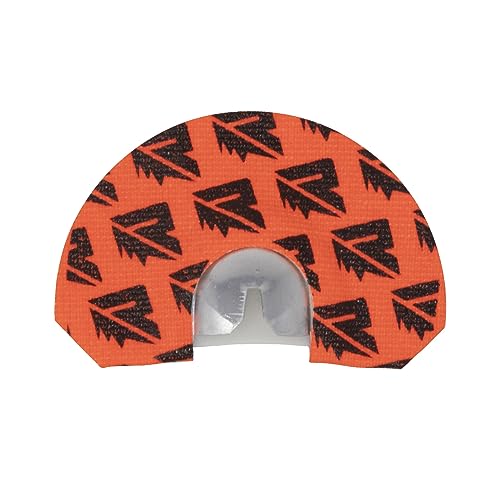
RIVEN Elk Diaphragm Calls Rebel Series Combo Pack

Slayer Enchantress Elk Slayer Combo Push Button + Bugle

Phelps Game Calls AMP Elk Diaphragm Signature Single

Rocky Mountain Hunting Calls C6-S Complete Calling System

Slayer Enchantress Push Button Elk Call Bugle Combo

Slayer Enchantress Replacement Elk Diaphragm Cow Reed

Rocky Mountain Hunting Calls 143 Wild Thang Elk Call
Inside Each Recommended Option
The Phelps AMP multi-pack gives new callers a runway. Each three-reed bundle targets a different stage of the learning curve, from the easy-blowing beginner cut to the louder Signature reed that more experienced hunters reach for on windy ridges. Built on an aluminum frame with precision-stretched latex, the design lets you produce cow chirps, calf mews, and bull bugles with nothing more than breath and tongue pressure.
For a hunter planning a first western elk trip, this pack is the kind of low-commitment kit you can throw in a pocket and practice with on the drive west. Compared to the single Signature reed covered later, the variety here lets you find your tone faster without buying three separate calls.
A Favorable Mix
- Multiple skill-level reeds let you grow without buying new gear
- Aluminum frame keeps the seal consistent when your mouth dries out
- Hands-free design leaves both hands free for bow or rifle
- Latex stretches true, so tone holds up across a full rut
Points To Note
- Beginner reeds run softer, which can struggle in open timber on gusty mornings
- Latex reeds need a few practice sessions before they sound natural
- Pack size is bulkier than carrying a single Signature reed
Feature Snapshot
Right Fit For
First-season elk hunters who want a forgiving multi-reed kit they can grow into across a single rut.
Where Another Pick Suits Better
Hunters who already run a bugle tube should pair the Phelps Signature Single instead, since it skips the extra beginner reeds.
Rocky Mountain’s 146 setup is a three-piece system that runs deeper than a single diaphragm. You get the Wapiti Whacker bugle tube wrapped in MAX-1 camo, the Sure Fire bugle adapter, and the Black Magic mouth diaphragm, all designed to slot together. The V.E.T.T. system inside the tube helps shape airflow so you can land those hard octave shifts when a satellite bull hangs up at a hundred yards.
Callers who already work a mouth call well will appreciate the option to switch between reed-only cow talk and amplified bugling without switching gear. Compared to the Phelps AMP multi-pack above, this is a more advanced kit aimed at hunters who already know what they want a call to sound like.
What Stands Out
- Three-piece setup covers reed, adapter, and amplified bugle in one bundle
- MAX-1 camo wrap keeps the tube quiet against glass and pack fabric
- V.E.T.T. airflow design helps with consistent octave changes
Some Limits To Know
- Bugle tube adds bulk to a pack built around a slim diaphragm kit
- More moving parts mean more pieces to keep track of in low light
Who It Suits Best
Calling-experienced elk hunters who already trust their reed work and want a tube that matches.
Skip It When
Newcomers should start with the Phelps AMP multi-pack since it costs less and forgives bad technique.
RIVEN’s Rebel Series puts three distinct reeds in your mouth-call rotation: Tremor, Rosie, and RS1, each tuned to a different job. Tremor leans into locator bugles and chuckles, Rosie covers the softer cow side, and RS1 rounds out the bull range. The dome shape is designed to sit naturally against the roof of the mouth, which matters when you’re running sequences of calls without fumbling placement.
The included clamshell case is a quiet upgrade over throwing loose reeds in a pocket, where dust and chapstick wick moisture out of the latex fast. If the Phelps AMP pack is about learning one frame at three skill levels, this RIVEN combo is about three voices in one carry.
Where It Excels
- Three reeds cover locator, cow, and bull tones from a single kit
- Dome profile eases placement and reduces readjustments mid-sequence
- Clamshell case shields reeds from grit and body oils
Practical Considerations
- Three reeds means more practice time to learn each reed’s pressure curve
- Latex tape and reeds can dry out if stored in a hot truck cab
Made For
Callers who want tonal variety in one carry and don’t mind spending evenings working each reed.
Not Your Match When
Hunters who prefer a single proven reed should look at the Phelps Signature Single covered next.
The Enchantress combo swaps reed-only calling for a push-button cow call that snaps onto a Swagger bugle tube. You squeeze the button for cow talk, snap it off, and the same rig becomes an amplified bugle. A backup reed rides along in the package for hunters who want reed tone on stand without buying a second kit.
For hunters who tire of coaxing a diaphragm after a few seasons, this is the kind of hybrid that takes the technique out of the equation. Compared to the RIVEN combo above, you trade reed variety for repeatable push-button tone.
Features That Help
- Push-button design delivers consistent tone regardless of caller skill
- Modular tube snaps on and off for fast cow-to-bugle transitions
- Backup reed gives you a fallback if the button seal wears out mid-season
Trade-Offs To Consider
- Push-button tone is repeatable but lacks the subtle inflection a reed offers
- Tube and button rig weighs more in the pocket than a single diaphragm
Best Suited To
Hunters who want consistent calling without the breath-control curve of a mouth reed.
Look Elsewhere When
Callers chasing the soft, nuanced cow talk of a mouth call should reach for the RIVEN Rebel Series instead.
The Phelps Signature Single is the workhorse most western elk hunters end up with. It rides the same aluminum AMP frame as the multi-pack above, but commits to one tuned reed designed for the full cow-to-bull range. The latex stretches true, the seal stays put when the mouth dries out on a cold September morning, and the tone actually opens up the more you run it.
For most hunters, one well-practiced reed beats three you barely use. Compared to the Enchantress push-button combo, this is a quieter, more packable option that rewards callers willing to put in the practice time.
Where It Delivers
- Single tuned reed simplifies muscle memory on stand
- AMP aluminum frame gives a reliable roof-of-mouth seal
- Range covers cow chirps, calf mews, and bull bugles from one reed
- Compact enough to ride in a shirt pocket all season
Honest Caveats
- Single reed means no backup if you tear the latex on a thorn
- Tone takes a few practice sessions to open up fully
Feature Rundown
Who Should Grab It
Western elk hunters who run one well-practiced reed rather than juggling multiple cuts.
Where A Sibling Pick Shines
Hunters wanting tonal variety without the push-button trade-off should consider the RIVEN Rebel Series Combo Pack.
The C6-S is what happens when RMEF World Champion callers put their name on a kit. The Bully Bull Extreme grunt tube runs 21 3/8 inches with a 1 1/2-inch mouth opening, sized for steady back pressure and clean octave jumps. It pairs with an open reed cow call and a diaphragm, plus a Tube Tamer insert that helps shape airflow for cleaner tone.
The Gore Optifade Subalpine wrap keeps the tube quiet in the moment you need it most, sliding against pack fabric without a telltale clack. Compared to the Rocky Mountain 146 covered earlier, this is a tighter, more refined package aimed at hunters who care about the details.
Why It Works Well
- Designed by RMEF World Champion elk callers Rockie and Corey Jacobsen
- Even airflow design supports easier octave shifts and back pressure
- Gore Optifade Subalpine wrap reduces visual and noise signature
- Tube Tamer insert refines tone through the bugle
Worth Bearing In Mind
- Tube length is bulkier than a compact diaphragm-only kit
- Works best paired with a quality mouth call, so the system has a learning curve
Perfect Match For
Bugle-focused elk hunters who want a competition-grade tube matched to a cow call and diaphragm.
Reach For A Different Pick When
Hunters needing a lighter backcountry rig should look at the Rocky Mountain 143 Wild Thang instead.
Where the bigger Enchantress combo above adds a Swagger tube and backup reed, this streamlined version focuses on the core push-button call plus the attachable bugle tube. The button is precision-machined, so each squeeze produces a consistent cow call that doesn’t drift from caller to caller. A military-grade paracord strap keeps the rig around your neck where you can grab it without rummaging through a pack.
First-time elk hunters tend to like this setup because it removes the breath-control variable that frustrates new diaphragm users. The trade-off is expressiveness, since a push button can hit the right tone but rarely the subtle shifts a real cow makes.
Noteworthy Benefits
- Push button removes the breath-control curve for new callers
- Bundle includes paracord strap for fast, quiet access in the field
- Consistent tone across cold hands, dry mouth, or wind
Where It Is Less Suited
- Push-button tone is harder to vary mid-sequence than a mouth reed
- Tube attachment adds weight to a pocket or lanyard
Whose Shelf It Belongs On
First-time elk hunters who want reliable calling without spending weeks dialing in a reed.
Swap It Out When
Callers wanting reed-style nuance should reach for the Phelps AMP Signature Single instead.
These replacement reeds are built specifically for the Enchantress push-button system covered above. Each reed is precision-stretched to match the call’s exact specs, so tone stays consistent after the original wears out. Swapping takes seconds: remove the button sleeve, drop in a fresh reed, and you’re back to calling without tools.
For hunters already running an Enchantress, a couple of spare reeds in the pack is the kind of cheap insurance that saves a season if a reed tears on a cold morning. This is the most niche pick on the list, and it only makes sense alongside the push-button system it was designed for.
Practical Pluses
- Precision-stretched reeds restore the call to factory tone
- Tool-free swap means a fresh reed in the field in minutes
- Multi-pack format keeps backups staged for the full season
Points To Note
- Reeds are only compatible with the Slayer Enchantress system
- Like all latex, lifespan shortens in dry storage or hot truck cabs
Built With In Mind
Hunters who already own an Enchantress push-button system and need season-long reed backups.
A Better Fit Elsewhere
Callers not running an Enchantress should pick a primary call from the RIVEN or Phelps options instead.
The 143 Wild Thang is built around the opposite idea of the C6-S covered above. Where that kit is a full calling system, this is a pocket-sized bugle designed to slip into a hunting shirt and stay out of the way. The compact frame suits hunters covering big country on foot, where ounces and pack space matter more than the broadest sound range.
You’ll give up some of the tonal layering that the larger Rocky Mountain system offers, and you’ll lean on a separate diaphragm for soft cow work. As a backup or a primary call for light packs, the 143 earns its place.
Useful Strengths
- Compact build rides light in a chest or shirt pocket
- Simple to operate without a long learning curve
- Pairs well with a separate diaphragm for full cow-to-bull range
Practical Considerations
- Shorter form means less natural amplification than a longer tube
- Best as part of a kit rather than a single-call solution
Right Fit For
Light-packing backcountry hunters who want a simple bugle in a small footprint.
Consider Something Else When
Callers who want a full calling system in one purchase should choose the Rocky Mountain C6-S instead.
What Matters Most When Shopping for Cow Elk Calls
Sound Type and the Herd Vocabulary
Cow elk calls cover a real range, from soft calf mews to estrus whines, locator bugles, and aggressive bull chuckles. Mouth reeds give the broadest vocabulary but demand practice, while push-button units trade nuance for repeatable tone. Hunters chasing close-range cow talk tend to favor reeds; those working open country where volume matters often add a bugle tube.
Frame, Reed, and Build Materials
Latex reeds stretch across an aluminum or polymer frame, and the frame shape changes how the call sits against the roof of your mouth. Aluminum frames hold a tight seal when the mouth dries out, while polymer frames can feel softer on long calling sessions. Clamshell cases and tube tamer inserts extend reed life in the field, and laminated or camo-wrapped tubes cut noise against pack fabric.
Portability and Pack Weight
Western elk hunts are usually long days on foot, and every ounce counts. Diaphragm reeds disappear into a shirt pocket, while a full bugle tube adds real length and weight. Matching your calling kit to the country you hunt keeps fatigue down and reaction time up.
Skill Level and Practice Curve
Mouth reeds reward practice but punish beginners who don’t put in the time. Push-button systems flatten that curve, which is why first-season hunters often start there. Multi-reed packs bridge the gap by giving one easy reed and one competition-grade reed in the same carry.
Smart Angles for Elk Call Shoppers
Pitfalls Shoppers Hit
The most common misstep is buying a single advanced reed before learning how to control air pressure. New callers often tear latex within a week because they blow too hard instead of pushing with the tongue. Another trap is ignoring backup reeds, since a torn latex in camp on day three ends a calling run fast. Finally, hunters sometimes buy a system that duplicates a call they already own, leaving gaps in the herd vocabulary rather than filling them.
Where The Extra Money Goes
Higher-tier calling systems typically invest in tighter reed tolerances, more refined tube airflow designs, and quieter wrap materials. Championship-backed designs like the C6-S pair the call with proven bugle geometry, which makes octave shifts and back pressure easier to land under pressure. The upgrade pays off for hunters who already know how to call and want gear that responds to subtle input rather than fighting it.