
Predator hunting rewards preparation more than gear. The right call can pull a curious coyote from cover at dusk or spark a defensive response from a territorial pair at dawn. This list compares nine solid options across electronic and mouth-call categories, so you spend less time shopping and more time in the field. Whether you’re a beginner dialing in your first setup or a seasoned hunter adding a specialty call, there’s something here for your style.
The Choices Worth Comparing

Icotec 320+ Predator Call/Decoy Combo

FOXPRO Hellcat PRO Electronic Predator Call

FOXPRO X24 Electronic Predator Call

FOXPRO XDecoy for Coyote Hunting

FOXPRO Hellcat Electronic Predator Call

Primos Hunting Predator Call, Randy Anderson Lil Dog
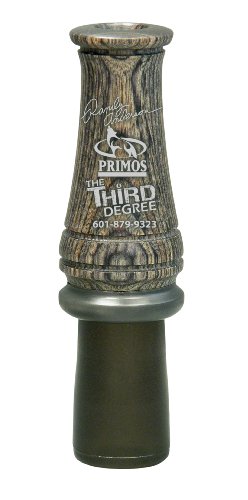
Primos Hunting Predator Call, The Third Degree

Primos Hunting Bear Buster Predator Call

Pete Rickard’s Scotch Predator Call
Meet The Standout Selections
The Icotec 320+ is a complete calling station in one box, bundling a programmable caller with a remote-controlled decoy. You can run two sounds at once, which is handy when you want a distress call layered with a second vocalization to create a more realistic scene. The 300-yard remote range gives you room to stay back and let predators approach without spooking them.
Backlit buttons make sense for low-light setups, and the Bluetooth link between the remote and the unit reaches about 100 yards in open terrain. Backed by 30 professional audio calls, this combo covers the core vocalizations most coyote hunters rotate through during a sit.
Good Reasons To Consider
- Dual-sound playback lets you stack a rabbit distress under a coyote challenge for added realism
- 300-yard remote range keeps you far enough back to avoid being spotted by wary coyotes
- AD400 adjustable-speed decoy adds motion that draws the eye of incoming predators
- Backlit remote buttons are useful for early-morning and last-light calling windows
- Crystal-clear audio reproduction helps vocalizations cut through wind and brush
Things To Consider
- Batteries are not included, so factor in 9 AA cells and one A23 for the remote before your first hunt
- Two-sound layering takes some practice to use convincingly without overcalling
Key Product Details
Who It Suits Best
Hunters targeting coyotes, foxes, and raccoons who want sound plus motion in one package and don’t mind stocking batteries before each outing.
Look Elsewhere When
Predators that respond best to high-volume, single-speaker calling may find the FOXPRO X24 a stronger match for open-terrain setups.
Where the Icotec above offers a strong combo, the FOXPRO Hellcat PRO steps into multi-species territory with serious muscle. It ships with 100 sounds covering coyotes, foxes, bobcats, mountain lions, wolves, bears, raccoons, crows, deer, elk, moose, and hogs, and the USB-C port lets you expand that library to 1,000 sounds over time. The TX-1000 remote has a full-color LCD and backlit tactile buttons that stay readable in rain or low light.
You also get FOXBANG technology, which reacts to recoil by switching to a pre-set sound, plus FOXCAST and Auto-Volume for hands-free adjustments. Ten pre-programmed Pro Sequences automate sound rotation by species, which removes a layer of guesswork when you want to focus on the stand rather than the remote.
Where It Excels
- 1,000-sound capacity through the USB-C port gives long-term flexibility
- Pre-programmed Pro Sequences let you set a species-specific rotation and forget the remote
- Rechargeable lithium battery and wall charger ship standard, so you’re not buying extras
- Full-color TX-1000 remote stays readable in any light condition
Trade Offs
- Remote still requires 3 AA batteries that aren’t included
- Feature depth has a learning curve, especially FOXBANG and custom sequence setup
Right Fit For
Multi-species hunters who want one caller to cover everything from coyotes to hogs and value the rechargeable lithium battery for long seasons.
Consider Something Else When
Predators that respond to simpler setups may find the FOXPRO Hellcat (the non-PRO version) a more approachable entry point at a friendlier price tier.
The X24 is built around an Xtreme High Definition speaker, which pairs a horn driver with a separate tweeter for cleaner highs and stronger overall volume. That matters in open country where you need sound to carry without distortion. FOXMOTION is the standout feature here, fading audio between the left and right speakers to mimic prey moving across the landscape, a subtle trick that pulls in curious coyotes from further out.
The handle folds into a positional stand for elevation on uneven ground, and you get 100 sounds plus access to FOXPRO’s free sound library. Compared to the Hellcat PRO, the X24 leans harder into raw speaker output and realism rather than sequence automation.
What Makes Sense
- XHD horn-and-tweeter speaker delivers high volume with cleaner frequency response
- FOXMOTION directional fading creates a moving-prey effect that curious coyotes key in on
- Fold-out handle converts to a positional stand for uneven terrain
- Access to 100+ free downloads from FOXPRO’s online sound library
Worth Noting
- Lacks the FOXBANG and Auto-Volume smarts of the Hellcat PRO above
- Larger footprint than compact units like the standard Hellcat
Quick Facts
Made For
Coyote hunters working open terrain where volume and realistic movement matter more than sequence automation.
Swap It Out When
Predators in dense cover where the Icotec 320+’s decoy motion makes a stronger first impression than pure speaker output.
The XDecoy is an accessory, not a standalone caller, and that changes who should pay attention. It mounts to the top of any FOXPRO X-Series call (except the XWave) and connects through either the included auxiliary cable or the IR port on newer X-Series models. The motion it adds can be the difference between a coyote committing at 80 yards and circling off.
You can also run it standalone with any FOXPRO game call that has an auxiliary jack. That flexibility makes it useful for hunters who already own a compatible caller and want to upgrade their setup without replacing the whole unit.
Advantages To Know
- Universal X-Series mounting means broad compatibility across FOXPRO’s flagship line
- IR-port connection removes cable clutter on newer X-Series models
- Standalone use with any auxiliary-jack FOXPRO caller expands your options
Less Ideal Details
- Requires a compatible FOXPRO caller, since no audio is built into the decoy itself
- Not compatible with the XWave model, which limits some older setups
Whose Shelf It Belongs On
Hunters who already own a FOXPRO X-Series caller and want to add motion without replacing their existing setup.
Where Another Pick Suits Better
Predators starting from scratch get more value from the all-in-one FOXPRO Hellcat, which combines caller and decoy in a single package.
The standard Hellcat strips out the extras of the PRO version and lands as a practical all-in-one for hunters who don’t need USB-C expansion or sequence automation. You still get the built-in decoy, the comfort-grip remote with a backlit LCD, and glow-in-the-dark raised buttons that you can find without looking. At roughly 2.5 pounds with batteries, it carries light enough for a long walk to a stand.
A tripod adapter on the bottom lets you elevate the unit on a standard camera tripod or the FOXPRO Handle Stand. Compared to the X24 above, the Hellcat trades raw speaker power for portability and a friendlier price.
Useful Strengths
- 2.5-pound carry weight with batteries makes long walks to the stand more manageable
- Glow-in-the-dark remote buttons help in last-light situations without fumbling
- Built-in decoy means fewer pieces to pack and fewer cables to manage
- Tripod adapter on the bottom adds elevation options in open terrain
Honest Caveats
- Remote requires a 9-volt battery that’s not included
- Smaller speaker than the X24, so volume drops off faster at long distances
Best Suited To
Budget-minded predator hunters who want sound plus motion in one unit and don’t need the PRO-level feature set.
Not Your Match When
Predators in wide-open terrain benefit more from the FOXPRO X24’s larger XHD speaker and FOXMOTION realism.
Mouth calls offer something electronics can’t: silence when you want it. The Lil’ Dog ships with two mouthpieces, a green reed for close-in pup-in-distress sounds and a white reed tuned for long-range howls. Swapping takes seconds, which lets you read a stand and adjust without digging through gear.
There’s no remote to lose, no batteries to forget, and no menus to scroll through. Co-designed with Team Primos member Randy Anderson, the call leans on his years of experience in the field. Compared to the Pete Rickard’s Scotch call later in this list, the Lil’ Dog is more compact and easier to handle in cold weather.
Real Benefits
- Two reed options cover both close-range and long-distance scenarios in one call
- No batteries or electronics means total reliability in any weather
- Compact size fits in a jacket pocket without bulk
Small Caveats
- Requires practice to sound realistic, since breath control affects tone quality
- Lacks the volume reach of an electronic call like the FOXPRO X24
Who Should Grab It
New predator hunters who want to learn mouth-calling fundamentals without committing to a full electronic setup.
Reach For A Different Pick When
Predators calling at long range over open fields benefit more from the Primos Third Degree’s cottontail distress or an electronic unit.
The Third Degree focuses on one sound and does it well: the high-pitched, raspy distress call of a cottontail rabbit. That single-minded approach is its strength, since rabbits make up a meaningful chunk of coyote diet, and a wounded-rabbit sound triggers an instinctive response from passing predators. Also designed by Randy Anderson, this call rounds out the mouth-call trio in this list.
It weighs almost nothing and slips into any cargo pocket. For hunters who already run a Primos Lil’ Dog for howls and yelps, the Third Degree adds the distress element without crowding your pack.
The Good Stuff
- Specialized cottontail distress sound taps a core coyote food-source trigger
- Lightweight and pocket-friendly for hunters covering ground on foot
- Pair well with the Lil’ Dog for a complete mouth-call system
Points To Note
- Single-sound design means pairing it with another call for varied sequences
- High pitch can sound unrealistic if overused or blown too hard
Perfect Match For
Coyote hunters on a tight budget who want a reliable distress call that fits in a pocket and weighs nothing on long walks.
Skip It When
Predators that need sound at distance from a fixed stand benefit more from an electronic caller with a powerful speaker.
The Bear Buster earns its name by reproducing the distress bleat of a young deer, a sound that draws in coyotes, bears, and other predators looking for an easy meal. That cross-species reach makes it the most versatile mouth call in this lineup. Where the Third Degree stays laser-focused on cottontail, this one opens up your calling options without adding another piece of gear.
You can run it alongside the Lil’ Dog and Third Degree for a complete mouth-call rotation: howls and yelps, cottontail distress, and fawn distress, all from compact, battery-free tools.
A Strong Showing
- Fawn distress sound draws both coyotes and bears, broadening your target list
- Battery-free reliability in any weather or temperature
- Compact mouth call that pairs well with other Primos reeds
Potential Drawbacks
- Tone varies with breath pressure, so realistic sound takes practice
- Less specialized than the Third Degree for dedicated cottontail work
Built With In Mind
Hunters who want one mouth call that covers coyotes and bears and prefer a distress-focused sound over vocalizations.
A Better Fit Elsewhere
Predators after pure volume and long-range reach should consider an electronic call like the FOXPRO X24 instead.
The Pete Rickard’s Scotch call is a hardwood shaker-style predator call that has been around long enough to feel like a piece of hunting heritage. You operate the bellows with an accordion-style hand movement to mimic rabbit distress cries, and a variable-pitch reed lets you shift tone in real time. There’s something to be said for a call made of wood in an era of plastic and circuitry.
It’s built in the USA and weighs enough to feel substantial in your hand without dragging down a jacket pocket. Among the mouth calls in this list, it’s the loudest by a clear margin, which matters when coyotes are working the far edge of earshot.
Positive Takeaways
- Hardwood construction offers long-term durability over plastic alternatives
- Variable-pitch reed allows real-time tone adjustment during a calling sequence
- Loudest mouth call in this lineup, useful for longer-distance setups
- Made in the USA with no batteries or moving electronics to fail
Factors To Consider
- Larger than other mouth calls, so it takes up more pocket space
- Accordion-style bellows take practice to operate smoothly without noise
Who Will Love This
Traditional predator hunters who prefer hardwood gear and want the loudest mouth-call option for coyotes, bobcats, and foxes.
Where A Sibling Pick Shines
Predators who want simpler mouth-call mechanics may prefer the Primos Lil’ Dog, which uses straightforward reed blowing instead of bellows.
What Matters Most Before Choosing Coyote Calls
Sound Type and Realism
Electronic callers deliver volume and consistency, while mouth calls offer silence and control. If you hunt from a fixed stand in open terrain, an electronic unit like the FOXPRO X24 with its XHD speaker carries sound further. For hunters who move often or hunt close cover, a mouth call like the Primos Lil’ Dog keeps your pack light and lets you respond to whatever shows up. Match the call to the cover, not the other way around.
Decoy Integration
Motion draws the eye of incoming predators. Built-in decoys, like the one on the FOXPRO Hellcat, save pack space and cables, while separate decoys like the FOXPRO XDecoy add flexibility for hunters who already own a compatible caller. If you hunt windy ridgelines or open fields, motion matters more than in tight brush where sound alone does the work.
Power and Battery Life
Long sessions in cold weather drain batteries fast, so rechargeable lithium packs, like the one in the FOXPRO Hellcat PRO, save money over time. AA-powered units are easier to feed in remote areas where you can’t recharge. Mouth calls sidestep the issue entirely, which is part of their enduring appeal for hunters who travel light.
Sound Library and Expandability
Some units ship with 30 calls, others with 100 and room for 1,000 through USB-C. More sounds mean more species, but only if you’ll actually use them. Coyote specialists can get by with 10 to 15 well-chosen vocalizations; multi-species hunters benefit from the broader libraries on the PRO-tier FOXPRO units.
Key Considerations Across These Picks
Pitfalls Shoppers Hit
The most common mistake is buying a caller with more features than you’ll use. A 1,000-sound library means nothing if you only run three coyote vocalizations, and a touchscreen remote is wasted on someone who sets a sequence and pockets the unit. Start with what your terrain and target species demand, then upgrade as your calling style sharpens.
Another trap is forgetting batteries. Several units on this list, including the Icotec 320+ and FOXPRO Hellcat, ship without cells. Stocking AA and 9-volt batteries before your first outing keeps a productive hunt from turning into a gear-management exercise.
Where The Extra Money Goes
Higher-tier units like the FOXPRO Hellcat PRO and X24 invest the difference in speaker quality, smart features like FOXBANG and FOXMOTION, and rechargeable power systems. The upgrade pays off for hunters who run long sessions, hunt varied terrain, or target multiple species. For coyote-only hunters who hunt close cover, a mid-tier unit like the standard Hellcat or a quality mouth call delivers most of the practical benefit without the premium.
Frequently Asked Questions
What type of coyote call works best for beginners?
Mouth calls offer the simplest learning curve because you control the sound directly. The Primos Lil’ Dog with its dual-reed design gives beginners room to grow without overwhelming them with menu systems. Electronics work too, but require some study of sound selection and remote operation before your first hunt.
How far can an electronic coyote call reach?
Effective range depends on speaker size, terrain, and wind. Handheld mouth calls reach 50 to 100 yards in calm conditions, while a horn-style electronic speaker like the FOXPRO X24’s XHD driver can push sound 200 to 300 yards across open ground. Trees, hills, and wind all cut that distance significantly.
Are decoys necessary for coyote hunting?
Decoys aren’t strictly necessary, but motion often closes the gap when a curious coyote hangs up at long range. Built-in decoys like the one on the FOXPRO Hellcat add minimal weight and one more trigger for incoming predators. If you hunt open fields where visual range exceeds audio range, a decoy becomes more valuable.
Should I choose an electronic call or a mouth call?
Electronic calls win on volume, consistency, and multi-species versatility. Mouth calls win on silence, reliability in any weather, and the ability to respond in real time to a coyote’s behavior. Many experienced hunters carry both: a mouth call as a primary tool and an electronic unit for windy days or long-range setups.
What sounds are most effective for coyotes?
Rabbit distress calls (cottontail specifically) and coyote vocalizations like pup-in-distress and challenge howls consistently trigger responses. Fawn distress calls like the one from the Primos Bear Buster pull coyotes that are keyed into deer activity. Vary your sounds during a sit rather than running one call on repeat.