
Choosing the right day backpack for hiking shapes everything from how your shoulders feel at mile three to whether your rain shell is still dry at the summit. Trail users juggling water, snacks, a layer, and a few extras need a pack that carries comfortably, organizes smartly, and shrugs off the weather. The seven picks below cover everything from featherlight packable designs to feature-rich trail haulers, each suited to a different kind of outdoor day.
An Overview Of The Picks
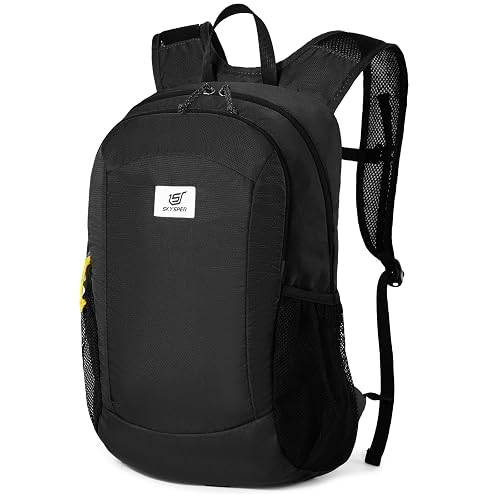
SKYSPER Ultralight Packable RFID Daypack 16L

BOG Kinetic Lightweight Day Pack
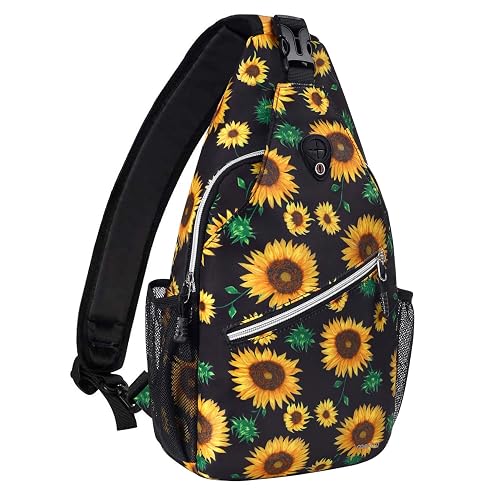
MOSISO Crossbody Sling Backpack
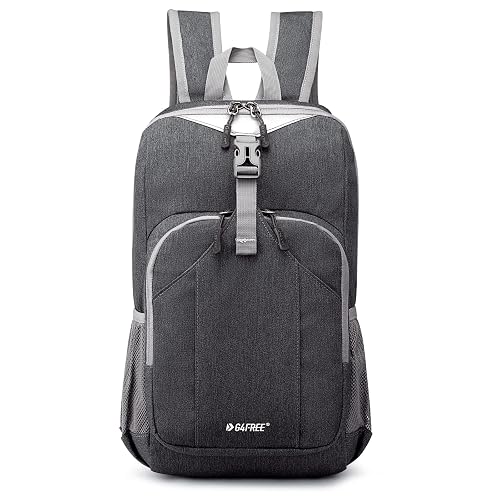
G4Free Mini 10L Hiking Daypack (Dark Grey)

YETI Crossroads Backpack
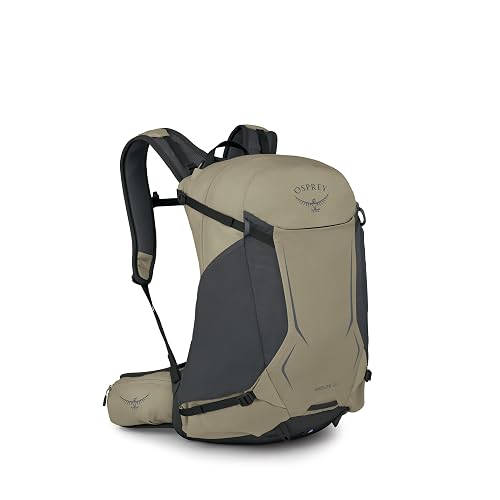
Osprey Hikelite 28L Hiking Backpack (Tan OS)

CARPDIM 10L Small Hiking Daypack
A Breakdown Of The Leading Choices
Day hikers who double as travelers get a different kind of math problem: carry one pack for the trail and the plane. The SKYSPER Hiking Backpack solves that by folding down to a pocketable pouch, then opening into a 16L nylon daypack once you land or reach the trailhead. Its shielded pocket is built to block 13.56MHz and 125kHz RFID scanners, the two frequencies most common on payment cards and passports, which is a real perk in busy terminals.
For most travelers, the trade-off is capacity. Sixteen liters swallows a water bottle, a layer, and snacks, but it will not replace a proper weekend pack. You may find the thin nylon comfortable for short walks and urban use, though loads at the top of the range can stress the seams.
Strong Points
- Pocketable design slips inside luggage and deploys in seconds
- RFID-shielded pocket adds a layer of card and passport protection
- Lightweight nylon shell keeps the pack itself off the scale
- Works for trail, terminal, and city in a single piece of gear
Worth Noting
- 16L is tight for longer hikes or hydration reservoirs
- Lightweight fabric may feel thin under sharp or heavy loads
- Better suited to fast travel days than rugged backcountry use
Who It Suits Best
Light packers moving between airports, hostels, and short trails who want one bag to do both jobs.
A Better Fit Elsewhere
Step up to the Osprey Hikelite 28L Hiking Backpack (Tan OS) when your hikes stretch past a few hours and you need a more supportive suspension system.
The BOG Kinetic sits in a different category from the SKYSPER above. Where that one folds into a pocket, this one is built to take abuse in the field, with a 420D micro ripstop nylon shell and a matching 150D rain cover tucked in for sudden storms. At 3.1 pounds with 2400 cubic inches of storage, it is heavier than most daypacks, though the trade-off is real load-hauling capability.
For hunters and backcountry trekkers, the inclusion of a detachable gun, bow, or tripod carry boot is the headline feature. Molle webbing along the exterior, reinforced with Hypalon (a durable, rubber-like fabric used in high-wear zones), gives you modular attachment points for accessories. In our view, this is overkill for casual walkers but ideal for users carrying awkward gear.
Reasons It Performs
- Rugged ripstop shell handles brush, rocks, and rough loading
- Included rain cover keeps contents dry in heavy weather
- Hypalon-reinforced Molle webbing accepts modular accessories
- Specialized carry boot handles firearms, bows, or tripods
Trade Offs
- 3.1 pounds is on the heavy side for a daypack
- Specialized carry system adds bulk most casual hikers won’t use
- Less streamlined than pure hiking-focused packs like the Osprey Hikelite
Made For
Hunters, anglers, and backcountry users who haul gear into rough terrain and need a pack that can keep up.
Skip It When
The MOSISO Crossbody Sling Backpack is a smarter pick for travelers and sightseers who value quick side access over hauling capacity.
Most packs in this roundup keep both shoulders busy. The MOSISO Crossbody Sling Backpack flips the script with a single over-the-shoulder strap, letting you swing the pack to your front for camera, phone, or passport access without setting it down. For city walkers, that single-strap design is the whole reason to consider it.
It works just as well on light trails as it does in train stations and markets. You may find the asymmetric load less comfortable over long distances, since the weight sits on one shoulder, but for stops and starts around town it is hard to beat. The travel hiking daypack category it belongs to covers fast-moving users who treat their bag as a tool, not a piece of luggage.
Everyday Perks
- Front-swing access eliminates the need to remove the pack
- Single-strap design suits travelers carrying a camera or phone
- Lighter than the dual-strap BOG Kinetic
- Transitions easily between trail, transit, and sightseeing
Points To Keep In Mind
- Asymmetric strap can feel uneven on long walks
- Less stable than a two-strap design for running or scrambling
- Smaller interior than traditional daypacks
Best Suited To
Travelers, photographers, and sightseers who want fast access to gear without stopping to drop a pack.
Another Choice May Suit
The G4Free Mini 10L Hiking Daypack (Dark Grey) is a better match for cyclists and short-trail users who prefer the stability of two straps.
When the day calls for water, a snack, and a light layer, the G4Free Mini 10L Hiking Daypack keeps things simple. Its tear-resistant polyester shell and SBS (a common mid-grade metal zipper brand) zippers handle the bumps of quick hikes and bike rides, while the 10.5 x 5 x 15 inch frame disappears against your back. At 10 liters, capacity is intentionally minimal, which is the point.
For most users, this size works as a secondary pack, a cycling companion, or a summit bag stashed inside a larger pack. You may find the small interior limiting on a full day hike, but for fast outings it hits the sweet spot of carry-everything weight. The reinforced seams and adjustable straps help the pack survive regular use, though it is not designed for heavy loads.
The Helpful Details
- Tear-resistant shell and SBS zippers add real durability
- Adjustable straps and breathable back panel improve comfort
- Compact 10L profile suits short hikes and rides
- Multiple pockets keep small items organized
Some Limits To Know
- 10L is too small for full-day hikes with extra layers
- Minimal padding compared to larger packs like the Osprey Hikelite
- Light frame less comfortable under heavy loads
Who Should Grab It
Cyclists, summit-pushers, and quick-hike fans who want a small, durable pack without bulk.
Not Your Match When
Step up to the YETI Crossroads Backpack for workdays, gym runs, and gear-heavy commutes that need real storage space.
The YETI Crossroads lives at the intersection of work, gym, and trail. Its 35L interior uses a clamshell opening (the main compartment unzips flat like a suitcase, rather than just from the top) that lays clothes, snacks, and travel gear out like luggage. For commuters who also hit the trailhead on weekends, that one-bag versatility is the appeal.
Compared to the SKYSPER above, this is a heavyweight in both size and build, closer in feel to a travel pack than a featherlight daypack. A pass-through strap on the back secures the bag to roller luggage, useful for airport sprints. In our view, the size is overkill for quick hikes, but the right tool for hybrid daily use.
Noteworthy Benefits
- 35L capacity handles work gear and trail essentials in one bag
- Clamshell opening simplifies packing and finding items
- Luggage pass-through strap makes airport travel easier
- Tough build quality reflects the YETI reputation
Honest Caveats
- Larger than needed for a basic day hike
- Heavier than minimal daypack options
- Premium positioning may push beyond casual budgets
Perfect Match For
Commuters and hybrid users who want one bag to handle office, gym, and weekend trail days.
Where A Sibling Pick Shines
The Osprey Hikelite 28L Hiking Backpack (Tan OS) is the better choice when trail days dominate and you want a pack built for ventilation.
The Osprey Hikelite 28L Hiking Backpack, Tan OS is the most trail-focused option in this roundup. An AirSpeed tensioned mesh backpanel, a suspended mesh design that holds the pack away from your back to promote airflow, keeps air moving across your spine on warm climbs, while the padded hipbelt with built-in pockets shifts real weight off your shoulders. The 28-liter capacity handles full-day kit without bulking into overnight territory.
For most day hikers, this is the right tool for the job. The included raincover deploys quickly when weather rolls in, and the panel-loading main compartment opens like a duffel for easy access. You may find the 28L size more than you need for a quick outing, but for a serious day on the trail it has the suspension to keep you comfortable over miles.
Useful Highlights
- AirSpeed mesh suspension keeps the back cooler on climbs
- Padded hipbelt with pockets shifts weight off shoulders
- Panel-loading design improves access to main compartment
- Integrated raincover deploys fast in changing weather
Potential Drawbacks
- 28L is more pack than quick walks require
- Premium pricing puts it above budget options like the CARPDIM 10L
- More setup to dial fit than simpler packs
Built With In Mind
Serious day hikers tackling longer routes who need real suspension, ventilation, and weather protection.
Look Elsewhere When
The SKYSPER Hiking Backpack is a smarter pick for travelers who need something that folds flat into a suitcase.
Casual walkers and first-time hikers do not always need a premium suspension system. The CARPDIM 10L Small Hiking Daypack is a no-frills, lightweight pack that handles daily commuting, short trips, and light trail days. Its design language borrows from the hiking daypack category, though the build is intentionally straightforward.
Compared to the G4Free Mini 10L covered above, this is a similar capacity aimed at the same quick-outing use case. In our view, the honest read is that you trade premium materials and refined zippers for a friendlier price. The lightweight construction tends to show wear faster under heavy loads, so treat it gently and it will serve casual use well.
Positive Points
- Lightweight shell stays out of the way on short walks
- 10L capacity fits the essentials for a few hours outdoors
- Friendly price point suits first-time pack owners
- Simple design works for commuting or light trail use
Where It May Fall Short
- Less durable than the G4Free Mini under regular use
- Minimal padding reduces comfort on long walks
- Light fabric may wear faster with heavy loading
Right Fit For
Casual walkers, beginners, and anyone needing a low-cost pack for short outings and daily errands.
Reach For A Different Pick When
Upgrade to the YETI Crossroads Backpack when you need a bag that handles both work commutes and weekend trails in one piece.
What To Weigh Before Picking Your Trail Pack
Capacity That Matches Your Day
Daypack sizing is a personal decision tied to your typical outing. Anything from 10 to 16 liters covers a quick hike with water, snacks, and a layer, while 25 to 35 liters handles longer days, hydration bladders, and extra layers. Match the volume to your longest planned trip, not your shortest, to avoid running out of room when the day stretches.
Suspension And Fit
The harness system matters more than fabric weight. A tensioned mesh backpanel, like the one on the Osprey Hikelite 28L, keeps air flowing and reduces back sweat. Padded hipbelts shift load off shoulders, which is the difference between comfort and fatigue at mile four. Torso length and shoulder strap adjustability determine whether a pack rides high or sags low.
Materials And Weather Handling
Ripstop nylon shells resist tears when branches catch, while polyester blends tend to be lighter but less abrasion-resistant. A dedicated raincover, like the one included with the BOG Kinetic, is more reliable than water-resistant coatings alone, which can wear off over time. For unpredictable climates, integrated weather protection is worth more than it sounds.
Access And Organization
Top-loading designs feel traditional but bury items at the bottom. Panel-loading and clamshell openings, like the YETI Crossroads and the Osprey Hikelite 28L, expose the full interior at once, which simplifies packing and rummaging. Sling packs, including the MOSISO Crossbody, trade interior space for instant front access while you are on the move.
Key Considerations Across These Picks
Pitfalls Shoppers Hit
A common trap is sizing by liters alone, since a 30-liter pack with a tight harness feels worse than a 20-liter pack with proper suspension. Another mistake is buying for short walks while your real goal is a longer trail, then regretting the lack of hip support. Always check the torso length range and try the pack loaded before committing to a longer day.
What The Higher Tier Buys
Stepping up to a premium pack like the Osprey Hikelite 28L buys you a real suspension system, an integrated raincover, and ventilation that budget packs cannot match. For casual use, the gap may not matter, but for hikers logging serious mileage the upgrade is the difference between finishing strong and ending the day sore.
Frequently Asked Questions
What size daypack is right for most day hikes?
For most people, 20 to 30 liters covers a full day on the trail with water, food, layers, and small extras. Smaller packs work for quick outings, while anything over 30 liters starts to feel like overnight territory.
How important is a hipbelt on a daypack?
A padded hipbelt shifts weight off the shoulders and prevents fatigue on longer routes. Quick walks around town feel fine without one, but full-day hikers will notice the difference after a few miles.
Can I use a travel pack like the SKYSPER for hiking?
A packable travel daypack works for short, light trails and airport days. For longer or more technical routes, a dedicated hiking pack with a real suspension system handles the load more comfortably.
Do I need a raincover for a day hike?
Weather changes fast on the trail, and a pack with an integrated or stowable raincover protects gear when it does. Water-resistant coatings help but tend to wear off, so a dedicated cover is the safer bet in wet climates.
How do I clean a hiking daypack?
Most packs do well with a gentle hand wash using mild soap and lukewarm water, then air-dried out of direct sunlight. Avoid machine washing and harsh detergents, which break down coatings and zippers over time.
Bottom Line
The right daypack for hiking comes down to how you actually spend your trail time, whether that means fast travel days, quick neighborhood walks, or long miles into the backcountry. Match the pack to your longest typical outing, dial in the fit, and choose materials that handle your local weather. The seven options above give you a solid starting point across every common style of day hiking.