
A great daypack disappears on your shoulders, holds exactly what you reach for, and rides steady when the grade tips upward. The ten packs below cover that range in different ways, from featherweight stuff sacks that fold into a jacket pocket to structured haulers that carry a reservoir, layers, and lunch for a full summit day. Choosing between them gets easier once you know how you’ll spend most of your trail time.
The Choices Worth Comparing
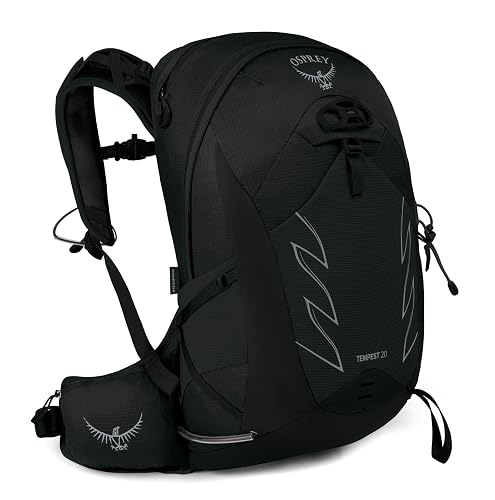
Osprey Tempest 20L Women’s Hiking Backpack

Osprey Sportlite 25L Lightweight Hiking Backpack
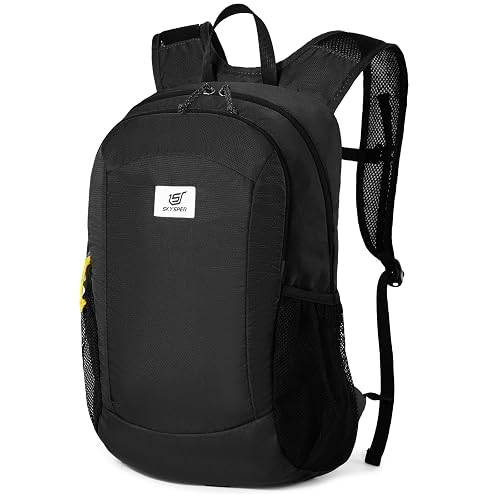
SKYSPER RFID Packable Hiking Daypack 16L
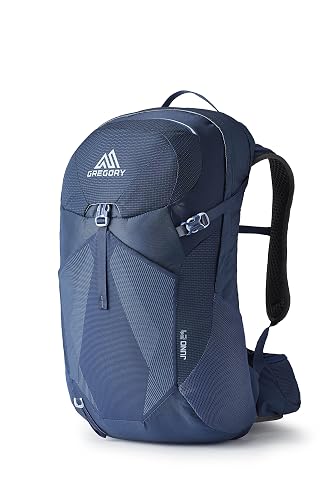
Gregory Juno 24L Women’s Hydration Backpack
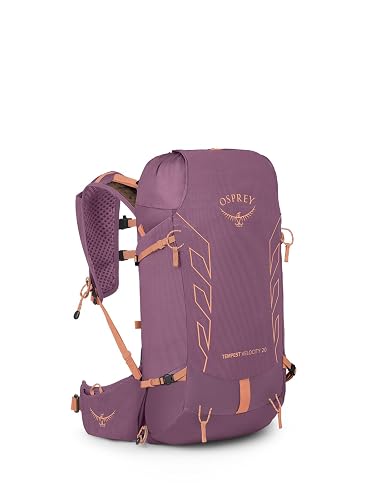
Osprey Tempest Velocity 20L Women’s Hiking Backpack
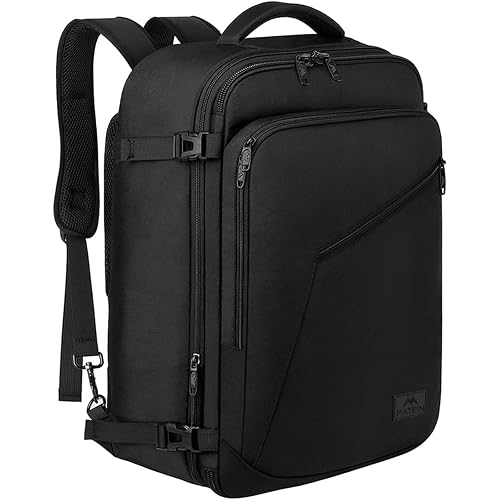
MATEIN Expandable Carry-On Travel Backpack
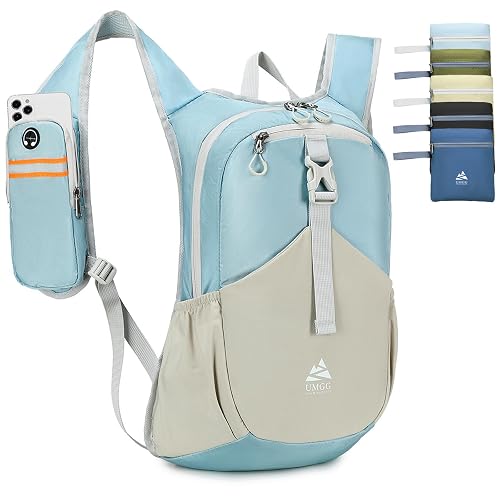
15L Small Packable Hiking Daypack (Blue)
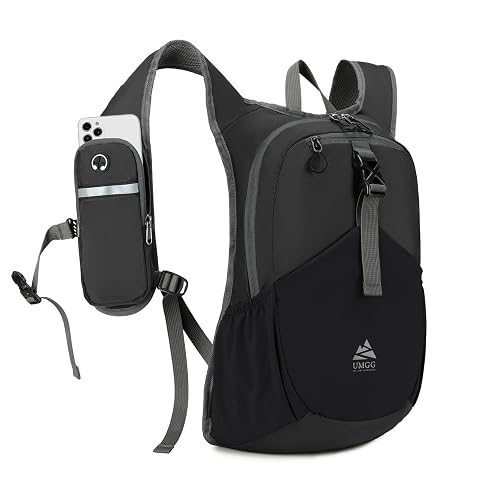
15L Small Packable Hiking Daypack (Black)
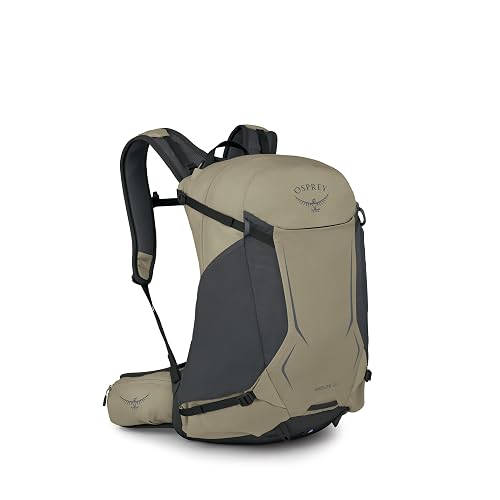
Osprey Hikelite 28L Hiking Backpack

15L Colorful Packable Hiking Daypack
Why These Options Stand Out
The Osprey Tempest 20L sits at the center of the women’s daypack conversation for good reason, pairing a torso length and hipbelt shape tailored to a women’s frame with a panel-loading design that swallows gear without a fight. The injection-molded AirScape backpanel (a firm foam ridge system that lets air circulate between your back and the pack) keeps the pack’s structure close to your spine while the continuous-wrap harness moves naturally as you stride.
For hikers covering ten to fifteen miles with a reservoir, snacks, and a spare layer inside, the Tempest’s 20L feels generous without becoming a burden. Compared to the Sportlite 25L below, it trades raw volume for a more dialed-in women’s fit, which matters most when the trail tilts up and the load stays on for hours.
What Stands Out
- Women-specific harness and hipbelt geometry that reduces hot spots on long climbs.
- Panel-loading main compartment that opens like a suitcase, simplifying mid-trail packing.
- Stow-on-the-go trekking pole holders that secure poles without removing the pack.
- Built-in blinky-light attachment loop for low-light trailheads and road walks.
- Durable outer fabric that handles brushy scrambles without showing wear quickly.
Things To Consider
- At 20L, it lacks the room of the Hikelite 28L for photographers carrying a full kit.
- The structured backpanel adds a touch of weight compared to packable nylon options.
Quick Facts
Who It Suits Best
Regular day hikers with a women’s-specific build who want a structured, comfortable pack for varied terrain.
Look Elsewhere When
Runners chasing a lighter setup will prefer the Osprey Tempest Velocity 20L with its running-vest harness.
The Sportlite 25L threads the needle between minimalist design and real carrying comfort, pairing a stripped-down harness with a panel-loading interior and the same AirScape suspension philosophy found on heavier Osprey packs. The result feels lighter in the hand than its 25L capacity suggests.
For hikers who count ounces, the Sportlite rewards you with breathing room for layers and lunch while keeping bulk low enough to disappear on rolling terrain. Where the Tempest 20L above leans structured and women-specific, this unisex design plays a wider role and suits smaller and larger torso lengths alike.
Bright Spots
- Lightweight construction that doesn’t punish you for overpacking on a long day.
- Clean internal organization that keeps small essentials findable without rummaging.
- Dynamic AirScape backpanel that flexes with each stride instead of fighting it.
- Comfortable carry for fast hikers moving at a brisk clip.
Worth Noting
- Unisex sizing means the harness isn’t tailored to a women’s torso the way the Tempest is.
- Fewer external attachment points than the Tempest for trekking poles and helmets.
- Lighter fabric can show abrasion sooner on granite-heavy scrambles.
Made For
Day hikers chasing a lighter carry who don’t need women’s-specific tailoring and value a roomier main compartment.
Consider Something Else When
Hydration-focused hikers will prefer the Gregory Juno 24L with its dedicated reservoir sleeve.
The SKYSPER 16L takes a different angle entirely: a packable nylon shell (a thin, lightweight fabric that stuffs into its own pocket) with shielded security pockets that block the 13.56MHz and 125kHz frequencies used by most contactless card and passport scanners. For travelers weaving airports, train stations, and trailheads together, that RFID layer is the standout feature.
Sixteen liters covers a day’s worth of layers, snacks, and water, then collapses into a tiny stuff sack for suitcase storage. Compared to the Osprey Sportlite above, this one trades trail-ready structure for travel-first versatility.
Positive Takeaways
- RFID-blocking pockets protect cards and passports in crowded transit hubs.
- Folds into its own integrated pouch for backpack-of-backpack duty.
- Ultralight nylon construction barely registers on a luggage scale.
- Handy as a secondary pack for souvenirs, day trips, or overflow.
Trade Offs
- No rigid backpanel or hipbelt means heavier loads sit less comfortably.
- Minimal external organization compared to the Osprey packs.
Best Suited To
Travelers who want a backup daypack for crowded destinations and light trail days away from the main suitcase.
Skip It When
You need to carry a full reservoir plus gear; the Gregory Juno 24L handles that load with much more structure.
The Gregory Juno 24L is built for hikers who treat water management as the day’s anchor, pairing a dedicated internal reservoir sleeve with a women’s-tuned harness and breathable back construction. Even with a 2L or 3L bladder tucked inside, there’s meaningful space left for snacks, a puffy, and a camera.
Where the Tempest 20L focuses on panel-loading ease, the Juno leans into hydration-first design with hipbelt pockets that swallow a phone or a gel flask. The suspension carries weight comfortably, and the breathable back channels help on warm desert loops where sweat management is half the battle.
Everyday Perks
- Generous internal reservoir sleeve that fits standard hydration bladders cleanly.
- Women’s-specific harness and hipbelt shaping that fits narrower shoulders.
- Breathable backpanel construction that helps on warm-weather climbs.
- Easy-access hipbelt pockets for snacks and quick photo stops.
Points To Note
- Heavier empty weight than the packable nylon options.
- One-size harness fits a narrower torso range than adjustable packs.
- Color options lean muted, which may not suit hikers wanting high visibility.
Feature Snapshot
Who Will Love This
Hikers in hot climates or long-distance day missions where consistent hydration matters more than packable storage.
Not Your Match When
You want a unisex, panel-loading pack with more external attachment points; the Osprey Sportlite 25L fits that role.
The Tempest Velocity 20L takes the women-specific Tempest platform and rebuilds it for speed, swapping the structured backpanel for a flexible, running-vest-inspired harness that hugs the body and stays out of the way. It’s the pack for hikers who blur the line between walking and running.
Quick laps on snow, a push for a peak before work, or any day where stride length matters more than load capacity feel natural here. The Velocity carries less architecture than the standard Tempest, but for fast-and-far missions, that minimalism is the point.
What Makes Sense
- Running-vest-inspired harness that stabilizes the load at faster paces.
- Trim profile that doesn’t bounce during trail running.
- Lightweight construction that keeps cumulative fatigue down on long days.
- Carries soft flasks and a small reservoir without feeling overbuilt.
Honest Caveats
- Less back ventilation than the standard Tempest’s AirScape ridge.
- Limited capacity for bulky layers on cold-weather summit pushes.
- WXS-S torso sizing won’t fit taller hikers.
Perfect Match For
Fast hikers and trail runners who want a women’s-tuned pack that disappears at speed.
A Better Fit Elsewhere
All-day hikers needing more back ventilation should stay with the standard Osprey Tempest 20L.
The MATEIN Expandable Travel Backpack plays a hybrid role, sized to fit overhead bins while offering an expansion zipper that grows the main compartment for longer trips. From a trail perspective, that adaptability translates to a single bag that handles a flight, a hostel night, and a casual day hike in sequence.
The slim profile keeps weight close to the back, which matters more than torso-specific fit for short urban-to-trail outings. Compared to the SKYSPER packable above, this one isn’t built to vanish into a suitcase, but it can take the place of one.
Notable Upsides
- Standard carry-on dimensions that pass airline overhead bin checks.
- Expandable main compartment that grows capacity for longer stays.
- Slim profile that keeps load weight centered while walking.
- Functional as a weekend bag, daypack, and laptop carrier in one.
Some Limits To Know
- Not built with trekking pole attachments or technical trail features.
- Heavier than dedicated daypacks once you add a laptop and accessories.
- Lacks a women’s-specific harness, which can affect longer carry comfort.
Built With In Mind
Frequent travelers who want one bag that flies overhead and walks to a trailhead without swapping.
Reach For A Different Pick When
Your hiking plans center on longer trail distances; the Gregory Juno 24L is more comfortable under load.
This 15L packable daypack focuses on a deceptively simple idea: keep essentials within reach without stopping. The ergonomic shoulder straps feature a zippered pocket sized for phones up to 7 inches, paired with a drawstring pocket on the opposite strap for keys, cards, or snacks.
On short loops and quick hikes, that strap-pocket design saves you the hassle of dropping the pack every time you want your phone for a photo. It’s a smaller-volume option than the SKYSPER RFID pack above, trading the security layer for a friendlier everyday feature set.
A Strong Showing
- Built-in phone pocket on the shoulder strap for fast camera access.
- Drawstring pocket on the opposite strap for snacks or a small point-and-shoot.
- Folds flat for travel and stows inside a luggage panel.
- Light enough that short hikes feel effortless.
Points To Keep In Mind
- 15L capacity won’t fit bulky winter layers or a reservoir.
- No rigid backpanel, so heavier loads can feel lumpy against the back.
- Strap pockets add small weight up high, which can shift the load on long climbs.
Who Should Grab It
Hikers taking short, low-elevation loops where phone-camera access and a light load matter most.
Swap It Out When
You need a structured women’s fit; the Osprey Tempest 20L handles a longer day with more comfort.
The black variant of the same 15L packable daypack shares the shoulder-strap pocket system with the blue version above, swapping bright color for a low-key, neutral finish that holds up well in transit settings and city streets.
For hikers and travelers who prefer a pack that doesn’t shout, this darker shell handles urban environments more discreetly while still packing down small enough to ride inside a larger pack. It mirrors the SKYSPER’s packability without the RFID feature.
Real Benefits
- Dark finish that blends into urban and transit environments.
- Same ergonomic strap pockets for quick phone and snack access.
- Packs down into a small stuff sack for travel days.
- Lightweight nylon that handles light rain without soaking through.
Practical Considerations
- Less visible color on low-light trailheads.
- Limited capacity for anything beyond a short day’s essentials.
- Lacks a rigid frame or hipbelt for heavier loads.
The Right Fit
Style-conscious travelers who want the strap-pocket convenience in a color that travels anywhere.
Where Another Pick Suits Better
Outdoor-first hikers needing more visibility and capacity should consider the Osprey Hikelite 28L.
The Osprey Hikelite 28L is the roomiest pack on this list, pairing a tensioned mesh backpanel (a trampoline-style suspended mesh that lifts the pack body off your spine for airflow) with an integrated raincover that pulls out when the sky does. For long day hikes with extra layers, a camera, and snacks for two, that extra volume solves real problems.
Where the Tempest 20L above is dialed for fast movement, the Hikelite gives up some nimbleness for carrying capacity. The padded hipbelt with pockets keeps small items accessible, and the panel-loading main compartment makes the bottom of the pack reachable without unpacking.
Well-Handled Touches
- AirSpeed suspension that lifts the pack off your back for cooling airflow.
- Built-in raincover for sudden weather changes.
- Generous 28L capacity for longer days or shared loads.
- Padded hipbelt pockets that fit phones and small snacks.
Where It May Fall Short
- Larger empty size than women’s-specific packs can feel bulky on shorter torsos.
- Heavier than 15-20L options even when empty.
- Less trim profile for trail running or fast hiking.
Quick Technical Notes
Whose Shelf It Belongs On
Hikers tackling longer day missions with extra layers, food, and photography or family gear.
Where A Sibling Pick Shines
Speed-focused hikers will prefer the Osprey Tempest Velocity 20L with its lighter, trimmer harness.
The 15L Colorful Packable Daypack rounds out the trio of strap-pocket packs with brighter colorways that suit hikers who want visibility and personality on the trail. The left strap carries a zippered phone pocket (fits up to 7-inch devices), while the right strap handles a drawstring pocket for keys, cards, or snacks.
Compared to the dark-finished version reviewed just above, this one trades discretion for high visibility, which adds a small safety layer on roads and shared trails. The core design and capacity stay the same, so the choice comes down to color preference and how you want to be seen.
Practical Pluses
- High-visibility colorways that aid safety near roads.
- Same strap-pocket convenience as the other two 15L options.
- Lightweight packable construction that disappears in luggage.
- Quick-grab phone access without taking the pack off mid-hike.
Things To Weigh
- 15L limits what you can carry beyond a short day.
- Lacks backpanel structure for comfortable full-day loads.
The Right Fit
Casual day hikers who want a fun color palette and convenient strap-pocket storage.
A Better Fit Elsewhere
Hikers needing hydration support should consider the Gregory Juno 24L with its dedicated reservoir sleeve.
Picking a Daypack That Fits the Way You Hike
Match the Pack to the Distance and Pace
Short loops under five miles rarely need more than 15L, while longer days with a reservoir, snacks, and a layer push you toward 20L or beyond. Hikers moving at a brisk pace on rolling terrain often value a lighter, more flexible harness, while those tackling full summit days need a structured backpanel and hipbelt that carry weight without sagging.
Decide How Women-Specific the Fit Needs to Be
Women’s-specific packs use shorter torso lengths, narrower shoulder harnesses, and contoured hipbelts shaped for wider pelvic structures. Hikers with narrower torsos and shoulders often find these packs disappear on their backs, while broader-shouldered hikers may prefer unisex options like the Osprey Sportlite 25L. The honest read is that fit is highly personal; trying a pack on with weight inside tells you more than any spec sheet.
Think About Hydration and Gear Access
Hydration-focused hikers should prioritize packs with internal reservoir sleeves and hipbelt pockets sized for soft flasks. Hikers who carry camera gear need panel-loading access to reach the bottom of the pack without unpacking layers on top. Look for trekking pole attachments, helmet carry loops, and raincover integration if those features match your trail style.
Balance Packability Against Structure
Packable nylon packs weigh almost nothing and stash in luggage but offer minimal structure, which makes heavier loads feel lumpy. Structured packs with foam backpanels and hipbelts carry weight more comfortably but won’t fold into a pocket. Most hikers end up owning one of each: a packable pack for short trips and a structured pack for serious miles.
Key Considerations Across These Picks
Pitfalls Shoppers Hit
The most common daypack mistake is buying by capacity alone, then ending up with a 28L pack that’s too big for short hikes or a 15L pack that can’t handle a long day. Another common slip is ignoring torso length, which causes shoulder strap gap and hipbelt sliding even on highly rated packs. Watch for that on women’s-specific packs in one-size-fits-all designs; if you sit between sizes, a unisex adjustable harness often fits better.
What The Higher Tier Buys
Stepping up to premium daypacks typically gets you better suspension systems, more durable fabrics, women-specific fit tuning, and integrated features like raincovers and trekking pole holders. The cost shows up in lighter carry weight over hours, fewer hot spots on the hips, and packs that survive years of weekly use. For hikers who log serious miles, the upgrade pays off in comfort; for casual users, a mid-range pack often delivers everything they need without the extra spend.
Frequently Asked Questions
What size daypack do most women need for day hiking?
For most day hikes, 20L to 25L hits the sweet spot. Shorter loops under five miles can run on 15L, while longer days with a reservoir, layers, and lunch push toward 25L or more.
Are women’s-specific backpacks worth it?
Yes for many hikers, since women’s-specific harnesses use shorter torso lengths and contoured hipbelts that reduce pressure points. Hikers with broader shoulders sometimes prefer unisex packs instead, so fit matters more than the label.
How important is a hipbelt on a daypack?
A hipbelt transfers load from shoulders to hips, which matters more as pack weight climbs above ten pounds. For short loops with light loads, a minimal hipbelt is enough, while longer days benefit from a padded hipbelt with pockets.
Can a packable nylon backpack handle a real hike?
Light trail use and travel days work well, but packable nylon packs lack structure for full-day loads with heavy water. They shine as backup bags rather than primary hiking packs for serious mileage.
How do I clean and store a daypack?
Spot-clean with mild soap and a soft brush, air-dry away from direct sunlight, and store uncompressed in a cool, dry space. Compression over months can weaken foam and fabric, so give the pack room to rest between seasons.
Final Thoughts
The right daypack matches your typical distance, pace, and how much gear you reach for mid-hike. Try to walk a few miles with weight inside any pack before committing, since fit under load tells you more than any spec sheet. Whatever direction you choose from this list, a pack that disappears on your shoulders is the one worth keeping.