
A solid day pack earns its place by disappearing on your back when the trail rolls uphill and swallowing your layers when the weather shifts. The right capacity, suspension, and pocket layout turn a chaotic hike into a clean, focused walk. This list covers nine day packs built for hikers who want comfort, weather readiness, and enough room for layers, water, snacks, and a first-aid kit.
A Snapshot Of The Selections
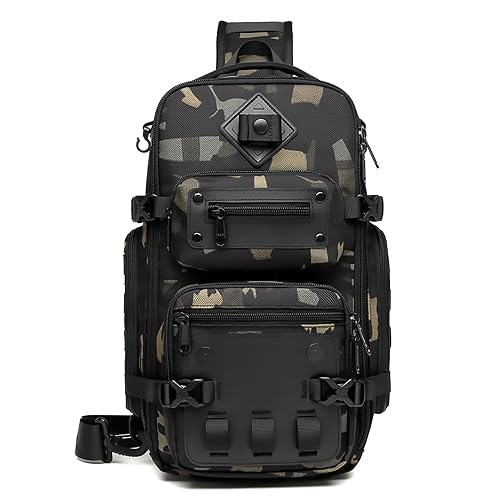
OZUKO Tactical Backpack Chest Sling Daypack (Camo)
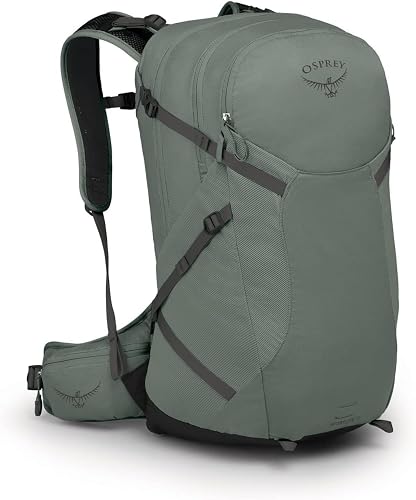
Osprey Sportlite 25L Lightweight Hiking Backpack (M/L)
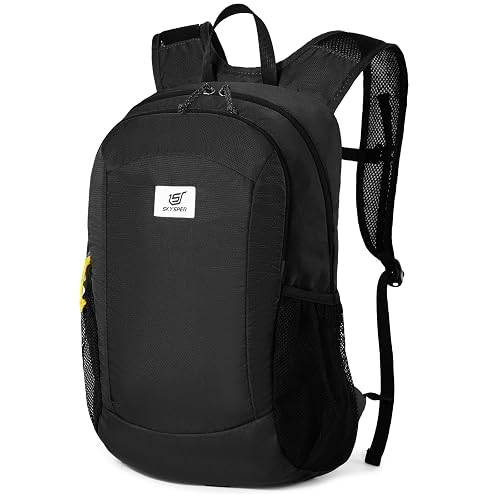
SKYSPER RFID Travel Daypack 16L

BOG Kinetic Lightweight Day Pack (2400 cu in)

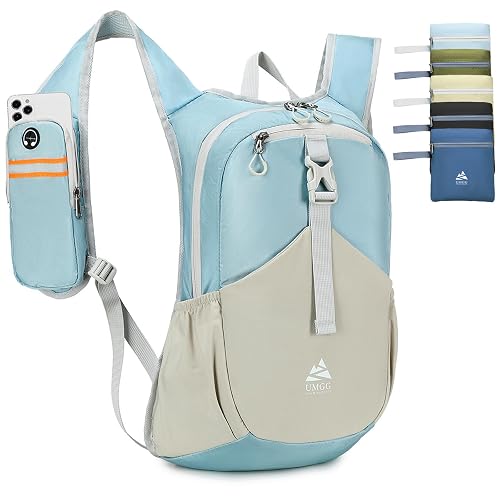
UtiaMiaoGonGo 15L Packable Hiking Daypack (Blue)
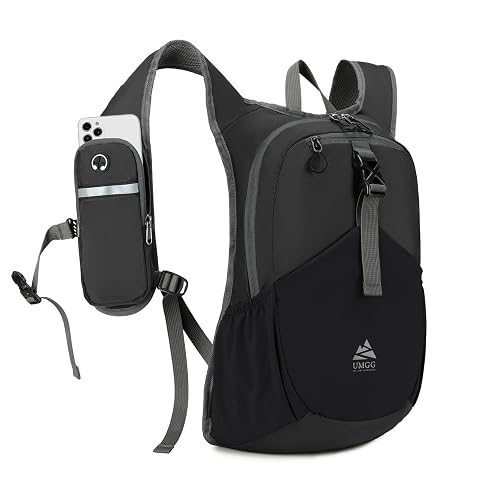
UtiaMiaoGonGo 15L Packable Hiking Daypack (Black)
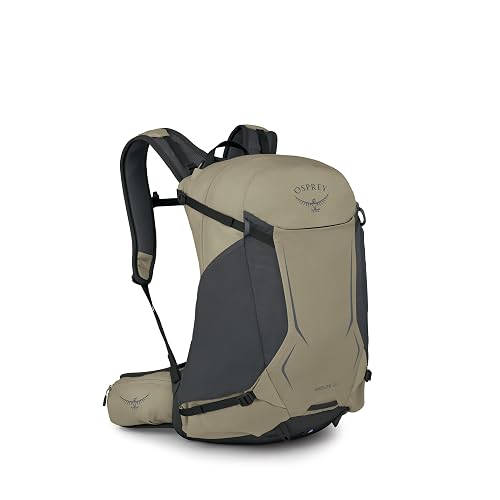
Osprey Hikelite 28L Hiking Backpack (Tan OS)

UtiaMiaoGonGo 15L Colorful Packable Daypack
The Strengths Of Each Pick
The OZUKO sling pack leans into its chest-bag DNA, built for hikers who like quick swing-around access without swinging a full backpack around. Its camo shell reads as the opposite of low-profile urban gear, so it suits trailheads where tactical styling blends in rather than stands out.
Where most slings hold a phone and a snack, this one stacks five external zip compartments with smooth SBS double zippers for organized separation of keys, multitool, and small notebooks. It works well as a secondary pack for photographers or map-readers who need rapid access to the small stuff.
A Few Strong Suits
- Five external zipper compartments keep small items sorted without digging.
- SBS double zippers tend to glide smoothly, even one-handed on the trail.
- Crossbody sling rotates forward for fast phone and wallet access at trail junctions.
- Camo finish hides scuffs and dust better than bright technical packs.
Things To Consider
- Sling profile gets uncomfortable past two or three hours of heavier loads.
- No dedicated hydration sleeve or hipbelt for big-water days.
Best Suited To
Urban-to-trail commuters and casual hikers who want a tactical-styled organizer for short outings and light layers.
Look Elsewhere When
Reaching for the Osprey Hikelite 28L suits you better if you need a full ventilated suspension for all-day treks.
The Sportlite 25L is what most hikers picture when they say “technical day pack”: minimal on the outside, dialed on the inside. Unlike the OZUKO sling reviewed above, this one runs a real backpanel suspension built to disappear on long climbs.
Osprey built it for hikers who count grams but still want clean panel-loading access. The AirScape backpanel uses a foam-and-mesh structure that breathes, so sweat stays manageable on warmer routes. For fast hikers, ultralight backpackers, and anyone splitting the difference between a summit push and a city commute, it earns its place.
Why It Works Well
- AirScape backpanel moves air across your back on warm climbs.
- Panel-loading main compartment beats top-loader designs for layered outfits.
- Clean internal organization prevents small items from disappearing at the bottom.
- Light enough for fast hikes where every gram counts.
Worth Noting
- 25 liters runs tight for winter layering kits.
- Minimal frame limits comfort when loads climb past 15 pounds.
- Hipbelt is light, so heavier water carries tend to ride on shoulders.
Feature Card
Made For
Fast hikers and ultralight pack fans logging moderate mileage on well-maintained trails.
Where A Different Pick Shines
The Osprey Hikelite 28L is the smarter pick for hot-weather hikers who want a more cushioned hipbelt and built-in rain cover.
The SKYSPER pack lives in two worlds: airport scanner and dusty trailhead. The whole bag stuffs into its own pocket, so it works as a carry-on companion that pulls out for day hikes in a new city.
The headline feature is RFID-shielded pockets, a quiet upgrade for anyone carrying passports and contactless cards through crowded terminals. The 16L capacity is on the modest side, but for travelers who already own a roller and just need a daypack, that tradeoff is the whole point.
Everyday Perks
- Packs down small enough to slip into a carry-on.
- RFID-blocking pockets protect passports and cards in busy terminals.
- Lightweight nylon shell resists light drizzle.
Trade Offs
- 16L is too tight for full winter day-hike kits.
- Thin shoulder straps dig in under loads above eight pounds.
Whose Shelf It Belongs On
International travelers and city-break hikers who want one bag that handles airports, museums, and short trails.
Skip It When
Pick the Osprey Sportlite 25L instead if you need a true technical day-hike suspension with deeper layering capacity.
The BOG Kinetic splits the gap between hunting pack and day pack. At 3.1 pounds with 2400 cubic inches of space, it weighs more than the SKYSPER reviewed above but carries heavier loads without complaint.
The integrated 150D micro-ripstop rain cover lives on the pack, which is the kind of feature you forget about until a storm rolls in. Detachable carry boot for a bow or rifle, Hypalon-reinforced cinch straps, and a hydration-compatible design round out a pack aimed at outdoorsmen rather than casual hikers.
Everyday Advantages
- 420D ripstop shell stands up to brush and abrasion.
- Built-in rain cover deploys fast when weather rolls in.
- YKK zippers (a recognized durability standard) hold up under repeated field use.
- Hypalon MOLLE straps add modular gear attachment.
Points To Note
- At 3.1 pounds, the empty pack itself is heavier than ultralight options.
- Hunting-focused design adds bulk that casual hikers may not need.
Key Product Details
Who Should Grab It
Hunters, anglers, and backcountry hikers who expect rough weather and rough terrain in the same day.
Another Choice May Suit
Choose the Osprey Hikelite 28L if your priority is ventilation and a cushioned hipbelt for general summer hiking.
The YETI Crossroads reads less like a hiking pack and more like a rugged gear vault. Where the BOG Kinetic leans into hunting utility, this one aims at commuters and field-workers who want a hard-use daily carry.
The clamshell opening folds flat like a suitcase, which makes it easier to pack than most top-loaders. It also has a pass-through panel for roller luggage handles, a small but thoughtful detail for travelers who want one bag for work, gym, and weekend trail days.
Practical Pluses
- Clamshell fold-open layout simplifies packing and unpacking.
- Tough outer shell handles daily wear better than most day packs.
- Luggage pass-through panel supports roller-bag stacking.
Less Ideal Details
- Heavier than ultralight technical packs.
- Style favors urban use over trail-specific features like hipbelts.
Built With In Mind
Commuters, traveling professionals, and weekend trail users who want one pack that survives daily abuse.
Swap It Out When
Reach for the Osprey Hikelite 28L when a true trail suspension and rain cover matter more than clamshell packing.
UtiaMiaoGonGo’s 15L packable daypack covers the basics at a low entry point. It stuffs into its own pocket, so it tucks into a suitcase or a beach bag without complaint.
The standout design choice is the strap pocket layout. A zippered pocket fits phones up to seven inches, and a drawstring pocket handles keys and cards. That avoids the dance of removing your pack to grab the small stuff at a trail junction.
Bright Spots
- Zippered and drawstring strap pockets keep small items within reach.
- Packs down small for travel and storage.
- Light enough for casual walks and sightseeing days.
Potential Drawbacks
- 15L is too small for full winter layering kits.
- Thin shoulder straps can dig in under loads above six pounds.
Right Fit For
Casual walkers and budget-minded travelers who need a backup pack for light days.
Consider Something Else When
The Osprey Sportlite 25L fits better for hikers who log technical terrain and want a more supportive suspension.
The black version of the UtiaMiaoGonGo shares its bones with the blue sibling above, but trades the playful colorway for something that disappears in any setting. You may find the dark shell hides trail grime better than lighter fabrics after a few muddy hikes.
It packs the same strap-pocket layout with a zippered phone sleeve and a drawstring essentials pocket. For day hikers who prefer understated gear, the neutral finish keeps attention on the trail, not the bag.
What Makes Sense
- Neutral colorway suits both trail and commuter use.
- Strap pockets cut down on pack removal at trail stops.
- Folds into its own pocket for stashing in luggage.
A Few Limitations
- Same 15L ceiling as the blue version, so layering remains tight.
- Thin fabric shows wear sooner than 420D ripstop options.
Perfect Match For
Day hikers and commuters who want a low-key, lightweight pack that doubles as a travel backup.
Reach For A Different Pick When
Pick the BOG Kinetic if you need a sturdier shell and a built-in rain cover for rougher conditions.
The Hikelite 28L is Osprey’s take on the classic summer day hike: light enough to forget, roomy enough for a wet-weather kit. Compared to the Sportlite reviewed earlier, it brings more ventilation, a cushioned hipbelt, and an integrated rain cover.
The AirSpeed tensioned mesh backpanel keeps air moving, which matters more on warm climbs than most hikers expect. For day hikers covering real mileage in summer conditions, this pack balances comfort, capacity, and weight better than most picks on the list.
Useful Touches
- AirSpeed mesh backpanel moves air on hot climbs.
- Padded hipbelt with pockets supports heavier water carries.
- Integrated rain cover deploys fast in changing weather.
- Panel-loading main compartment simplifies layer swaps.
Honest Caveats
- Mesh backpanel adds slight bulk over foam designs.
- Tan colorway shows dust more than darker shells.
Feature Snapshot
Who Will Love This
Long-distance day hikers and warm-weather trekkers who want a balanced, ventilated pack with full backcountry features.
Where Another Pick Suits Better
Choose the SKYSPER 16L daypack if you want something that stuffs into a carry-on for airport-to-trail transitions.
This colorful UtiaMiaoGonGo rounds out the trio of 15L packable options in this list. It shares the strap-pocket layout with the blue and black siblings reviewed above, but leans into brighter pattern options for hikers who like a little personality on the trail.
Beyond looks, the value story is the same: a featherweight packable shell, drawstring and zippered strap pockets, and a footprint small enough for travel. It is a low-fuss backup pack for casual use rather than a technical trail workhorse.
Where It Excels
- Pattern variety stands out from typical black and grey day packs.
- Strap pockets keep phones and small items within reach.
- Packs down small for travel and storage.
Where It May Fall Short
- Lightweight shell wears faster than 420D ripstop options under heavy use.
- 15L is tight for cold-weather layering.
Perfect Match For
Style-conscious day hikers and casual travelers who want a colorful, low-weight daypack for light outings.
Where Another Pick Suits Better
Pick the Osprey Hikelite 28L when you want a real trail suspension, hipbelt, and rain cover for serious mileage.
What To Weigh Before Choosing Day Packs For Hiking
Capacity And Trail Length
A 15-25 liter pack suits most day hikers carrying water, a rain shell, snacks, and a small first-aid kit. Hikers covering longer routes or carrying extra layers, camera gear, or winter insulation should look toward 25-30 liters. Smaller 15L packable picks work best for short walks, sightseeing days, or as backup bags tucked inside a larger pack.
Suspension And Ventilation
Backpanel design changes how a pack feels on long climbs. Foam-and-channel systems offer structure with moderate airflow, while tensioned mesh designs move more air but can feel slightly bulkier. For warm climates, a mesh backpanel reduces back sweat. For shorter, cooler hikes, a foam panel often feels more stable.
Weather Readiness
Built-in rain covers, water-resistant shells, and zippered storm flaps protect electronics and layers. Packs designed for hunting or wet climates often include dedicated rain covers. Travelers moving between cities and trailheads may prefer lightweight water-resistant shells that dry quickly after a passing shower.
Pocket Layout And Access
Top-loading designs keep contents secure but make layered outfits harder to reach. Panel-loading main compartments simplify packing and unpacking. Strap pockets for phones and small items reduce the need to take off the pack at trail junctions, a small convenience that adds up over a season of hikes.
Key Considerations Across These Picks
Common Slip Ups In Day Pack Shopping
Choosing a pack by looks alone often leads to discomfort on longer trails. Capacity is the easiest spec to misjudge: packers routinely underestimate how much room winter layers, extra water, and a packed lunch actually take. Fit matters too. A pack that fits one hiker well may ride on another hiker’s shoulders, so adjustable harnesses and hipbelts earn their weight in versatility.
What Separates Premium From Basic
Higher-tier packs invest in suspension, fabric, and zipper quality rather than gimmicks. The Osprey Hikelite 28L’s AirSpeed backpanel, the BOG Kinetic’s ripstop shell, and the YETI Crossroads’ clamshell layout all show up where it counts. For casual hikers on short loops, the basics are enough. For trail mileage and rough weather, those upgrades pay back the cost in comfort.
Frequently Asked Questions
What Size Day Pack Do Most Hikers Actually Need?
Most day hikers do well with a 20 to 28 liter pack that holds water, layers, snacks, and a small first-aid kit. Shorter routes or warm weather may only need 15 liters, while winter hikes usually push toward 28 liters or more.
Are Packable Day Packs Strong Enough For Real Hiking?
Packable day packs handle casual trails and light loads well, but their thin shells wear faster under brush or repeated heavy loads. For rougher terrain or weekly hikes, a structured day pack with ripstop fabric holds up longer.
Do I Need A Pack With A Built-In Rain Cover?
A built-in rain cover saves you from buying a separate cover and deploys fast in changing weather. For wet climates, hunters, and shoulder-season hikers, that convenience is worth seeking. In dry climates, a water-resistant shell is usually enough.
How Important Is Hipbelt Support On A Day Pack?
Hipbelts shift weight off shoulders and improve stability on climbs. For loads above 10 pounds, a padded hipbelt makes a real difference. Lightweight walks with under five pounds of gear usually feel fine without one.
Can One Pack Work For Both Travel And Hiking?
Packable day packs bridge the gap between airports and trailheads well. A dedicated hiking pack with full suspension handles longer miles better but rarely stuffs into a carry-on. Travelers should pick based on which use case happens more often.