
A great daypack fades into the background while you’re on the trail, which is exactly what you want. The wrong one grinds into your shoulders after the second climb, forces you to dig for your water bottle, and leaves you soaked when the clouds roll in. The difference comes down to fit, fabric, ventilation, and how well the pockets match the way you actually hike. For weekend loops, quick summit pushes, or just carrying gear to a lakeside picnic, the right daypack disappears until you need it.
The Picks In Brief
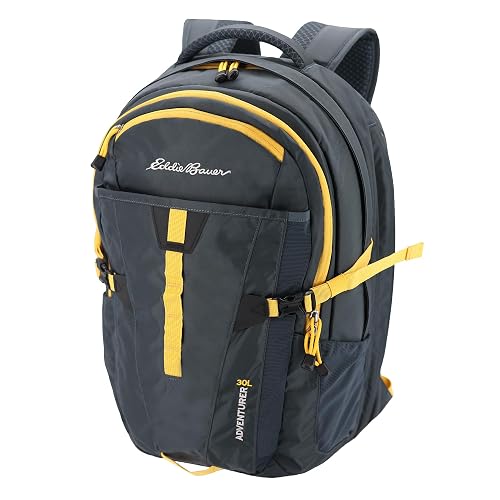
Eddie Bauer Adventurer Backpack 30L Storm
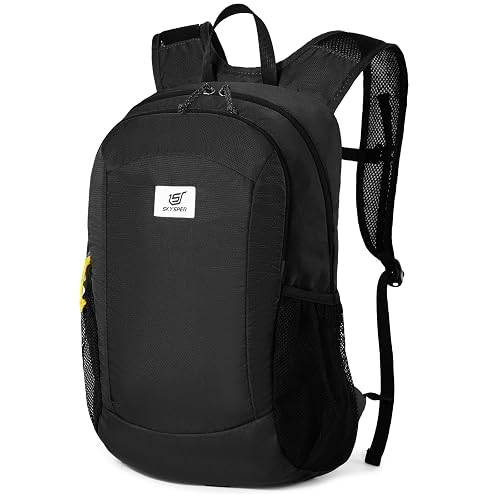
SKYSPER RFID Hiking Daypack 16L

BOG Kinetic Lightweight Day Pack 2400ci

YETI Crossroads Backpack 35L
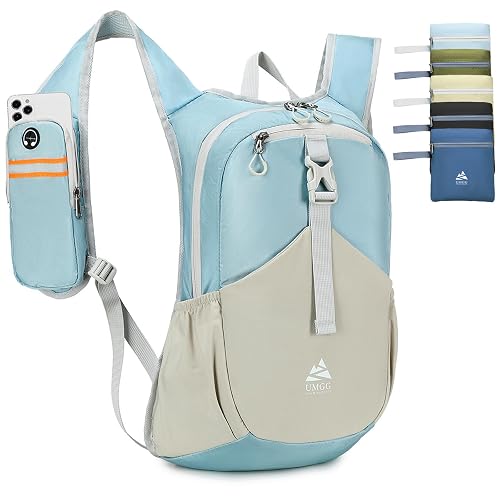
UtiaMiaoGonGo 15L Hiking Daypack Blue
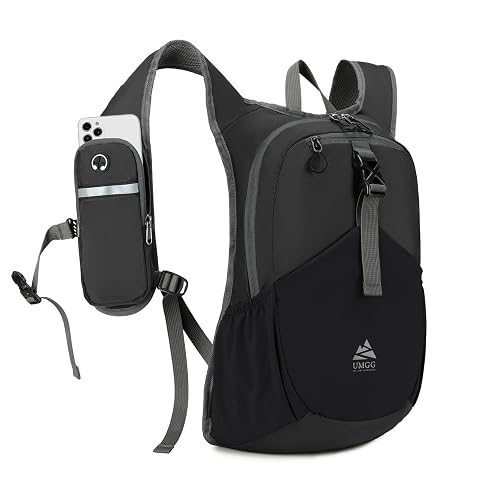
UtiaMiaoGonGo 15L Hiking Daypack Black

UtiaMiaoGonGo 15L Colorful Daypack

CARPDIM 10L Lightweight Hiking Daypack
The Picks, Examined More Closely
The 30-liter Eddie Bauer Adventurer lands at the top of this list for one quiet reason: it handles warm weather without forcing you to stop and rip it off mid-summit. The ventilated back panel keeps air moving across your spine, which matters more than any pocket count on a July ridge walk.
Built from rugged 420D fabric with a water-repellent finish, it shrugs off light rain and brush scrapes. Four fleece-lined pockets protect sunglasses, phones, and tablets from scratches, and the hydration-and-laptop sleeve pulls double duty for both trail and commute. Compared to the YETI Crossroads below, it’s a more breathable trail-first design rather than a travel hybrid.
The Helpful Details
- Cooling back panel reduces sweat buildup on warm hikes
- 420D fabric with water-repellent finish handles light weather
- Fleece-lined pockets cushion phones, glasses, and electronics
- Dual-purpose sleeve fits both hydration bladders and 15-inch laptops
- 30L capacity swallows layers, lunch, water, and extras
Things To Consider
- No included rain cover, unlike the BOG Kinetic below
- 30L may feel oversized on short local hikes
Key Product Details
Who Will Love This
Warm-weather hikers and summit baggers who want airflow first and a sleeve that doubles for laptop carry on the drive to the trailhead.
Look Elsewhere When
Travelers splitting time between airports and trails will get more mileage from the YETI Crossroads Backpack 35L and its clamshell packing layout.
Most packable daypacks treat security as an afterthought. The SKYSPER flips that priority with shielded pockets that block common RFID scanner frequencies (13.56MHz and 125kHz), the bands most contactless cards and passports use. That makes it a natural fit for anyone hopping between crowded airports, metro stops, and trailheads in the same trip.
The 16-liter shell folds down small enough to live in your luggage, then expands into a capable daypack on arrival. RFID, or radio-frequency identification, is the tech inside tap-to-pay cards and e-passports; blocking it stops stray scanners from pulling your data at close range. Compare that to the Eddie Bauer Adventurer, which prioritizes trail comfort over urban data protection.
Well-Handled Touches
- RFID-blocking pocket shields cards and passports from skimming
- Stuff-sack design packs down for suitcase carry
- 16L size covers day-hike essentials without bulk
- Lightweight nylon construction reduces carry fatigue
Trade Offs
- No dedicated hip belt for heavy loads
- Lacks the ventilated back panel of trail-specific picks
Best Suited To
Frequent flyers and urban-to-trail commuters who want one bag that protects their wallet data on transit days and hauls snacks on hiking days.
Reach For A Different Pick When
Pure backcountry hikers should grab the BOG Kinetic Lightweight Day Pack 2400ci for its rugged ripstop shell and dedicated rain cover.
The BOG Kinetic is built for the kind of day where weather turns and gear gets rough. At 3.1 pounds with 2400 cubic inches of capacity, it’s the heaviest pick here, and that weight shows up in the right places: YKK zippers (an industry-standard hardware brand known for reliability), reinforced MOLLE straps (Modular Lightweight Load-carrying Equipment, a webbing system for attaching accessories), and a real rain cover.
Hunters and anglers will notice the detachable carry boot for a bow, rifle, or tripod. The 420D micro ripstop nylon shell (a tightly woven fabric that resists tearing) shrugs off brush, and Hypalon reinforcements (a durable rubberized material) on the cinch straps keep heavy loads stable. For pure day hikes, it’s overkill; for tough use, it’s exactly right.
Good Reasons To Consider
- Includes a 150D ripstop rain cover for wet conditions
- YKK zippers hold up under repeated heavy use
- Detachable gun, bow, or tripod carry boot adds versatility
- Hypalon-reinforced MOLLE straps secure layered gear
Points To Note
- 3.1 lb weight is the heaviest on this list
- Hunting-oriented features unnecessary for casual hikers
- Bulky profile compared to packable picks above
Spec Overview
Right Fit For
Hunters, anglers, and field-day users carrying bow, rifle, or tripod gear who prioritize weather protection and load stability over weight savings.
Skip It When
Lightweight travelers will prefer the SKYSPER RFID Hiking Daypack 16L, which stuffs into a suitcase and adds card-data protection.
YETI’s Crossroads takes the daypack concept and stretches it toward carry-on luggage. The clamshell opening folds 180 degrees flat, so you can pack it the way you’d stack a suitcase rather than wrestle gear through a top-loading drawstring. For work trips that end at a trailhead, that layout saves real time.
The 35-liter capacity runs larger than most daypacks on this list, roomy enough for clothes, a packed lunch, and a laptop. It also includes a pass-through panel for stacking on roller luggage handles. Where the Eddie Bauer Adventurer focuses on warm-weather trail comfort, the Crossroads leans into hybrid work-and-travel utility, with a price that follows.
Reasons It Performs
- 180-degree clamshell opening simplifies packing
- 35L capacity handles clothes plus daily essentials
- Luggage pass-through panel stacks on roller bags
- Durable shell suited to airport and trail wear
Honest Caveats
- Premium pricing reflects YETI positioning
- Larger size unnecessary for quick local hikes
Feature Snapshot
Who Should Grab It
Business travelers and road-trippers who need one bag that crosses between flights, hotels, and trailheads without repacking.
Consider Something Else When
Pure trail day hikers on a budget will be happier with the UtiaMiaoGonGo 15L Hiking Daypack Black and its easy packability.
The blue UtiaMiaoGonGo 15L daypack solves a problem most budget packs ignore: where do you actually keep your phone mid-hike? The shoulder strap has a zippered pocket sized for phones up to 7 inches, plus a drawstring pocket for keys, cards, or a snack bar. You stop unpacking your whole bag at every trail stop.
At 15 liters, it’s a true daypack, big enough for water, a layer, and lunch, but small enough to stay out of your way on climbs. The lightweight, packable build folds down for travel or stash-when-not-needed use. Compared to the SKYSPER above, it skips the RFID tech in favor of lower cost and simpler storage.
Points In Its Favor
- Shoulder strap pocket fits phones up to 7 inches
- Drawstring pocket keeps small items reachable
- Lightweight packable design compresses for travel
- 15L capacity handles short-hike essentials
Small Caveats
- 15L feels tight for full-day winter layering
- No rain cover for stormy conditions
Made For
Casual day hikers and casual travelers who want phone-level convenience without paying premium prices for ventilation or RFID tech.
Not Your Match When
Serious weather hikers should pick the BOG Kinetic Lightweight Day Pack 2400ci for its included rain cover and tougher shell.
The black version of the UtiaMiaoGonGo 15L keeps the same strap-pocket layout as its blue sibling but shifts into a color that hides trail dirt and city grime equally well. For commuters who hike on weekends, that matters: a black pack looks appropriate on a Monday subway and survives a Saturday mud trail.
The 15-liter shell folds flat when empty, so it slips into a drawer or larger bag without complaint. Owners commonly find it useful as a secondary pack for day trips layered over a checked suitcase. The same shoulder-strap phone pocket from the blue model appears here, so quick-access storage stays consistent across color choices.
Positive Takeaways
- Black colorway hides wear between uses
- Phone pocket on shoulder strap simplifies trail stops
- Packable construction suits travel and storage
Things To Weigh
- Light fabric may snag on sharp brush
- No structured frame for heavier loads
Feature Snapshot
Whose Shelf It Belongs On
Suburban commuters and weekend hikers who want one pack that looks clean at the office and handles a casual trail without ceremony.
A Better Fit Elsewhere
Warm-weather summit hikers will appreciate the Eddie Bauer Adventurer Backpack 30L Storm’s cooling back panel on long climbs.
The colorful UtiaMiaoGonGo keeps the same packable 15-liter body as its blue and black siblings but swaps muted tones for brighter colorways. On a crowded trail or city sidewalk, that visibility is genuinely useful: people spot you faster, and you spot your pack faster when you set it down among others.
Functionally, the layout matches the rest of the line: a zippered strap pocket on one shoulder and a drawstring pocket on the other, sized for everyday essentials. If you already like the blue or black version but want a color that pops, this one earns its slot.
What Earns Its Place
- Bright colorway improves visibility on busy trails
- Phone-sized strap pocket for quick access
- Packable design folds for travel and storage
A Few Limitations
- Same 15L limits winter or overnight use
- No dedicated laptop sleeve
Perfect Match For
Style-conscious day hikers who want a pack that stands out in a sea of black and gray without giving up trail-friendly features.
Swap It Out When
Travelers needing airport-ready packing should grab the YETI Crossroads Backpack 35L with its clamshell opening instead.
The CARPDIM 10L is the smallest pack on this list, and it knows exactly what it’s for. For quick neighborhood loops, dog walks that extend into light trail, or travel days where you only need water and a jacket, 10 liters is the right size. Anything bigger turns into a luggage magnet.
The lightweight build keeps shoulder fatigue low, which matters on casual outings where you’re not actually trying to break a sweat. Compared to the Eddie Bauer Adventurer above, you’re trading capacity and trail-tough features for a pack that disappears on your back. For long summit pushes, that’s a deal-breaker; for everything else, it’s refreshingly simple.
The Upside
- 10L footprint suits quick outings and travel days
- Lightweight construction reduces shoulder strain
- Minimalist design keeps the focus on movement
- Compact size packs inside larger luggage
Where It May Fall Short
- Too small for full-day hikes with layers and food
- Limited structure for heavier loads
Feature Facts
Built With In Mind
Casual walkers, dog owners, and minimal-pack travelers who want something smaller than a standard daypack for short routes.
Where Another Pick Suits Better
Hikers planning full-day adventures with layers and food will do better with the Eddie Bauer Adventurer Backpack 30L Storm and its larger capacity.
What Matters Most Before Choosing Daypacks For Hiking
Capacity And Intended Distance
Capacity drives everything else. Sub-15L packs like the CARPDIM 10L suit quick loops and travel days where you’re carrying a water bottle and a jacket. Mid-range 15-25L bags cover most half-day hikes with room for snacks and a layer. 30L-plus packs like the Eddie Bauer Adventurer or YETI Crossroads handle full-day missions, extra water, and the occasional surprise weather shift. Match capacity to your longest realistic outing, not your average one; overpacking a small pack guarantees an uncomfortable day.
Ventilation And Back Panel Design
A sweaty back is the fastest way to ruin a hike. Back panels with airflow channels or mesh padding, like the one on the Eddie Bauer Adventurer, move heat away from your spine. Flat panel designs save weight and cost but soak your shirt on warm climbs. For summer and shoulder-season hiking, ventilation is worth prioritizing over pocket count.
Fabric Durability And Weather Handling
Denier ratings (a measure of fiber thickness, where higher numbers mean tougher fabric) tell you how tough the fabric is: 420D is a common mid-grade standard, ripstop weaves add tear resistance. A water-repellent finish shrugs off drizzle but won’t survive a downpour, so packs like the BOG Kinetic that include a dedicated rain cover earn their weight for storm-prone regions. For dry climates, fabric breathability matters more than waterproofing.
Pocket Layout And Access Pattern
Think about how you actually use a daypack. Do you reach for your phone every thirty minutes? Strap pockets (UtiaMiaoGonGo line) solve that. Need quick hydration access? Hip-belt bottle holders and sleeve routing help. Travel often? Clamshell openings (YETI Crossroads) save time at security and hotels. The best layout is the one matching your habits, not the one with the most pockets.
Key Considerations Across These Picks
Pitfalls Shoppers Hit
The most common misstep is buying a pack sized for the trail you wish you were hiking instead of the trail you actually do. A 35L pack on a 2-mile loop feels like dragging luggage. Equally common: ignoring torso fit. Most daypacks fit a range, but if the hip belt sits above your hips, all the weight lands on your shoulders. Try packs on with weight inside before committing, and don’t trust capacity numbers alone to predict comfort.
Where The Extra Money Goes
Higher-tier picks like the YETI Crossroads or Eddie Bauer Adventurer charge for specific upgrades: clamshell openings, cooling back panels, dedicated laptop sleeves, reinforced hardware. Those features earn their cost when you actually use them. For weekend casual hikers, a $20 packable often outperforms a premium pack that sits in a closet. Spend up only when a specific feature solves a recurring frustration in your hiking routine.
Frequently Asked Questions
How big should a daypack be for a typical hike?
Most daypacks fall between 15 and 35 liters, which covers everything from quick loops to full-day summit pushes. A 20-30L pack handles the widest range of outings without feeling oversized on shorter trips.
What is ripstop fabric and why does it matter?
Ripstop is a woven fabric with reinforcement threads at regular intervals that stop small tears from spreading. It matters on trail because brush snags happen, and ripstop keeps a tiny snag from becoming a ruined pack.
Do I need a rain cover for a daypack?
A rain cover helps in regions with sudden storms, fog, or wet vegetation. In dry climates, a water-repellent finish on the pack fabric is usually enough for short drizzles.
Can I use a hiking daypack for travel and commuting?
Yes, especially hybrid designs like the YETI Crossroads with clamshell openings and luggage pass-through panels. Packable options like the SKYSPER or UtiaMiaoGonGo models also double as secondary travel bags.
How do I clean and maintain a hiking daypack?
Empty the pack fully, brush out debris, then hand-wash with mild soap and lukewarm water. Air-dry away from direct sunlight to protect coatings and fabric integrity. Avoid machine washing, which damages back-panel foam and zipper hardware.
Bottom Line
The right daypack matches the trail you actually hike, the weather you actually face, and the gear you actually carry. Match capacity to your longest outing, prioritize ventilation for warm climbs, and choose pocket layouts around your habits rather than feature lists. A pack that disappears on your back is the only kind worth buying.