
Hunting after dark used to mean leaning on moonlight, a hand torch, or a lot of guesswork. Modern thermal and digital night vision scopes have rewritten that playbook, turning thick cover, fog, and pitch-black timberline into readable terrain. The trick is matching the sensor class, magnification, and form factor to the way you actually hunt.
How The Shortlist Stacks Up

OWLNV T2-256 Thermal Imaging Scope 256×192 25mm Lens

AGM Rattler V2 Thermal Imaging Scope
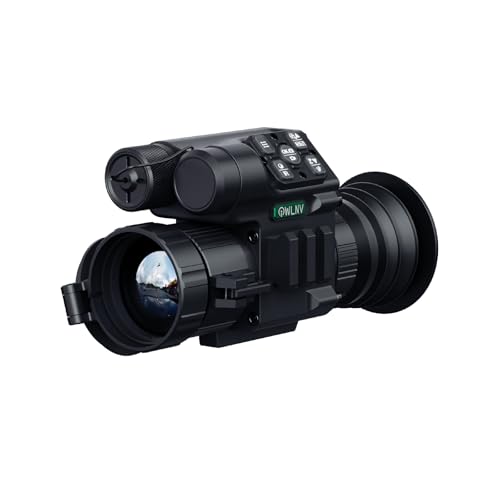
OWLNV T3 Thermal Scope 384×288 Ballistic Calc

RIX Storm S2 256×192 Thermal Scope 25mm

ATN BlazeHunter 335 Thermal Monocular 4-32x

ATN BlazeHunter 335 LRF Thermal Monocular 4-32x

ATN BlazeHunter 635 Thermal Monocular 2.5-20x

Bering Optics Hogster ZAP Thermal Scope 35mm

OWLNV N7 Plus Digital Night Vision Clip-on Scope 2K
The Strengths Of Each Pick
The OWLNV T2-256 sits in that useful middle ground where thermal sensors start pulling real weight without jumping into four-figure territory. A 256×192 thermal core at 12-micrometer pixel pitch is a meaningful step up from entry-level 160-resolution units, which matters when you’re scanning field edges for heat signatures at distance.
For hunters running mid-elevation hog and coyote sets, the sub-25mK NETD rating means the sensor can pick up faint temperature differences in cool, damp conditions. The 25mm objective keeps the optic compact on a rifle, and the optional laser rangefinder is the right add-on for anyone serious about bullet drop holds past 200 yards.
Everyday Wins
- 256×192 sensor strikes a useful balance of resolution and price for most night-hunting setups.
- Sub-25mK NETD sensitivity helps pick out subtle heat through fog and light rain.
- Multiple thermal palettes let you tune the view to terrain, brush, or open ground.
- 1024×768 OLED display keeps reticle and target readable in fast transitions.
- Optional LRF module adds ranging without forcing a permanent commitment.
Things To Consider
- 256×192 resolution shows its limits past the 600-yard line on smaller targets.
- The LRF version adds cost and bulk that casual users may not need.
Key Specs
Made For
Rifles configured for mid-range hog and coyote hunting where thermal detection matters more than extended magnification.
Consider Something Else When
The RIX Storm S2 256×192 Thermal Scope 25mm is a tighter match for hunters chasing open-country coyotes who want more optical reach out of the same sensor class.
The AGM Rattler V2 leans into the close-to-mid range scanning niche, where speed and a generous field of view beat zoom-heavy optics. Hunters are scanning at moderate range will notice the wide window first, since finding a target fast in thick cedar or oak bottoms matters more than pixel-peeping at long range.
The 2.5x base magnification keeps the optic stable on the rifle and gives you a familiar cheeky weld for follow-up shots. For tight-property hog control and predators working the brushy transition zones, this scope feels less like a scope and more like a fast thermal binocular that mounts to a rail.
What Works In Its Favor
- Wide field of view simplifies close-range scanning in heavy cover.
- 2.5x base magnification keeps the sight picture natural and quick to acquire.
- Dual power system supports long hunting sessions without constant battery swaps.
- Compact body sits well on lightweight AR-pattern carbines.
Points To Note
- Base magnification tops out short for hunters working open ridge lines.
- Resolution class favors movement over fine detail at the far end of detection range.
Whose Shelf It Belongs On
Hunters running brush-country predator routes and small-plot hog control where fast detection beats magnification.
Swap It Out When
The OWLNV T3 Thermal Scope 384×288 Ballistic Calc is a better fit for rifle hunters who want the extra pixel density and ballistic tools for longer shots.
Stepping up to a 384×288 sensor is where thermal imaging starts to feel genuinely capable on a rifle, and the OWLNV T3 stacks that resolution with a set of tools aimed at long-range work. The 3.5x optical zoom gives real reach before digital magnification, which is the kind of foundation that helps identify targets instead of just spotting them.
The PIP (picture-in-picture) mode is one of those features that earns its place once you start using it for reticle holdover work. With a 1440×1080 display, the secondary window keeps the magnified target visible while the main screen holds the wider scene. For Western hunters chasing coyotes across cuts and ridges, this scope covers both spotting and shooting in one unit.
Points In Its Favor
- 384×288 sensor is a real step up for target identification in cluttered backgrounds.
- 3.5x optical zoom provides usable detail before digital magnification kicks in.
- Built-in ballistic calculator streamlines holdover decisions on longer shots.
- WiFi video recording lets you review hunts and document stock behavior.
- IP67 weatherproofing holds up against rain, snow, and dust.
- PIP mode balances wide scanning with fine reticle work.
Small Caveats
- More features mean a steeper menu learning curve during the first few hunts.
- WiFi and recording features can shorten battery life if left running all session.
Right Fit For
Hunters needing detection, identification, and ballistic support from a single optic on varied terrain.
Look Elsewhere When
Handheld scouting is your main use case, in which case the ATN BlazeHunter 335 Thermal Monocular 4-32x offers more flexible handheld use.
RIX has built a reputation around practical thermal scopes, and the Storm S2 leans into long detection ranges with the same 256×192 sensor class you’ll see elsewhere. The 25mm lens and 3.5x base magnification pair with a 7.0-degree horizontal field of view, which is narrow but reaches deeper than wider-field options.
For Western coyote hunters and anyone scanning field edges and ag draws, the Storm S2 covers real estate without paying for a 384 sensor. Magnum magnification jumps up to 14x, which gives flexibility when a coyote stops at the far end of a section. Owners commonly report that the menu layout stays simple once you dial in the main controls.
What Stands Out
- Detection range reaches out where the 256-class sensor can still pull detail.
- Magnification scales from 3.5x to 14x for distant call-and-shoot setups.
- Tight 7.0-degree field of view supports longer shots where context matters less.
- 25mm objective keeps the optic modest in weight on standard bolt-action builds.
Honest Caveats
- Narrow field of view makes scanning open country slower than wide-FOV units.
- At 14x magnification, image stability depends on a steady rest or tripod.
Who Should Grab It
Western predator hunters who call, scan, and shoot at long distances more than they run tight brush setups.
A Better Fit Elsewhere
Brushy hog country calls for the AGM Rattler V2 Thermal Imaging Scope, which trades reach for a wider scanning window.
Handheld thermal monoculars changed the scouting side of night hunting, and the ATN BlazeHunter 335 leans into that strength with a 384×288 sensor and a wide 4-32x magnification range. Scouting before a stand or scanning after a shot is where this kind of optic earns its keep on mixed-use hunts.
Six color modes help adapt to terrain, lighting, and personal preference, which is more useful than it sounds on long evenings behind glass. With an HD OLED display and IP67-rated housing, this monocular handles the kind of wet, cold, and dusty nights that show up regularly on hunting leases.
Reasons It Performs
- 384×288 sensor paired with vanadium oxide detector pulls clean detail at distance.
- 4-32x magnification range covers wide scanning and close identification.
- Six thermal palettes suit different backgrounds and viewing preferences.
- IP67 weather rating holds up in heavy rain and dusty field conditions.
- Video recording and streaming help document scouting sessions.
Trade-Offs To Consider
- Handheld form factor is less stable than a mounted scope at higher magnification.
- Feature menus benefit from a one-time setup before the first hunt.
Key Specs
Perfect Match For
Scouts and spot-stalk hunters who want a handheld thermal before deciding to commit to a mounted shot.
Reach For A Different Pick When
Rifle-mounted shooting is the priority, in which case the Bering Optics Hogster ZAP Thermal Scope 35mm gives a lighter rifle-ready option.
The LRF version of the BlazeHunter 335 adds one feature that changes how the monocular gets handled in the field: a built-in laser rangefinder. Rather than estimating distance or pulling out a separate unit, you get precise yardage in the same optic, which simplifies the work between spotting and dialing a hold.
The vanadium oxide uncooled focal plane detector and sub-18mK NETD rating pull a noticeably cleaner image than older sensor generations, especially in cool, damp evenings. For hunters who already own a precision rifle and need rangefinding data alongside thermal scouting, this unit pairs the two functions in a single handheld.
Strengths Worth Knowing
- Built-in laser rangefinder removes the guesswork from holdover decisions.
- Sub-18mK NETD sensor reads subtle temperature differences in cold conditions.
- 4-32x magnification range supports scanning and ID in one unit.
- Video streaming and recording help document scouting routes.
- HD OLED display keeps detail readable through long sessions.
Less Ideal Details
- LRF adds bulk and weight that some hunters may not want on long walks.
- Battery use climbs faster when rangefinding frequently across an evening.
Who It Suits Best
Hunters running precision rigs at varied distances who want range data fused directly into thermal scouting.
Consider Something Else When
Budget is the main constraint, in which case the OWLNV T2-256 Thermal Imaging Scope 256×192 25mm Lens covers detection without the LRF premium.
The BlazeHunter 635 is where thermal sensor resolution starts showing real distance between mid-tier and high-end units. A 640×512 core is the meaningful jump for serious predator and big-game hunting, especially in landscapes where the difference between spotting an animal and identifying it determines whether you take the shot.
The 2.5-20x magnification range keeps the optic usable for both sweeping field edges and pulling details at the long end of the detection range. Up to 2000 yards of detection reach means that on a clear night, you can cover ground quickly before closing distance. The Signature Series power bundle is a useful add for users who want batteries and charging handled out of the box.
A Few Strong Suits
- 640×512 sensor resolution delivers noticeable ID clarity over 384-class units.
- Detection range extends to 2000 yd for sweeping large landscapes.
- Six color modes adapt to terrain, vegetation, and personal preference.
- IP67 weatherproofing handles heavy rain and dusty field conditions.
- HD OLED display maintains detail through extended viewing sessions.
Worth Bearing In Mind
- 640-class sensors carry a meaningful cost jump from 384 options.
- Higher resolution plus streaming can reduce battery life per session.
Key Specs
Built With In Mind
Predator hunters and serious night hunters who put premium performance ahead of entry-level pricing.
Skip It When
Mid-range use is enough for your needs, in which case the ATN BlazeHunter 335 LRF Thermal Monocular 4-32x offers similar handheld utility for less.
The Hogster ZAP is a sub-compact thermal scope that aims to stay out of the way on the rifle. At roughly five ounces of scope body weight, it keeps front-end balance closer to a traditional optic, which matters on rifles you carry long distances or run from awkward shooting positions.
The 35mm lens and 2.8-11.2x magnification range work well for the kind of close-to-mid range hog and predator hunting the optic was designed around. A quick-release power bank system, depending on the kit version, helps keep weight down without forcing constant battery swaps. Compatibility with other Hogster and Super Hogster accessories is a quiet strength for anyone already invested in that system.
Notable Gains
- Sub-compact, lightweight body keeps balance familiar on standard rifles.
- 35mm lens reaches out for mid-range hog and predator work.
- Magnification range from 2.8x to 11.2x covers the close-to-mid envelope well.
- Video recording built in for documenting hunts and shot placement.
- Designed around Hogster and Super Yoter accessory compatibility.
Practical Considerations
- Compact body leaves less room for large-button layouts for cold-weather use.
- Magnification range tops out short for hunters covering long distances.
Best Suited To
Hunters running close-to-mid range hog and predator rifles who prefer a lightweight optic over a heavier full-size unit.
Not Your Match When
Long-range scanning is the goal, in which case the RIX Storm S2 256×192 Thermal Scope 25mm is a stronger option.
The N7 Plus takes a different approach from dedicated thermal scopes. It clips onto an existing day optic, using a 2K HD digital sensor and a detachable dual-IR system to convert your daytime scope into a night vision setup without re-zeroing, which is a meaningful benefit for hunters already dialed in on a favorite rifle.
Two IR illuminators ship in the box: an 850nm unit for maximum reach, and a 940nm illuminator for fully covert use where any glow could spook wary coyotes or hogs. The 380-yard effective range and 6000J recoil rating make this a serious tool for magnum-class rifles. The companion WiFi app lets you stream or record hunts directly from the optic.
Advantages To Know
- Clip-on design converts an existing day scope without forcing a re-zero.
- Detachable dual-IR setup includes both 850nm and 940nm illuminators.
- 2K HD digital sensor delivers sharp imaging for identification work.
- 6000J recoil rating handles magnum-class rifles and big-bore setups.
- IP67 waterproofing handles rain, snow, and stream crossings.
- WiFi app support for live streaming and recorded footage.
Soft Spots
- Depends on your day scope’s optical quality for final image clarity.
- IR illuminator battery management matters more than with a self-contained thermal.
Who Will Love This
Hunters who already own a quality day scope and want a no-rezero path to night hunting on the same rifle.
Another Choice May Suit
Hunters without a dialed-in day scope should pick a dedicated unit like the OWLNV T3 Thermal Scope 384×288 Ballistic Calc instead.
What Matters Most Before Choosing Digital Night Vision Scopes
Sensor Resolution And Thermal Sensitivity
Sensor resolution defines how much detail you can pull out of a thermal image, with 384×288 representing a useful middle tier and 640×512 sitting at the high end. NETD (noise-equivalent temperature difference), measured in millikelvins, tells you how small a temperature difference the sensor can detect. A lower NETD number like sub-25mK or sub-18mK means better contrast in cool, damp, or low-signature conditions where standard sensors wash out.
Magnification, Detection Range, And Field Of View
Magnification and detection range often pull in opposite directions. A scope with higher base magnification reaches farther but narrows the field of view, which makes wide scanning slower. A wide-FOV optic finds targets faster in brush but limits how much detail you get at distance. The right balance depends on whether you mostly scan close cover or call and shoot long distances.
Form Factor: Scope, Monocular, Or Clip-On
Thermal scopes mount to a rifle and replace a traditional optic, which suits dedicated night hunters. Handheld monoculars excel at scouting, glassing, and reading property before committing to a shot. Clip-on units pair with an existing day scope and skip the re-zero process, which suits hunters who already trust a particular optic and rifle combo.
Smart Choices Across These Picks
Pitfalls Shoppers Hit
Buying on sensor resolution alone is a common trap. A 640-class scope with a slow lens and limited NETD can perform worse than a 384-class optic with sub-25mK sensitivity and a faster lens. Matching the optic to the hunting style matters more than chasing the highest spec sheet.
What The Higher Tier Buys
Premium scopes add meaningful capability beyond numbers. Cleaner thermal cores read subtle temperature differences, faster lenses gather more signal, and better displays hold up over long viewing sessions. For hunters spending serious nights behind the optic, that upgrade translates to faster target ID and fewer missed shots at the limit of detection.
Frequently Asked Questions
What Is NETD And Why Does It Matter?
NETD (noise-equivalent temperature difference) measures the smallest temperature difference a thermal sensor can detect, expressed in millikelvins. Lower numbers mean the optic reads fainter heat signatures, which matters in cold, foggy, or wet conditions.
Can A Clip-On Scope Replace A Dedicated Thermal?
A clip-on scope is a strong option when you already own a quality day scope and want to skip the re-zero process. A dedicated thermal scope is usually the better pick for hunters without an existing dialed-in optic.
Is A 256×192 Sensor Good Enough For Hunting?
A 256×192 sensor handles mid-range detection and identification on hogs and coyotes at typical distances. For long-range predator work or detailed ID at distance, stepping up to 384×288 or 640×512 pays off.
What Magnification Do Most Night Hunters Need?
Most night hunters work between 2x and 6x for general detection and close-range shots. Higher magnification helps for call-and-shoot coyote setups and long field edges but requires a steady rest.
How Important Is Weatherproofing?
IP67 ratings cover dust and temporary water immersion, which is the standard for night hunting optics that see rain, snow, and stream crossings. Lower ratings may struggle in heavy wet weather.