
A good diving bag quietly solves the most annoying part of any water trip: hauling wet gear without soaking everything else you own. Divers, snorkelers, freedivers, paddleboarders, and casual beach-goers all wrestle with the same puzzle, and the right bag cuts your pack-up time in half. This list covers full-size roll-top dry bags, mesh dive backpacks, a purpose-built ballast carrier, and a clever little aluminum dry box that keeps a car key safe.
A Quick View Of The Lineup

Earth Pak Waterproof Dry Bag Roll Top Backpack
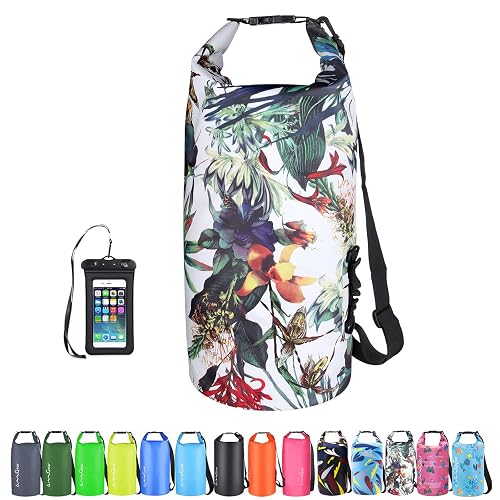
OMGear Waterproof Dry Bag Backpack Floating Sack
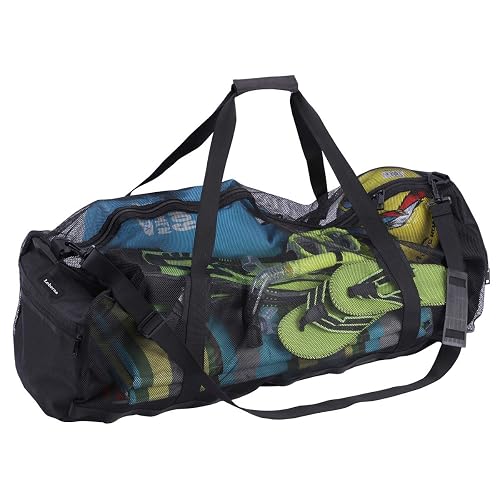
Leberna Large Beach Bag Mesh Toy Carrier
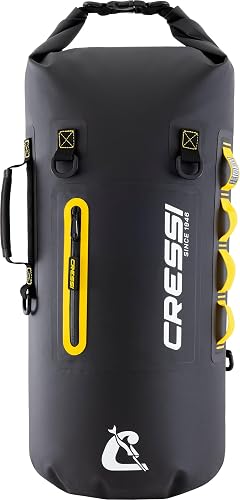
Cressi Ocelot Dry Bag with Carry Straps

Cressi Ballast Weight Bag for Scuba

Cressi Strong Foldable Mesh Duffle Bag
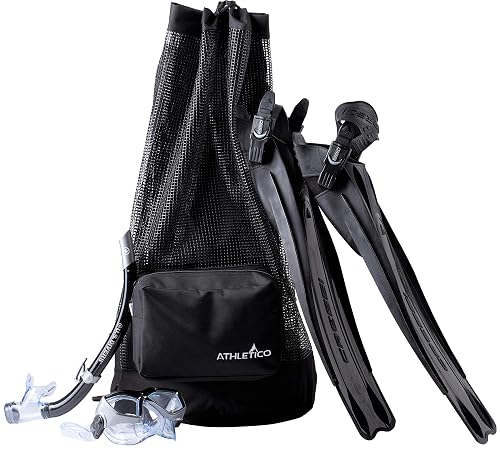
Athletico XL Mesh Scuba Travel Backpack
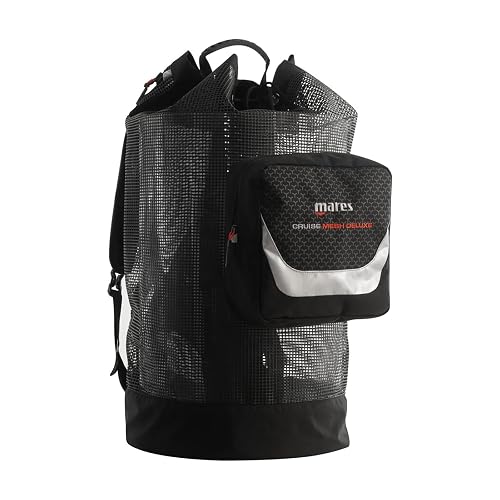
Mares Cruise Mesh Deluxe Dive Backpack

ARCHON Aluminum Waterproof Key Dry Box
The Details Behind The Selections
If you live near water or treat every weekend like a paddling trip, the Earth Pak earns its place at the top of the list. The roll-top closure is the classic dry-bag seal: fold the top down three or four times and clip the buckle, and the water stays out even during a swim. Compared to the lighter mesh options below, this one is built for keeping electronics and dry clothes bone-dry, not for venting a wetsuit after a dive.
It’s available across a wide capacity range from 5 liters up to 85 liters, which makes it useful for everything from a phone pouch on a kayak to a multi-day expedition pack. The 500D PVC shell is thick and abrasion-resistant, so dragging it across boat decks or rocky shorelines won’t faze it. A removable waterproof phone case is included, and the shoulder straps convert between backpack and duffle modes depending on load size.
What Stands Out
- Huge size range covers everything from a day-trip phone pouch to a week-long expedition dry sack
- 500D PVC shell resists scrapes against boat decks, rocks, and coral-lined shores
- Roll-top seal is field-proven across years of paddling use, far more dependable than zippered waterproofing
- Backpack straps redistribute weight across both shoulders during long portages
- Included waterproof phone case saves you from buying a separate pouch for camera days
Worth Noting
- Fully sealed design traps moisture inside if you load wet gear, so it isn’t ideal as a post-dive rinse bag
- The PVC body is stiffer than mesh, which means it won’t fold down to nothing in a suitcase
Who It Suits Best
Kayakers, rafters, and paddleboarders who need to keep phones, wallets, and spare clothes dry on moving water.
Where Another Pick Suits Better
For pure dive-gear hauling where ventilation matters, the Mares Cruise Mesh Deluxe Backpack is the better call.
The OMGear shares the same roll-top DNA as the Earth Pak above, but leans into accessibility for casual paddlers. Five sizes from 5L to 40L cover most day-trip needs without forcing you to commit to expedition-grade volume. The floating construction is the clever trick: if the bag slips off a raft, it stays on the surface instead of sinking to the bottom of the lake.
For a beach-to-boat session where you’re carrying a towel, snacks, and a change of clothes, this is a sensible pick. Where the Earth Pak uses a heavy-duty 500D PVC shell, OMGear’s lighter construction favors easier folding over rough-use punishment. It’s a starter bag for people still figuring out their paddling routine.
Useful Highlights
- Floats if dropped, protecting phones and keys during unexpected swims
- Five size options cover everything from a single towel to a full picnic load
- Lightweight shell packs down small when empty, great for travelers
Trade Offs
- Lighter build won’t shrug off the same abuse the Earth Pak’s 500D shell handles
- Fully sealed like most roll-tops, so wet gear stays wet inside until you empty it
- No included phone case means you’ll likely need a separate pouch for electronics
Made For
Casual kayakers and weekend rafters who want reliable dry storage without paying expedition prices.
Look Elsewhere When
Hardcore boat divers hauling full BCD setups will want the Athletico XL Mesh Scuba Travel Backpack instead.
The Leberna jumps the lineup into a different category: not a dry bag, but a beach-and-pool gear carrier. Where the Earth Pak and OMGear are built for keeping water out, this one is built for letting water and sand drain through. The mesh construction means sandy shovels, wet swimsuits, and pool toys stop dripping before you load the car.
The zipper top keeps everything contained during the walk back from the water, which is a small detail that matters when you’re juggling a tired toddler. It’s listed under diving and snorkeling gear, though honestly it’s more useful for families than certified divers. For the price point and the use case, it solves a real headache.
Standout Benefits
- Mesh panels drain water and shake free sand quickly after every trip
- Zippered top prevents toys and towels from spilling during the walk home
- Lightweight build is easy for anyone in the family to carry
- Low cost makes it easy to dedicate one to the trunk of the car permanently
Honest Caveats
- Mesh means sand escapes into your car unless you shake the bag thoroughly first
- Not waterproof, so phones and electronics need their own pouch inside
- Best for casual beach use, not a true scuba-gear hauler
Best Suited To
Parents wrangling pool toys, beach towels, and sand-covered gear on family outings.
Skip It When
You need a sealed dry bag for electronics and clothes, where the OMGear Waterproof Dry Bag Backpack handles the job.
The Cressi Ocelot is the most design-forward option on this list, made in Italy from tarpaulin rather than PVC mesh. Tarpaulin is a coated fabric that combines flexibility with serious tear resistance, used widely in marine gear. Compared to the heavier Earth Pak shell, the Ocelot feels more refined while staying purpose-built for water.
The 10-liter version uses a single adjustable crossbody strap, while the 20L and 30L versions step up to dual shoulder straps for backpack carry. That scaling is a thoughtful touch, since most brands force one carrying style across all sizes. The roll-down closure follows the proven pattern, and the build feels dialed in for surface water sports and casual swim days.
What It Does Well
- Tarpaulin construction balances flexibility with serious abrasion resistance
- Carry options scale thoughtfully: crossbody at 10L, backpack straps at 20L and 30L
- Cressi’s Italian design heritage shows in cleaner seams and consistent finishing
Small Limitations
- Lacks the wide size range of the Earth Pak, topping out at 30L
- Tarpaulin costs more per liter than basic PVC constructions
Whose Shelf It Belongs On
Surface water sport fans who care about carry comfort and clean design across multiple seasons.
Consider Something Else When
You need expedition-sized storage past 30 liters, where the Earth Pak Waterproof Dry Bag Roll Top Backpack delivers.
The Libra is the odd duck of this list, and that’s exactly why it earns a spot. It’s a ballast weight bag, meaning it’s designed to carry the heavy lead weights you strap into your BCD or weight belt, plus the smaller weights freedivers use. Standard backpacks fail at this job because dense metal piles and shifting load points shred thin fabric.
The Denier fabric and double webbing around the entire bag are built specifically to handle abrasive metal edges. A double-slider zipper makes loading easier, and the padded handle survives the awkward carry from car trunk to dive boat. This isn’t a versatile all-rounder; it’s a problem-solver for certified divers with real ballast needs.
Everyday Advantages
- Denier fabric shrugs off the abrasion of stacked metal weights
- Double webbing wrap reinforces stress points that fail on ordinary bags
- Double-slider zipper opens wide for fast loading and unloading between dives
- Works for both scuba ballast and freediver weights in the same kit
Room For Improvement
- Single-purpose design means it won’t replace your main gear bag
- Best paired with a separate mesh bag for fins, mask, and exposure suit
The Right Fit
Certified scuba divers and freedivers hauling real ballast weights to charter boats.
Reach For A Different Pick When
You want a single bag for all your dive gear, where the Cressi Strong Foldable Mesh Duffle Bag is the more versatile sibling.
The Cressi mesh duffle solves the worst part of dive travel: wet, dripping gear crammed into a suitcase. The mesh body lets water drain and air circulate, so a damp wetsuit doesn’t mildew inside your luggage. Compared to the closed-top Leberna above, this one is sized for actual diving hardware.
The 138.6-liter volume is roomy enough for fins, mask, snorkel, and a folded exposure suit, and the length is engineered specifically to house the longest freediving fins. The 70/30 polyester-600D blend keeps the bag from stretching under heavy loads, and it folds into its own round shape for packing. You essentially get a duffel that disappears in your luggage when empty.
Features That Help
- Length fits even the longest freediving fins without forcing them to bend
- Mesh body drains water and dries gear during transport
- Folds into a compact 38cm round shape for storage between trips
- 138.6-liter volume swallows full snorkel kits with room to spare
Points To Keep In Mind
- Empty weight of 750g adds to your airline bag weight on weight-restricted tickets
- Mesh means small accessories like regulators need an inner pouch
Built With In Mind
Snorkelers and freedivers flying or driving to warm-water dive destinations with full kit loads.
Another Choice May Suit
For boat divers who need backpack carry across parking lots, the Mares Cruise Mesh Deluxe Backpack is the better-built option.
The Athletico is the largest dedicated dive backpack on this list, sized at 29 by 16 by 16 inches. That footprint swallows fins, mask, regulator, BCD, shoes, and wetsuit in a single load. The 600D polyester and PVC-coated mesh combo balances durability with the breathability divers need after surfacing.
Where the Cressi Strong mesh duffle is built for travel bag stuffing, the Athletico leans into backpack carry. That difference matters for boat divers who walk from the parking lot to the dock. The build takes a beating without becoming a soggy mess by the time you load the car for the drive home.
Strong Points
- 29-inch body fits full BCD setups, not just snorkel kits
- 600D polyester shell survives the abuse of boat decks and rocky entries
- PVC-coated mesh dries quickly after wet gear loads
- Backpack straps free up both hands for hauling other gear to the dive site
Worth Bearing In Mind
- Oversized capacity makes it bulky for travelers trying to stay under airline weight limits
- Mesh design means regulators and electronics need a separate inner pouch
Perfect Match For
Boat divers carrying full BCD and regulator kits who walk any distance from car to dock.
A Better Fit Elsewhere
Frequent flyers who need to fold their bag into a suitcase will prefer the Cressi Strong Foldable Mesh Duffle Bag.
The Mares Cruise hits a sweet spot that the other bags miss: it’s big enough for full dive kits but light enough at 2.6 pounds to actually carry. The 123.5-liter capacity swallows fins, mask, wetsuit, and accessories without bulging at the seams. Compared to the heavier Athletico above, this one leans into comfort over sheer ruggedness.
The padded, adjustable shoulder straps and sternum strap are designed to actually spread the load across your back during long walks from parking lot to dock. Drainage holes in the bottom extension let seawater escape after the dive, keeping the bag light on the walk back. The reinforced bottom takes the worst of wet pavement and boat deck scraping.
Where It Helps
- Light 2.6-pound empty weight keeps travel weight manageable on flights
- Padded shoulder straps plus sternum strap stabilize heavy loads on long walks
- Bottom drainage holes release water fast after every dive
- Reinforced base protects against wear from wet pavement and boat decks
Practical Considerations
- 123.5 liters is generous but not as cavernous as the 138L Cressi Strong duffle
- PVC mesh construction demands careful drying to prevent mildew in storage
Who Should Grab It
Repeat dive travelers who want a comfortable carry and quick-dry ventilation across many trips.
Swap It Out When
You need a smaller, purpose-built ballast carrier, where the Cressi Ballast Weight Bag for Scuba does the job cleanly.
The ARCHON aluminum case is the smallest item here by a wide margin, and it solves a different problem than the rest. Built from 6061 aviation-grade aluminum with a black oxidation finish, this tiny cylinder keeps a single car key fob dry through swims, surfs, and shallow dives. The IPx8 rating is a universal waterproof standard, with the 8 digit meaning the case is rated for continuous submersion beyond one meter, and ARCHON rates this specific unit to roughly 150 meters of depth.
Compared to a phone pouch or full-size dry bag, this is a niche tool for the specific headache of locking your keys in a soggy wetsuit pocket. Beyond keys, the interior holds small valuables like first-aid pills, folded cash, or fire starters. It’s the kind of item that lives in your trunk for years before you suddenly need it.
The Helpful Details
- 6061 aviation aluminum resists corrosion from saltwater exposure
- IPx8 rating protects contents through full submersion, not just splashes
- Compact cylinder drops into any dry bag or wetsuit pocket as backup
- Multi-purpose storage works for first-aid pills, cash, or small electronics
Where It Is Less Suited
- Single-purpose size means it complements a larger dive bag rather than replacing one
- Hard aluminum body adds slight bulk next to soft pouches on keychains
Who Will Love This
Drivers who head to the beach or boat regularly and worry about their key fob taking a swim.
Not Your Match When
You need to haul dive gear, where the Cressi Strong Foldable Mesh Duffle Bag covers the real workload.
What Matters Most Before Choosing Diving Bags
Match The Bag To The Water You Actually Use
The biggest mistake new divers make is buying one bag for every scenario. Roll-top dry bags like the Earth Pak and OMGear are unmatched at keeping phones and dry clothes sealed, but they trap moisture inside if you load a wet wetsuit. Mesh dive bags like the Cressi Strong duffle and Mares Cruise backpack are designed to breathe, drain, and rinse gear on the walk home.
For paddlers and boaters who stay above the surface, roll-top sealed protection matters more than ventilation. For scuba divers returning from a saltwater dive with dripping regulators, a mesh bag with drainage holes prevents mildew and rust inside your trunk. Match the closure style to your dominant use case, not to what looks cool on a listing.
Size Capacity Reflects Real Trips, Not Aspirations
Buying a massive bag for occasional use is the most common regret in this category. A 55-liter dry bag sounds great until you’re hauling half-empty space across a parking lot. A 5-liter pouch works for a phone and wallet, but fails when you add a towel and lunch.
Calculate realistically: a single snorkel kit (mask, snorkel, fins, towel) needs roughly 30 to 40 liters of space. A full scuba kit (BCD, regulator, wetsuit, fins, mask, accessories) demands 90 liters or more, which is why the Mares Cruise at 123.5 liters and Athletico XL exist. Smaller specialty bags, like the ARCHON aluminum key case, serve a focused backup role rather than primary storage.
Material Choice Tells You The Bag’s Real Purpose
Material specs matter because they predict longevity. PVC-coated polyester and Denier fabrics shrug off sharp fins and rocky shorelines; tarpaulin feels lighter but costs more per liter; bare mesh is breathable but won’t insulate electronics from splashes. Saltwater is the harshest test of any fabric, so a marine-rated build matters if you dive or boat in the ocean.
Look for welded seams rather than stitched ones on roll-top dry bags, since stitched seams leak at the needle holes over time. On mesh bags, reinforced bottoms and double webbing straps extend the working life under heavy lead loads. The material list often tells you whether a bag is a real dive companion or a glorified beach tote.
Carry Style Affects Every Trip
Backpack straps, duffle handles, single crossbody straps, and grab handles all change how a bag feels in use. Backpack carry wins for any walk longer than a few minutes, especially with full dive kits. Duffle handles suit travel days and short carries from car to boat. A single crossbody strap works for surface swimmers but throws all weight on one shoulder under heavy loads.
For boat divers, sternum straps and padded shoulder straps are worth the upgrade over basic webbing, since you’ll feel the difference after ten minutes of walking. For paddleboarders, low-profile bags that won’t catch wind or swing wide on sudden leans are the smarter pick. Try to match carry style to the distances you cover, not just the gear you carry.
Key Considerations Across These Picks
Pitfalls Shoppers Hit
The most common slip is treating a beach bag like a dive bag. Mesh designs drain water, which means they leak from every angle if you load a phone or wallet inside without an inner pouch. Always check whether the bag’s design assumes dry storage or wet storage, and match it to your scenario. A second pitfall is choosing capacity based on wishful future trips rather than your current routine; an oversized bag becomes dead weight in your closet.
Where The Extra Money Goes
Higher-tier bags in this category spend the premium on materials and hardware, not looks. Tarpaulin shells last longer than entry PVC, reinforced stitching survives heavier loads, and drainage features save your gear from mildew between trips. The upgrade from a budget roll-top to a premium build typically shows up after years of saltwater exposure, when cheap fabric starts flaking at the seams. For occasional users, the budget tier makes sense; for boat owners and frequent divers, the upgrade pays off across the working life of the bag.
Frequently Asked Questions
What size diving bag do most snorkelers actually need?
A 30 to 40-liter bag fits a mask, snorkel, fins, towel, and a change of clothes for one person. Smaller 5 to 10-liter pouches work for electronics only.
Are roll-top dry bags truly waterproof for diving use?
Yes, when properly rolled at least three times and clipped. They’re rated for submersion during surface sports like kayaking and rafting, but scuba divers still need mesh bags for wet gear afterward.
Can I wash my mesh dive bag in a washing machine?
Most owners avoid the machine entirely and instead rinse mesh bags with fresh water after each saltwater outing, then air-dry fully before storage to prevent mildew.
How long do PVC dry bags typically last with regular use?
With proper rinsing and storage, a 500D PVC roll-top bag should serve several seasons of paddling before the seams or fabric show meaningful wear. Saltwater use shortens that window.
Do I really need a separate bag for ballast weights?
Divers carrying more than a few pounds of lead benefit from a purpose-built ballast bag like the Cressi Libra, since standard backpacks fail quickly under concentrated metal loads.
The Takeaway
Pick the bag that matches your actual water sport and how you carry gear, not the one with the largest capacity on paper. Roll-top dry bags seal out water for paddlers, mesh dive bags breathe and drain for snorkelers and scuba divers, and a tiny aluminum dry box protects keys and small valuables from any splashy scenario. Match the closure, capacity, and carry style to your routine, and your gear stays organized from the car trunk to the boat deck and back.