
A good dove spread can make the difference between a slow morning in the field and a hunt where birds commit to your setup. The right decoys pull doves from a long way off, hold their attention, and hold together through September heat, scuffed tailgates, and long walks to the back corner of the field. Whether you’re stacking a solo block on a fence line or building a full spread around a waterhole, the gear below covers the most common ways hunters reach for doves right now.
The Essentials At A Glance

Avian-X PowerFlight Spinning Wing Dove Decoy
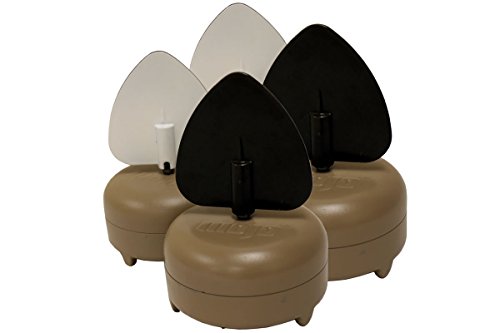
MOJO Outdoors Dove-A-Flicker

Avery GHG Mourning Dove Decoys

MOJO Outdoors Voodoo Dove Spinning Wing Decoy
What Each Pick Brings To The Table
Built for hunters who want one well-made motion bird instead of a full static flock, the Avian-X PowerFlight puts a self-driven spinning wing on a life-size dove silhouette. The wing arm runs on a wind motion system with cable hanger, so the bird keeps working as long as there’s a breeze. You stake it into the ground, set it on a fence post, or hang it from a branch, and it draws attention from circling doves that might otherwise swing wide.
For early September hunts in cut grain or hay fields, a single flashing wing is often the trigger that turns a passing flock into a committed approach. The included carry bag and field stake make it easy to stash in a vest pocket between spots, and the weather-resistant build shrugs off the kind of dewy mornings that soak cheaper decoys. Compared to the static-only option below, this one trades flock realism for movement that doves see from a long way out.
Where It Delivers
- Wind-driven spinning wing keeps motion going without a battery or motor
- Life-size profile reads as the real bird from typical dove approach angles
- Carries light in the included bag, with stake and cable hanger ready to deploy
- Weather-resistant build handles damp fields and long sits in the sun
- Works on a stake, fence post, or hung from a branch for varied setups
Worth Noting
- Only one bird in the package, so you’ll want to pair it with static decoys for a full spread
- Wind-driven motion means calm mornings can leave it looking static
Made For
The solo hunter working a single field edge or a lone fence line who wants motion without hauling a battery pack.
Look Elsewhere When
The Avery GHG Mourning Dove Decoys make more sense if you want a multi-bird static spread that reads like a flock at rest.
The MOJO Dove-A-Flicker adapts the same spinning-wing concept that changed duck hunting decades ago and applies it to doves. The idea is straightforward: a flapping wing silhouette reads as a bird landing or lifting off, and that flash of movement pulls doves out of a high line and into gun range. For open-field pass shooting, that long-range trigger is often the whole ballgame.
This decoy works as both an attractor, drawing doves from distance, and a finisher, convincing birds already circling to commit. If your hunting spot is a wide cut-grain field or a power line crossing with birds passing overhead, set the Dove-A-Flicker out front and let the motion do the heavy lifting. Compared to the Avian-X above, this one focuses on the same wing-flash trigger in a different brand’s package.
Useful Touches
- Spinning wing flash pulls doves from far out, which matters in wide open fields
- Pulls double duty as long-range attractor and close-range finisher
- Built by a brand with a long track record in spinning-wing motion decoys
Trade Offs
- A single moving bird won’t look like a flock without a few statics behind it
- Storage of the wing mechanism takes a bit more care than a plain body decoy to avoid bending
Right Fit For
Hunters running open-field setups where doves are flying high and you need that distant flash to bring them down to the gun.
Consider Something Else When
The MOJO Outdoors Voodoo Dove Spinning Wing Decoy fits better if you want motorized motion that runs without wind.
The Avery GHG Mourning Dove Decoys lean into realism rather than motion, and that’s exactly what makes them click in the right spot. Each pack gives you airbrushed, life-size shells in both resting and perching poses, so the spread looks like a real flock loafing on a wire or feeding on the ground. For hunters who set up under power lines, fence rows, or a stand of trees where doves naturally perch, that variety is the draw.
The pinch-clip attachment is the underrated feature here. It lets you clip the birds to fence wire, tree limbs, or a purpose-built dove stand in seconds, and the feather-light build means even a steady breeze gives them a little life. Owners commonly find the clips loosen after a season of hard use, so a quick check before each hunt pays off. Where the Avian-X and MOJO Voodoo above rely on wing motion, this set earns its keep by reading as a believable flock.
What Stands Out
- Airbrushed paint and carved detail mimic real mourning doves at typical shooting range
- Both resting and perching poses add natural flock variety out of the box
- Pinch-clip system lets you hang birds on wire, limbs, or stands without extra hardware
- Lightweight bodies catch wind, giving the spread subtle, lifelike movement
Points To Note
- Static shells need a breeze to animate, so glass-calm mornings can leave them looking frozen
- Clips and ultra-light bodies can wear out after a few rough seasons in the truck bed
- No spinning wing to flash doves down from a high pass on its own
Who Will Love This
Hunters hunting tight to power lines, fence rows, or tree stands where a perched-flock look beats anything spinning.
Swap It Out When
The MOJO Outdoors Dove-A-Flicker makes more sense in open fields where you need long-range motion to bring high-flying birds in.
The MOJO Voodoo takes the spinning-wing formula and adds a motor and a battery, so the wings spin whether there’s a breath of wind or none at all. The body sits in a natural landing posture and the corrugated wings create that landing-and-lofting flash that doves instinctively key in on. For calm mornings, late-season hunts, or any setup where the breeze died an hour after sunrise, that consistent motion is the difference between a working decoy and a decoration.
It runs on a steel support pole that stakes into the ground, and the magnetic wing design keeps setup fast. The 16-hour battery life covers the longest opening-day sits and most multi-day rotations before you need to swap cells. Compared to the wind-driven Avian-X above, you trade silence for steady motion. For hunters who rotate fields or stay out from before sunrise to last light, the Voodoo keeps working when wind decoys stall.
What It Does Well
- Motorized wing motion runs without wind, so it works on glass-calm mornings
- Larger body sits in a landing posture that reads as the real bird
- Magnetic wings speed up setup and teardown at the truck
- Steel support pole holds the body steady even when breezes pick up
- 16-hour battery covers the longest hunting days in the field
Small Caveats
- Batteries add weight and a small charging routine compared to wind-driven decoys
- Motor adds a faint operational noise that wind-only models don’t have
- A single motorized bird still benefits from a few static companions for a convincing spread
Who Should Grab It
Hunters who hunt all day, rotate multiple fields, and want reliable motion regardless of wind conditions.
Reach For A Different Pick When
The Avian-X PowerFlight Dove Decoy is a quieter fit for hunters who prefer wind-driven motion and don’t want to manage batteries.
Choosing Dove Decoys That Match Your Field
Dove hunting setups fall into a few rough patterns, and matching your decoy style to the pattern matters more than brand loyalty. Motion decoys, the spinning-wing MOJO and Avian-X options above, earn their keep in open country where doves are flying past at altitude and you need a long-range flash to break them out of a line. Static shell decoys, like the Avery pack, shine in tight cover where doves are already working a fence row, power line, or food plot and need a reason to land instead of a reason to come in from far away.
Carry weight and teardown speed matter more than most shoppers expect. A full morning of walking field edges and switching spots eats your shoulders, and a decoy that takes two minutes to deploy gets left in the bag. Wind-driven motion is silent and light, but it stalls on calm days. Motorized motion keeps going in still air, at the cost of carrying a charged battery and listening for the wing noise. Choose based on which trade-off bugs you less.
Durability is the other quiet filter. Doves hunt in September heat and rough trucks, and decoys with thin shells, soft clips, or floppy wings tend to crack, loosen, or warp after a season or two. Look for solid bodies, secure wing attachments, and weather-resistant finishes if you hunt more than a handful of days each fall.
Where Shoppers Go Wrong
The biggest trap in this category is buying a motion decoy and expecting it to work without any statics. A single spinning wing looks suspicious to doves that already see real birds loafing nearby. Pair any of the moving options above with two or three shell decoys in resting poses, and the spread reads as a real flock.
The flip side is the same mistake in reverse: stacking a dozen static shells on a fence line with no movement at all. Doves are visual animals, and even a subtle wing flash or breeze-caught body sells the spread. One motion bird next to a static flock is a stronger draw than either setup alone.
What The Higher Tier Buys
In dove decoys, “premium” mostly means better motion systems and tougher bodies. Wind-driven birds like the Avian-X PowerFlight use a tuned cable and arm that keep the wing turning in lighter air. Motorized models like the MOJO Voodoo add a battery-driven motor that runs regardless of wind, along with sturdier pole mounts.
The case for paying up shows up in longevity. Cheaper shells crack in the truck, cheaper clips loosen, and cheaper wing mechanisms bend out of shape after a season. If you hunt ten or more days a fall and rotate fields often, a more rugged build and a reliable motion system pay back fast in fewer mid-season replacements.
Frequently Asked Questions
How many dove decoys do you actually need? Three to six shell decoys paired with one motion decoy is plenty for most field-edge and waterhole setups. Going much beyond that adds carry weight without much added draw, and going below that often leaves the spread looking thin to incoming birds.
Do spinning-wing dove decoys really make a difference? They help most when doves are flying high and passing at distance. The flash of a spinning wing reads as a bird landing or lifting off, which is a strong visual cue from a long way out.
Can you use duck decoys for dove hunting? You can, but they’re not ideal. Doves key in on their own size and silhouette, and a duck body reads off at close range. Purpose-built dove decoys are scaled and painted for the species.
Where should you set up dove decoys? Place them where doves already want to land: along fence rows, under power lines, near a water source, or at the edge of a feeding field. Put the motion decoy where approaching birds will see it first, usually out from cover and into the flyway.
How do you store spinning-wing decoys so they last? Keep the wing mechanism from getting bent or crushed in the truck. A dedicated bag or a stiff-sided box prevents wing warps and clip damage between hunts.