
Wet phones, soggy snacks, and soaked car keys ruin a paddle session fast. The right dry bag keeps your essentials sealed when you take a spill, wipe out in chop, or simply splash across the bow on a windy morning. After digging into the specs, build details, and practical use cases, these five picks cover every paddler’s gear-hauling style, from featherlight day kits to heavy-duty weekend haulers.
The Choices Worth Comparing

Sea to Summit Big River Dry Bag 13L (Jet Black)
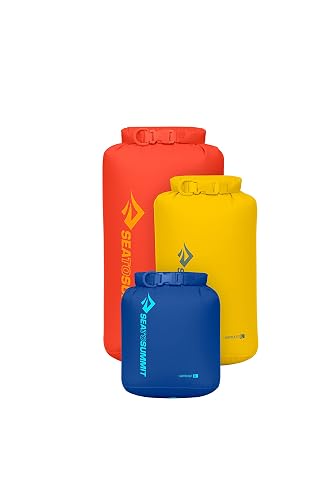
Sea to Summit Lightweight Dry Bag 3-Piece Set
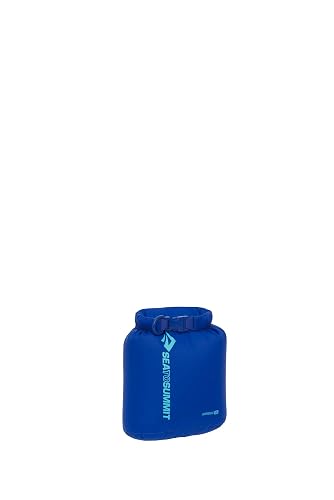
Sea to Summit Lightweight Dry Bag 1.5L
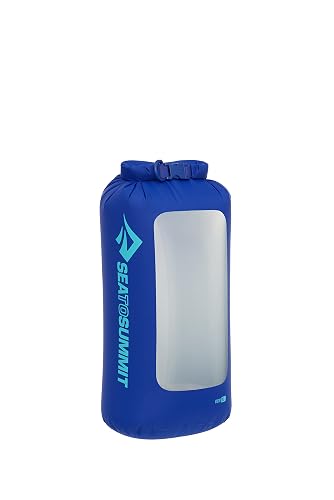
Sea to Summit View Dry Bag See-Thru Sack
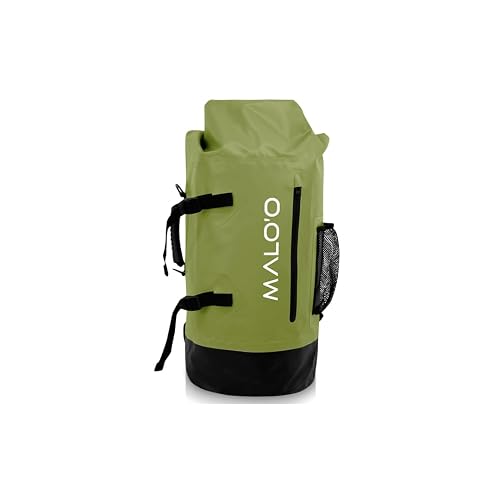
Malo’o 45L Waterproof Dry Bag Backpack
More On The Choices That Made The List
Paddle boarders who carry a full kit, dry layers, a packed lunch, plus phone and keys, lean on a bag that swallows it all without leaking. The Sea to Summit Big River fits that role with a 13-liter volume, the kind of capacity that holds a packed lunch, a fleece, and a towel for a couple of hours on the water.
It uses a TPU-coated 420D nylon shell, a denser weave than the average dry sack, which translates into genuine abrasion resistance when the bag scrapes against a board’s deck pad or a rocky launch. The triple-coated base adds a layer that protects against wet sitting on a damp dock, and the white laminate interior makes grabbing small items easier without emptying everything out.
A Strong Showing
- TPU-coated 420D nylon resists scrapes against rough surfaces and fin edges
- 13L holds lunch, layers, and a towel for full-day sessions
- Triple-coated base shrugs off puddles and damp docks
- White interior laminate improves visibility when hunting for small items
- Roll-top closure creates a simple, dependable seal you can check at a glance
Worth Noting
- Heavier than ultralight options, which matters for distance paddlers watching every ounce
- 13L may feel oversized for quick sunset sessions with just a phone and keys
At A Glance
Who It Suits Best
Paddlers who pack layers, snacks, and backup kit for two-to-four-hour sessions on lakes, bays, and coastal launches.
Consider Something Else When
The Sea to Summit Lightweight Dry Bag 3-Piece Set suits you better when you want three sizes for sorted organization rather than a single roomy hold.
One bag rarely covers every carry, since phone, snacks, and a jacket each want their own home. The Sea to Summit Lightweight 3-Piece Set solves that by bundling three sizes in a single buy, so you stop improvising with zip-lock bags and grocery sacks. Compared to the Big River covered above, this set trades a single large volume for three smaller, color-coded compartments.
That split is genuinely useful when paddling with a partner, since you can pass the smallest bag for phones while keeping snacks in the mid-size and layers in the largest. PU-coated nylon keeps the weight low, important for paddle boarders who carry their kit any distance from the parking lot.
Practical Advantages
- Three sizes let you sort phone, snacks, and layers without mixing
- Color-coded bags make it obvious who owns which bag at a glance
- Lightweight PU-coated shell barely registers in a board’s cargo net
- Roll-top closure stays consistent across all three pieces
Trade Offs
- No single bag matches the 13L volume of the Big River for big loads
- Lighter shell may scuff faster under hard use near rocky launches
- Three-piece count can feel like overkill for solo paddlers carrying little
Made For
Pairs and small groups who want a tidy, sorted kit on the board without juggling loose bags.
Look Elsewhere When
The Malo’o 45L Waterproof Dry Bag Backpack makes more sense when you need backpack straps for a hike-and-paddle approach.
Short sessions, quick loops, sunset cruises: most days on the water call for less, not more. The Sea to Summit Lightweight 1.5L is sized for the essentials only, with room for a phone, a card wallet, and a key fob, the kind of carry most paddlers actually use on a 45-minute cruise.
It uses a PU-coated 70D nylon with a DWR finish, which keeps the shell light and packable enough to stash in a board’s bungee when empty. The Hypalon roll-top closure reinforces the seal point where most dry bags tend to wear first, a thoughtful touch on a bag this small.
Reasons It Performs
- 1.5L fits phone, wallet, and keys with no wasted space
- PU-coated 70D nylon with DWR finish sheds spray and rain
- Hypalon roll-top reinforces the most stressed seal point
- White interior coating improves visibility into a tiny bag
Minor Gripes
- Too small for spare layers, snacks, or a packed lunch
- 70D shell is more about low weight than long-term abrasion resistance
Best Suited To
Casual paddlers heading out for short cruises who want phone and keys sealed without hauling a full kit bag.
Skip It When
The Sea to Summit View Dry Bag See-Thru Sack fits better when you want a transparent panel to find items without opening the bag.
The classic dry bag frustration: you roll the top open and dump half the contents onto the board trying to find your car fob. The Sea to Summit View solves that with a transparent panel running across the body, so you spot what you need without unsealing anything.
That see-through window is genuinely useful on the water, where balance matters and one-handed digging spells wobble. The window adds a touch of weight compared to fully opaque dry sacks, but for organized paddlers who hate rummaging, the trade is fair.
The Helpful Details
- Transparent panel cuts digging time in half
- Roll-top closure keeps the seal you expect from the brand
- Useful for shared boards where multiple paddlers share one bag
Honest Caveats
- Transparent panel adds a small weight penalty over opaque sacks
- Window can scuff over time, which reduces visibility
- Privacy is limited, so it isn’t ideal for valuables you’d rather conceal
Perfect Match For
Paddlers who pack small organized kits, like a camera, sunscreen, and snack, and want to spot items without unsealing the bag on a moving board.
Reach For A Different Pick When
The Sea to Summit Lightweight Dry Bag 1.5L works better for solo paddlers who carry only phone, wallet, and keys and value minimum weight over a viewing window.
Some paddle trips require more than a bungee cargo net can carry. The Malo’o 45L handles the oversized jobs, where you’re hauling a change of clothes, a towel, tackle, food, and electronics for a full day on the water. It doubles as a backpack, with shoulder straps and a roll-top closure that seals the wide opening shut.
The IPX6 rating means the bag resists powerful water jets, important when you’re hiking through spray zones or setting the bag down on a wet boat deck. A front zip pocket and side mesh pockets give you quick access to the small stuff without unpacking the main roll-top compartment, a real convenience on beach days.
The Upside
- 45L swallows full-day kit: clothes, towel, food, electronics
- Backpack straps free both hands on hike-and-paddle approaches
- IPX6 rating handles heavy spray and wet boat decks
- Front zip and side mesh pockets organize small items separately
Practical Considerations
- 45L is overkill for short recreational paddles
- Larger footprint won’t fit smaller board cargo nets comfortably
- Heavier than roll-only sacks once straps and frame are factored in
Who Should Grab It
Paddle boarders planning full-day or multi-stop trips who need to carry substantial kit and want backpack carry to the launch.
A Better Fit Elsewhere
The Sea to Summit Big River Dry Bag 13L suits you better when your day calls for a single mid-size hold rather than a 45L expedition pack.
What To Weigh Before Picking A Dry Bag
Paddle boarding punishes gear in ways that calmer activities do not. Direct sun bakes nylon coatings, sand works into zippers, and salt spray leaves residue on seams that slowly degrades them. A dry bag that handles a quick river float may disappoint after a season of saltwater use, so material choice matters as much as capacity.
Size is the first filter. Phone, wallet, and keys fit comfortably in a 1.5L to 3L bag, and most short recreational paddlers never need more than that. Day-trippers who pack lunch, dry layers, and a towel find 10L to 20L is the sweet spot. Anyone hauling a full change of clothes, fishing tackle, or overnight kit should look at 30L and up, though anything over 30L usually wants backpack straps to stay portable.
Closure style shapes real-world reliability. Roll-top closures remain the most dependable seal across all price tiers, since a folded top with a buckle is harder to misuse than clip-only lids. Transparent panels help you find small items fast but add weight and a small scuff risk over time. For paddle boarders carrying cameras, sunscreen, and a snack, that visibility is worth the trade. For paddlers carrying only phone, keys, and a card wallet, a fully opaque sack keeps the kit lighter.
Build materials round out the choice. PU-coated nylon is light and packable, fine for short sessions on calm water. TPU-coated nylon, especially in 420D and up, shrugs off the scrapes that come with rough boards and rocky launches. The trade is weight: a heavier shell costs ounces that distance paddlers care about. Match the build to your session length and the conditions you actually face, not the worst-case scenario you might encounter once a year.
Key Considerations Across These Picks
Traps First Timers Fall Into
A common slip is buying the largest bag in the lineup on the assumption that more capacity equals more value. In practice, an oversized bag encourages overpacking, adds weight to the board, and tends to flop around on a small cargo net. Pick the size that fits your real session, not your imagined one. Another trap is overlooking closure style. Clip-only lids seem modern but often leak when fully submerged, while a roll-top with a buckle seals even under brief immersion. For paddle boarding specifically, where wipeouts happen, roll-top wins on reliability.
When Paying More Pays Off
Higher-tier dry bags tend to spend the extra money on coated base panels, denser weaves, and reinforced closure points. These show up most in long-term durability: a budget bag may last a season of casual use, while a coated, well-stitched bag holds up across multiple saltwater summers. Spending up makes sense when you paddle weekly, store the bag in direct sun, or routinely set it down on rough surfaces like boat decks and concrete ramps. For a few sessions a year on a calm lake, a basic PU-coated sack is plenty.