
A good dry sack quietly does its job when the river runs high, the skies open up, or your kayak takes on spray. The wrong one leaks at the seams, turns your sleeping bag into a sponge, or falls apart halfway through a long weekend. Choosing among dry sack dry bags means balancing fabric weight, closure quality, and capacity against how you actually use them, whether that’s bikepacking through the Cascades or just keeping your phone safe on a paddleboard.
The Lineup, Simplified

Sea to Summit Big River Dry Bag, Heavy-Duty, 13L
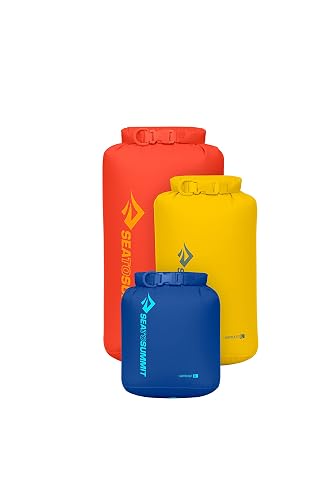
Sea to Summit Lightweight Dry Bag 3-Piece Set
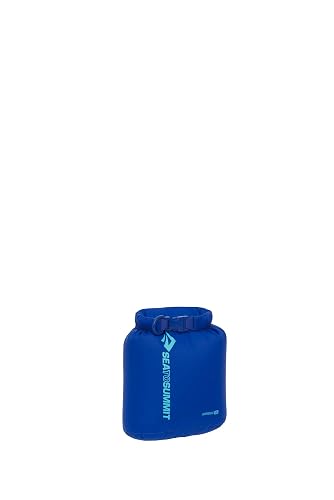
Sea to Summit Lightweight Dry Bag, 1.5L
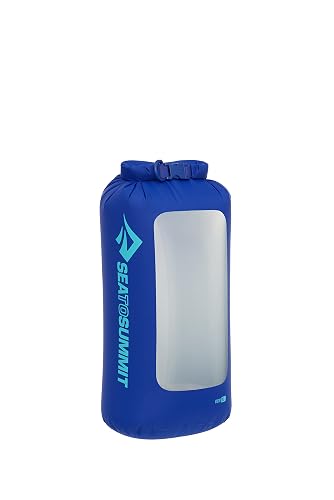
Sea to Summit View Dry Bag, See-Thru Sack
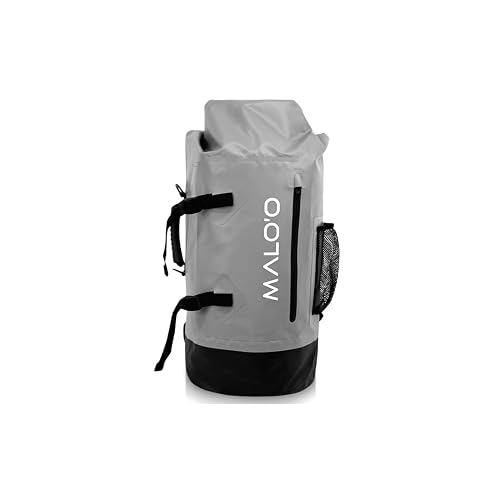
Malo’o 45L Waterproof Dry Bag Backpack
More Details On Our Top Picks
The Big River earns its name by leaning into fabric toughness over weight savings. Coated 420D nylon on the body and a triple-coated base panel give this 13-liter sack the kind of abrasion resistance that matters when you drag it across shale riverbanks or strap it tight against a motorcycle pannier. Inside, a white laminate helps you spot a dropped camp stove or a loose contact lens at a glance, which is a quiet luxury after a long paddle day.
Compared with the lighter Lightweight Dry Bag reviewed below, the Big River is the better pick when conditions get rough and gear weight is secondary. Whitewater guides, motorcycle tourers, and anyone committing to multi-day river trips will appreciate the durability. Casual hikers chasing ounces may want to look elsewhere.
The Helpful Details
- 420D coated nylon shell shrugs off scrapes against rocks and gravel
- Triple-coated base panel sits through the abuse of haul lines and rough landings
- White interior laminate makes finding small items easier at the end of the day
- Reinforced seam construction holds up under repeated stuffing in dry bags
Things To Consider
- Heavier than ultralight options, which adds up across a full kit
- Stiffer fabric can feel bulky in a small daypack
Feature Snapshot
Who It Suits Best
Rafters, kayak anglers, and bikepackers who need a 13-liter dry bag that can handle repeated abuse on rough terrain.
Consider Something Else When
The Sea to Summit Lightweight Dry Bag, 1.5L is a smarter match for backpackers trying to shave pack weight.
A nesting three-pack solves a problem solo sacks never quite manage: sorting layers, electronics, and food into their own compartments without playing tetris at camp. The Lightweight trio ships in small, medium, and large volumes, color-coded so you can grab the right one in fading light. For paddlers running open decks or families splitting gear across one canoe, that built-in organization is the whole point.
The trade-off shows up in fabric weight, which sits closer to the lighter Lightweight Dry Bag than to the Big River. Treat this set as a kit, not a heavy hauler. Outfit a weekend packrafting rig, a shared sailboat storage plan, or a paddle trip with a partner without buying mismatched sacks.
A Favorable Mix
- Three nested sizes replace the guesswork of mixing and matching individual sacks
- Color-coded bodies cut down on rummaging at the end of a long day
- Pack flat into luggage before a trip, saving space in a duffel or car trunk
Worth Noting
- No single piece holds a big camp kit, so very long trips still need a larger dry bag alongside
- Lighter fabric than the Big River, which means less abrasion resistance on rocky landings
Made For
Paddling duos and small crews who want a ready-made organizing system for a multi-day trip.
Look Elsewhere When
Solo travelers carrying one large shelter system will get more use from the Malo’o 45L Waterproof Dry Bag Backpack.
At 1.5 liters, this sack does one job and does it well: keeping a phone, a small first-aid kit, or a wallet dry inside a bigger pack. PU-coated 70D nylon keeps the weight nearly negligible, which is exactly what day hikers, ski tourers, and fastpackers want. The DWR finish (durable water repellent, meaning the outer fabric sheds light rain before it soaks in) beads morning condensation rather than absorbing it, and a Hypalon roll-top closure grips tight without a buckle to fuss with.
Versus the Big River reviewed earlier, this is the pick when every gram on your back matters. Versus the View Dry Bag coming up, it’s the lighter option when you do not need to see what is inside.
What It Does Well
- Holds a phone, snacks, and a compact camera without adding noticeable weight
- Slides into a hipbelt pocket or top-lid compartment without a fight
- DWR finish beads light rain and puddle splash on the outside
- Hypalon roll-top grips with no buckle to snap in cold weather
Trade Offs
- Too small to protect a down jacket or a pair of spare socks
- Lighter fabric can scuff when wedged against carabiners or trekking poles
Best Suited To
Day hikers, fastpackers, and ski tourers who carry one small essentials pouch they want kept bone-dry.
Skip It When
You need to spot a specific item in seconds, in which case the Sea to Summit View Dry Bag makes life easier.
The View Dry Bag earns its name from a transparent TPU (thermoplastic polyurethane, a flexible, waterproof film) window that turns the sack into a labeled, see-through organizer. Toss your charging cables in one, your headlamp and batteries in another, and you stop rummaging through opaque fabric at the bottom of a tent. It also doubles as a quick visual inventory before you paddle out, which matters when safety gear is involved.
Consider it a complement to a larger haul bag rather than a primary dry sack. Pair one with the Malo’o 45L reviewed below for tidy internals, or use a few stacked inside the Big River for electronics separation.
Points In Its Favor
- Transparent panel means no opening the bag to find a charging cable
- Writes-on surface accepts a marker so you can label contents at a glance
- TPU window stays flexible in cold weather, unlike stiffer PVC alternatives
Honest Caveats
- Not built to be the main dry bag on a wet river trip
- Transparent panel can haze over time with heavy UV exposure
Whose Shelf It Belongs On
Paddlers and travelers who pack multiple small electronics kits and want to skip the rummage at camp.
A Better Fit Elsewhere
The Sea to Summit Big River Dry Bag is the right call when you need a primary sack that handles full submersion and rough use.
The Malo’o plays a different game than the sacks above: it borrows backpack harness geometry so you can hike to the put-in with both hands free. At 45 liters, it swallows towels, tackle boxes, a change of clothes, and a layer for the walk back. A roll-top closure cinches down over the main opening, and thermo-welded seams (seams fused with heat rather than stitched, leaving no needle holes for water to slip through) replace the stitched seams you see on lighter sacks.
The IPX6 rating means it resists powerful water jets and heavy rain, though it is not rated for full submersion, so think beach spray and storm rain rather than river dunkings. For shoreline anglers, surfers, and paddleboarders who carry a full kit, that tradeoff usually lands fine.
Benefits That Matter
- Padded shoulder straps free up your hands for a surfboard or fishing rod
- Side mesh pocket stashes a water bottle or a pair of fins for quick access
- Front zip pocket keeps a phone and keys dry and reachable
- Thermo-welded seams eliminate stitch holes that can let water seep in
Points To Note
- Bigger than most paddlers need for a day paddle
- Harness adds bulk, which can feel heavy in a small kayak hatch
Feature Card
Right Fit For
Beachgoers, surfers, and shoreline anglers who want a hands-free carry for a full day of gear.
Reach For A Different Pick When
You paddle into rougher water, in which case the Sea to Summit Big River Dry Bag handles submersion better.
Picking Dry Sack Dry Bags That Actually Fit Your Trips
Material weight is the first fork in the road. Lighter 70D nylon fabrics save pack weight but scuff more easily, while heavier 400D-plus panels add ounces in exchange for serious abrasion resistance. Most weekend paddlers do fine in the middle, around 100D to 200D, since boats and packs rarely punish gear for long.
Closure design matters more than most shoppers expect. A roll-top closure (the open end folded down two or three times before clipping) creates a mechanical seal that works even when stitching or fabric begins to wear, and it lets you compress soft contents by tightening the fold. Buckle-only lids can leak through the closure itself once gaskets age.
Capacity should match the trip, not just the gear. A 1.5-liter pouch is right for a phone and a snack, a 13-liter sack covers a day’s worth of layers, and a 45-liter backpack handles a full beach or fishing kit. Buying one size and overfilling it is a common cause of seam stress.
Seam construction separates entry-level sacks from reliable ones. Thermo-welded or tape-sealed seams leave no needle holes, which means fewer leak paths. Stitched-only seams are lighter and cheaper, but they depend on a coating to stay dry, and coatings wear over time.
Key Considerations Across These Picks
Common Shopping Slip Ups
The most common mistake is buying by volume alone. A 45-liter sack sounds generous until you realize it swallows smaller items and never lets you find them again. Sorting gear into nested sizes, the way the Lightweight 3-Piece Set solves, often beats a single large bag. Another trap is trusting a “waterproof” label without checking the rating. IPX6 resists powerful jets, IPX7 handles brief submersion, and IPX8 handles longer submersion. Match the rating to the water you actually face.
Where The Extra Money Goes
Premium tiers tend to spend your money on seam sealing, heavier face fabrics, and reinforced base panels rather than brand cachet. On the Big River, the upgrade shows up as the triple-coated base, which protects the most-abused surface on any dry bag. On the Malo’o, the upgrade is welded seams and a backpack harness. You pay for longevity and comfort, not for marketing copy, so weigh those features against your real trips before deciding.
Frequently Asked Questions
How big should a dry sack be?
Pick the smallest volume that fits your essentials with room to roll the top three times. Day hikers usually do well with 1.5 to 5 liters, while paddlers carrying layers and food need 13 liters or more.
Are dry sacks actually waterproof?
Many are water-resistant rather than fully waterproof. Roll-top closures with welded or taped seams handle rain and brief submersion well, but only sacks rated IPX7 or IPX8 are designed for prolonged underwater use.
Can I use a dry sack as a flotation device?
No. A sealed dry sack provides a small amount of buoyancy, but it is not a certified life vest and should never replace one.
How do I clean a dry sack?
Rinse with fresh water, hang open to air dry, and avoid harsh detergents that strip the coating. Store loosely folded so the fabric does not crease permanently.
What is the difference between a dry sack and a dry bag?
The terms get used interchangeably, but a dry bag often refers to a larger backpack-style haul bag with straps, while a dry sack is the simpler roll-top cylinder style without a harness.
Closing Thoughts
The right dry sack dry bags come down to honest matches between the water you face, the weight you carry, and how you organize your kit. Start with the smallest sensible volume, confirm the closure and seam type match your conditions, and treat the heavier fabrics as a long-term investment rather than a splurge. With those basics covered, any of the picks above will keep your gear dry trip after trip.