
A wet sleeping bag, a soggy change of clothes, or a phone that took a swim in a kayak: these are the small disasters that ruin good days outside. Dry sacks keep that gear locked away from spray, rain, splashes, and quick dunks, so the only thing soaking is whatever you intended to drop in the river. The right one fits how you move, whether that’s a long paddle route, a bike-packing weekend, or a city commute in sudden weather.
This roundup focuses on the styles you’ll actually use: heavy-duty haulers for rough water, featherweight organizers for backpacking, see-through pouches for first-aid and electronics, and a backpack-style bag that doubles as carry-on gear. Material weight, seam construction, and roll-top closure matter more than marketing claims, so each review below breaks those down.
A Snapshot Of The Selections

Sea to Summit Big River Dry Bag 13L
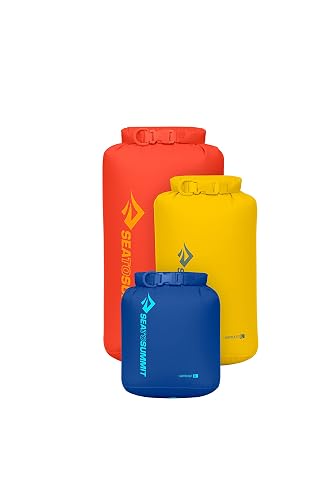
Sea to Summit Lightweight Dry Bag 3-Piece Set
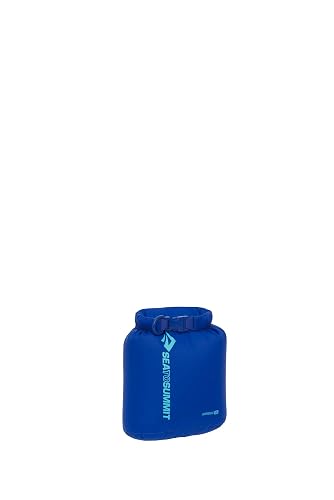
Sea to Summit Lightweight Dry Bag 1.5L
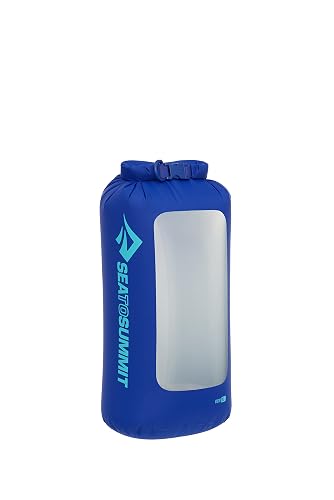
Sea to Summit View Dry Bag See-Thru
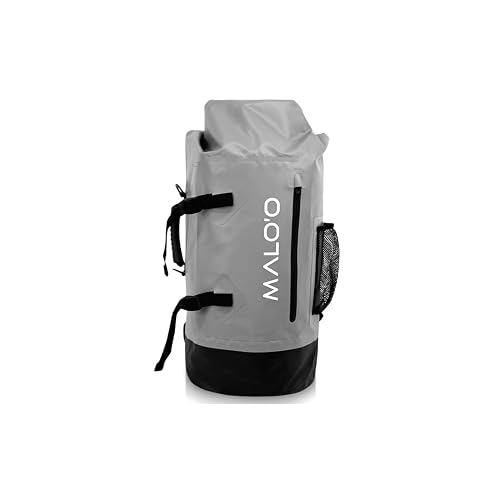
Malo’o 45L Waterproof Dry Bag Backpack
The Strengths Of Each Pick
The 13-liter Big River sits in the sweet spot for a full day on the water: roomy enough for a layer, lunch, and a small electronics pouch, yet compact enough to slide behind a kayak seat without hogging space. Its 420D nylon shell (the “D” stands for denier, a measure of fiber thickness, so higher numbers mean tougher fabric) is TPU-coated (thermoplastic polyurethane, a flexible waterproof film bonded to the outside) to shrug off scuffs from boat decks and rocky landings, and a triple-coated base adds reinforcement where bags tend to wear through first.
Where the Big River earns its keep is on longer river runs, motorcycle tours, and bike-packing weekends where you need a single bag that handles gear, spray, and grit without babying. Double-stitched, tape-sealed seams (the inner seams are covered with waterproof tape after stitching, blocking the needle holes that stitching leaves behind) keep the inside dry through quick dunkings, and the bright white interior laminate makes it easier to spot a missing carabiner at the bottom of the bag. For paddlers running Class III and up, it’s a noticeable step up from the lighter Sea to Summit models reviewed below.
Why It Works Well
- Tough 420D TPU-coated nylon shell resists abrasion on rocky landings
- 13-liter capacity fits a mid-layer, snacks, and a small electronics pouch
- Triple-coated base extends service life when dragged across boat decks
- White interior laminate improves visibility so small items don’t disappear
- Roll-top closure (the top is folded down three or more times before buckling, creating a mechanical seal) doubles as a grab handle in a pin
Trade Offs
- Heavier than the Lightweight series, which matters on fast-and-light hikes
- Single-size format means you may want a second bag for sorting wet and dry gear
- Stiffer fabric holds creases when stored folded for long periods
Key Specs
Made For
Kayakers, rafters, and bike-packers running multi-hour routes where spray and abrasion are part of the day.
Skip It When
You’re packing for a sub-two-pound backpacking kit, where the Sea to Summit Lightweight Dry Bag 3-Piece Set is a smarter weight trade.
Three nested sizes give backpackers and campers a built-in sorting system without buying three separate orders. You get one each of small, medium, and large, so a spare set of base layers, a wet rain shell, and a shared snack bag can all stay separated inside one pack. Compared with the heavier Big River above, this set uses thinner fabric to drop weight, which is a fair trade on trails where every ounce counts.
Where the set shines is in organizing a kit: keep electronics in the smallest, layers in the medium, and sleeping bag or shelter components in the large. Inside a pack, the color-coded sizes (depending on stock) make it easy to grab the right one without unpacking. For backpackers, sea kayakers on long crossings, and anyone tired of digging through a single cavernous dry bag, the bundled format is the practical answer.
The Helpful Details
- Three coordinated sizes remove the guesswork of building a kit
- Lighter than the Big River, friendlier to fastpacking weight budgets
- Nests together for compact packing when not in use
- Roll-top closures match across all three bags for consistent sealing
Things To Consider
- Thinner fabric shows wear faster on abrasive surfaces than the Big River
- Capacity per bag runs smaller than a single Big River, so high-volume gear may need a different solution
- Color availability shifts by restock, so matching a specific kit color may not always be possible
Right Fit For
Multi-day backpackers and paddle-campers who want one purchase to cover sorting layers, electronics, and food.
Consider Something Else When
You mostly haul a single bulky load like a sleeping bag or wetsuit; the Sea to Summit Big River Dry Bag 13L handles that better solo.
At 1.5 liters, this little roll-top bag is built for the small essentials that always seem to vanish into a bigger pack: a phone, a power bank, a foldable map, or a couple of energy bars. The PU-coated 70D nylon (polyurethane-coated 70-denier nylon, lighter than the Big River’s 420D) keeps weight negligible, and the Hypalon closure patch (a stiff, grippy rubber-like tab that reinforces the fold area) makes the top easier to roll cleanly. A DWR finish (durable water repellent, a surface treatment that makes water bead up rather than soak in) on the outside adds light rain protection between uses.
You’ll appreciate it most as a small organizer bag tucked inside a bigger dry bag, or as a stand-alone pouch on short hikes, ski tours, and bike rides where the bag sits in a frame bag or hip belt pocket. The white interior coating helps when you’re digging for a small cable, and the compact footprint fits inside daypacks without stealing space from other gear. Cyclists and trail runners in particular will find the size honest: enough room for the essentials, small enough to forget it’s there.
Advantages To Know
- Tiny 1.5L size fits inside a pack or jacket pocket
- PU-coated 70D nylon keeps weight near negligible
- White interior improves visibility for small items
- Roll-top with Hypalon patch seats cleanly
Small Caveats
- Too small for clothing layers or food for a day
- Light fabric shows scuffs sooner than the 420D Big River
Feature Snapshot
Best Suited To
Cyclists, trail runners, and skiers who need a tiny waterproof pocket for electronics and small essentials.
Reach For A Different Pick When
You want to find items without opening the bag; the Sea to Summit View Dry Bag See-Thru does that with a transparent panel.
The View Dry Bag trades a solid panel for a transparent window, which sounds small until you’ve fished through three nested bags looking for a first-aid kit at dusk. With a clear TPU window, you can scan contents without unsealing the roll-top, which also means fewer times exposing dry gear to whatever’s outside. It’s a smart pick for shared boats, group camping, and anyone tired of labeling everything with a Sharpie.
Used as a secondary organizer inside a larger dry bag or pack, the View keeps electronics, headlamps, and paperwork visible and protected. For kayak fishing, the window lets you check tackle without cracking open the closure and risking splash intrusion. It won’t replace the heavy-duty hauling capacity of the Big River or the 45L Malo’o backpack below, but it complements either kit with a layer of practical visibility.
What Earns Its Place
- Transparent window lets you scan contents without opening
- Useful as a secondary organizer inside a larger bag
- Speeds up group camping and shared-boat scenarios
- Compatible with the same roll-top sealing technique as the rest of the Sea to Summit lineup
Honest Caveats
- Transparent panel can fog or scratch over time, especially with electronics rubbing against it
- Not a heavy-duty hauler, so don’t expect it to replace a 13L or 45L main bag
Whose Shelf It Belongs On
Group campers, kayak anglers, and paddlers sharing gear who want to find what they need without unpacking.
A Better Fit Elsewhere
If you mostly carry one big load on long crossings, the Malo’o 45L Waterproof Dry Bag Backpack handles larger capacity with backpack-style carry.
The Malo’o shifts the dry bag concept from a stuff-sack shape to a backpack, which changes how you carry a full day on the water. The 45-liter main compartment swallows towels, a change of clothes, tackle, snacks, and a small electronics pouch in one go, while a front zip pocket and side mesh pockets keep the small stuff handy without unpacking the main roll-top. Thermo-welded seams (seams bonded with heat rather than stitched, eliminating the needle holes that stitched seams leave) are the headline construction detail.
Where it earns its keep is on hands-free outings: surf sessions where you walk a long beach, kayak fishing days with a lot of tackle, and travel days where you want a bag that shrugs off rain without a rain cover. The IPX6 rating (an international waterproofing standard; IPX6 means protection against powerful water jets, so spray and brief submersion are handled, but not prolonged full dunking) signals serious spray resistance for fishing and beach use. Compared with the Sea to Summit Big River above, the Malo’o trades a smaller, lighter shape for more volume and backpack-style carry.
Strengths Worth Knowing
- 45L main compartment carries a full day of beach or kayak gear
- Thermo-welded seams remove the needle holes that stitched seams leave
- IPX6 waterproof rating handles spray, rain, and brief splashes
- Front zip and side mesh pockets add quick-access storage
- Backpack straps free up hands for surf rods, paddles, or tackle bags
Points To Note
- Larger than most day-use dry bags, so it’s overkill for quick hikes
- IPX6 covers powerful spray but not full submersion for extended periods
- Backpack straps add bulk when the bag is stored flat
Quick Facts
Perfect Match For
Kayakers, anglers, surfers, and beach-day regulars who want one bag to carry and protect a full day’s worth of gear.
Look Elsewhere When
You’re packing light and want a featherweight pouch for small essentials; the Sea to Summit Lightweight Dry Bag 1.5L fits that role better.
What To Weigh Before Choosing Dry Sacks
Capacity And Intended Use
A 1.5-liter pouch fits a phone; a 13-liter bag fits a layer and lunch; a 45-liter backpack swallows a full beach day. Match capacity to the outing, not to the bigger-is-better reflex. Backpackers tend to want a layered system (small, medium, large) so wet gear stays separate from dry. Day paddlers often want one medium bag for layers and food plus a smaller organizer for electronics. Kayak anglers and surfers usually want one large backpack-style bag that can be carried hands-free.
Fabric Weight And Construction
Denier ratings (the “D” number on nylon fabrics) tell you how thick and abrasion-resistant the fabric is. 70D is light enough for fastpacking but scuffs faster on boat decks. 420D is heavier but holds up to rocky landings and motorcycle racks. Seam construction matters just as much: double-stitched, tape-sealed seams handle splashes well, while thermo-welded seams (heat-bonded, no needle holes) raise the bar for serious spray and rain exposure. Match fabric and seam type to the roughest surface the bag will actually touch.
Closure And Fit
A roll-top closure (the top of the bag is folded down on itself three or more times before buckling) is the most reliable seal because it uses the material itself as the gasket. Look for a stiffened patch at the fold area (Hypalon or similar) so the roll seats cleanly each time. Bucket-style bags with zipper-only seals look convenient but typically fail sooner in wet use. Test the fit: a dry bag should roll three times minimum to seal, with a little leftover material to clip shut.
Intended Water Exposure
Not all dry sacks are equal under water. IPX ratings (an international Ingress Protection scale) give you a real number to compare: IPX6 means protection from powerful water jets (spray, heavy rain, brief dunks), while lower ratings cover only light splashes. A bag rated for spray is fine for a kayak deck in chop, but for full submersion you want welded seams and a tested rating rather than just marketing language.
Key Considerations Across These Picks
Mistakes Worth Dodging
Choosing a single big dry bag for everything looks efficient but ends in chaos: wet socks leak onto your phone, and a damp base layer soaks the sleeping bag. Build a layered system instead. Another common slip is ignoring fabric weight: a 420D bag on a fastpacking trip adds noticeable pack weight, while a 70D bag on a Class IV river wears through fast. Match the bag to the trip. Finally, never skip the roll count: one fold looks sealed but usually isn’t, and water finds the gap on the first wave.
Where The Extra Money Goes
Spending more on a heavier dry bag typically buys thicker fabric, welded or tape-sealed seams, and a stiffer roll-top patch. Those features matter when the bag is dragged across decks, jammed behind kayak seats, or carried on abrasive racks. For backpackers and casual day-trippers, a mid-weight set is usually enough. Premium pricing earns its place when you actually need the bag to survive rough water, heavy loads, and frequent handling, not when you just want a slightly tougher pouch for car camping.
Frequently Asked Questions
How does a dry sack actually keep water out?
A dry sack uses a roll-top closure: you fold the top of the bag down on itself three or more times before buckling it. The folded material creates a mechanical seal that water cannot easily pass through. Seams are either stitched and tape-sealed or thermo-welded, so the bag stays watertight under spray, rain, and brief dunks.
What’s the difference between waterproof and water-resistant dry sacks?
Water-resistant bags handle light rain and splashes but soak through under pressure or submersion. Waterproof dry sacks are built with sealed or welded seams and tested against an IPX rating, so they handle spray, heavy rain, and sometimes brief dunks. For electronics and sleeping bags, always reach for waterproof rather than water-resistant.
Can dry sacks really be submerged?
It depends on the bag. Some carry an IPX6 rating, which means protection from powerful water jets and heavy spray but not extended submersion. Higher IPX ratings or fully welded construction can handle brief dunks. For prolonged submersion, look for bags specifically rated and tested for diving or surf use rather than just kayak spray.
How do you clean a dry sack?
Rinse the inside with fresh water after exposure to salt or mud, then hang it open to air-dry. Avoid harsh detergents, which can strip waterproof coatings. For stubborn grime, a mild soap and a soft cloth usually do the job. Store the bag rolled loosely so the fabric doesn’t crease permanently.
Are dry sacks worth it for backpacking?
Yes, especially for protecting sleeping bags, down jackets, and electronics. A dry sack keeps rain out when pack covers fail, and it lets you separate wet gear from dry. For ultralight trips, a single medium dry bag for the sleeping bag plus a small pouch for electronics is usually enough.
Final Verdict
Your best pick depends on the trip, not the spec sheet. For rough water and longer days out, the Sea to Summit Big River Dry Bag 13L is the reliable workhorse. For backpackers and shared camping, the Lightweight 3-Piece Set and the See-Through View Dry Bag simplify sorting. The Malo’o 45L Backpack earns its keep on hands-free beach and kayak days. Whichever you choose, match the capacity to the outing and the fabric to the roughest surface it’ll touch. That’s where dry sacks actually pay off.