
Slipping into a flooded timber blind before sunrise is brutal on gear. Your feet take the worst of it, sitting in cold water, mud, or slush while the rest of your body fights the wind. The right pair of duck hunting boots keeps warmth in, water out, and traction predictable on slick decoy bags and grassy levees, so you stop thinking about your feet and start thinking about the birds.
A Side-By-Side Look

Kalkal Snake Boots for Men – 16″ Lightweight Waterproof Hunting Boots

MUCK Men’s Mossy Oak® Woody Max Boot

Extremus by KastKing Timber Trail Hunting Backpack
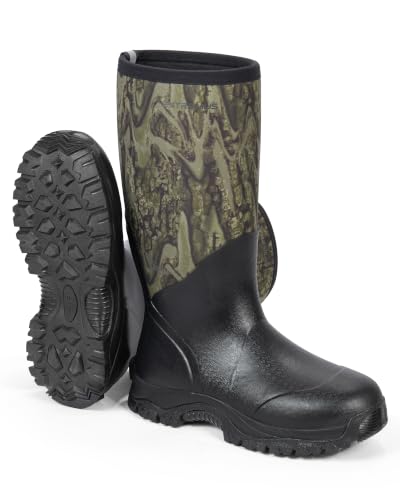
Extremus by KastKing MudRidge Rubber Boots for Men

Kalkal Snake Boots Waterproof Insulated with 5mm Neoprene
HUK Rogue Wave High-performance Fishing Boot
A Deeper Look At The Lineup
Tall, lightweight, and built for hunters on the move, these Kalkal boots reach 16 inches up the calf, which keeps water from pouring over the top when you step into a flooded ditch. Compared to the rubber-built options later in this list, this style trades some cold-weather insulation for a lighter stride on long walk-ins.
The advertised anti-slip shock-absorbing field sole is the kind of detail that pays off after a full morning of trudging through muck and duck blinds. You may find the snake-resistant paneling a comfort factor even when copperheads aren’t on your mind, since it doubles as a layer of abrasion resistance against thorny brush.
The Case For It
- 16-inch shaft guards against deeper water crossing during marsh hunts
- Lightweight construction reduces leg fatigue on extended walk-ins
- Anti-slip tread grips slick wooden dock boards and muddy banks
- Shock-absorbing sole softens impact when carrying decoys and gear
- Budget-friendly entry point compared to insulated rubber options
Points To Keep In Mind
- Lacks the heavy insulation you would want for late-season ice hunts
- Cleaning the textured upper takes a bit more scrubbing after muddy trips
Who Will Love This
Walk-in hunters and early-season duck chasers who want light, protective boots without the weight of a fully rubber pac.
Look Elsewhere When
You spend most mornings in freezing water or ice-covered ground, where the MUCK Men’s Mossy Oak Woody Max Boot is the better fit.
Where the Kalkal option is a fair-weather scrambler, the MUCK Woody Max is a deep-winter workhorse. A 5 mm internal neoprene layer (neoprene is a synthetic rubber that traps insulating air pockets) works with a fleece lining and 2 mm thermal foam under the foot to hold warmth in and keep cold out.
The stretch-fit topline hugs the calf to seal warmth in, while the high-grade rubber shell holds back standing water in flooded timber. Mossy Oak Break Up Country camouflage helps you disappear into flooded corn and brush, and for most late-season hunters, this is the boot that makes subzero sits bearable.
A Few Strong Suits
- 5 mm neoprene plus 2 mm thermal foam create serious cold-weather insulation
- Fleece lining adds comfort and moisture-wicking against the skin
- High-grade rubber upper keeps water out through long stands in flooded cover
- Stretch-fit topline seals warmth in around the calf
- Camouflage pattern blends into flooded timber settings
Honest Caveats
- Heavier than lightweight neoprene boots, which can tire you on long walk-ins
- Less breathable in mild weather, so your feet may feel clammy on a warm fall day
Built With In Mind
Late-season duck hunters who face freezing water, icy boots, and long waits in harsh conditions.
Swap It Out When
You hunt mostly in shallow water or warm southern marshes, where the Extremus by KastKing MudRidge Rubber Boots deliver waterproofing without the bulk.
This is the only non-footwear item in the roundup, and it earns its place because what you carry on the way to the blind matters as much as what you wear on your feet. The Timber Trail uses a 3-in-1 carry system for rifles or bows, tree stands, and climbing sticks, so a single pack can handle a wide gear load for hunters who skip from spot to spot.
Compared to the rubber and neoprene boots on this list, the Timber Trail is about organizing everything else. Weather-resistant materials, quiet construction, and waist-belt pockets with elastic ammo loops mean shells and gloves stay put during slow stalks through dry leaves.
The Upside
- 3-in-1 carry handles rifles, bows, tree stands, and climbing sticks
- Built-in elastic ammo loops keep shells within reach on the waist belt
- Quiet fabric construction reduces noise during close approaches
- Weather-resistant outer shell handles light rain and morning dew
Where It May Fall Short
- Larger frame can feel bulky when you only need a minimal daypack
- Better matched to mobile hunters than stationary blind setups
Right Fit For
Mobile hunters who want one pack that hauls their weapons, gear, and accessories without juggling multiple bags.
Not Your Match When
You hunt almost exclusively from a permanent blind and carry minimal gear, where a smaller bag makes more sense than this full Timber Trail system.
The MudRidge is a full-rubber hunting boot built to push through sticky marsh mud and flooded timber without leaking. Unlike the Kalkal boots earlier in this list, which lean on a lighter neoprene-style build, this option is a true rubber pac for hunters who deal with deep, standing water every weekend.
The seamless rubber shell means a quick rinse with the hose is all the maintenance most owners report needing. Depending on your hunting terrain, you may find the taller shaft worthwhile insurance against surprise wakes and tidal surge that would soak a shorter boot.
The Value In It
- 100% waterproof rubber shell keeps feet dry in flooded cover
- Reinforced upper resists punctures from sticks and shells
- Pull-on design simplifies dressing in the dark before legal shooting time
Things To Consider
- No advertised insulation, so cold-water hunters may need thick socks
- Rubber can feel stiff at first and benefits from a break-in period
- Heavier than lightweight alternatives during long walk-ins
Best Suited To
Mid-Atlantic and southern hunters who push through shallow bays, marsh ponds, and flooded timber where water simply cannot get in.
Reach For A Different Pick When
You mostly hunt in subfreezing temperatures, where the MUCK Woody Max’s neoprene insulation is the smarter call.
The second Kalkal entry in this lineup trades the lighter 16-inch build of Pick 1 for a 5 mm neoprene layer and a more insulated construction. That extra rubber-neoprene sandwich helps in cool morning hunts where dew-soaked grass turns into soaked socks by the second walk-out.
Snake-proof panels wrap the lower leg, which doubles as a shield against brush and rocky levees. The anti-slip sole keeps your footing steady on slick duck blind floors and muddy approaches. You may find the added insulation makes this version a year-round option in mild climates, even on opening day teal hunts.
Real Benefits
- 5 mm neoprene insulation cuts the chill of cold morning wades
- Snake-proof lower panels add bite and abrasion protection
- Anti-slip tread grips wet grass, mud, and blind floors
- Versatile design works for hunting, farming, and gardening tasks
Practical Considerations
- Snake-proof layers can add noticeable weight compared to non-armored boots
- Insulation runs warm, so feet may sweat during high-activity pursuits
Made For
Hunters who want one boot for snake country, cool mornings, and varied outdoor tasks without swapping footwear.
Consider Something Else When
You hunt in true subzero conditions or icy waters, where the MUCK Woody Max delivers stronger thermal performance.
The Rogue Wave closes the lineup with a low-profile alternative to the taller pac boots reviewed above. A neoprene and rubber upper keeps water out while keeping the silhouette closer to a shoe, which is the kind of low-cut profile that works well for boat hunters stepping onto wet gunwales.
At 38 ounces per pair, this is the lightest option in the roundup, which makes long walks to a boat ramp far easier than climbing in a tall insulated pac. The reinforced webbing pull-straps help with quick on-and-off changes between truck and boat. Depending on your region, you may find the Rogue Wave earns its place as a warm-weather duck boot even though it was designed with anglers in mind.
Practical Pluses
- GRIP-X outsole pattern grips wet decks and slick marina surfaces
- 8 mm molded EVA footbed cushions long days on your feet
- Lightweight 38-ounce build reduces fatigue over long walks
- Reinforced pull-straps speed up gear changes at the ramp
Details To Watch
- Low profile lets water in over the top during deep wades
- Limited insulation suits mild weather better than freezing hunts
Whose Shelf It Belongs On
Boat hunters and warm-weather duck chasers who prioritize grip and lightweight comfort over deep-water protection.
A Better Fit Elsewhere
You regularly wade through thigh-deep water or stand in flooded timber, where the taller MudRidge Rubber Boots keep water out far more reliably.
What Actually Matters When Shopping For Duck Hunting Boots
Waterproofing Versus Insulation
Waterproofing keeps water out, while insulation keeps warmth in. Rubber and neoprene handle both jobs at once, and 5 mm of neoprene adds meaningful warmth in cool water. For truly icy sits, look for boots that pair a waterproof shell with a fleece lining and thermal foam under the foot, the kind of layered construction that holds heat during long waits in freezing blinds.
Don’t assume thick equals warm. A heavy rubber shell without insulation will still leave your feet cold in December, while a waterproof boot with proper layering often outperforms a bulky pac that lacks thermal material.
Shaft Height And Terrain
Shaft height determines how deep you can wade. A 16-inch boot handles puddles and shallow marsh, while a tall pac reaches past your knee for flooded timber. Match the boot to your usual water depth, and avoid buying more boot than you need, since extra height and weight tax your legs over long walks.
For boat hunters, a low-profile deck boot like the HUK Rogue Wave gives grip without bulk. For walk-in hunters, taller pacs give water protection that a low-cut shoe simply cannot match.
Traction And Tread Design
Traction matters on slick grass, muddy levees, and boat decks. An aggressive lug pattern bites into soft mud, while a flat, sticky outsole works better on hard, wet surfaces. Anti-slip tread is one of the most common phrases on hunting boot listings, but the actual lug shape and rubber compound matter more than the label.
Look for a sole designed for both mud and hard surfaces, since duck hunting often mixes walking on dirt roads, boat ramps, and soft mud within a single trip.
Fit, Weight, And Break-In
A heavy boot tires your legs on a long walk, while a poorly insulated boot ends your hunt early. Try boots on with the socks you actually hunt in, since a thick wool sock changes fit significantly. Allow a small break-in window for rubber pacs, which often feel stiff until the materials warm and mold to your foot.
Key Things Worth Knowing Before You Buy
Traps First Timers Fall Into
Many first-time shoppers grab the heaviest, tallest boot they can find, assuming more boot means better protection. The trade-off is leg fatigue, sweating in mild weather, and difficulty walking long distances. Match the boot to your typical water depth and weather, not the worst-case scenario you might face once a season.
Another common misstep is ignoring sock choice. Cotton socks hold moisture and create blisters, while merino or synthetic blends wick moisture and pair better with waterproof boots. The right sock can turn a so-so boot into a comfortable one.
Where The Extra Money Goes
Premium boots usually upgrade three things: thicker insulation layers, more advanced rubber compounds, and better seam sealing. Higher-end pacs often include features like stretch-fit toplines, reinforced pull-straps, and molded footbeds that cheaper boots skip. For late-season hunters, those upgrades translate directly into longer, warmer sits; for early-season hunters, a mid-range option usually delivers all the waterproofing they need.
Frequently Asked Questions
What height boot do I need for duck hunting?
A 16-inch shaft covers most puddle and shallow marsh hunts, while a tall pac is better for flooded timber and deep wading. Match the shaft height to the deepest water you actually enter.
Are rubber boots warmer than neoprene boots?
Not by themselves. Rubber is waterproof but offers little insulation, so neoprene-lined or fleece-lined boots typically feel warmer in cold water and cold air.
Can I use fishing boots for duck hunting?
Yes, especially for boat-based hunters. Low-profile fishing boots offer excellent traction on wet decks, though they lack the tall shaft needed for deep wading.
How do I clean duck hunting boots?
Rinse with a hose, wipe down with mild soap if muddy, and dry them upside down so water drains out. Avoid high heat sources, which can damage rubber and neoprene over time.
Do I need snake-proof boots for duck hunting?
Only if you hunt in snake country. Snake-proof panels add weight and cost, so skip them if your hunting grounds don’t host venomous snakes.