
External frame backpacks solve a problem internal packs often can’t: moving heavy, awkward cargo across long distances without cooking your back. Hunters hauling meat out of the backcountry, trekkers carrying multi-day food loads, and gear-heavy weekend warriors all reach for the same classic silhouette, a metal or composite frame that holds the bag away from your spine and shifts weight to your hips.
This list rounds up nine options worth your attention, from expedition-grade haulers to lighter daypack-style systems. A few are technically internal frame packs, but the category bleeds into itself, and the buying advice below helps you sort which frame style actually fits how you carry.
The Shortlist At A Glance
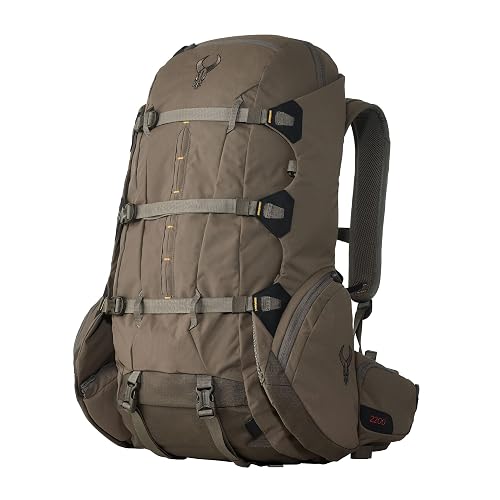
Badlands 2200 Hunting Pack with Meat Hauler
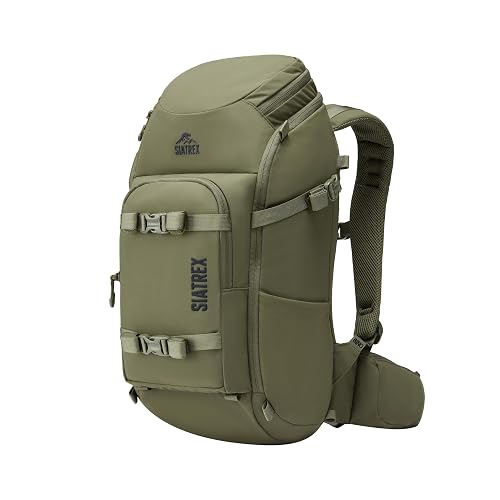
SIATREX 28L Hunting Backpack 500D DWR Nylon
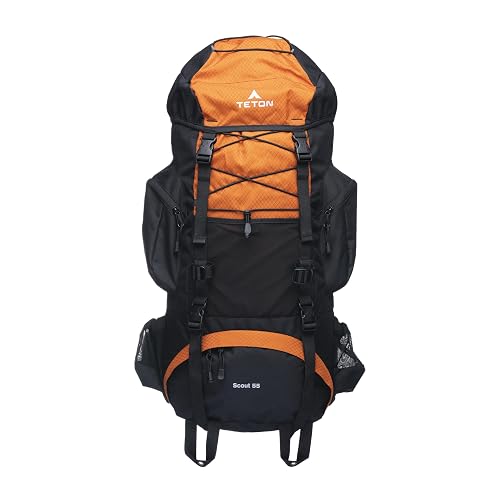
TETON Sports 55L Scout Internal Frame Backpack
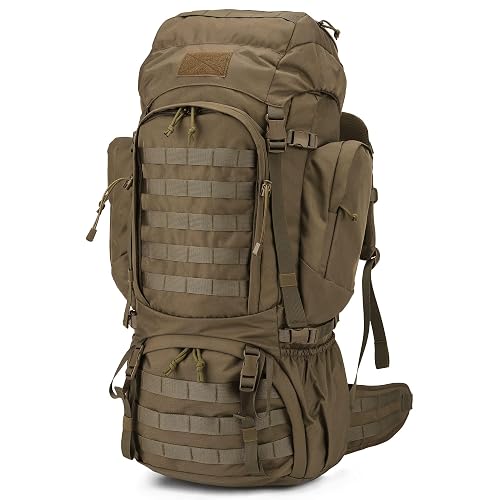
Mardingtop 60L Military Internal Frame Backpack
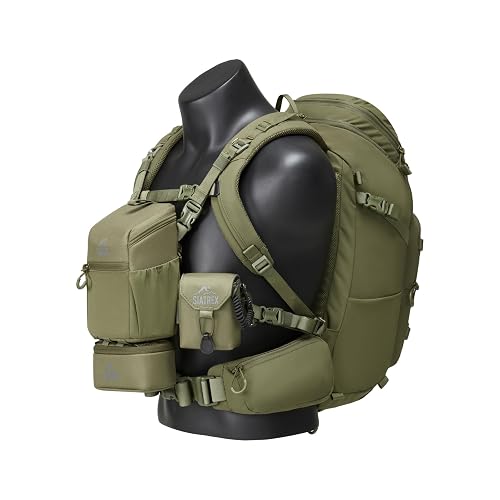
SIATREX Modular Hunting System 28L Daypack
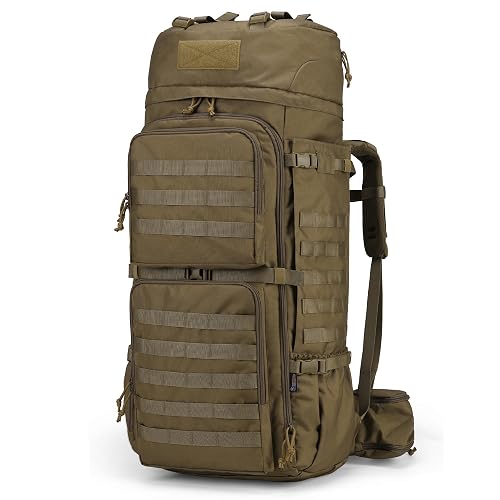
Mardingtop 75L MOLLE Hiking Internal Frame Backpack

SIATREX APEX 5000 Carbon Fiber Expedition Pack

Deuter Men’s Aircontact Core 40+10 Trekking Backpack
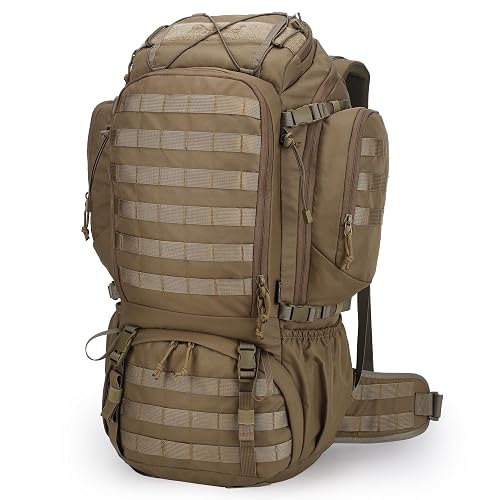
Mardingtop 50L Internal Frame Backpack
More Details On Our Top Picks
The Badlands 2200 earns its place on any serious hunter’s short list because it tackles the most punishing part of a backcountry hunt: getting meat out. The built-in meat hauler lets you strap quarters, boned-out meat, or even an antlered head to the frame and walk it out without overstuffing the main bag.
Compared to lighter daypack-style options later in this list, the 2200 is built for weight. Its molded suspension and reinforced waist belt shift the heaviest loads onto your hips, where your body can actually carry them. You give up nimbleness in thick timber, and you trade weight savings for raw durability, but the trade is worth it for multi-day western hunts.
Advantages To Know
- Integrated meat-hauling system handles bone-in quarters without rigging extra straps
- Molded memory foam suspension softens with use as the harness breaks in to your body
- Reverse-pull waist belt lets you cinch tight under load, not just when the bag is light
- Tough outer fabric shrugs off abrasion from scree, brush, and shale
Things To Consider
- Heavier than most internal frame packs, so a long approach with an empty bag can feel cumbersome
- Bulky profile catches on branches when you are squeezing through thick timber
Feature Snapshot
Who It Suits Best
Western big-game hunters packing out meat, antlers, and camp over multiple trips from base camp.
Where Another Pick Suits Better
The SIATREX 28L Hunting Backpack fits better for spot-and-stalk hunters who never pack out more than a boned-out cape and some snacks.
Where the Badlands above is built to haul meat, the SIATREX 28L is built to stay out of your way. The 28-liter capacity lands in daypack territory, which means it’s sized for a hunt’s worth of snacks, layers, rangefinder, and a hydration bladder, nothing more.
The 500D nylon shell with a DWR (durable water repellent) coating is the real story. DWR is a chemical treatment that makes water bead up and roll off fabric instead of soaking in, and combined with the 500D weave (the “D” stands for denier, a measure of fiber thickness), it handles brush and light rain without complaint.
Benefits That Matter
- Ripstop weave stops small punctures from spreading into full tears
- MOLLE webbing across the front and sides lets you clip calls, holsters, or extra pouches
- Hydration-compatible sleeve routes a drinking tube over the shoulder for hands-free sipping
- YKK zippers (an industry-standard brand known for smooth, durable operation) resist corrosion and jamming
Worth Noting
- No internal frame, so heavy loads ride on your shoulders instead of your hips
- Small capacity means multi-day hunts need a larger pack alongside it
- Light fabric can abrade fast if dragged repeatedly over limestone or sandstone
Feature Snapshot
Made For
Archery and scouting hunters who cover ground light and need a quiet, snag-free pack.
Look Elsewhere When
The TETON Sports 55L Scout fits better for anyone needing overnight or weekend capacity without jumping to a meat-hauler.
The Scout 55L addresses one of the most common fit problems in backpacking gear: smaller torsos. An internal frame (a hidden support structure sewn into the back panel) keeps the silhouette trim, but the adjustable torso panel lets the pack actually fit youth hikers and adults with shorter backs, instead of forcing them into a bag built for a 6-footer.
The integrated rain cover is a nice touch, especially for campers and backpackers who don’t want to buy one separately. Compared to the MOLLE-heavy Mardingtop entries later in this list, the Scout leans simpler, with cleaner lines and fewer dangling straps to snag on a campsite chair.
Features That Help
- Adjustable torso panel grows with younger users or fits shorter adults properly
- Built-in rain cover deploys fast when weather rolls in mid-trip
- Internal frame keeps the load close to your center of gravity for better balance
- Clean exterior layout makes packing and finding gear less fiddly
Trade Offs
- No MOLLE webbing limits modular add-ons compared to the SIATREX and Mardingtop options
- Internal frame sits closer to your back, which means less airflow on hot days
Quick Facts
Right Fit For
Youth campers, smaller-framed adults, and first-time backpackers learning the ropes.
Not Your Match When
Anyone needing serious modular attachment points for hunting or tactical use should reach for the Mardingtop 60L Military Internal Frame Backpack instead.
Mardingtop’s 60L leans into the tactical side of the category. The pack is wrapped in MOLLE webbing (Modular Lightweight Load-carrying Equipment, a grid of straps that lets you clip on extra pouches), so you can hang everything from a sleeping bag to a rolled tent to the outside of the bag without crushing your main compartment.
For hunters and trekkers who already own modular pouches, this is a flexible base platform. For casual weekend hikers, all that webbing becomes visual noise and weight. Pair it against the TETON Scout above and the difference is intent: the Scout is friendlier, this one is more configurable.
Good Reasons To Consider
- Full MOLLE coverage accepts aftermarket pouches, holsters, and accessories
- Dedicated patch area for name tapes and flag patches
- Hiking pole and ice axe attachments free up your hands on uneven terrain
- Rain cover included for foul-weather trips
Points To Note
- Loaded configuration can exceed comfortable carry weight for casual users
- Patch area and tactical look don’t blend in on a public trail
Best Suited To
Hunters, tactical trainers, and trekkers who already use modular accessories and need a versatile base pack.
Skip It When
Casual weekend hikers who want a quieter profile will prefer the TETON Sports 55L Scout.
Most packs ask you to choose: backpack or binocular harness. This SIATREX system ships both, connected. The chest pack mounts directly to the shoulder strap, so your optics hang where you can grab them without swinging a bino harness off your neck every time you glass a ridge.
For still hunters and spot-and-stalkers, that matters more than people expect. A neck strap may seem fine for 20 minutes, but it gets old fast on a full day of glassing. The 28L daypack portion uses the same 500D DWR-treated nylon as the standalone model above, so you get matching durability in a tighter, glassing-first system.
Why It Works Well
- Chest-mounted optics eliminate neck fatigue on long glassing sessions
- Included rain cover deploys fast when weather shifts mid-hunt
- MOLLE webbing across the pack accepts your favorite modular pouches
- Maximum load rating up to 220 lbs handles heavy gear hauls when needed
A Few Limitations
- Two-piece setup adds complexity compared to a single daypack
- Some users may find the chest pack bounces on steep climbs
Feature Snapshot
Whose Shelf It Belongs On
Hunters who glass more than they hike and want optics accessible without breaking stride.
Another Choice May Suit
Standalone glassers who don’t need the daypack component should look at the Badlands 2200 for its meat-hauling focus instead.
The 75L Mardingtop is the biggest pack on this list, and the one most likely to be packed for a full week in the backcountry. 75 liters is enough room for a tent, sleeping bag, pad, food for five to seven days, and layers, with room left for a camp chair if you’re feeling indulgent.
Like its 60L sibling, it wraps in MOLLE webbing, but the larger size also includes a hydration sleeve that accepts a 3-liter bladder. The internal frame keeps the bag’s profile slimmer than a comparable external-frame bag, which helps when you find yourself ducking under blowdown or weaving through alder thickets.
The Practical Payoff
- 75L volume handles multi-day food, shelter, and clothing without external rigging
- Hydration sleeve accepts a 3L bladder, routed to the shoulder strap
- 600D polyester shell balances weight and abrasion resistance
- Rain cover included for weather changes on long trips
Honest Caveats
- Fully loaded, the bag can easily exceed 50 lbs, which demands a real conditioning plan
- Internal frame means less airflow against your back in summer conditions
Core Details
Who Will Love This
Multi-day backpackers and hunters on week-long trips who need real volume without buying a separate cargo bag.
Reach For A Different Pick When
Day-hunters and short-trip hikers will find the Mardingtop 50L Internal Frame Backpack easier to live with.
The APEX 5000 is the only carbon-fiber-framed pack on this list, and the frame choice sets the tone for everything else. Carbon fiber cuts weight compared to aluminum while staying stiff under load, so you carry less pack for the same hauling capacity. That trade is the entire reason expedition hunters pay up for these.
You get a 5000 cubic inch main compartment, a 2500 cubic inch load sling (an external shelf that lets you strap meat or a tent below the bag), and 1200 cubic inches of lid and pocket storage. The modular design is intentional: bring everything for an elk hunt, or strip it down for a one-day ambush setup. The honest read is that this is overkill for casual users, but for serious backcountry hunters, the flexibility is the point.
Where It Delivers
- Carbon fiber frame trims weight without sacrificing load stiffness
- Load sling lets you pack out meat or strap a tent without crushing the main bag
- Modular layout scales up or down depending on trip length
- Total storage rivals the Mardingtop 75L but in a more balanced load shape
Where It Is Less Suited
- Premium frame materials put it well above the price tier of the Mardingtop options
- Expedition-level capacity is wasted on day-trippers
Perfect Match For
Western elk and mule deer hunters running spike camps who need expedition capacity and a frame that won’t fatigue them by day three.
A Better Fit Elsewhere
Budget-focused weekend hikers will get more value from the Mardingtop 60L Military Internal Frame Backpack.
Deuter’s Aircontact Core sits at the only true external frame pack in this lineup, and the difference shows up in fit and ventilation. The Air Spacer Mesh back panel creates a real air gap between the bag and your back, which matters more than people expect on long climbs under a hot sun.
The “+10” in the name is a collar extension that adds 10 liters when you need it, useful for carrying an extra layer or a week of food on the long-haul treks this bag is built for. More than half the main fabric is recycled, and it’s bluesign-certified, meaning an independent third party has verified the materials meet strict environmental and safety standards. For trekkers who care about sourcing as much as performance, that detail lands.
What Works In Its Favor
- External frame keeps the load ventilated and off your back on long climbs
- Removable compression straps adjust the bag’s profile to different loads
- bluesign-certified, recycled-heavy build for sourcing-conscious trekkers
- Adjustable torso and hip belt fit a wide range of body sizes
Trade-Offs To Consider
- External frame is bulkier than internal frame rivals, awkward in airline overhead bins
- 50L total capacity is smaller than the Mardingtop 75L on long food hauls
Built With In Mind
Long-distance trekkers who want genuine external frame ventilation and a sustainability story to back it up.
Swap It Out When
Anyone needing more than a week’s worth of food capacity should look at the SIATREX APEX 5000 or the Mardingtop 75L.
Closing out the list, the Mardingtop 50L is the no-frills option for people who want a real internal frame pack without paying for expedition features. 50 liters is the sweet spot for two- to three-day trips: food, shelter, a change of clothes, and not much else.
At roughly 2 kg, the pack stays light enough that an occasional weekend trip doesn’t feel like a workout. The 600D polyester shell isn’t as burly as the 500D nylon used on the SIATREX packs above, but for established trail use rather than bushwhacking, it holds up fine. The included rain cover is a small touch that saves you from buying one separately.
What Earns Its Place
- Lightweight 2 kg carry weight stays comfortable on shorter trips
- Multiple compartments keep layers, food, and tools separated and easy to find
- 600D polyester offers reasonable durability for trail use
- Rain cover included out of the box
Potential Drawbacks
- Smaller volume than the 60L and 75L Mardingtop siblings, so multi-week trips are out
- No MOLLE webbing limits add-on flexibility
Who Should Grab It
Weekend hikers, casual campers, and anyone building a first real backpacking kit on a tighter budget.
Where A Sibling Pick Shines
Multi-day backpackers who need extra volume will prefer the Mardingtop 75L MOLLE Hiking Internal Frame Backpack.
What To Weigh Before Choosing An External Frame Backpack
Frame Style And Carry Geometry
External frames hold the bag away from your back, which keeps your spine cooler and lets you strap awkward loads (meat, antlers, tents) to the outside. Internal frames sit closer to your center of gravity, which makes them more agile on narrow trails and easier to maneuver in thick cover. If you spend most of your time on established trails or in tight terrain, internal frame designs like the Mardingtop 60L or TETON 55L Scout are friendlier. For hauling heavy or bulky cargo across open country, the Deuter Aircontact Core or Badlands 2200 give you the geometry you need.
Capacity Matched To Trip Length
A useful rule of thumb: figure 1 liter per day of food plus a constant 8 to 12 liters for shelter, clothing, and rain gear. That puts a 50L pack in the two- to three-day range, a 55 to 60L pack in the three- to five-day range, and anything 70L and up into the multi-day or pack-out category. Oversizing the bag tempts you to fill it with non-essentials; undersizing it forces uncomfortable external rigging.
Fabric And Hardware Choices
Denier ratings (the “D” number) tell you how thick the fabric fibers are. 500D nylon strikes a good balance of weight and abrasion resistance. 600D polyester is slightly heavier but often more UV-resistant, useful in desert environments. YKK zippers (an industry-standard brand) resist corrosion and jamming better than off-brand alternatives. Look for bar-tacked stitching (small reinforced stitches at high-stress points) at shoulder strap and hip belt attachments, since those are the first places budget packs fail.
Fit And Adjustability
Torso length matters more than overall height. A pack that’s too long for your torso puts the hip belt above your hips, where it can’t do its job. Adjustable torso panels (like the TETON Scout’s) solve this for shorter users. The hip belt should sit on the bony part of your pelvis, not your waist, and the load lifters (the small straps at the top of the shoulders) should pull the bag slightly toward your body, not away from it.
Key Considerations Across These Picks
Where Shoppers Go Wrong
The most common mistake is buying capacity you don’t need. A 75L pack sounds like freedom, but on a one-night trip you end up with a half-empty bag swinging on your back. The second most common is ignoring torso fit: an expensive pack with the wrong torso length carries worse than a budget pack that fits. Measure your torso before browsing, and don’t trust height as a proxy.
Where The Extra Money Goes
Premium packs, like the SIATREX APEX 5000, charge for materials and frame engineering, not just brand. Carbon fiber frames trim weight without losing stiffness, and that matters when you’re carrying 60 lbs for a week. Higher-tier packs also tend to use thicker fabric, better zippers, and suspension systems that survive years of hard use. The upgrade is worth it when you carry heavy loads regularly; it’s wasted on someone who breaks a pack out twice a year.
Frequently Asked Questions
Are external frame backpacks better for heavy loads?
External frames generally handle heavy, bulky loads better because they keep the bag away from your body and let you strap awkward cargo externally. Internal frame packs handle heavy loads too, but they require the weight to sit inside the bag close to your back. For 50+ pound hauls, external frames typically feel more stable over long distances.
What size external frame backpack do I need?
For a weekend trip, 40 to 55 liters usually covers it. Three to five days calls for 55 to 70 liters. Week-long trips or hunts where you’re packing out meat often need 70 liters or more, sometimes paired with a load sling. Bigger is not always better; an over-sized bag tempts you to overpack and increases strain.
How do I measure my torso for a backpack fit?
Measure from the C7 vertebra, the bony bump at the base of your neck, down to the iliac crest, the top of your hip bones. That measurement, in inches, is your torso length. Most pack makers list torso ranges rather than exact sizes, so use your number to land in the right window.
Can I use an internal frame pack for hunting?
Yes, especially models with MOLLE webbing and load sling attachments, like the SIATREX APEX 5000. Internal frame packs work well for spot-and-stalk and tree-stand hunting where you carry less bulk. For multi-day pack-out hunts, an external frame with a meat hauler is usually easier on your body.
How important is a rain cover?
Important enough that most packs on this list include one. A soaked sleeping bag adds 5 to 10 lbs of water weight and can drop your overnight temperature comfort dramatically. A pack cover or large trash bag inside the bag handles the same problem cheaply, but dedicated covers are faster to deploy.
Bottom Line
The right pack comes down to honest answers about how you actually use it. A weekend hiker on established trails has different needs than a week-in elk hunter hauling meat out, and forcing one pack to do both jobs is how you end up with sore hips and a damp sleeping bag. Match capacity to trip length, frame style to terrain, and material weight to how often you carry the bag. The picks above cover most of the realistic scenarios in the category, so the answer is probably already in this list.