
Choosing gloves for backpacking means balancing weight, dexterity, and weather protection in a category crowded with one-trick designs. Trail temperatures swing hard, and a glove that’s perfect at a stream crossing can feel clammy twenty minutes later on a sun-exposed ridge. This list pairs merino liners with full leather shells, and covers sun-blocking, touchscreen-ready, and budget options too.
A Side-By-Side Look
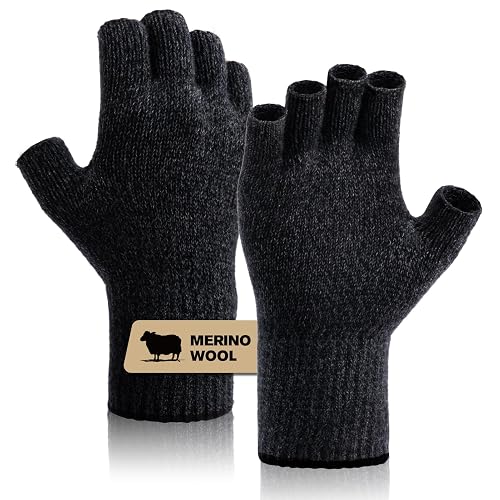
SONORAN Merino Wool Fingerless Gloves Thermal Soft Knit Liner
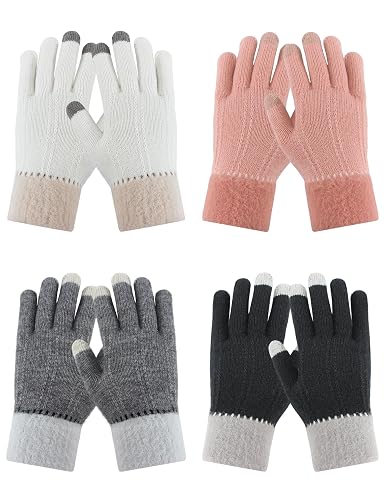
PKWEEN 4 Pairs Winter Gloves Fleece Lined Touchscreen
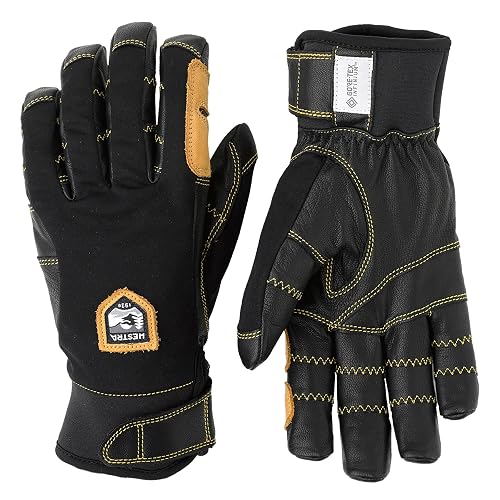
Hestra Ergo Grip Active Glove Leather Windproof
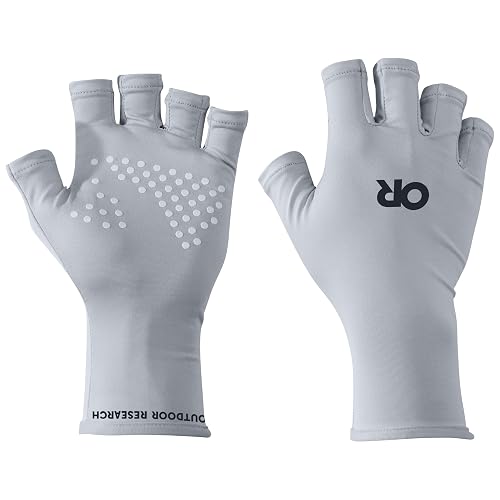
Outdoor Research ActiveIce Sun Gloves

COOLJOB Mechanic Safety Work Gloves Tactical Touchscreen Breathable
The Details Behind The Selections
Merino wool handles odor better than synthetics, which matters on day three of a long haul when nothing smells fresh. The half-finger cut leaves your fingertips free for tying flies, adjusting stove valves, or scrolling through a phone map without pulling the glove off each time.
You can wear these alone on cool mornings or layer them under a shell when wind picks up at elevation. For anglers and hunters who need fingertip precision, this liner-style design stays out of the way in ways a full-finger glove can’t.
Positive Takeaways
- Merino knit resists odor over multi-day trips
- Fingerless design lets you operate zippers, stoves, and phones easily
- Lightweight enough to stash in a hip belt when hands warm up
- Works as a standalone layer or a liner under a waterproof shell
Things To Consider
- Exposed fingertips mean no warmth for the most vulnerable digits in deep cold
- Knit fabric can snag on rough bark or rocky scrambling sections
- Not waterproof, so wet weather requires a shell layer over the top
Who It Suits Best
Three-season backpackers who fish, photograph, or handle small gear tasks and want a versatile liner that won’t quit after a day of sweat.
Where Another Pick Suits Better
For sub-freezing summit pushes where wind cuts through merino knit, the Hestra Ergo Grip Active Glove Leather Windproof delivers a sealed barrier.
A four-pair bundle sounds like overkill until you remember how often gloves go missing on group trips. Fleece lining traps warmth without bulk, which matters when you need to grip trekking poles or tent stakes without feeling like you’re wearing oven mitts.
Compared to the merino liner above, this is a heavier, more casual option built for cold-weather day hikes and camp chores. The touchscreen-capable fingertips cover the basics for checking a map or answering a call without baring your hands in freezing air.
Where It Helps
- Bulk quantity covers a whole trip’s worth of replacements and spares
- Fleece lining delivers noticeable warmth in the 30-50°F range
- Touchscreen pads on thumb and forefinger for quick phone checks
- Stretchy knit cuff slides easily under a jacket sleeve
Worth Noting
- Knit construction absorbs water and dries slowly in wet conditions
- Bulkier than liner-style options, limiting fine-motor tasks
- Not designed for technical use like rope work or aggressive scrambling
Made For
Casual hikers and group leaders stocking a vehicle or cabin with backup pairs for cold shoulder-season trips.
Consider Something Else When
For sustained wet weather or technical terrain, the Hestra Ergo Grip Active Glove Leather Windproof gives you sealed leather protection.
Goat leather palms and a GORE-TEX INFINIUM WINDSTOPPER (a wind-blocking membrane engineered for breathable weather protection) upper place this glove in a different category than the knit options above. The Ergo Grip construction pre-shapes the fingers, so the glove feels broken-in from the first mile rather than stiff like a winter mountaineering mitt.
You pay for that premium build, but you also get something that lasts across multiple seasons of hard use. Backpackers moving into shoulder-season alpine trips, or anyone who kayaks and hikes in the same week, will appreciate the multi-sport versatility here.
Useful Highlights
- Durable goat leather palm handles rope work, poles, and rock scrambling
- Windproof upper blocks cold gusts on exposed ridges
- Pre-shaped fit reduces break-in time and material bunching
- Slim profile lets you grip trekking poles without excess fabric
Trade Offs
- Premium price point puts it well above knit alternatives
- Contains non-textile parts of animal origin, which won’t suit vegan preferences
- Liner-style warmth only, so extreme cold requires an inner glove
Key Specs
Best Suited To
Alpine backpackers and multi-sport adventurers who want a single glove that crosses between hiking, paddling, and ski touring.
Look Elsewhere When
If your trail plan means hot, sun-exposed ridges rather than wind chill, the Outdoor Research ActiveIce Sun Gloves makes more sense.
Sun protection rarely makes a glove roundup, but high-altitude routes expose the backs of your hands to UV that adds up over a week. The ActiveIce fabric uses thermo-regulating technology that feels cool against the skin and wicks sweat away faster than a standard polyester shell.
At 92% recycled polyester with 8% spandex, the four-way stretch moves with your hands instead of fighting them. For July desert trips, snowfield traverses in spring, or any route where sun and sweat are the real challenge, this glove earns its place in the kit.
Noteworthy Benefits
- UPF 50 fabric shields skin from intense alpine and desert sun
- ActiveIce cooling tech reduces clamminess during high-output sections
- Recycled polyester construction appeals to eco-minded shoppers
- Stretchy fit layers cleanly under a heavier glove if needed
A Few Limitations
- Minimal insulation means cold-weather trips need an outer shell
- Light fabric can wear through quickly on rough rock contact
- Not suited for sub-freezing overnight temperatures
Perfect Match For
Summer desert backpackers, high-altitude spring hikers, and sun-sensitive travelers who burn easily on exposed routes.
A Better Fit Elsewhere
For shoulder-season cold with wet conditions, the PKWEEN 4 Pairs Winter Gloves Fleece Lined Touchscreen delivers more insulation.
Marketed as work gloves, but the anti-slip palm pattern and breathable back translate surprisingly well to rough trail use. You get a snug, dexterous fit that handles stove adjustments, bear canister lids, and tarp rigging without the glove getting in the way.
Touchscreen capability means quick map checks without removing gloves, and the lightweight build stashes easily when hands warm up. The honest read is that this is a budget-friendly multi-tasker for backpackers who don’t need serious cold-weather protection.
Positive Points
- Anti-slip grip holds trekking poles and tools securely
- Breathable back panel reduces sweat buildup on warm approaches
- Lightweight profile folds into a small stuff pocket
- Available across multiple hand sizes for a tailored fit
Honest Caveats
- Synthetic work-glove build may wear faster than dedicated outdoor leather
- Not insulated, so cold-weather trips require layering
- Open-cell palm can trap dirt and grit over multi-day use
Whose Shelf It Belongs On
Bushcrafters, hammock campers, and anyone who treats their gloves like work gloves and wants grip plus dexterity over weather sealing.
Swap It Out When
For alpine routes where wind is the dominant threat, the Hestra Ergo Grip Active Glove Leather Windproof handles gusts much better.
Matching Gloves To Your Trail Conditions
Trail glove selection comes down to three variables working together: expected temperature, precipitation level, and the dexterity your route demands. A merino liner like the SONORAN handles the first and third well, but flunks the second the moment weather turns wet.
Wind cuts perceived temperature dramatically, which is why a windproof membrane (a thin fabric layer that blocks wind while letting moisture escape) earns its place on exposed ridgelines. GORE-TEX INFINIUM WINDSTOPPER, used in the Hestra model, blocks that airflow without the full waterproof build of a rain shell.
Insulation weight matters more than people expect. A glove that feels warm in the parking lot can overheat within twenty minutes of uphill hiking. For high-output routes, breathable options like the Outdoor Research ActiveIce let sweat escape, while heavily insulated gloves trap moisture that cools you down later.
Layering two lighter gloves usually outperforms one thick glove in variable conditions. A liner plus a shell adapts to swinging temperatures better than a single all-in-one design that commits you to one warmth level.
Finally, think about grip and material. Goat leather palms handle abrasion, synthetic knits breathe better, and touchscreen compatibility saves you from baring hands in freezing air just to check your phone.
Key Considerations Across These Picks
Common Shopping Slip Ups
The biggest mistake is buying one glove for every condition and expecting it to perform across the board. A heavyweight insulated glove feels great at the trailhead and terrible after an hour of uphill sweat.
Another common slip is ignoring dexterity. Trail life involves zippers, stoves, bear canisters, and phones, and a glove that can’t handle small fasteners becomes annoying fast. Test your grip needs before committing to a thick winter design.
Fit matters more than brand. A glove that’s too tight restricts circulation and actually makes hands colder, while a loose fit reduces grip and lets cold air in.
Why Top Tier Costs More
Premium gloves like the Hestra Ergo Grip use goat leather and dedicated windproof membranes that cost more to source and assemble. The pre-shaped finger construction also requires more pattern engineering than a simple knit tube.
You pay for durability over time. A premium glove that lasts five seasons costs less per trip than a budget option replaced every year. Higher-tier designs also tend to bridge multiple activities, reducing the need to own specialty gloves for every sport.
Frequently Asked Questions
Do I need different gloves for summer and winter backpacking?
Yes, most backpackers rotate between a lightweight sun or liner glove for summer and a heavier windproof or insulated option for cold weather. Temperature swings on trail make a single glove a compromise.
Can I use liner gloves alone in cold weather?
Merino liner gloves work alone down to about 40°F for most people. Below that, layering them under a windproof shell extends their range without adding bulk.
Are touchscreen fingertips worth prioritizing?
For navigation-heavy routes where you check a phone map frequently, touchscreen tips save real time. For routes where you rarely use your phone, this feature matters less.
How do I clean backpacking gloves without damaging them?
Merino and knit gloves benefit from hand washing in cool water with mild soap, then air drying flat. Leather gloves need a dedicated leather cleaner and conditioner to stay supple.
What size should I order if I’m between sizes?
Size up for knit gloves since they compress slightly with use. For leather gloves, the closer fit usually works better since leather breaks in over time.
Wrap Up
Your trail, your season, and your hand size narrow the field fast. Match the glove to the conditions you’ll actually face, not the worst-case scenario that may never show up. The right pair fades into the trip, and that’s exactly what good gear should do.