
A long trail exposes the gaps in your kit faster than a short loop around the park. Cold fingers turn a beautiful overlook into misery, and a poorly fitted pack makes every mile feel twice as long. This roundup sorts through eight trail-relevant accessories, from a heritage pocket knife to merino socks, to help you stop overpacking and start carrying the right tools.
The Choices Worth Comparing

Victorinox Hiker Swiss Army Knife, 13 Functions (Red)
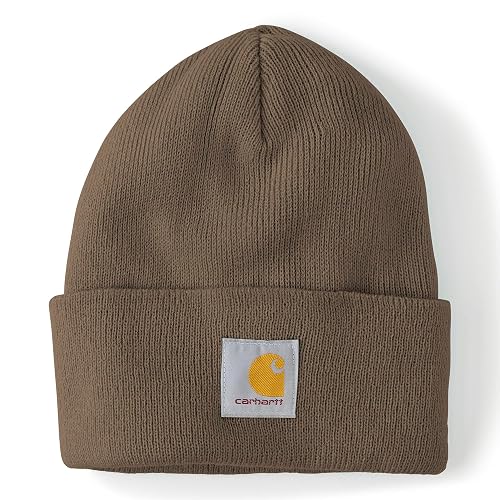
Carhartt Men’s Iconic A18 Watch Cap Beanie
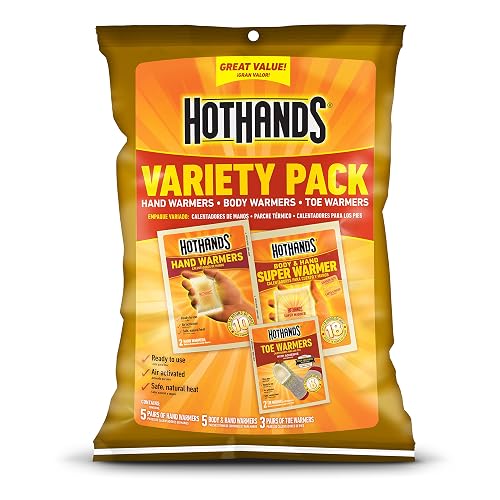
HotHands Variety Pack Hand & Toe Warmers

Mountain Man Walking Stick, Dark Wood 60″
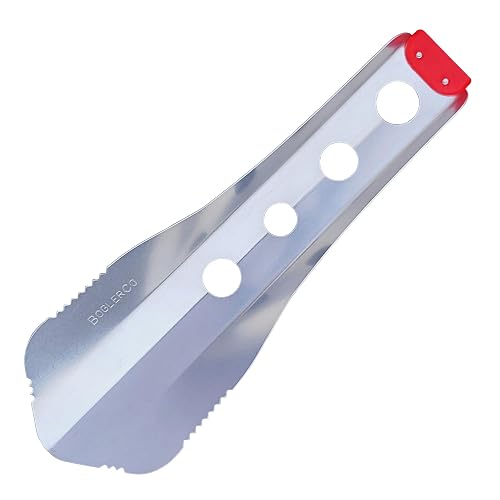
BoglerCo Ultralight Backpacking Trowel 0.48 oz
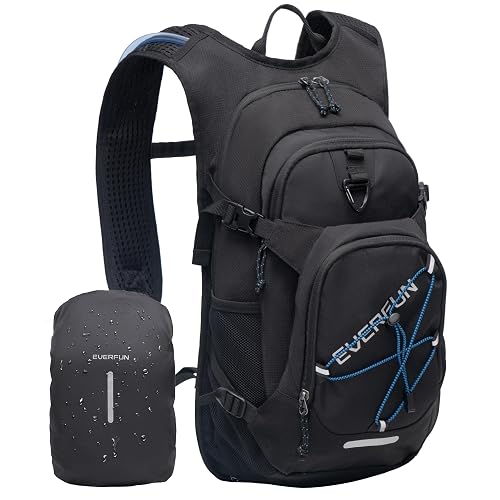
Everfun Hydration Backpack 18L with 2L/3L Bladder

EZORKAS 4-Pack Collapsible COB Camping Lanterns
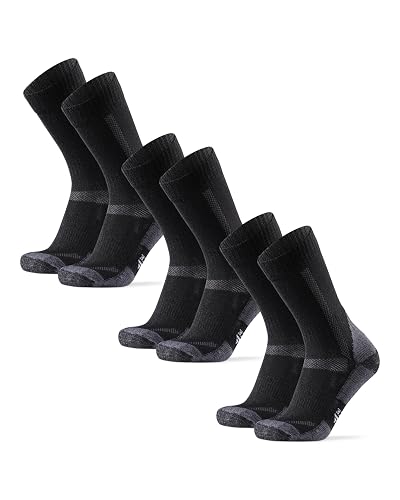
DANISH ENDURANCE Merino Wool Hiking Socks 3 & 5-Pack
Why These Options Stand Out
Few pocket tools have earned the trail credibility of a Swiss Army Knife, and the Victorinox Hiker model distills that lineage into a focused, trail-relevant set of 13 functions. Compared with the bulkier full-size knives in the brand’s catalog, this one weighs less and fits a hip-belt pocket without printing noticeably, which matters when you spend a full day moving over uneven ground.
Day hikers and casual backpackers tend to get the most from this format. You can whittle a kindling stick with the wood saw, pop open a post-hike beverage, or tighten a loose sunglass screw without rummaging for a multi-tool pouch. It’s a smart starting point for anyone building a kit around essential hand tools rather than specialty gear.
The Helpful Details
- Two stainless steel blades handle food prep, cord cutting, and the small campsite tasks that come up unexpectedly.
- The wood saw (a small, aggressive-toothed blade) processes tinder quickly, so a damp morning on the trail becomes less of a crisis.
- A Phillips screwdriver on the chassis covers glasses, stove repairs, and the occasional loose pack buckle.
- Compact, slim profile slides into a pocket or hip-belt without adding bulk on long mileage days.
- Victorinox’s quality control is widely respected, and replacement parts are reasonably easy to source if a tool wears out.
Things To Consider
- Not a heavy-duty option for bushcraft or fire-hardened wood processing.
- The blade size stays modest by design, so you may want a fixed blade for serious camp cooking.
Who It Suits Best
Day hikers, casual backpackers, and newcomers who want a dependable, well-rounded pocket tool for general trail tasks.
Consider Something Else When
Thru-hikers focused on cutting every ounce should look at the BoglerCo Ultralight Backpacking Trowel instead, which trades utility for absolute minimalism.
Head warmth is one of the most under-appreciated pieces of layering, and the Carhartt A18 Watch Cap leans on the brand’s workwear roots to deliver serious insulation for a low price. Where ultralight beanies prioritize packing volume, this acrylic-knit cap gives you real loft, which traps warm air close to your scalp on cold ridge walks.
It slots in nicely after the Victorinox Hiker in this lineup: the knife handles the tasks, the beanie handles the temperature. Shoulder-season hikers moving through wind-exposed terrain will appreciate the stretch-knit fit that stays put under a hood without feeling tight.
Reasons It Performs
- Acrylic knit retains warmth even when slightly damp from breath or light precipitation.
- Low-profile cuff fits under a shell hood or helmet brim without bunching.
- Carhartt’s durable construction handles repeated stuffing into pack pockets without losing shape.
- Wide color range makes it easy to match existing outerwear for everyday wear beyond the trail.
Points To Note
- Not as packable as a merino or fleece-lined cap, so it eats more pocket space.
- Acrylic can feel less breathable on high-output climbs, depending on your sweat rate.
Right Fit For
Shoulder-season hikers, winter walkers, and anyone who wants a no-fuss, workwear-style cap that handles repeated wear.
Look Elsewhere When
HotHands warmers are a better match for freezing starts where active insulation alone won’t cut it.
Air-activated warmers are one of those accessories that feel like cheating until you actually use them on a frozen trailhead. The HotHands Variety Pack bundles hand, body, and toe warmers in one box, so you can rotate them across gloves, jacket pockets, and boot liners as conditions shift throughout the day.
For anyone hiking in shoulder-season cold snaps, layering these inside the Carhartt A18 Beanie and a shell jacket takes the edge off exposed ridgelines. They’re especially handy on photography stops where you’re standing still long enough for fingers to stiffen up.
The Practical Payoff
- Single-use packets slip into gloves, pockets, and boot liners with no wiring or charging.
- Variety format covers hands, core, and toes in one purchase.
- Useful on summit breaks, ice fishing, or any low-output stretch where active insulation stalls.
Worth Noting
- Heat duration is finite, so you’ll want backup pairs on multi-day trips.
- Air-activated pads need air exposure to start working, so sealed storage in tight pockets delays activation.
Best Suited To
Cold-weather hikers, winter campers, and anyone who struggles with cold fingers or toes on early-morning trailheads.
A Better Fit Elsewhere
For full-day insulation without disposables, the Carhartt A18 Watch Cap Beanie delivers more sustained warmth for your head.
A walking stick earns its place on a trail by absorbing stress you’d rather not put through your knees on a long descent. The Mountain Man Walking Stick takes a traditional approach: dark, hand-finished wood at a full 60 inches tall, with a wrist strap at the top and a rubber tip at the base. It looks like a craftsman’s piece and behaves like one too.
Where aluminum trekking poles collapse for travel, this stick stays solid in the hand and can serve double duty as a probe or a tarp support on calm evenings. Hikers recovering from minor joint strain, or anyone who enjoys a more deliberate gait, tend to gravitate to this format over collapsible poles.
Standout Benefits
- Handcrafted finish gives it a look that stands apart from mass-produced trekking poles.
- Wrist strap adds real security on uneven descents and stream crossings.
- Rubber tip grips well on hard-packed trail and pavement, depending on surface.
- Full 60-inch length suits taller hikers without forcing a hunched posture.
- Solid wood construction feels planted, which can be reassuring on uneven ground.
Trade Offs
- Not collapsible, so it doesn’t pack into luggage or attach neatly to most daypacks.
- Wood requires occasional oiling to prevent drying or cracking with heavy outdoor exposure.
Made For
Hikers seeking traditional craftsmanship, knee relief on descents, and a steady point of contact across variable terrain.
Swap It Out When
Thru-hikers who need pack-down size should consider an ultralight tool like the BoglerCo Backpacking Trowel, which fits in any side pocket.
For long-distance hikers, the smallest tools earn their keep by disappearing in your pack. The BoglerCo Ultralight Backpacking Trowel is essentially a backcountry digging tool designed to weigh as little as possible, around 0.48 ounces (lighter than three nickels, by the maker’s framing). It tucks into a hip belt or sit-pad pocket and you forget it exists until you need it.
This is a niche pick, but a meaningful one. If you practice Leave No Trace cathole digging, or you’re managing a backcountry fire pan, the trowel handles the job without dragging along a full-size garden tool. It’s a small accessory with a real impact on pack weight over hundreds of miles.
Where It Delivers
- Featherweight construction preserves your base weight on multi-day routes.
- Compact profile fits sit-pad sleeves, hip belt pockets, and backpack exterior loops.
- Handles the practical task of cathole digging without a heavier stainless implement.
Honest Caveats
- Plastic construction is fine for soil but not for rocky or frozen ground.
- Single-purpose design means it won’t replace a multi-tool or a knife in your kit.
Perfect Match For
Thru-hikers, section hikers, and ultralight packers who treat every gram as a decision.
Reach For A Different Pick When
Day hikers wanting one tool for many jobs will get more mileage from the Victorinox Hiker Swiss Army Knife.
Carrying water in a bottle works until you’re on a six-mile climb and the bottle runs dry. The Everfun Hydration Backpack combines an 18-liter nylon pack with an integrated 2L or 3L water bladder, so you can drink hands-free through a tube while keeping layers, snacks, and a small first-aid kit close at hand.
Where the Victorinox Hiker keeps you nimble on tasks and the BoglerCo Trowel keeps your pack light, this bag pulls both into one piece for longer days. Trail runners and fast hikers tend to like the hose-down tube setup, while backpackers appreciate the room for an extra layer at the summit.
Key Advantages
- Integrated bladder system eliminates the reach-down-for-a-bottle pause mid-stride.
- 18-liter main compartment fits rain shells, snacks, and a small first-aid kit.
- Lightweight nylon construction keeps the empty pack from weighing you down.
Points To Keep In Mind
- Bladders need thorough cleaning after each trip to prevent mildew and off-tastes.
- Not a substitute for a full-size backpack on overnight trips where you need a tent and sleeping bag.
Who Will Love This
Long-distance day hikers, trail runners, and festival-goers who want hydration plus light storage in one carry.
Where Another Pick Suits Better
Camp-focused trips needing real tent and cookware storage are better served by a dedicated overnight pack rather than an 18-liter day pack.
Camp lighting has come a long way from gas mantles. The EZORKAS 4-Pack Lanterns use COB LED panels (COB stands for Chip-on-Board, a packing style that throws a wide, even spread of light instead of a tight beam) with four output modes including a red strobe and SOS setting for emergencies.
You get four units in the box, which lets you scatter light around a base camp: one in the tent, one at the cooking area, one at the bear hang, and one spare. Compared with the Everfun hydration pack, which handles the active day, these lanterns cover the inactive evening hours.
What Works In Its Favor
- Four lanterns in one pack cover tent, cook site, and trailhead use at once.
- COB panels deliver broad, even light that fills a tent or picnic table better than a narrow flashlight beam.
- Red strobe and SOS modes add a safety layer for roadside breakdowns or backcountry emergencies.
- Collapsible design saves space when packing into a car or larger backpack.
Small Caveats
- Built-in batteries need recharging, so long off-grid trips require a power bank or solar panel.
- Plastic housings are functional but won’t take hard drops the way a metal-bodied lantern might.
Built With In Mind
Group campers, family base-camp setups, and car campers who want broad, low-glare lighting spread across the site.
Skip It When
Solo thru-hikers focused on weight should leave these at home and carry a small headlamp instead.
Socks are the quiet foundation of any hiking kit. The DANISH ENDURANCE Merino Wool Hiking Socks come in multi-pair packs of three or five, which solves the perennial “did I pack clean socks” problem for multi-day trips. Merino wool brings natural odor resistance and temperature regulation (it stays warm when damp and breathes in mild weather) that cotton can’t match on a long trail.
After the EZORKAS lanterns handle your evening light, these socks handle your morning comfort. Multi-day trekkers and tour walkers who rotate between camps tend to benefit most from the multi-pack format.
What Pays Off
- Multi-pair packaging covers a full week of trekking without daily laundry.
- Merino wool resists odor so you can rotate pairs on longer routes.
- Reinforced heel and toe zones (a common anti-blister construction approach) reduce hot-spot friction on long descents.
Trade-Offs To Consider
- Merino costs more per pair than basic synthetic socks, depending on sale cycles.
- Air-drying is gentler on merino, so you may need buffer time between wash cycles on long trips.
Whose Shelf It Belongs On
Multi-day trekkers, weekend warriors, and hikers who rotate between several trails per month.
Not Your Match When
Ultralight thru-hikers targeting pure synthetics may find merino overkill and prefer a thinner polyamide sock for faster drying.
Field-Proven Factors That Matter When Picking Gear
The first question to ask yourself is what kind of hiking you actually do. A two-hour local loop doesn’t demand the same loadout as a four-day alpine traverse, and the gear that excels on one trip can become dead weight on the other. Match accessories to your most common outing length before chasing specialty features you’ll rarely use.
Second, weight and packability matter more than specs on paper. Ultralight accessories like the BoglerCo trowel appeal because they barely register in your pack, while traditional tools like the Mountain Man Walking Stick trade collapsibility for stability and presence. Decide which side of that tradeoff fits your gait and your route terrain before adding bulk.
Third, materials drive real-world durability. Merino wool outperforms cotton on odor and temperature regulation, acrylic knits retain warmth when damp, and stainless steel handles the abuse of food prep and campsite tasks. A few extra dollars for a proven material often pays for itself across multiple seasons.
Fourth, climate and season shape your checklist. Cold-weather hikers should layer insulation like the Carhartt A18 Beanie with active warmers such as the HotHands Variety Pack, while summer hikers can prioritize hydration and sun protection. The right combination of accessories for your typical forecast beats a generic checklist every time.
Quick Tips Before You Add To Cart
Pitfalls Shoppers Hit
One of the easiest traps is buying a long list of small accessories before owning a reliable base kit. A pocket knife, a good pair of socks, a hydration option, and a light source cover most day-hike situations; specialty tools can wait until you’ve actually logged the miles that demand them.
Another common slip is choosing by feature count rather than by weight and durability. A multi-tool with twenty functions sounds appealing until half of them sit unused while the tool adds bulk to your hip belt. The strongest kits reflect how you hike, not how a marketing page ranks them.
Where The Extra Money Goes
Higher-priced accessories usually buy better materials and tighter tolerances. Merino wool socks last longer and resist odor better than basic synthetic blends. A hand-finished wooden walking stick carries craftsmanship you can see and feel. A heritage multi-tool like the Victorinox Hiker offers quality control backed by decades of refinement.
The upgrade is worth it when an accessory touches your body for hours at a time, like socks, or when failure on the trail would create real problems, like your primary cutting tool. For disposable items or single-use situations, premium pricing rarely changes the outcome.
Frequently Asked Questions
What hiking accessories should I never leave home without?
A reliable cutting tool, a hydration plan, and a light source cover the basics. Adding merino socks and weather-appropriate insulation rounds out a kit that handles most day hikes without excess weight.
How do I keep my pack light without sacrificing safety?
Prioritize multi-use items and skip single-purpose tools unless you genuinely need them. An ultralight trowel replaces a heavier garden trowel for backcountry digging, and a quality multi-tool replaces several loose implements.
Are expensive hiking accessories worth the upgrade?
For items that touch your skin for hours, like socks, premium materials make a noticeable difference in comfort and durability. For disposable or rarely used items, mid-tier options usually perform fine.
How should I store accessories between trips?
Clean and dry everything before storage, especially hydration bladders and merino wool. Keep batteries at moderate charge levels for lanterns, and oil wooden handles occasionally to prevent drying.
Can I use these accessories for camping as well as hiking?
Most of the picks, including lanterns, socks, and pocket knives, work well at a base camp. The hydration backpack is more of a day-hike piece, so overnight trips benefit from a larger pack alongside it.
The Takeaway
A good hiking kit grows from how you actually hike, not from a checklist borrowed from someone else’s route. Start with the items that touch safety and comfort first: a pocket knife, decent socks, hydration, and a light source. Layer in warmth, walking support, and specialty tools as your routes get longer and your style sharpens. The eight picks above give you a solid foundation to build on without overpacking your first dozen outings.