
Lightweight gear changes how far you can go and how tired you feel at the end of a climb. A trim pack means less strain on your shoulders, hips, and knees over miles of switchbacks. The five hiking backpack ultralights below cover different styles of moving light, from full-volume backpacking shells to packable daypacks that fit inside your luggage.
A Closer Look At The Lineup
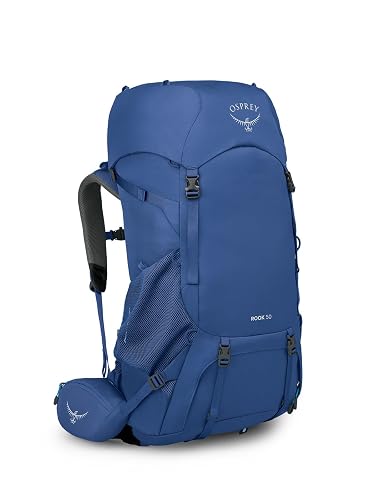
Osprey Rook 50L Men’s Backpacking Backpack (Blue)
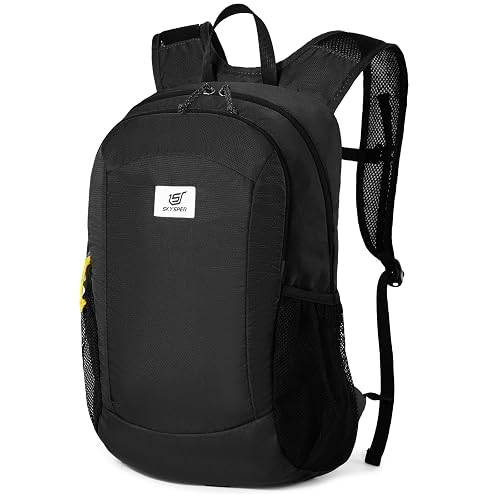
SKYSPER Hiking Backpack Ultralight Packable RFID Travel Daypack 16L
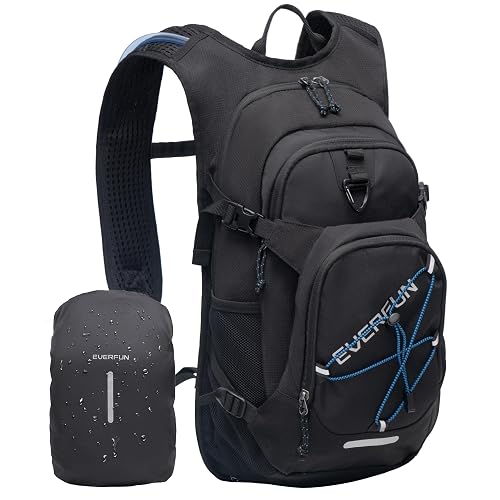
Everfun Hydration Backpack 18L with Water Bladder

Nanobag Daypack 16L Ultralight Packable Travel Backpack
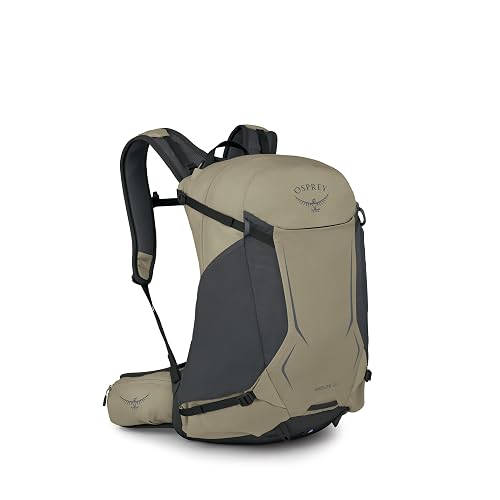
Osprey Hikelite 28L Hiking Backpack (Tan)
Why These Options Stand Out
The Osprey Rook 50L is the only pack on this list that genuinely wants to carry a tent, sleeping bag, and three days of food. At 50 liters, it sits in the mainstream backpacking zone, the kind of volume that handles a long weekend without forcing you to strap things to the outside. The injection-molded ladder lock torso adjustment is a real upgrade over velcro-based systems, since velcro tends to lose grip and slip after seasons of use.
Unlike the packable daypacks further down this list, the Rook expects a loaded frame and rewards a proper fit. AirSpeed suspension, which is Osprey’s tensioned mesh backpanel, keeps air moving between your back and the pack, a quiet advantage on humid climbs. For backpackers graduating from day hikes, this is a sensible first multi-day pack.
The Helpful Details
- 50-liter capacity covers a 2–3 day backpacking kit without overflow.
- Injection-molded ladder lock torso adjustment stays locked longer than velcro straps.
- AirSpeed mesh backpanel improves airflow versus solid foam backs.
- Integrated raincover handles sudden weather without extra packing.
- bluesign certified materials meet stricter chemical and resource standards.
Trade Offs
- Heavier than the packable options below, so it is not the right tool for fast-and-light missions.
- 50 liters may feel oversized on short overnight trips where a 30L pack would do.
Who It Suits Best
Backpackers planning their first multi-day trip who want a forgiving fit system and a pack that forgives overpacking.
Look Elsewhere When
You only do day hikes, in which case the lighter Osprey Hikelite 28L is a better match.
The SKYSPER folds two purposes into one bag: a daypack for short trail stops and a digital-theft shield for crowded transit hubs. RFID-blocking pockets, the kind of shielded pocket material that scrambles signals from common scanner frequencies, guard passports and credit cards from contactless skimmers in airports and metros. That makes the pack a smart pick for travelers who bounce between flights and trailheads on the same trip.
At 16 liters, it sits in the same size class as the Nanobag covered later, though the SKYSPER leans toward more structured organization. The trade-off is a slightly heavier carry and a less minimalist fabric feel. For anyone who treats the trail as a side activity on a longer city trip, the built-in security angle has real value.
Everyday Advantages
- RFID-blocking pockets add a layer of protection in airports and crowded stations.
- 16-liter capacity covers a light jacket, snacks, a water bottle, and a tablet.
- Packable design slips into luggage without taking meaningful space.
- Works for both trail stops and city use, reducing the need to swap bags.
Points To Keep In Mind
- Not built for heavy loads; the harness is best with under 10 pounds of gear.
- Lacks the ventilated backpanel of the Hikelite 28L, so sweat builds up in warm weather.
Made For
Travelers who split their time between urban transit and short day hikes, and who want their bag to help protect card data at the same time.
Consider Something Else When
Your trail days run long and hot, where the ventilated Osprey Hikelite 28L handles sweat better.
Where the other packs on this list treat water as something you clip on, the Everfun builds hydration into the design. The included 2L or 3L bladder sits inside an insulated sleeve, so cooler water reaches your mouth on long, hot outings. For runners, mountain bikers, and festival-goers who drink constantly and hate stopping to dig out a bottle, that difference adds up over hours.
The 18-liter main compartment also pulls double duty. Eight functional pockets help separate layers, snacks, and small valuables, so you can move without the bag turning into a black hole. Compared with the Osprey Rook 50L, this is a much smaller pack, but its purpose is sharper: keep water, layers, and the day’s essentials close and accessible without bulk.
Strong Points
- Integrated water bladder keeps hydration hands-free and continuous.
- Insulated sleeve helps water stay cooler in summer sun.
- 18 liters of storage plus eight pockets handle layers, snacks, and a phone.
- Lightweight build suits running, biking, and fast hiking where heavier packs slow you down.
Honest Caveats
- Bladders require regular cleaning to prevent mold and off-flavors, a chore that rigid bottles avoid.
- Smaller volume than the Rook 50L, so it is not a multi-day backpacking option.
Best Suited To
Active day users, from trail runners to bikers, who drink often and prefer a tube over digging for a bottle.
Not Your Match When
You need to carry camping gear for an overnight, where the Osprey Rook 50L is the proper tool.
The Nanobag is the smallest carry in the roundup, and that is the entire point. At roughly 1.15 ounces, it disappears into a jacket pocket or a main travel bag until you need it. The 0.05mm fabric, thinner than a sheet of paper in feel, packs down small enough that the pouch becomes part of your everyday carry without adding noticeable weight.
Think of this as insurance rather than a primary pack. It works for spontaneous trail detours, a market run in a new city, or a short hike from a hotel. You may find the thin fabric limiting on rough, scratchy surfaces, since ultra-light materials trade durability for weight. For the role of backup or ultralight errand bag, though, it is hard to beat.
Notable Upsides
- At about 1.15 oz, the pack adds almost no weight to your luggage or jacket.
- 0.05mm fabric compresses to pocket size, ready to deploy when needed.
- 16-liter capacity covers a day’s worth of light essentials.
- Folds into its own attached pouch, so there is no separate stuff sack to lose.
Less Ideal Details
- Ultra-thin fabric is more vulnerable to abrasion on rocky or thorny trails.
- No padding or frame, so it handles weight unevenly with heavier loads.
Who Should Grab It
Travelers and ultralight hikers who want a backup daypack without committing weight or space to it.
Swap It Out When
You plan to carry more than a few pounds or hike rough terrain, where the structured Osprey Hikelite 28L holds up better.
The Hikelite 28L sits in the sweet spot for serious day hikes where a small daypack feels cramped and a backpacking pack feels like overkill. Twenty-eight liters swallows a layer, lunch, a 2-liter reservoir, and a first-aid kit without bulging. Osprey’s AirSpeed tensioned mesh backpanel, a trampoline-style suspended mesh, holds the pack slightly off your back, so air keeps moving even when the trail climbs into summer heat.
Compared with the SKYSPER 16L earlier in this list, the Hikelite adds real structure: a padded hipbelt with pockets, a panel-loading main compartment, and a built-in raincover. That makes it the more capable trail companion, assuming you do not need to pack it inside another bag. If your hikes run past half a day in mixed weather, this is the more honest tool.
A Strong Showing
- AirSpeed mesh backpanel ventilates well on warm climbs.
- 28 liters balances room for layers and food without backpacking bulk.
- Panel-loading main compartment makes gear access easier than top-loader designs.
- Padded hipbelt with pockets takes pressure off shoulders on longer days.
- Integrated raincover handles storms without separate packing.
Soft Spots
- Heavier than the packable picks, so it does not double as a travel backup bag.
Right Fit For
Day hikers covering long distances or big elevation, who want a ventilated carry that still holds full-day supplies.
Where Another Pick Suits Better
You need a pack that fits inside a suitcase, where the Nanobag Daypack 16L is the more compact option.
What To Weigh Before Choosing Hiking Backpack Ultralights
Volume Versus Packability
Volume is the starting point for any ultralight pack decision. Backpackers planning overnight trips need 40L or more, while day hikers are usually comfortable in the 20–30L range. The catch is that more capacity almost always means more weight and a larger folded size. Packable options like the SKYSPER and Nanobag trade structure for compressibility, and that trade makes them far easier to live with on travel days.
Suspension And Fit
Suspension is the part of the pack that touches your back, and it matters more than raw volume on long days. Look for adjustable torso length, since a pack that sits at the wrong height pulls on your shoulders. The Osprey models use mesh-based suspension for airflow, while simpler packables rely on flat panels. You may find mesh suspension worth the extra ounces once you hike in summer heat.
Hydration And Pocket Layout
Built-in hydration bladders like the Everfun’s 2L/3L system keep water accessible without breaking stride, but they require regular cleaning. Bottles stored in side pockets are easier to maintain and refill at public fountains. Pocket layout also shapes daily use: external stash pockets, hipbelt pockets, and internal mesh dividers change how fast you can grab a phone, snack, or rain shell when weather rolls in.
Key Considerations Across These Picks
Common Slip Ups Shoppers Make
A frequent mistake is buying the lightest pack without checking whether the volume matches the trip. A 16L pack feels wonderful on the scale, but it forces overflow once a jacket, lunch, and water all go in. Another trap is ignoring torso fit. A pack that simply “looks small” on the shelf may ride high and dig into shoulders if the suspension cannot adjust to your frame. Measure your torso length before you commit.
Where The Extra Money Goes
Higher-tier packs spend money on suspension systems, abrasion-rated fabrics, and certified manufacturing standards, the kind of detail you can feel after a season of weekly use. The Osprey models command more because their mesh backpanels and ladder lock adjustments tend to outlast budget velcro. Paying up makes the most sense for hikers who use a pack every weekend rather than once a season.
Frequently Asked Questions
What size hiking backpack ultralight do I need for a day hike?
A 20–30L pack handles most day hikes with room for water, layers, food, and a small first-aid kit. Going under 20L forces trade-offs on longer days.
Are packable ultralight backpacks durable enough for trail use?
Packable packs use thin fabrics that handle light loads and casual trails well, but rough, rocky, or thorny terrain wears them faster than structured packs. Rotate use based on conditions.
How do I clean a hydration bladder inside an ultralight pack?
Rinse the bladder with warm water and a small amount of baking soda, then hang it open to air dry completely. Owners commonly do this after every few uses to keep the bladder fresh.
Can I use an ultralight pack for backpacking trips?
Some can, but only the larger volume options, like the 50L range, carry a sleeping bag, shelter, and food for overnight trips. Smaller packables are day-use tools.
Do ultralight backpacks have hip belts for weight transfer?
Structured hiking packs usually include padded hipbelts, while minimal packables skip them to save weight. If you carry more than a few pounds regularly, a hipbelt makes a real difference.
Wrap Up
The right hiking backpack ultralight depends less on specs and more on the kind of walking you actually do. Weekend backpackers will find a proper multi-day pack like the Osprey Rook 50L hard to replace, while day hikers and travelers get more value from a lighter, more compressible option. Match the pack to the trip, and the weight on your shoulders starts to disappear.