
Picking a women’s-specific pack changes how a day on the trail actually feels. Torso length, hipbelt shape, and shoulder strap contour all sit differently on a female frame, which matters more than any single spec sheet. This roundup sorts through six options built for hikers, travelers, gym runners, and anyone who wants a pack that moves with the body instead of against it.
An Overview Of The Picks
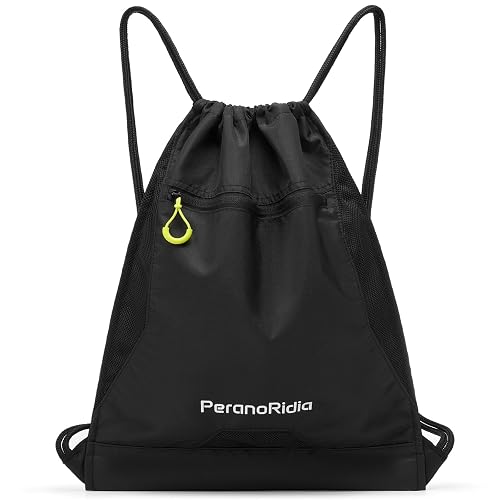
Sackpack Drawstring Backpack, Lightweight Sports Bag
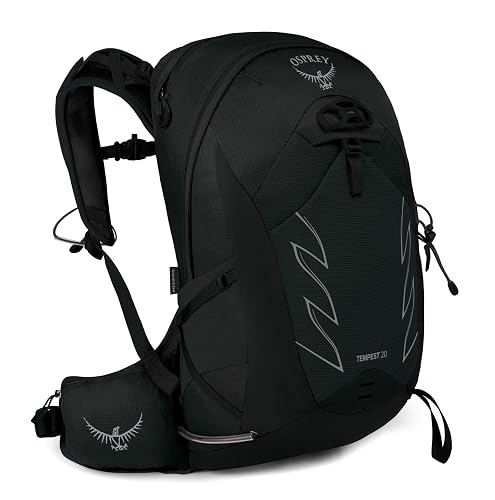
Osprey Tempest 20L Women’s Hiking Backpack (Stealth Black)
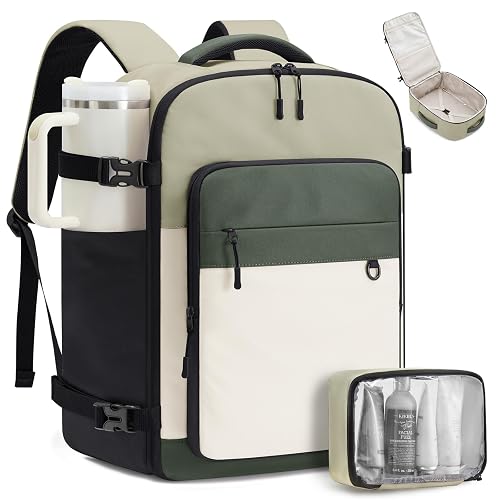
LOVEVOOK 25L Casual Daypack, Large Travel Hiking Backpack
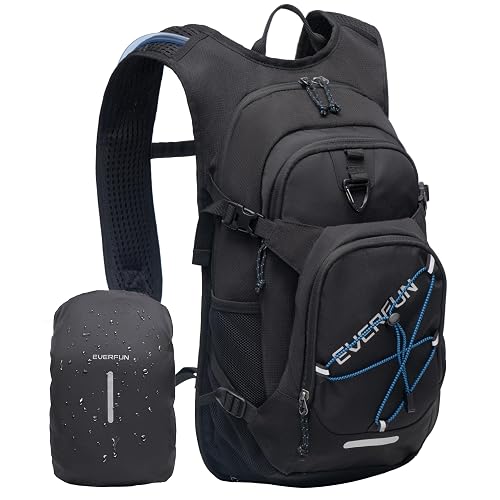
Everfun Hydration Backpack 18L with Water Bladder
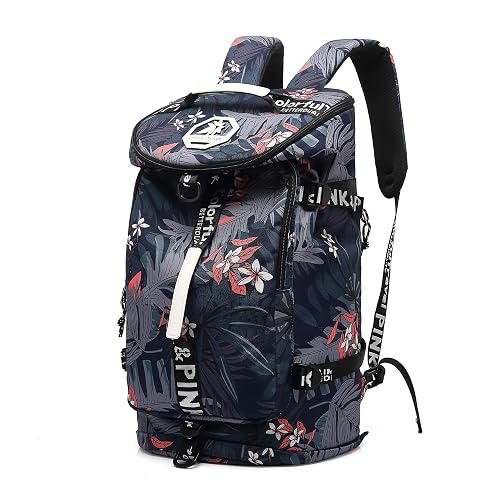
Kalesi Gym Duffle Bag Backpack 4-Way Waterproof

10L Small Hiking Backpack, Lightweight Daypack
Inside Each Recommended Option
A drawstring sack is the no-fuss choice for quick trips where gear stays light. The 14.2″ × 2.8″ × 17.7″ frame folds flat in a suitcase or gym tote, which makes it a strong secondary pack rather than a daily hauler. Reinforced stitching along the strap junctions tends to handle a pair of sneakers and a towel without complaint.
Unlike the Osprey Tempest 20L later on this list, this model skips structured back panels and hipbelts, so comfort comes down to how lightly you pack. For runners heading to the studio, beachgoers carrying a change of clothes, or anyone needing a stash-and-go option, the simple layout works well.
Where It Excels
- Water-resistant woven fabric sheds light rain and beach sand
- Front zip pocket keeps keys and a transit card within reach
- Reinforced base adds abrasion resistance for rough surfaces
- Folds compact enough to live inside a larger travel bag
Things To Consider
- Drawstring closure offers no real security in crowded spaces
- No internal organization beyond a single front pocket
- Thin straps can dig in once the bag carries more than ten pounds
Who It Suits Best
Casual users who need a lightweight secondary bag for the gym, beach, or quick errands without paying for technical features they won’t use.
Consider Something Else When
Trails with significant elevation or longer days belong to the Osprey Tempest 20L Women’s Hiking Backpack, which delivers a women-specific suspension system worth the upgrade.
The Tempest 20 sits at the center of what a women’s daypack should deliver. A continuous-wrap harness and hipbelt contour to a female torso, while the injection-molded AirScape backpanel creates channels that let air move between the pack and your back on warm climbs. Panel-loading access opens the main compartment like a suitcase, which spares you the gymnastics of digging through a top-loader.
Compared to the drawstring option above, this pack brings actual structure: trekking pole attachment loops, an ice axe loop, and a bike helmet clip. For peak-bagging missions or fast-and-light day hikes where you still want hydration storage, those small loops earn their weight in gold.
What Makes Sense
- Women-specific torso geometry reduces shoulder pressure over long miles
- AirScape backpanel keeps airflow moving, useful on hot ascents
- Hipbelt shifts load off shoulders onto stronger hip muscles
- External attachment points handle poles, helmets, and blinky lights
- Panel-loading design simplifies packing layers at trail breaks
Worth Noting
- WM/L sizing may run short for taller hikers, who should verify torso length
- Stealth Black fabric absorbs warmth in direct summer sun
Best Suited To
Active day hikers and peak-baggers logging moderate distances who want a pack that fits a female frame without hot spots.
Skip It When
Urban travel dominates your routine, in which case the LOVEVOOK 25L Casual Daypack fits better under airline seats and through transit crowds.
At 12.6″ × 7.8″ × 16.5″ and roughly two pounds, the LOVEVOOK is built to slide under airplane seats on budget carriers. The 25L volume swallows a 16″ duffel’s worth of clothing, which makes it a true weekend bag for travelers trying to skip checked fees. Slim profile matters here, since wide packs fight for space on regional jets.
Where the Osprey Tempest earns its keep on technical terrain, the LOVEVOOK trades suspension for storage layout. Multiple compartments separate a laptop from clothes from toiletries, which travelers tend to appreciate more than trail features.
Features That Help
- Personal-item dimensions work with Spirit, Frontier, and similar carriers
- Padded sleeve protects a laptop during commutes and transfers
- Lightweight build keeps carry weight low for walking-heavy cities
Honest Caveats
- Lacks a structured hipbelt for load transfer on long walks
- Fabric finish tends to scuff at contact points after airline handling
- Not designed as a primary hydration carrier for trail use
Quick Facts
Right Fit For
Travelers juggling weekend trips and city commutes who want carry-on savings without giving up storage room.
Look Elsewhere When
Long trail days are the main use case, because the Everfun Hydration Backpack delivers built-in water storage the LOVEVOOK can’t match.
Hydration packs live or die by the drinking tube, and this Everfun model ships with a 2L/3L bladder built in. The 18.5″ × 10.5″ × 6″ frame and 18L main compartment hold enough layers and snacks for trail running or mountain biking sessions without becoming a full backpacking load. Insulated construction slows water warming in summer sun.
The eight functional pockets address a common pain point in this category: where to put a phone, keys, and a snack bar without slowing down. A velvet-lined pocket protects sunglasses or a phone screen from scratches. Compared to the Kalesi hybrid coming up next, this pack stays focused on movement-first use cases rather than travel versatility.
Useful Highlights
- Insulated bladder compartment keeps water cooler on hot rides
- Velvet-lined pocket prevents scratches on phones and eyewear
- Front quick-access pocket fits a phone for trail photos
- Eight total pockets organize fuel, tools, and layers separately
Trade Offs
- Bladder tube routing can feel awkward on first use until you find a clip position
- Nylon shell shows wear at high-friction shoulder strap contact points over time
Made For
Runners, mountain bikers, and festival-goers who want hands-free hydration and quick snack access.
Another Choice May Suit
Travel-focused shoppers who need duffel-style storage should look at the Kalesi Gym Duffle Bag Backpack, which carries shoes and a laptop in one hybrid design.
Four-way convertible carry is the headline feature here. Handles work for duffel-style gym hauling, straps deploy for backpack carry, and the dedicated shoe compartment separates dirty soles from clean clothing. Waterproof fabric construction keeps a wet rain shell from soaking through to electronics, which matters when the bag lives in car trunks or gym locker rooms.
The trade-off shows up in comfort: convertible hardware adds bulk, and the carry experience falls short of the Osprey Tempest’s purpose-built suspension. For mixed-use weeks that combine gym sessions, weekend hikes, and laptop-hauling commutes, the flexibility earns its space.
Useful Strengths
- Separate shoe compartment keeps gym odors contained
- Waterproof shell handles sudden weather and damp gear
- Convertible carry modes adapt to gym, trail, and travel
Points To Note
- Bulkier profile than single-purpose daypacks
- Lacks structured hipbelt for load transfer on long treks
- Multiple zippers need regular cleaning to prevent grit jamming
Who Will Love This
Gym-to-trail commuters and weekend travelers who split time between workouts, hikes, and laptop-heavy workdays.
Reach For A Different Pick When
Trail days demand peak performance, in which case the Osprey Tempest 20L delivers women’s fit and structured support the Kalesi can’t replicate.
Ten liters sounds small until you pack a water bottle, a layer, snacks, and a phone. For short hikes and daily commutes where bulk feels wasteful, this CARPDIM daypack disappears on the back. Lightweight construction means the pack itself barely registers on longer walks.
The honest read is that 10L forces tough packing calls once you add a rain shell and lunch. For urban commutes and trail sections under two hours, capacity lands in the sweet spot. Anyone heading out for a full day should step up to the 18–20L range covered by the Osprey Tempest or Everfun options above.
Key Advantages
- Minimal weight keeps carry fatigue low on long walks
- Compact footprint fits crowded transit and café seating
- Simple layout loads and unloads fast between stops
- Works for commuters who pack light on purpose
Less Ideal Details
- Capacity runs tight for full-day hiking with extra layers
- Minimal padding means heavier loads press into the back
- Fewer pockets limit organization for tech and accessories
Built With In Mind
Minimalists, urban commuters, and short-trail hikers who prioritize weight savings over carrying room.
Where A Sibling Pick Shines
All-day trail days belong to the Osprey Tempest 20L Women’s Hiking Backpack, which adds suspension and capacity that this 10L simply can’t deliver.
Choosing The Right Pack For Your Trail Style
Women’s-specific packs earn their premium through geometry. Hipbelts shape to sit on the iliac crest (the upper hip bone) rather than slide down to the waist, and shoulder straps cut to relieve pressure points that unisex packs tend to press on. For anyone logging more than a couple hours with weight on their back, that fit work pays off in comfort and reduced fatigue.
Capacity By Use Case
Short hikes, runs, and commutes favor the 10–18L range, where the CARPDIM daypack and Everfun Hydration land. Day hikes covering serious terrain with extra layers and food push toward 20–25L, which the Osprey Tempest covers cleanly. Multi-day trips, climbing gear, or technical loads jump into 30L-plus territory, a category none of these packs address.
Suspension And Carry Comfort
Suspension refers to the system that transfers pack weight from shoulders to hips, including the backpanel, harness, and hipbelt. Structured packs with hipbelts matter once loads exceed ten to fifteen pounds, which is why the Tempest’s AirScape panel and wrap harness make a real difference on longer days. Lighter options rely on minimal frames, which keeps them light but limits how much weight stays off your shoulders.
Hydration And Storage Layout
Built-in hydration bladders suit runners and bikers who sip constantly. Travelers prefer padded laptop sleeves and multiple compartments. Gym-to-trail hybrid users want separate shoe sections and convertible carry modes. Matching the storage layout to your actual routine prevents the common frustration of buying a pack with the wrong organization for your day.
Key Considerations Across These Picks
Wrong Turns To Avoid
The most common buying mistake in this category is choosing capacity by wishful thinking. Many shoppers buy a 10L daypack for a hike that demands 25L, then return it after one overstuffed trip. Match the volume to your longest realistic use case, not your shortest errand.
Second trap: skipping women’s-specific fit when torso length and hip shape matter. A unisex pack with the right capacity can still cause hot spots and load shift on a longer day. Test torso length and hipbelt curve before committing.
The Upgrade Payoff
Higher-tier packs like the Osprey Tempest cost more for reasons that show up over time. Backpanel materials breathe better under load, suspension systems transfer weight more efficiently, and stitch reinforcement survives years of trail abrasion. For occasional users, mid-tier options like the LOVEVOOK or Kalesi deliver most of the experience at lower cost. For weekly trail use, structured suspension repays the difference.
Frequently Asked Questions
What size backpack do I need for day hiking?
Most day hikers land in the 20–25L range, which holds water, layers, food, and a basic first-aid kit. Shorter routes under two hours can work with 10–18L, while technical terrain with extra gear pushes toward 25L.
Are women’s hiking backpacks different from men’s?
Women’s-specific packs typically feature shorter torso lengths, narrower shoulder straps, and hipbelts shaped to fit female hip geometry. The difference shows most clearly on longer carries with heavier loads.
Can I use a hydration pack for everyday commuting?
Yes, as long as the bladder size matches your water needs and you don’t mind washing the tube regularly. Insulated models keep water cooler in summer but add bulk to daily carries.
How do I clean a hiking backpack?
Most packs benefit from hand washing with mild soap and lukewarm water, then air drying out of direct sunlight. Avoid machine drying, which damages fabric coatings and strap elasticity.
Is a 10L backpack enough for hiking?
For short hikes under two hours with minimal layers, 10L works fine. Longer trails with weather changes, food, and safety gear usually demand at least 18–20L for comfortable packing.
The Takeaway
The right hiking backpack women depends on where you actually take it, not just the brand or capacity number. Match fit, volume, and storage layout to your longest common outing, and the rest of the decision sorts itself out. A pack that moves with you turns every trail into a better day outside.