
The right hiking pack quietly carries everything, then disappears on your back once the trail starts climbing. Anyone logging weekend miles knows the trade-off fast: a pack that hauls gear well on flat fire roads can feel miserable on a long, technical ascent. This roundup pulls together five packs that solve different problems, from a wildland firefighter rig to an ultralight packable daypack, so you can match capacity, fit, and purpose to the terrain you actually walk.
The Picks In Brief
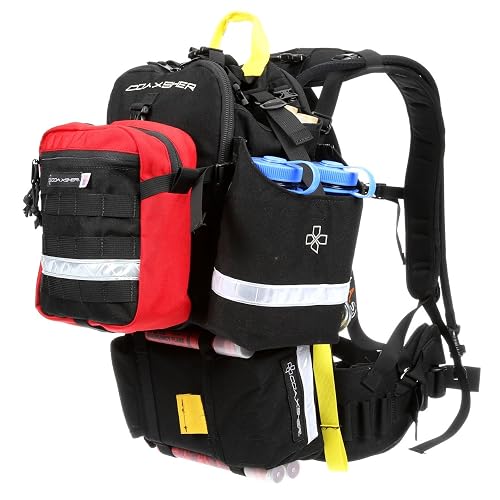
COAXSHER FS-1 Ranger Wildland Firefighter Backpack
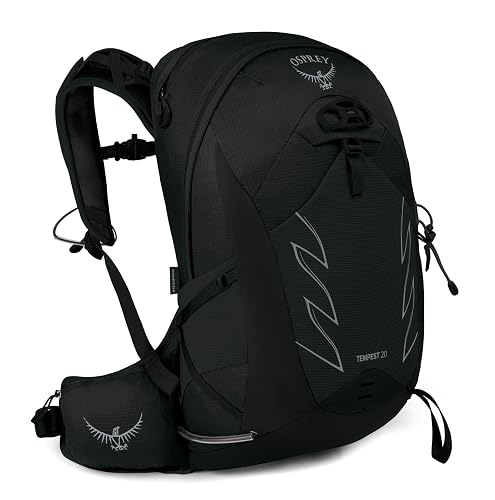
Osprey Tempest 20L Women’s Hiking Backpack

YETI Crossroads Backpack
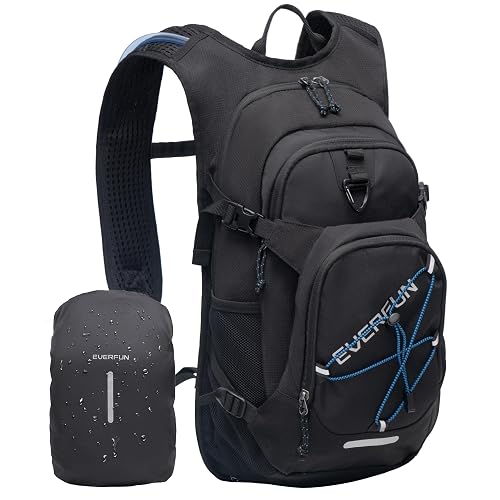
Everfun Hydration Backpack 18L with Water Bladder
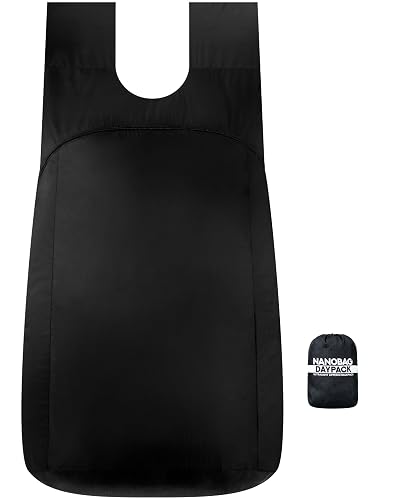
Nanobag Daypack 16L Ultralight Packable Backpack
A Closer Look At Each Pick
The FS-1 Ranger is purpose-built for the people who can least afford a sore back: wildland firefighters logging 16-hour shifts with tools, water, and PPE. Unlike the consumer packs later in this list, the FS-1 leans into a modular design, meaning the harness, hip belt, and stabilizer can be tuned to your body and load.
For weekend hikers, it’s overkill. For crew members and hot shots heading into rugged terrain, that ruggedness is the whole point. You trade the ultralight feel of a daypack for something that hauls weight without flinching.
Standout Benefits
- Ergonomic harness system with adjustable hip belt for load transfer on long shifts.
- Dual Action Stabilizer keeps the pack centered when you’re scrambling or running brush.
- Modular layout so crew members can configure pockets and attachments for specific gear lists.
- Heavy-duty construction aimed at abrasion, sparks, and rough backcountry use.
Worth Noting
- Capacity and harness stiffness make it overkill for casual day hikes.
- Specialized pockets assume fire-line tools, so general-purpose storage feels awkward.
Who It Suits Best
Wildland crew members, hotshots, and search-and-rescue volunteers who need a pack that shrugs off long shifts with full PPE on board.
Consider Something Else When
Casual day hikers will get far more value from the Osprey Tempest 20L, which is lighter and tuned for trail comfort rather than line work.
The Tempest 20 trades the FS-1 Ranger’s brute force for a fit that almost feels custom. It’s a women’s-specific panel-loading daypack built around Osprey’s AirScape backpanel, which is essentially a molded foam frame with air channels that flex with your spine as you move.
You get a continuous-wrap harness and hip belt that hug the torso without pinching, plus attachment points for trekking poles, an ice axe, a bike helmet, and a blinky light. For trail runners, peak baggers, and weekend hikers who carry light and move fast, that versatility is the draw.
The Upside
- Women-specific harness and hip belt sizing removes the usual shoulder-gap pressure.
- Lightweight, technical build that handles day hikes, biking, and peak ascents equally well.
- Multiple attachment points let you stash poles, helmet, and safety light without a tangle.
- AirScape backpanel ventilation helps on warm climbs where most packs turn into a sweat box.
Trade Offs
- At 20L, this is a daypack only; overnight kit won’t fit.
- The technical harness feels fussy when you’re only carrying a light jacket and water.
Made For
Women hikers tackling long day routes, peak-bagging missions, or trail-to-bike commutes who want a pack that fits without fuss.
Look Elsewhere When
If you need travel-ready clamshell storage for a plane ride, the YETI Crossroads Backpack handles luggage duty better than any trail daypack here.
YETI’s Crossroads 35L splits the difference between backpack and carry-on. The clamshell opening folds flat like a suitcase, so packing is closer to laying clothes in a drawer than stuffing a top-loader.
It’s not a technical trail pack, and that’s the honest read. You won’t find trekking pole loops or an ice axe loop here. What you get instead is a tough, well-organized commuter and travel pack with enough room for a packed workweek or a long weekend of gear, and a pass-through strap that secures it to roller luggage handles.
A Few Highlights
- Clamshell zipper opens wide for easy packing and quick access at airport security.
- 35L capacity covers workdays, gym runs, and weekend trips in one bag.
- Pass-through panel slides over roller handles, easing airport navigation.
- Heavy-duty fabric and YETI build reputation suit commuters who beat up their gear.
Honest Caveats
- No technical trail features like pole attachments or hipbelt load transfer for hiking.
- Larger capacity than the Tempest 20 means it can feel bulky on short hikes.
- Zippers and seams need occasional cleaning to keep grit from wearing them down.
Best Suited To
Frequent travelers and commuters who want a single bag for planes, trains, and casual hikes on the trip.
Skip It When
Trail-focused day hikers will get a much better fit from the Osprey Tempest 20L, which is built specifically for moving on foot.
The Everfun Hydration Pack is built for people who treat water as the most important piece of gear. Inside the 18L main compartment, you get a dedicated sleeve for a 2L or 3L water bladder, plus eight functional pockets to keep gear sorted.
Where the FS-1 Ranger aims at fire crews and the Tempest focuses on trail fit, this pack leans into activity variety. You see this in the 18.5″ x 10.5″ x 6″ profile: enough room for layers, snacks, and a first-aid kit, without the bulk of a full backpacking pack.
Useful Touches
- Included water bladder compatibility removes the guesswork from fit and routing.
- Eight pockets plus a zippered mesh valuables pocket keep small items accessible.
- Velvet-lined pocket helps protect sunglasses and phone screens from scratches.
- Versatile carry for hiking, biking, running, and festival use in one bag.
Soft Spots
- Nylon shell feels lighter than the COAXSHER or YETI builds, so longevity under heavy loads is less certain.
- Insulated claim helps in summer, but the bladder sleeve can trap condensation on cold days.
Whose Shelf It Belongs On
Runners, cyclists, and festival-goers who want hydration and quick-access storage without hauling a full trail pack.
A Better Fit Elsewhere
For multi-day backcountry trips where load carrying matters, the COAXSHER FS-1 Ranger offers a far more robust harness.
The Nanobag 16L solves a problem most packs ignore: what do you carry when you don’t want to carry anything? Weighing roughly 1.15 ounces with a 0.05mm fabric shell, it stuffs into its own attached pouch and disappears into a jacket pocket or luggage corner.
That ultralight frame is also the obvious trade-off. The Nanobag isn’t built for hauling gear or rough terrain; it’s a backup daypack, a summit pack, or a city-sightseeing carry that disappears when you don’t need it.
The Practical Payoff
- 1.15oz carry weight adds almost nothing to luggage or daypack load.
- Stuff-into-itself design removes any folding ritual; you’re packed in seconds.
- 16L holds layers, snacks, and a water bottle for short outings.
- Compact travel companion for trips where you want one bag plus an emergency daypack.
Less Ideal Details
- Ultra-thin fabric won’t handle abrasion or sharp rocks well.
- No harness support means it gets uncomfortable once you load it past a few pounds.
Who Will Love This
Travelers and ultralight hikers who want a packable backup that lives in a pocket until they need it.
Reach For A Different Pick When
For actual trail time with real gear, the Osprey Tempest 20L gives the support and fit this Nanobag can’t.
What Matters Most Before Choosing Hiking Backpacks
Match Capacity To Trip Length
Daypacks in the 16L to 20L range cover most single-day hikes with room for water, layers, snacks, and a small first-aid kit. The Osprey Tempest 20L and Nanobag 16L both sit here, but for very different reasons: the Tempest is built for repeated trail use, while the Nanobag is a backup bag that lives in your luggage.
Fit Outranks Features
A pack with every bell and whistle still fails if it doesn’t fit your torso and hips. Look for women’s-specific harnesses if you have a shorter torso, and pay attention to hipbelt design, since the belt carries most of the load on real climbs. The Osprey Tempest is a strong example here, while the COAXSHER FS-1 Ranger uses an adjustable harness system built around heavier line work.
Think About Hydration And Access
If you run or bike often, an included water bladder and routed hose can matter more than a dozen pockets. The Everfun Hydration Backpack answers that need directly, while most general packs expect you to add a bladder separately. Quick-access pockets for phone, keys, and snacks are a small detail that saves real frustration on the trail.
Build Quality Matches The Terrain
Fire-line packs like the COAXSHER FS-1 Ranger prioritize abrasion resistance and load carrying. Travel packs like the YETI Crossroads lean into clamshell organization and durable everyday fabric. Ultralight packs like the Nanobag 16L save weight at the cost of ruggedness. Match the fabric, padding, and harness to where you’ll actually walk.
Key Considerations Across These Picks
Wrong Turns To Avoid
Choosing by liters alone is a common mistake. A 35L pack that’s poorly sized will punish your back faster than a 16L pack that fits well. Another trap is buying an ultralight pack as a primary hiking bag; the Nanobag works as a backup, but its thin shell isn’t designed to handle abrasion or loaded carries. Skipping a try-on with weight in the pack is the third slip-up, since a pack that feels fine empty often tells a different story under ten pounds of water and gear.
What The Higher Tier Buys
Higher-tier packs like the COAXSHER FS-1 Ranger and YETI Crossroads earn their price with tougher fabrics, better harness geometry, and refined hardware. You also pay for fit engineering, like Osprey’s women’s-specific harness and AirScape backpanel, which makes a real difference on long climbs. For casual use, mid-tier packs often deliver most of the comfort at a friendlier entry point, so consider how often and how far you hike before spending up.
Frequently Asked Questions
How Big Should A Hiking Backpack Be?
For day hikes, 16L to 25L covers layers, water, snacks, and a small first-aid kit. Multi-day trips usually need 40L and up for shelter, sleeping system, and food.
What Is An AirScape Backpanel?
An AirScape backpanel is a molded foam back panel with air channels that flex with your spine. It improves ventilation and helps the pack move with you instead of against you.
Are Women’s-Specific Hiking Backpacks Worth It?
For most hikers with shorter torsos, yes. The shorter harness length and shaped shoulder straps remove pressure points that unisex packs can leave behind on long climbs.
Can An Ultralight Pack Handle Real Hiking?
Light packs work for travel, sightseeing, and emergency use. For loaded trail hiking, you want a proper harness, hip belt, and more durable fabric than the ultralight class offers.
How Do You Maintain a Hiking Backpack?
Empty it after every trip, brush off dirt, and wipe zippers with a dry cloth to keep grit from wearing them down. Occasional hand washing extends fabric life without damaging coatings.
Closing Remarks
The right hiking backpack fits your torso first, matches the terrain second, and earns its weight third. Match the picks here to your usual day, whether that means fire-line shifts, fast trail loops, or a travel bag that doubles as a daypack. A few minutes of honest self-assessment about how and where you hike will land you in the right pack, and on the trail faster.