
Hiking with wide feet is its own kind of puzzle. Standard lasts pinch at the forefoot, rub at the heel, and turn a four-mile loop into a slow limp. The picks below lean toward roomier toe boxes, supportive midsoles, and forgiving materials that hold up mile after mile. Sock choices matter too, so three Darn Tough options lead the list alongside the boot and shoe workhorses. Think of this as a starting lineup, not a shopping mandate.
A Side-By-Side Look
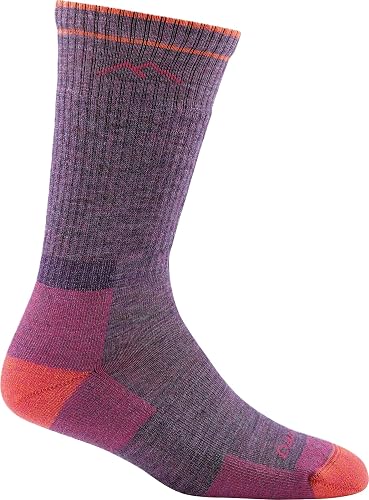
Darn Tough Women’s Hiker Boot Midweight Sock (Style 1907)
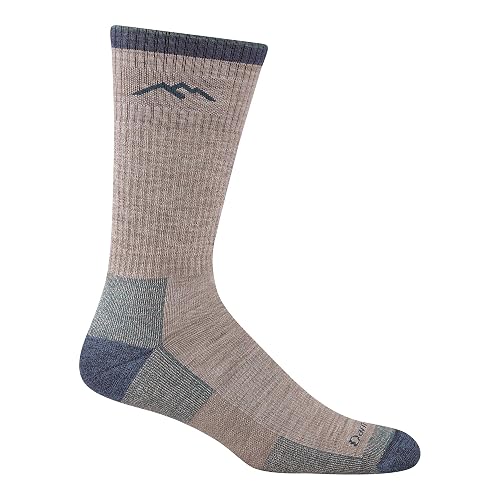
Darn Tough Vermont Men’s Hiker Boot Midweight Cushion Hike Socks (1403)
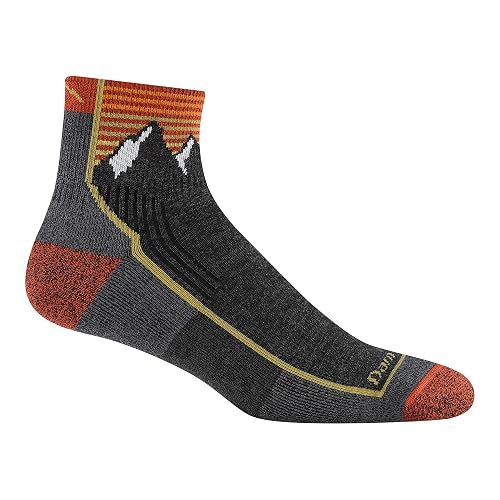
Darn Tough Vermont Men’s Hiker Quarter Midweight Cushion Socks (1959)
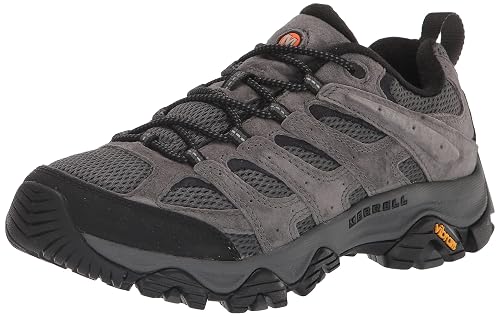
Merrell Men’s Moab 3 Hiking Shoe
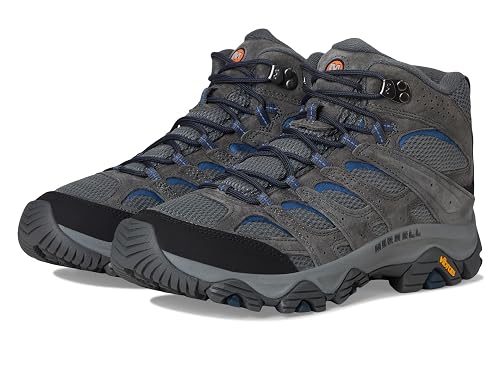
Merrell Men’s Moab 3 Mid Hiking Boot
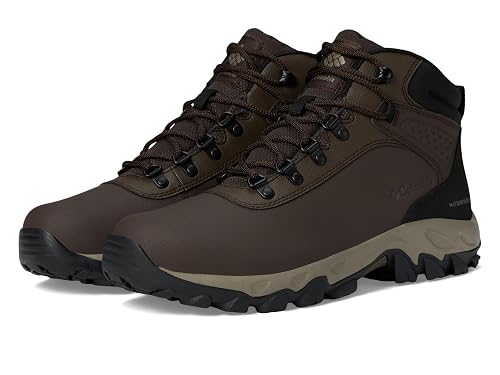
Columbia Newton Explorer
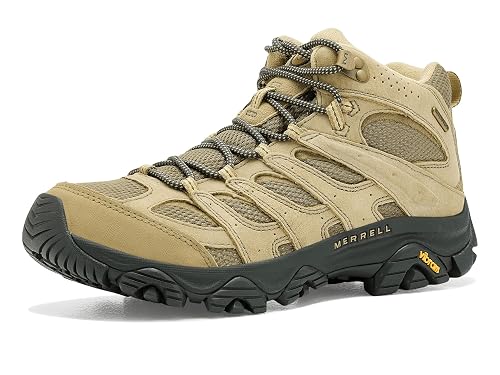
Merrell Men’s Moab 3 Mid Waterproof Hiking Boots
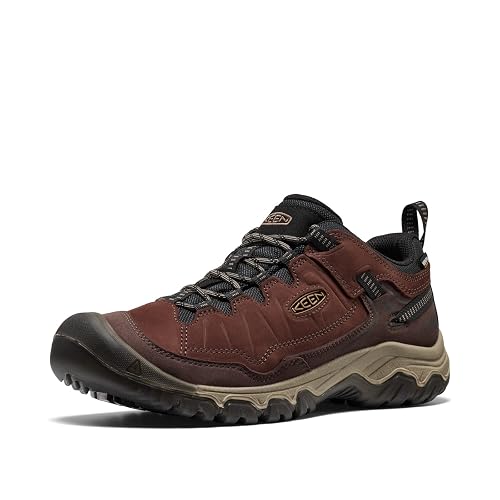
KEEN Men’s Targhee 4 Low Height Durable Comfortable Waterproof Hiking Shoes

KEEN Men’s KS86 Comfortable Durable Retro Style Sneakers
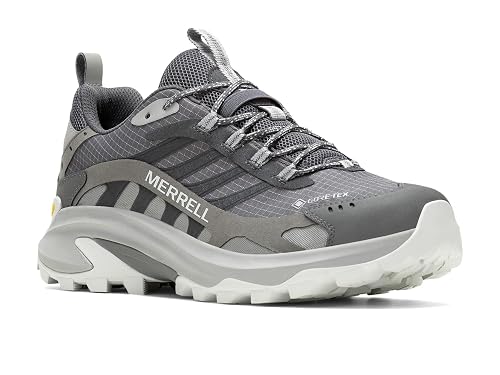
Merrell Moab Speed 2 GTX
A Closer Look At Each Pick
Wide-foot hikers often blame the boot when the real culprit is a thin cotton sock bunching under the arch. The Darn Tough Women’s Hiker Boot Midweight Sock (Style 1907) tackles that problem head-on, pairing a generous knit with merino wool that holds its shape over miles. The cushion zone runs the full footbed, which helps fill out the volume inside a roomy hiker so the foot doesn’t slide around on descents.
For three-season trail days in the 30s and 40s, the midweight knit feels just right. You’ll appreciate it most on long slogs where sock fatigue sets in well before your legs quit.
What Pays Off
- Merino-heavy blend regulates temperature and resists odor between camp nights.
- Full-foot cushioning softens impact for hikers carrying any extra pack weight.
- Knit construction conforms to a wide forefoot without bunching at the toes.
- Mid-calf height pairs cleanly with mid-cut boots, keeping trail debris out.
Points To Keep In Mind
- Midweight thickness can feel warm in summer heat, so consider a quarter sock for July hikes.
- Owners commonly report the knit tightening slightly after the first wash cycle, so a cold wash and air-dry routine matters.
Who It Suits Best
Wide-foot hikers tackling cool-weather trails in mid-cut boots who want a single sock that handles day-after-day wear without falling apart.
Consider Something Else When
If you mostly hike in low-top shoes on hot summer afternoons, the Darn Tough Hiker Quarter Midweight Cushion Sock (1959) is a lighter, shorter alternative.
Take the women’s version, lengthen the leg, and you land on the Darn Tough Vermont Men’s Hiker Boot Midweight Cushion Hike Socks (1403). It’s the same merino blend with a deeper rib and a true seamless toe, which matters more than it sounds for anyone whose pinky toe rubs the inside of a stiff boot. The mid-calf shaft also means you can yank a tall pack gaiter over it without the sock slipping down.
Long-distance hikers tend to rotate two pairs of these and skip the cotton gym socks entirely. The cushion density absorbs just enough shock on crushed-rock descents without dulling ground feedback on technical pitches.
Useful Highlights
- Mid-level cushion density strikes a balance between plush comfort and trail feel.
- True seamless construction eliminates the bump that causes blisters on the pinky toe.
- Boot sock height covers the lower calf for full boot compatibility.
- Merino-nylon blend resists breakdown better than pure wool or cotton blends.
Trade-Offs To Consider
- Thicker profile crowds tighter-fitting boots, so you’ll want to confirm boot volume first.
- Premium wool construction means the price per pair is higher than basic synthetic socks.
- Knit may feel snug at first; sizing up can help very wide feet but reduces some of the rebound fit.
Feature Snapshot
Best Suited To
Wide-foot thru-hikers and backpackers who log 15-plus miles a day in mid-cut boots and want a sock that survives the long haul.
Skip It When
For warm-weather trail runners or anyone who wants a barely-there feel, the Merrell Moab Speed 2 GTX is a better match with its athletic ride.
The Darn Tough Vermont Men’s Hiker Quarter Midweight Cushion Socks (1959) drop about four inches off the cuff of the 1403 and land just above the ankle bone. That height makes sense for low-cut hikers like the Merrell Moab 3 shoe reviewed below, especially on summer days when mid-calf socks trap heat. It uses the same cushion density, so you don’t lose any padding underfoot.
Think of it as a transitional sock for shoulder-season hikes where mornings start cold but afternoons warm up fast. Pair it with trail runners or low hikers and you get protection without extra bulk.
Real Benefits
- Quarter height vents heat faster than full boot socks.
- Same merino blend brings odor resistance for multi-day trips.
- Knit stretch accommodates a wide forefoot without constricting the arch.
Honest Caveats
- Lower cuff exposes the ankle to dirt and debris in mid-cut boots.
- Midweight cushion can feel heavy under low-cut shoes if you prefer a minimalist ride.
Made For
Wide-foot hikers who run warm, mostly wear low hikers or trail runners, and want a cushioned sock without the extra fabric above the calf.
Look Elsewhere When
You’ll get more out of the Darn Tough Women’s Hiker Boot Midweight Sock (1907) if your go-to footwear is a mid-cut boot with a roomy shaft.
Merrell built the Moab line around a wider last than most hiking shoes ship with, and the Merrell Men’s Moab 3 Hiking Shoe continues that tradition with a roomy forefoot and a supportive midsole. The low-cut profile works well for fast day hikes and casual backpacking trips where ankle flexibility matters more than high-cut protection.
Wide-foot hikers who feel squeezed in standard trail runners will likely find the toe box familiar on the first wear. A supportive insole and a grippy outsole round out the platform for everything from desert slickrock to leafy eastern singletrack.
What It Does Well
- Wider last accommodates a spread-out forefoot without compression.
- Cushioned midsole absorbs impact over rocky stretches.
- Trail-ready outsole grips loose dirt and damp rock alike.
- Lower profile keeps the weight down for fast-pace hiking.
Less Ideal Details
- Low-cut design leaves the ankle exposed on uneven terrain.
- Breathable upper can let water in during stream crossings.
- Sizing runs slightly long for some wide-foot hikers, so trying a half size down may help.
The Right Fit
Wide-foot trail walkers and casual backpackers who want all-day comfort without the weight or stiffness of a mid-cut boot.
A Better Fit Elsewhere
The Merrell Moab 3 Mid Waterproof Hiking Boots offer a similar last with ankle coverage and a waterproof membrane for wet trails.
The Merrell Men’s Moab 3 Mid Hiking Boot takes the same wide last as the low-cut Moab and adds a mid-height collar for ankle support. Loaded backpackers and anyone trekking off-trail into rocky ground will appreciate that extra stability, especially with a heavy pack tipping your center of gravity forward.
Compared to the lower Moab 3 hiking shoe, this version trades a little breathability for structure. You’ll feel the difference on uneven ground where a rolled ankle is a real risk.
Strong Points
- Mid-cut collar adds lateral support for off-camber terrain.
- Wide last continues to favor wide feet without compressing the toes.
- Grippy outsole pattern holds traction on wet roots and loose scree.
- Cushioned midsole softens impact when carrying a 25-pound pack.
Some Limits To Know
- Mid-cut boot adds weight compared to the low-cut Moab shoe.
- Standard mesh upper absorbs water in shallow crossings.
- Break-in period stretches a few wear sessions for new owners.
Perfect Match For
Wide-foot hikers carrying loads over rough trails who want a supportive boot without venturing into mountaineering stiffness.
Another Choice May Suit
For trail runners and fast-packers, the Merrell Moab Speed 2 GTX has a more athletic, lighter feel.
The Columbia Newton Explorer sits in a different lane than the Merrell options above. A waterproof leather upper, a Techlite midsole, and an Omni-Tech membrane make it a wet-weather specialist for hikers who don’t trust a quick-dry mesh on spring trails. The leather upper softens with wear and conforms to a wide forefoot over time.
You trade a bit of breathability for water protection, and the leather shell needs a little patience to break in fully. Once it does, you get a boot that handles cold morning starts and muddy switchbacks without flinching.
Notable Upsides
- Waterproof membrane keeps feet dry through morning dew and rain showers.
- Techlite midsole delivers long-lasting cushioning for full-day hikes.
- Leather upper breaks in over time and adapts to a wide forefoot.
Worth Noting
- Leather build runs heavier than mesh hiking shoes.
- Break-in window takes several wear sessions before the upper softens.
- Less breathable in summer heat than a low-cut mesh shoe.
Quick Facts
Who Will Love This
Wide-foot hikers tackling wet climates or shoulder-season trails who want a waterproof, supportive shoe that softens with use.
Swap It Out When
For warmer, drier trails where weight and ventilation matter more, the Merrell Moab 3 Hiking Shoe is a lighter, more breathable swap.
If the standard Moab 3 Mid is your dry-weather workhorse, the Merrell Men’s Moab 3 Mid Waterproof Hiking Boots are its wet-weather sibling. A waterproof membrane lines the boot, the mid-cut collar stays the same, and the roomy last that wide-foot hikers depend on carries over. The trade-off is a touch more warmth inside the boot on hot days.
Stream crossings, morning frost, and spring mud all stop feeling like obstacles. You’re not wading through rivers, but the membrane handles everything short of fully submerged boot soakings.
Advantages To Know
- Waterproof membrane handles shallow crossings and muddy trails.
- Same roomy last as the standard Moab, so wide feet stay comfortable.
- Mid-cut collar supports the ankle on uneven ground.
- Grippy outsole carries traction across wet rock and roots.
A Few Limitations
- Waterproof layer reduces breathability in summer heat.
- Heavier than the non-waterproof Moab 3 Mid.
- Drying a soaked membrane takes longer than a mesh boot.
Built With In Mind
Wide-foot hikers who cross wet terrain, hike shoulder seasons, or live in rainy climates and need mid-cut support.
Reach For A Different Pick When
For dry, fast summer hikes, the lighter Merrell Moab 3 Hiking Shoe is a better match than this waterproof version.
KEEN’s signature roomy toe box is the headline feature on the KEEN Men’s Targhee 4 Low Height Durable Comfortable Waterproof Hiking Shoes. The brand’s wider footwear platform is a long-standing favorite among wide-foot hikers, and the Targhee 4 builds on that with a KEEN.DRY waterproof lining and a direct-attach construction that fuses the upper to the outsole. The result feels more solid underfoot than stitched hiker shoes.
All-terrain traction rounds out the package, and the super-resilient cushioning softens long days on hardpack trails. Compared to the Moab options above, the Targhee tends to feel more stable, especially when carrying heavier loads.
The Upside
- Wide KEEN last creates generous toe room for wide feet.
- KEEN.DRY waterproof lining blocks water while letting heat escape.
- Fused upper-to-outsole construction adds long-term durability.
- All-terrain outsole grips varied surfaces.
- Resilient cushioning softens impact during longer hike days.
Practical Considerations
- Low-cut profile provides less ankle support than mid-cut options.
- Stiffer build requires a short break-in before long distances.
- Heavier than minimalist trail runners.
Who Should Grab It
Wide-foot hikers carrying heavier loads or tackling varied terrain who want a stable, waterproof platform with extra toe room.
Not Your Match When
For minimalists chasing an ultralight, athletic feel, the Merrell Moab Speed 2 GTX is a livelier choice.
The KEEN Men’s KS86 Comfortable Durable Retro Style Sneakers split the difference between a casual sneaker and a low hiker. A recycled mesh upper, an aggressive tread, and KEEN’s wider fit combine into something that handles city pavement, gravel paths, and casual trails without skipping a beat. It pulls double duty as a travel shoe for wide-foot travelers tired of squeezing into airport-friendly sneakers.
It’s not a true backpacking boot, and trying to push it that way will leave you disappointed. For the casual side of hiking, however, the retro silhouette looks at home next to a pair of jeans.
Useful Touches
- Recycled mesh upper keeps weight low and breathability high.
- Wider KEEN platform fits wide feet comfortably out of the box.
- Aggressive tread grips gravel and light trail surfaces.
- Retro silhouette works for travel and casual wear.
Where It Is Less Suited
- Not built for heavy packs or technical backcountry terrain.
- Lacks a waterproof membrane for wet conditions.
- Less supportive than dedicated hiking shoes over long distances.
Whose Shelf It Belongs On
Wide-foot travelers and casual hikers who want one shoe for the trailhead, the airport, and the weekend.
Where A Sibling Pick Shines
For more demanding trails, the KEEN Targhee 4 offers waterproofing and tougher construction in the same wider fit.
The Merrell Moab Speed 2 GTX borrows the Moab’s wide last and layers a Gore-Tex membrane and a Vibram TC5+ outsole underneath. That combo creates a faster, more athletic-feeling boot than the standard Moab 3. Trail runners moving up to a hiking boot and hikers who want a nimbler feel will both find something to like here.
The new traction lugs grip loose ground better than the classic Moab tread, which is the real upgrade. You’re paying for the membrane and the Vibram rubber, so the price tag climbs, but the responsive ride is worth it for fast-paced hikers.
Where It Delivers
- Vibram TC5+ outsole grips loose dirt, wet rock, and scree.
- Gore-Tex membrane delivers reliable waterproofing for stream crossings.
- Merrell’s wide last carries over for wide-foot comfort.
- Lightweight build keeps the foot moving on fast hikes.
Where It May Fall Short
- Less supportive than traditional mid-cut hiking boots.
- Gore-Tex layer reduces breathability in summer heat.
- Premium materials come at a higher cost.
Feature Rundown
Right Fit For
Wide-foot hikers who move quickly on trails, want an athletic ride, and appreciate serious waterproofing for wet conditions.
Where Another Pick Suits Better
For traditional backpackers carrying heavy loads, the Merrell Moab 3 Mid Hiking Boot offers more support at a friendlier price.
What To Weigh Before Choosing Hiking Boots For Wide Feet
Wide-foot hikers should focus on the boot’s last shape before anything else. A last is the foot-shaped mold around which a boot is built. Brands like Merrell and KEEN design around a wider last by default, while most running shoe brands need an explicit wide designation. Measure both feet at the end of the day when they’re slightly swollen, and aim for about a thumb’s width of toe room at the front of the boot.
Volume, Not Just Length
Wide feet often need extra volume inside the boot, meaning height and width combined. A foot that fits the length of a standard boot may still feel crushed if the upper is shallow. Look for terms like “wide last” or “wider fit platform” in the product details, and check user comments about instep height if you have a tall arch.
Sock Pairing
The sock you choose changes how a boot feels on the foot. A thick merino sock fills volume in a loose boot, while a thin synthetic sock lets a tighter fit breathe. The Darn Tough socks above are a good starting point because the knit stretches to match your foot shape over time.
Terrain And Trail Goals
Day hikers on smooth trails can stick with low-cut shoes and trail runners. Backpackers carrying 25 pounds or more benefit from mid-cut boots for ankle support. Scrambling over wet rocks or crossing streams calls for waterproof membranes and grippier outsoles.
Trial And Error
Most outdoor brands allow returns on lightly worn boots. Use that window for a real walk, not just a try-on. Five miles on pavement will reveal pressure points faster than five minutes on a store carpet, especially for wide feet that need volume to spread out.
Common Pitfalls Worth Avoiding
Where Shoppers Go Wrong
The most common mistake is sizing up instead of finding a wider last. A longer boot shifts your foot forward and creates heel lift, which causes blisters. A properly sized wide boot fits the heel first and lets the toes spread naturally.
Another trap is trusting a waterproof membrane too far. Membranes handle puddles and brief crossings, but full submersion soaks through. For wide-foot hikers crossing deep streams often, a fast-drying non-waterproof shoe with wool socks may actually finish drier.
Why Top Tier Costs More
Premium hiking boots for wide feet cost more because of three things: better lasts, better outsoles, and better membranes. A Vibram outsole like the one on the Moab Speed 2 GTX grips far better than a generic rubber lug, and a Gore-Tex membrane lasts longer than budget waterproof liners. For hikers logging serious trail miles, those upgrades add up.
The honest read is that beginners don’t need a premium boot right away. A solid mid-range wide-fit shoe like the Merrell Moab 3 covers most trail days well. Save the premium upgrade for when you know exactly how you hike and what features actually matter to you.
Frequently Asked Questions
How do I know if a hiking boot is wide enough?
You want about a thumb’s width of space in front of your longest toe when standing, and the sides of the boot should not press into the ball of your foot. Wide-foot hikers often find the Merrell Moab line and KEEN Targhee fit more comfortably out of the box than standard last boots.
Are waterproof hiking boots better for wide feet?
Waterproofing helps in wet conditions but reduces breathability, which matters more for hot trails. Wide-foot hikers running warm may prefer a non-waterproof shoe with a fast-drying merino sock instead.
Can the right sock help a boot feel wider?
Yes. A thicker merino sock fills volume inside a loose boot, which can prevent heel slip on descents. Thin synthetic socks are better for tight-fitting shoes where ventilation is a priority.
How long does it take to break in hiking boots for wide feet?
Most hiking shoes break in within five to ten miles of walking, while stiff leather boots can take longer. Start with short hikes to spot pressure points before committing to a long trail day.
Do wide hiking boots run heavier than standard boots?
They can, because more material goes into the upper. Trail runners and lighter hiking shoes with wide options tend to weigh less than wide mid-cut hiking boots built for backpacking.
Bottom Line
Finding hiking boots for wide feet comes down to matching last shape, volume, and terrain to your actual trail habits. Start with the fit, layer in the right sock, and choose a waterproof membrane only when the climate calls for it. The picks above cover most of those combinations, so trust your trail list more than the brand name.