
A 70L pack is the workhorse of multi-day backcountry travel. It swallows a tent, a sleep system, food for a week, and the small comforts that keep a long trail honest. The right pack stays comfortable when the load is heavy, shrugs off weather, and fits the way you carry it, not the way a catalog photo suggests. The wrong pack sags, rubs, and slowly turns a great trip into a grind.
This lineup focuses on roomy packs that can handle real gear weight, real weather, and the kind of weekend where you actually cook dinner at camp. Each pick has a clear reason to be on the list, from refined suspension systems to expandable volume. You’ll also find a buying guide, common mistakes to avoid, and answers to the questions trekkers ask most before committing to a big pack.
A Closer Look At The Lineup
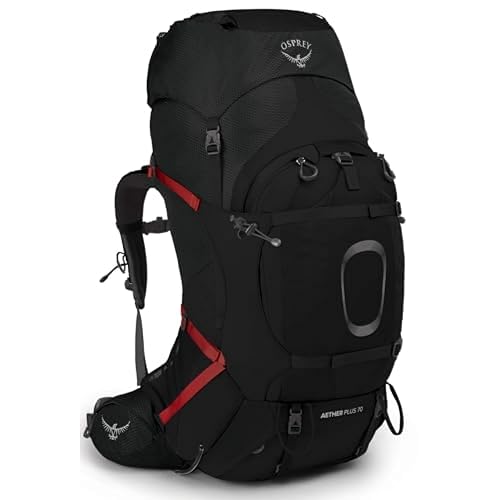
Osprey Aether Plus 70L Men’s Backpacking Backpack (Black S-M)
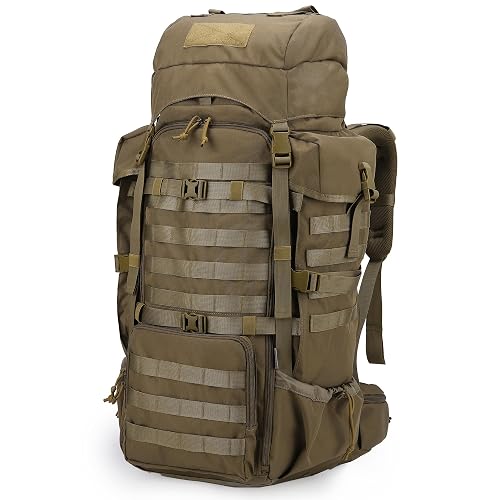
Mardingtop 70L Internal Frame Backpack with Rain Cover
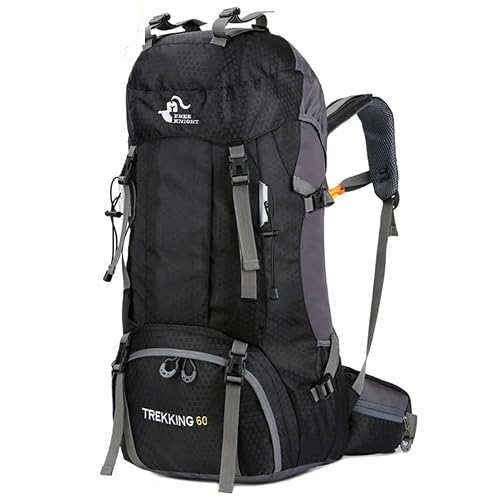
Bseash 60L Waterproof Hiking Camping Backpack with Rain Cover
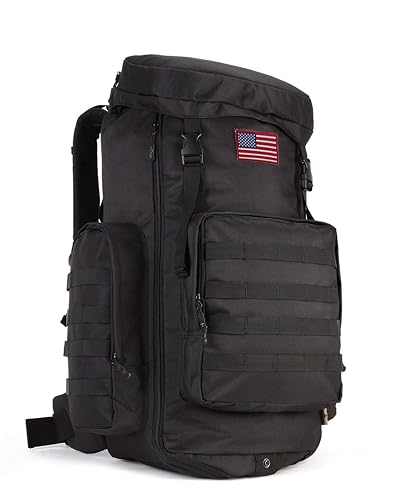
outdoor plus 60L/70L/85L Expandable MOLLE Backpack
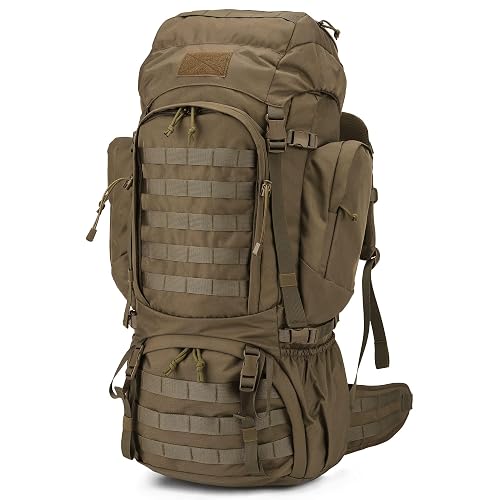
Mardingtop 60L Military Internal Frame Backpack with Rain Cover

Mardingtop 75L Cordura Tactical Backpack with RECCO
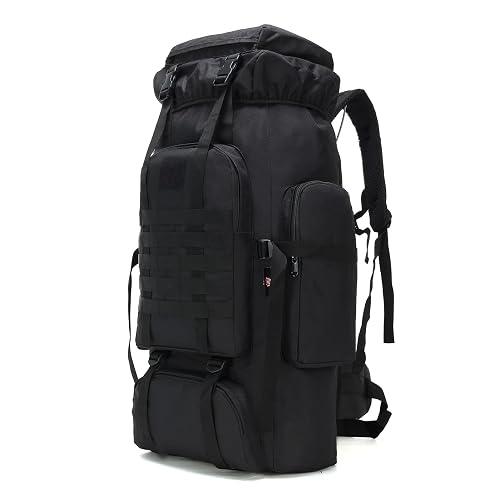
W WINTMING 70L/100L Military Rucksack with MOLLE
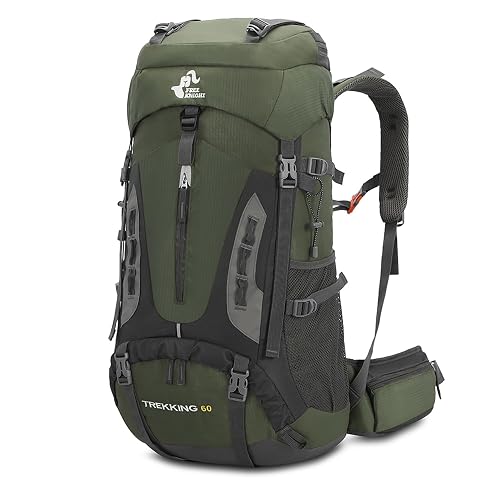
Bseash 60L Hiking Camping Backpack (Army Green)
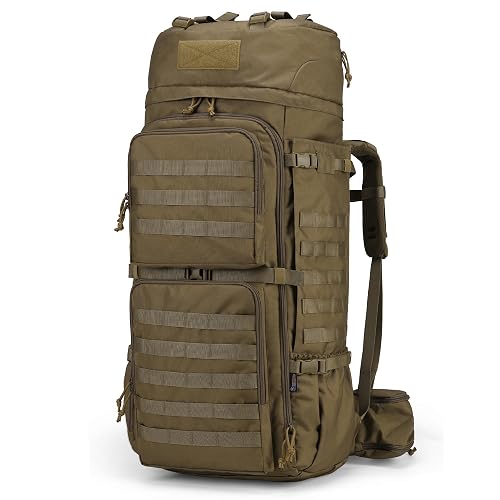
Mardingtop 75L MOLLE Internal Frame Backpack (Khaki)
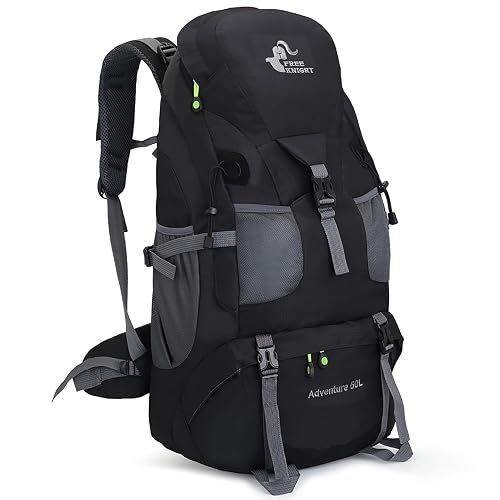
Bseash 50L Lightweight Water-Resistant Hiking Backpack
Meet The Standout Selections
The Osprey Aether Plus 70 is built for the kind of trip where you load 35 pounds in the morning and forget it’s there by lunch. Its Custom Fit-on-the-Fly hipbelt and shoulder harness let you dial the suspension while wearing the pack, which matters more than any spec sheet when the trail pitches uphill. Compared to the tactical Mardingtop entries below, this one prioritizes trekker ergonomics over modular pouches.
The removable top lid converts to a daypack for side trips from base camp, a small touch that pays off on long routes. A built-in raincover stows in its own pocket. If your trips run a full week with a bear canister and shared shelter, this 70L stays composed.
A Few Highlights
- Fit-on-the-Fly harness adjusts while the pack is on your back
- Top lid doubles as a daypack for side excursions from camp
- Included raincover lives in its own stash pocket
- Stow-on-the-Go trekking pole attachment keeps poles stowed without removal
Worth Noting
- Premium suspension puts it at a higher tier than most picks here
- Daypack conversion is best suited to light loads, not full summit pushes
Key Specs
Whose Trail This Belongs On
Backpackers logging week-long routes with heavy, structured loads who want the most refined suspension in this lineup.
Look Elsewhere When
You want a MOLLE-driven modular layout, where the Mardingtop 70L Internal Frame Backpack makes more sense.
Where the Aether Plus is about suspension polish, the Mardingtop 70L is about modularity. The shell is wrapped in MOLLE webbing (a system of stitched loops used to attach extra pouches and gear) so you can hang a sleeping pad, a rifle sling, or a tool roll on the outside without crowding the main compartment. For hunters and field users, that flexibility is the whole reason to look at it.
The 600D polyester shell (denier, a measure of fabric thickness, where higher numbers mean tougher material) and YKK zippers (YKK is a widely used Japanese zipper brand known for durability) handle rough use, and the included rain cover adds weather insurance. Load lifters, padded hipbelt, and adjustable torso length help it fit a range of body sizes, which is helpful when the pack gets shared between trips.
Well-Handled Touches
- Full MOLLE coverage for attaching extra pouches and tools
- YKK zippers hold up to repeated heavy loads
- Adjustable torso, hipbelt, and chest strap fit a range of bodies
Trade Offs
- At full 70L load, the hipbelt padding feels firmer than premium treks
- Fabric is durable, not light, so the empty weight sits above minimal packs
Who It Suits Best
Hunters, field campers, and modular-gear fans who want a tough, configurable 70L without paying premium treks prices.
Skip It When
You need lighter carry comfort over long days, where the Bseash 60L Waterproof Hiking Camping Backpack fits better.
The Bseash 60L leans into the kind of strap comfort that matters on a 12-mile day. S-shaped padded shoulder straps spread weight across the upper body, and a high-elastic breathable back panel keeps airflow moving so your shirt doesn’t soak through by mile four. The 60L volume (slightly smaller than the 70L category) is plenty for two to three nights of food and shelter.
Compared to the tactical Mardingtop 70L above, this one trades MOLLE for comfort-focused ergonomics. The rain cover ships in the box, which is one less thing to remember when you’re packing the night before.
What Works In Its Favor
- S-curve straps relieve pressure on the shoulders over long miles
- Breathable back panel cuts down on sweat buildup
- Rain cover included for sudden weather
- Polyester and nylon blend handles trail abrasion well
Soft Spots
- 60L caps out for longer trips or bulkier winter gear
- Fewer external attachment points than MOLLE-equipped picks
Feature Snapshot
Made For
Weekend trekkers and travel-focused packers who value strap comfort and ventilation over maximum volume.
Not Your Match When
You need true 70L capacity for weeklong loads, where the Osprey Aether Plus 70L is the better tool.
Most packs lock you into one volume, but the outdoor plus 60L/70L/85L expands and contracts based on your trip. Dual side zippers let the main compartment balloon from 70L to 85L, so a quick overnight stays compact while a winter expedition has room for the bulky kit. The MOLLE webbing runs across the front and sides for pouches and sleeping pads.
For trip-to-trip packers, the adjustable volume means one pack does the job of two. It’s a different value proposition from the fixed-volume Bseash 60L, which prioritizes a slimmer weekend silhouette.
Good Reasons To Consider
- Side-zip expansion grows capacity by 15L on demand
- MOLLE webbing supports extra carry for bulky gear
- Military-style layout fits hunters and trekkers alike
Honest Caveats
- Empty weight trends heavier because of the extra hardware
- At full 85L expansion, the pack feels less stable than at 70L
- Fabric is waterproof in name but benefits from the included cover in heavy rain
Best Suited To
Packers who run very different trip lengths across the year and want one bag that flexes with them.
Consider Something Else When
Your trips are mostly fixed weekend length, where the Mardingtop 60L Military Internal Frame Backpack is more dialed in.
The 60L Mardingtop reads as a classic tactical hauler, the kind of pack that wears well to a fixed camp where you unpack once and live for a few days. The internal frame keeps the load vertical, and the MOLLE coverage accepts a sleeping bag roll, hammock, or extra pouches on the outside. A patch panel holds nametape or flag patches if you want to personalize it.
Versus the 70L sibling above, this one trims 10L of volume for tighter weekend kits. The trekking pole and ice axe attachments are the kind of detail that shows up only when you actually need them.
Notable Gains
- Trekking pole and ice axe attachments secure tools without rattling
- Patch area accepts nametape or flag customization
- Internal frame keeps bulky loads vertical and stable
- Rain cover included for storm-ready travel
Possible Compromises
- 60L won’t fit a full week of cold-weather food and fuel
- Zippers can feel stiff out of the box and ease with use
Who Will Love This
Campers and hunters running three to four day basecamp trips who want tactical organization and external carry for tools.
A Better Fit Elsewhere
You want full 70L for a longer trip, where the Mardingtop 70L Internal Frame Backpack makes more sense.
The 75L Mardingtop with RECCO is built for cold, exposed terrain. The 915D Cordura shell (a tough Cordura-brand fabric at 915 denier, on the heavy-duty end of pack materials) shrugs off crampon scrapes and ice, and the RECCO reflector (a small passive tag detectable by search-and-rescue RECCO detectors used in avalanche response) gives rescuers one more way to find you in a slide. At roughly 3.2kg empty, it’s a serious pack for serious conditions.
The MOLLE layout and 75L volume make room for a full winter sleep system, shovel, and probe. Compared to the 60L Mardingtop above, the trade is weight for capability in a longer, harder season.
Points In Its Favor
- 915D Cordura shell resists abrasion from ice tools and rocks
- RECCO reflector aids organized search-and-rescue response
- 75L handles full winter loads with room to spare
- YKK zippers and buckles hold up to freezing conditions
Small Limitations
- Empty weight is heavier than summer-focused packs
- RECCO is a backup tool, not a substitute for a transceiver and probe
Quick Facts
Perfect Match For
Winter trekkers and snowboarders heading into avalanche-prone terrain who want a tough, organized, rescue-friendly pack.
Swap It Out When
You mostly hike three-season trails and don’t need Cordura, where the Osprey Aether Plus 70L saves weight.
The W WINTMING 70L/100L rucksack is the kind of pack you grab when you want lots of organized pockets without spending a lot. The main compartment closes with a drawstring under a flap, a classic design that lets you overstuff when needed. A dedicated laptop sleeve, two side pockets, and a front zipper pocket keep small items from disappearing into the main cavity.
The 900D fabric construction is on the tough end for the price tier, though the harness is simpler than premium treks. Versus the Mardingtop 60L above, you get more volume and more pockets, but a less refined hipbelt.
Positive Points
- Drawstring closure accepts bulky loads without fighting the zipper
- Dedicated laptop compartment handles travel days
- 900D fabric stays rugged for the price tier
- Two side pockets fit water bottles or tripods
Room For Improvement
- Harness is functional, not as dialed as premium treks
- 100L configuration only suits very long trips with light compressible kit
Right Fit For
Organized packers and budget-conscious trekkers who want lots of pockets for travel and weekend trips.
Reach For A Different Pick When
You carry heavy loads for long distances, where the Osprey Aether Plus 70L’s suspension really earns its place.
The Bseash 60L in Army Green takes the same comfort-driven approach as its sibling earlier in the list, with widened S-curve straps, sponge padding, and a breathable back panel. The army green color is the kind of muted tone that disappears into camp and resists visible dirt. The included rain cover handles weather without a separate purchase.
It feels like a sensible travel pack for people who split time between hostels, day hikes, and weekend campouts. For heavier technical loads, the Osprey Aether Plus 70L still pulls ahead on suspension.
Practical Pluses
- Widened S-curve straps spread pressure across the shoulders
- Sponge padding adds comfort on travel days with full loads
- Army green color hides trail grime between washes
- Breathable back panel keeps airflow moving
Small Caveats
- 60L caps the upper limit for longer trips
- Fewer external gear loops than MOLLE-equipped options
Built With In Mind
Travelers and weekend trekkers who want a comfortable, no-fuss pack in a low-profile color.
Look Elsewhere When
You need MOLLE for tool carry, where the Mardingtop 60L Military Internal Frame Backpack fits better.
The khaki 75L Mardingtop is the hydration-focused entry in this lineup, with a built-in sleeve that holds a 3L bladder and a hose port near the top grab handle. On long hot routes where stopping to dig out a water bottle breaks rhythm, that hands-free setup makes a real difference. The 600D shell and YKK zippers match the brand’s standard build.
MOLLE webbing runs around the pack, and the rain cover is included. Compared to the RECCO-equipped 75L Mardingtop above, you trade the rescue reflector for a more accessible hydration routing at a friendlier cost.
Everyday Advantages
- 3L hydration sleeve and hose port keep water accessible mid-stride
- 75L volume handles extended trips without external rigging
- MOLLE webbing accepts extra pouches and sleeping rolls
- Rain cover included in the box
A Few Limitations
- Hydration bladder sold separately
- Empty weight is higher than minimalist treks
Feature Card
The Right Fit
Long-distance trekkers and desert hikers who want hydration routing built in rather than improvised.
Where A Sibling Pick Shines
You want cold-weather rescue tech, where the Mardingtop 75L Cordura Tactical Backpack with RECCO is the better tool.
The Bseash 50L is the smallest pack in this lineup, included because not every trip needs 70L. For fast day hikes, summit pushes, or lightweight overnighters, a 50L pack keeps the bulk down and the miles easy. Water-resistant fabric handles light rain, and the S-curve padded straps carry the load comfortably.
The trade is obvious: at 50L, you can’t fit a full week of camp kit. Think of it as a step-down option for shorter adventures or as a second pack to own alongside a bigger trek pack. Versus the Bseash 60L, you save volume and weight, at the cost of a little trip flexibility.
Reasons It Performs
- Lightweight build keeps you moving fast on day routes
- Water-resistant fabric handles drizzle without soaking through
- S-curve padded straps reduce shoulder pressure
Things To Weigh
- 50L is too small for multi-day backcountry trips
- Not fully waterproof, so a rain cover is worth adding
Best Suited To
Fast hikers, daypack users, and light-overnight trekkers who want a smaller companion to a larger pack.
A Different Pick May Suit
You need full 70L capacity, where the Mardingtop 70L Internal Frame Backpack with Rain Cover covers more ground.
What Matters Most Before Choosing A 70L Pack
A 70L pack is a big commitment, in money, in fit, and in how it changes your trip. The first thing to dial in is torso length, not volume. A pack that’s too long for your back puts weight on your shoulders instead of your hips, and that fatigue shows up by hour three. Most packs in this size class offer adjustable harnesses, so the right size is the one that hugs your back, not the one that matches your height.
Suspension and hipbelt padding matter more than fabric weight. The Osprey Aether Plus 70L’s Fit-on-the-Fly system and the Mardingtop 75L Cordura’s internal frame both carry heavy loads, but they feel completely different on the trail. Load lifters (small straps at the top of the shoulders that pull the pack closer to your body’s center of gravity) help transfer weight off the shoulders onto the hips, which is the difference between a pack that pulls and a pack that rides.
Think about features by use case. MOLLE webbing earns its place when you carry odd-shaped gear like sleeping rolls, tools, or rifles. Built-in hydration sleeves pay off on long water-scarce routes. A removable top lid that converts to a daypack is a quiet luxury on basecamp trips with side excursions.
Finally, weather protection isn’t optional. Look for a pack with a real rain cover in the box, or plan to add one. “Water-resistant” and “waterproof” are not the same thing, and a soaked sleep system ends a trip faster than a sore back. The Mardingtop 75L Cordura and the Bseash 60L both include covers; lighter packs in the 50L class often skip them.
Key Considerations Across These Picks
Mistakes Worth Dodging
Buying by liters alone is the most common slip. A 70L pack that’s poorly fitted carries worse than a 60L pack that hugs your hips, so prioritize fit over volume. Skipping the rain cover is another quiet mistake, because the included cover in many of these packs costs extra elsewhere.
Where The Extra Money Goes
Premium tiers like the Osprey Aether Plus 70L invest in suspension engineering, breathable materials, and fit adjustments. The trade shows up over long miles: a refined harness shifts weight efficiently, while a basic one creates pressure points. The case for spending up is strongest for multi-day treks with heavy loads, where comfort compounds across days.
Frequently Asked Questions
How much can a 70L hiking pack realistically hold?
A 70L pack handles a full week of backcountry gear for most campers, including a tent, sleeping bag, pad, food, and clothing. Volume in liters is a rough guide, since how you pack and what you carry change the real-world fit. Bulky winter kits push packs toward the upper limit, while ultralight summer setups may leave room to spare.
Is 70L too big for a weekend trip?
For a typical two-night weekend with shared shelter and group food, 70L is more space than most people need, and a 50 to 60L pack often carries the load more comfortably. The right size depends on your personal kit, not just the trip length. If you carry photography, climbing, or winter gear, 70L earns its volume even on short trips.
What’s the difference between 60D and 900D fabric?
Denier (D) measures the thickness of the fabric fibers, where higher numbers mean thicker and tougher material. A 600D shell handles standard trail use well, while 900D to 915D Cordura shrugs off serious abrasion from rocks, ice, and rough handling. Heavier fabrics add empty weight, so balance toughness against how hard you actually use the pack.
Do I need a pack with MOLLE webbing?
MOLLE webbing (short for Modular Lightweight Load-carrying Equipment) is a system of stitched webbing loops that let you attach extra pouches and gear externally. It earns its place when you carry odd-shaped tools, sleeping rolls, or modular kits. For straightforward camping loads, MOLLE is a nice-to-have rather than a must-have.
How important is a built-in rain cover?
A real rain cover is one of the most useful accessories a pack can include, because it deploys fast when weather turns. “Water-resistant” fabric handles drizzle but not sustained rain, and a wet sleep system can ruin a trip. Most of the 60L to 75L packs in this lineup include a cover, which is a meaningful detail to factor in.
Bottom Line
A 70L pack is the right answer when your trips stretch past a long weekend or when your kit runs heavy, cold, or technical. The Osprey Aether Plus 70L leads for trekkers who want refined suspension. The Mardingtop entries give you tactical modularity at friendlier cost. The Bseash packs focus on comfort for shorter routes.
Match the pack to your trips, fit it to your torso, and don’t skip the rain cover. The right pack disappears on the trail, and that’s the only review that really matters.