
A good hiking staff does more than steady you on a rocky descent. It saves your knees on long downhills, keeps you upright on wet roots, and takes some load off tired ankles after hour three. Choosing the right one comes down to your terrain, your height, and how often you pack it into the backcountry. This roundup covers fixed Nordic poles, collapsible aluminum pairs, ultralight carbon fiber options, traditional handcrafted wood, and collectible trail medallions so you can match your staff to the way you hike.
A Snapshot Of The Selections
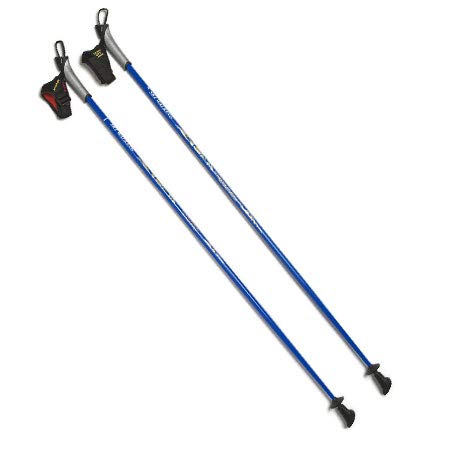
American Nordic Walking System Custom-Fit 1-Piece Poles

CreationCarvings Mountain Man Walking Stick 60″
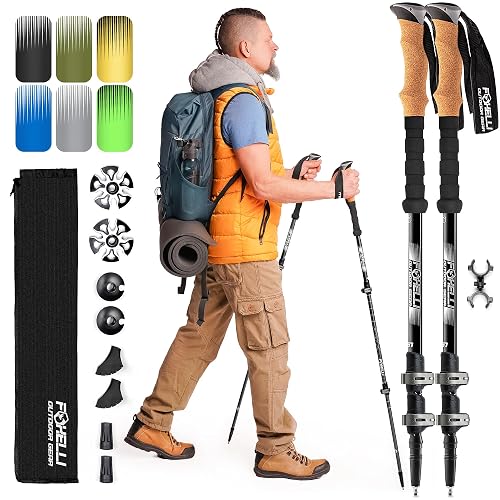
Foxelli Aluminum Trekking Poles with Cork Grips

Hiker Hunger Outfitters Carbon Fiber Trekking Poles
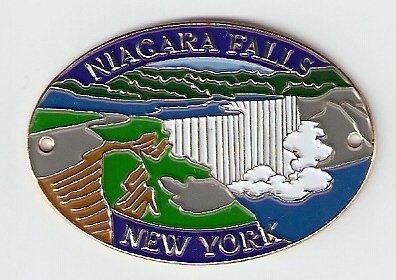
LWBC Niagara Falls Hiking Stick Medallion
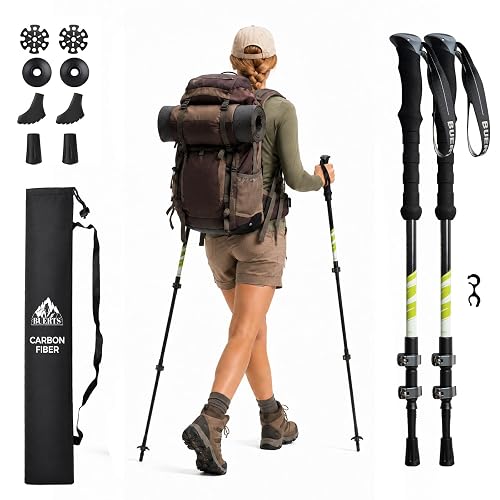
BUERTS Ultralight 3K Carbon Fiber Trekking Poles

L W Bristol Classics Yellowstone Old Faithful Medallion
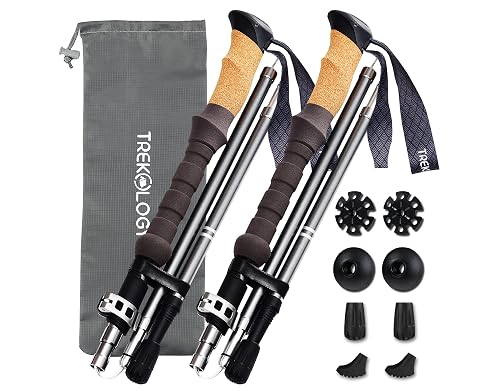
TREKOLOGY Trek-Z Cork Grip Collapsible Poles
Inside Each Recommended Option
Custom sizing sets these poles apart in a category full of adjustable tubes. Rather than relying on twist locks or flip locks (mechanisms that clamp the telescoping sections in place), American Nordic Walking System cuts each pair to your barefoot height across 32 available lengths, so the pole ships as a single rigid shaft finished in a real ski pole factory and assembled stateside.
That matters for anyone whose stride doesn’t match a one-size-fits-all range, particularly physical therapy patients, fitness walkers, and urban hikers training on pavement. Carbide metal tips bite into dirt and snow while the included rubber paws keep the swing quiet and planted on cement or indoor tracks.
Bright Spots
- Custom-cut length removes the wobble that loose adjustment clamps can develop over time
- Carbide tip plus swappable rubber paws handle pavement, snow, and trail in a single pair
- Rigid one-piece shaft carries a planted, ski-pole feel that reduces wrist fatigue on long walks
- Made in dedicated Nordic pole factories, so the build quality skews closer to ski gear than budget hardware
Worth Noting
- Non-collapsible shaft makes them harder to stash in a carry-on or small daypack
- Customization adds lead time before the pair ships to your door
- Single-piece design means a tip or grip swap requires sending them back rather than replacing a section at home
Feature Snapshot
Who It Suits Best
Daily fitness walkers and physical therapy patients who want a custom-fit Nordic pole built for repeated pavement miles rather than alpine summit pushes.
Where Another Pick Suits Better
Backpackers who need to collapse their poles for a packed itinerary should look at the Foxelli Aluminum Trekking Poles instead.
Sometimes a hiking staff is more heirloom than hardware, and this 60-inch dark wood staff leans into that role. Each stick is handcrafted from solid wood by an artisan, finished smooth to the touch, and fitted with a leather wrist strap plus a rubber foot for traction on hard surfaces.
Where the American Nordic system targets high-mileage walkers, this one favors the day hiker or collector who wants a single traditional staff for short trails and porch-side posing. Depending on your trail ambitions, you may find the rigid wood body less forgiving than aluminum on steep descents.
Useful Strengths
- Solid hardwood construction with a polished finish that resists splinters
- Leather wrist strap plus rubber tip combine craft with functional grip and traction
- 60-inch length suits taller hikers who find adjustable poles max out too short
- Handmade character means no two sticks look identical
Trade Offs
- Wood absorbs moisture in wet conditions, so owners commonly wipe it down and let it dry indoors after rainy walks
- Solid shaft does not collapse, so it won’t fit inside a suitcase or small pack
- Heavier than aluminum and carbon fiber options over a long day on the trail
Whose Shelf It Belongs On
Casual day hikers, older walkers, and gift shoppers who want a traditional wooden staff rather than a technical telescoping pair.
Skip It When
Thru-hikers needing packable gear should reach for the TREKOLOGY Trek-Z Cork Grip Collapsible Poles instead.
Aircraft-grade aluminum is the workhorse material of trekking poles, and Foxelli wraps it in a cork grip that absorbs sweat on warm climbs. The pair telescopes from a compact carry length to a full walking height, so they pack into most daypacks and ship as carry-on-friendly gear.
Compared to the rigid American Nordic system earlier, these collapse in seconds and arrive as a complete accessory kit. You may find them a touch heavier than carbon competitors, though for most weekend hikes that trade is invisible.
Notable Gains
- Aircraft-grade aluminum shaft bends rather than snaps under side load
- Cork grip molds to your hand and stays cooler than plastic on summer climbs
- Compact folded length suits carry-on luggage and short packs
- All-terrain accessory kit arrives in the box so nothing is a separate order
Minor Gripes
- Aluminum weighs more than carbon fiber, so ultralight backpackers may want the Hiker Hunger or BUERTS poles
- Flip locks require occasional retightening as internal parts wear
Quick Facts
Made For
Beginner backpackers and weekend hikers who want an affordable aluminum pair with cork comfort and a complete accessory kit in the box.
Reach For A Different Pick When
Fastpackers shaving every ounce should consider the BUERTS Ultralight Carbon Fiber Trekking Poles instead.
3K carbon fiber (a tightly woven carbon weave used in performance sporting goods) is the spec most thru-hikers check first, and Hiker Hunger Outfitters builds its entire shaft from it. The result is a pair that weighs noticeably less than the Foxelli aluminum set while keeping the same collapsing convenience.
The grip stack pairs cork against EVA foam (a closed-cell foam that resists sweat and dries fast), giving you a comfortable top hand and a breathable lower section for choke-ups on side slopes. You may find carbon fiber feels stiffer under hard side loads than aluminum, which tends to bend rather than crack.
Why It Works Well
- Full carbon shaft drops pack weight versus aluminum rivals on long trails
- Cork top grip with EVA lower section handles both full-palm holds and quick choke-ups
- Quick flip locks keep mid-hike adjustments to a couple of seconds
- Collapsible format fits a standard pack pocket or duffel
A Few Limitations
- Carbon can crack under sharp side loads where aluminum would only bend, so careful handling around rock scrambles pays off
- Premium materials command a higher tier than entry aluminum pairs
Technical Highlights
Right Fit For
Long-distance thru-hikers and section hikers who count ounces and want carbon performance with cork comfort on multi-day routes.
Look Elsewhere When
Rock scramblers who frequently wedge poles into cracks may want the more forgiving aluminum Foxelli pair instead.
This entry shifts the category. Rather than a trekking pole, it is a small collectible medallion stamped with a likeness of Niagara Falls, the American Falls scene on the U.S. side of the gorge. Trail medallions are a long-running tradition in Europe and an increasingly common souvenir practice in the United States.
The medallion is gently shaped so it wraps around a hiking staff shaft and can be nailed in place after pre-drilling a small pilot hole. Unlike the carbon poles earlier, this one pairs with an existing staff rather than replacing it.
The Good Stuff
- Depicts a recognizable American Falls scene that ties the medallion to a specific memory
- Soft metal shape wraps around standard hiking staff diameters
- Pre-drilling guide plus included nails simplify the attachment step
- Fits the trail-medallion tradition popular with European and U.S. hikers alike
Some Limits To Know
- Requires a separate hiking staff or paddle, since the medallion is an accessory, not a pole
- Soft metal means it can bend if your pack gets crushed during travel
Quick Technical Notes
Who Should Grab It
Souvenir collectors and gift shoppers who want a Niagara-themed trail marker to attach to a personal hiking staff.
Consider Something Else When
Anyone needing an actual hiking pole should pick the CreationCarvings Mountain Man Walking Stick or one of the telescoping pairs above.
BUERTS targets the weight-obsessed end of the trail crowd. The shaft is 3K carbon fiber (the same tightly woven carbon build as the Hiker Hunger pair), but the grip uses EVA foam rather than cork, which keeps the build dry and quick to wipe clean after wet stretches.
Carbon fiber is also a quieter material on rock than aluminum, with less echo when the tip taps stone. You may find the EVA grip runs cooler in winter, so a glove-friendly season or thin liner pairs naturally with this build.
Where It Excels
- 3K carbon shaft keeps the pole weight low for fastpackers and ultralight kit lists
- EVA foam grip stays grippy when wet and dries faster than cork
- Flip locks enable fast length changes mid-route
- Collapsible format packs inside standard ultralight shelters and packs
Potential Drawbacks
- EVA does not conform to your hand the way cork does over long-distance use
- Carbon handles sharp rock contact differently than aluminum, so careful placement matters
Best Suited To
Fastpackers and ultralight backpackers who chase low pack weight and want a low-maintenance foam grip for varied weather.
A Better Fit Elsewhere
Hikers who prefer a grip molding to their hand should pick the Hiker Hunger Outfitters cork-topped pair.
Like the Niagara entry earlier, the Yellowstone Old Faithful medallion is a trail accessory rather than a pole. It features a likeness of the famous Old Faithful geyser inside Yellowstone National Park, giving hikers a way to mark a stick or paddle with a specific trip memory. Trail medallions have a long tradition in Europe and a growing following in the United States.
The soft metal can be gently shaped to fit a staff or paddle and nailed in place after a small pilot hole is drilled. Compared to the Niagara piece, the artwork focuses on the geyser cone rather than a waterfall.
Real-World Strengths
- Old Faithful likeness marks a Yellowstone trip on any staff or paddle
- Soft metal shapes to fit common hiking staff diameters
- Included nails and pre-drill guidance make the attachment beginner-friendly
- Lightweight enough to carry as a spare for future park visits
Practical Considerations
- Requires a separate hiking staff, paddle, or blank stick to attach to
- Soft metal can scuff if tossed loosely in a duffel with other gear
Perfect Match For
National park travelers and gift givers who want a Yellowstone keepsake to add to a hiking staff or display shelf.
Not Your Match When
You need a working pole for the trail, in which case the TREKOLOGY Trek-Z Cork Grip Collapsible Poles are the practical match.
TREKOLOGY built the Trek-Z for hikers building a first kit. The shaft uses aero-grade aluminum (a high-strength aluminum alloy originally developed for aerospace frames), which keeps the price approachable and the durability forgiving when a beginner inevitably drops a pole on rock.
The cork grip offers the same moisture-wicking comfort as the Foxelli pair, while the folding design collapses to a packable size smaller than many telescoping rivals. Compared to the Hiker Hunger carbon pair earlier, this aluminum build trades some weight for easier everyday handling.
The Upside
- Aero-grade aluminum balances strength and weight at a beginner-friendly price
- Cork grip absorbs sweat and shapes to the hand over repeat hikes
- Compact folded size fits inside standard daypacks and luggage
- Forgiving aluminum bends rather than cracks when mishandled on early scrambles
Less Ideal Details
- Aluminum carries more weight than carbon fiber rivals for long-distance routes
- Cork grip needs occasional wiping to keep grime from building up over a season
Who Will Love This
New hikers and casual weekend walkers who want a forgiving aluminum pair with cork comfort and a compact folded length.
Swap It Out When
Long-distance hikers chasing lower weight should pick the BUERTS Ultralight 3K Carbon Fiber Trekking Poles instead.
What Matters Most Before Choosing Hiking Staffs
Material Choice Shapes Every Mile
Shaft material is the single biggest decision. Aluminum bends rather than cracks, which makes it forgiving for beginners and rocky scrambles where a pole might jam sideways. Carbon fiber is lighter and stiffer, which helps on long climbs but can fracture under sharp side loads. Wood fits a traditional or casual hiking style but absorbs moisture, so it needs more drying time after wet trips. Match the material to your typical terrain rather than chasing the lightest option on paper.
Length, Fit, And Collapsibility
A correct length keeps your elbow near 90 degrees when the tip is planted. Adjustable telescoping poles let you fine-tune fit on the trail, while fixed-length Nordic poles are custom-cut to your height for a planted feel. Collapsibility matters more than people expect when packing a pole inside a carry-on, a duffel, or a small daypack. For thru-hikers, short folded length and lock reliability matter more than for day hikers who only travel from trailhead to car.
Tip And Accessory Setup
Carbide metal tips grip dirt, mud, and snow well but feel slick on pavement. Rubber paws or asphalt feet quiet the swing and add traction on hard surfaces, which is why most quality poles ship with both. Snow baskets widen the base for soft snow, while mud baskets keep the shaft from sinking in soft ground. The right combination depends on how often you swap between pavement, dirt, and snow within a single week.
Grip Material And Wrist Straps
Cork grips absorb sweat, mold to your hand, and stay cooler than plastic in summer. EVA foam grips run grippier when wet and dry faster after rain. Hard plastic grips are the cheapest but slip when your palms sweat on a climb. Nordic wrist straps keep the pole attached through a full arm swing without choking the wrist, while basic loop straps require a tighter grip. Most casual hikers do well with EVA or cork plus a basic strap; fitness walkers benefit more from Nordic straps.
Spotting The Difference Across Price Tiers
Common Shopping Slip Ups
A frequent mistake is buying poles too long for your height, which forces your elbow above 90 degrees and loads your shoulder on climbs. Another is choosing carbon fiber purely for weight without considering that aluminum bends where carbon can crack on a hard jam. Skipping the rubber paw set is also common, even though it makes pavement walks much quieter and safer on wet tile.
What The Higher Tier Buys
The jump from entry aluminum to premium carbon fiber brings lower swing fatigue over many miles, plus lighter pack weight for multi-day routes. Higher tiers also tend to lock more reliably, ship with better straps, and use cork grips rather than plastic. The upgrade pays off most for long-distance hikers and section hikers who feel every extra ounce, while casual day hikers can stay comfortable with an entry aluminum pair.