
A wet creek crossing at dawn, a still-hunt in November frost, a five-mile ridge walk with a heavy pack: your boots decide how that day ends. The wrong pair leaves you limping by mile two. The right pair disappears on your feet and keeps water, mud, and sharp rock exactly where they belong. This roundup cuts through the noise for hunters who also hike, hikers who occasionally carry a tag, and anyone tired of soggy socks.
The Choices Worth Comparing
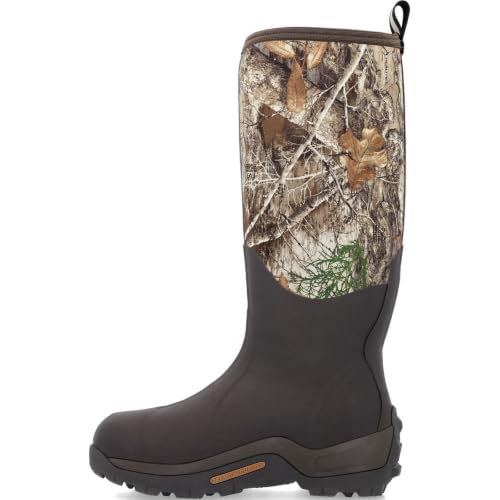
MUCK Woody Max Insulated Hunting Boot

Kalkal 16″ Snake Boots for Men

Aigle Course 2 Vario Unisex Hunting Boots
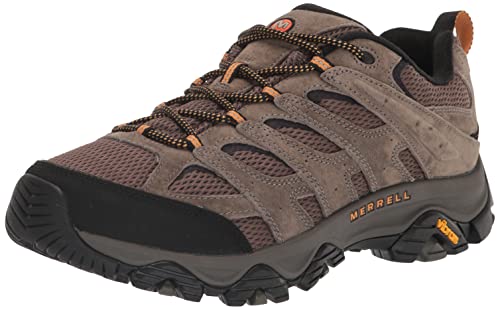
Merrell Men’s Moab 3 Hiking Shoe

Merrell Men’s Moab 3 Mid Hiking Boot

Merrell Moab 3 Mid Waterproof Hiking Boot

Kalkal Insulated Snake Boots with 5mm Neoprene
More On The Choices That Made The List
Built for the kind of cold that turns rubber into a liability, the Woody Max leans hard on neoprene, a stretchy synthetic rubber that traps warmth and flexes with your foot. You notice it the moment you step into a frozen marsh: the boot hugs the calf without pinching and the footbed feels like a thick wool sock was pre-installed. The high-grade rubber lower shrugs off thorns, swamp muck, and shallow wade-throughs without complaint.
Compared with the lower-cut Merrells later in this list, the Woody Max sacrifices ground feel for pure insulation. The 2 mm thermal foam underfoot is the part that matters most in a treestand at sunrise: it blocks frost from creeping up through the sole. For most hunters who sit still in November, that trade feels worth it.
Advantages To Know
- Fleece-lined interior holds body heat during long sits in freezing temps.
- 5 mm neoprene upper seals out water and sheds mud easily on the exterior rubber.
- Stretch-fit topline adjusts to bulky insulated pants without crushing the calf.
- High rubber shaft protects against brush cuts and shallow snake encounters.
Things To Weigh
- The boot runs warm, so summer use tends to feel clammy even in mesh socks.
- Less ground feel than a hiking shoe, which can throw off careful rock scrambles.
Feature Snapshot
Built For Late-Season Stands
Whitetail and late-season hunters who spend hours motionless in freezing temps will appreciate the insulation most.
Swap It Out When
Day hikers chasing miles in mild weather will do better with the Merrell Men’s Moab 3 Hiking Shoe for its lighter, more breathable build.
Tall enough to fend off a curious copperhead, light enough to forget you’re wearing armor: that tension is exactly where the Kalkal lives. The 16-inch shaft climbs well above the ankle to cover the calf, which matters when you’re pushing through broom sage or palmetto where visibility is limited. You get a waterproof build without the heavy rubber-bucket feel of a classic pull-on.
Next to the Muck Woody Max earlier, this pair trades deep-winter insulation for breathability. The shock-absorbing midsole is the part that earns its keep on a long approach walk, easing the impact of miles on rocky terrain. For snake-country hikers who don’t typically face deep cold, the lightness is the real win.
A Favorable Mix
- 16-inch shaft shields the lower leg from fangs and thorny brush.
- Lightweight construction reduces fatigue over multi-mile approaches.
- Waterproof layer keeps feet dry through damp grass and shallow puddles.
- Anti-slip field sole grips well on loose dirt and wet leaves.
Trade Offs
- No serious cold insulation: deep-winter hunters will run cold feet.
- Tall shaft can feel restrictive when seated for long periods in a ground blind.
- Cleaning out caked mud from the textured upper takes some extra brushing.
Right Fit For Southern Brush Hunters
Anyone hunting or hiking in snake-prone southern terrain during spring through fall gets the most out of the breathable protection.
Consider Something Else When
Cold-weather hunters will be happier in the MUCK Woody Max Insulated Hunting Boot, which adds the neoprene warmth this model leaves out.
A European take on the classic field boot, the Course 2 Vario leans on hand-laid rubber construction. You can feel the difference when you press the upper with your thumb: it’s stiffer than a typical hunting boot, which translates to serious abrasion resistance in thorny bramble and dense brush. The unisex sizing also makes it a smart fit for hunters who struggle to find a tall, narrow boot in standard men’s widths.
Where the Kalkal and Muck designs are about practicality, this Aigle is about longevity. In a wet coastal environment or a marshy duck blind, the rubber upper simply outlasts fabric and mesh. You may find the break-in period longer than the lighter options below, but the boot rewards patience by lasting multiple seasons.
Bright Spots
- Hand-crafted rubber upper offers top-tier resistance to cuts and abrasion.
- Unisex sizing broadens fit options for narrow or smaller-calf hunters.
- Fully waterproof build handles standing water and deep puddles.
- Solid ankle support helps when crossing uneven, root-tangled terrain.
Room For Improvement
- Stiffer upper needs a longer break-in compared with neoprene boots.
- Less breathable than fabric hiker hybrids, so warm-weather hunts get sweaty.
Best Suited To Wet-Ground Veterans
Experienced marsh, duck blind, and coastal hunters who value long-term durability over light weight will get the most from this build.
Look Elsewhere When
Day hikers wanting a flexible, lighter boot should reach for the Merrell Men’s Moab 3 Hiking Shoe for a more cushioned ride.
The Moab 3 sits in the low-cut hiking shoe camp, which is a different animal from the rubber pulls earlier. The Vibram outsole (a high-traction rubber lug sole trusted across hiking boots) grips loose scree and root-heavy trails without the bulk of a tall boot. The signature feature is comfort right out of the box: the updated insole and softer midsole take the edge off the first hike, no real break-in required.
Versus the insulated and snake-proof options on this list, the Moab 3 trades protection for agility. You feel the ground, which is great on a clean trail but offers nothing in the way of snake defense or deep mud. For a hunter on maintained logging roads or a hiker who doubles as a glasser, that lighter touch is the right call.
Everyday Perks
- Vibram outsole delivers confident traction on rock, dirt, and roots.
- Supportive insole reduces foot fatigue on long-distance day hikes.
- Lower weight means less leg strain over multi-mile approaches.
- Breathable build stays comfortable in mild to warm weather.
Points To Note
- Low-cut design leaves the ankle exposed on uneven footing and tall brush.
- No waterproof layer: wet grass and puddles soak through quickly.
Feature Snapshot
Whose Shelf It Belongs On
Trail-first hikers and hunters who mostly travel established paths and want all-day comfort will appreciate this low-cut build.
Reach For A Different Pick When
Wet or brush-heavy terrain calls for the Merrell Moab 3 Mid Waterproof Hiking Boot, which adds a waterproof membrane and ankle coverage.
The mid-cut version of the Moab solves the ankle roll problem that plagues the low-cut shoe. The shaft rises just above the ankle bone, giving the joint something to push against on side-slope trails and off-camber log crossings. The same Vibram outsole and softer midsole carry over, so the cushioned feel is identical to the shoe you may have already owned.
Unlike the waterproof sibling reviewed next, this non-waterproof mid keeps weight low and breathability high. You give up rain protection, but gain faster drying after a sweaty summer hike. The trade-off works beautifully for hunters on dry ridges or hikers in arid mountain terrain where rain is a passing concern rather than a daily one.
What Works In Its Favor
- Mid-cut shaft stabilizes the ankle on uneven or side-slope terrain.
- Vibram outsole handles loose rock and wet roots with confidence.
- Cushioned midsole softens long days on hard-packed trail.
- Lighter than the waterproof mid since it skips the membrane.
Honest Caveats
- No waterproof barrier, so wet grass and stream crossings soak through.
- Less protection against snakes and thorny brush than a tall rubber boot.
Feature Snapshot
Made For Pack-Hauling Day Hikers
Hunters and hikers who carry a loaded daypack on dry, rugged terrain will value the extra ankle lock most.
Swap It Out When
Wet, rainy conditions make the Merrell Moab 3 Mid Waterproof Hiking Boot the smarter pick for the same fit and feel.
Take everything good about the mid-cut Moab and seal the inside from puddles, dew, and creek splashes. That’s the value of this waterproof version. The mid-cut shaft keeps your ankle locked on rough descents, while the waterproof membrane keeps the sock dry during a stream hop or a surprise downpour. For most day hikers and fair-weather hunters, this is the practical sweet spot in the Merrell Moab family.
Compared with the Muck Woody Max and Aigle Course 2 above, this boot sits firmly in the trail-riding category. It’s the option for someone who hikes in a lot and occasionally needs the boot to handle wet conditions, rather than someone whose entire hunt takes place in a swamp. You trade the heavy rubber shield for agility and a faster, lighter stride.
Where It Excels
- Waterproof membrane keeps feet dry through wet grass and shallow crossings.
- Mid-cut ankle support helps on side-slope trails and heavy loads.
- Vibram outsole grips reliably on wet rock and muddy root systems.
- Cushioned midsole softens impact during long mileage days.
A Few Limitations
- Waterproof layer reduces breathability, so hot summer days get sticky.
- Not a tall rubber upper, so it offers no real snake or thorn protection.
Who Should Grab It
Hunters and hikers who tackle wet trails in shoulder seasons benefit from the dry, supported ride this mid-cut delivers.
Where Another Pick Suits Better
Deep mud and standing water favor the Aigle Course 2 Vario Unisex Hunting Boots, which carries a full rubber upper.
The second Kalkal on this list adds insulation to the snake-proof formula, making it a smarter fit for shoulder-season hunters in the South. The 5 mm neoprene layer keeps morning chill from biting through the boot, while the tall rubber exterior fends off fangs, thorns, and wet brush. The result feels heavier than its non-insulated sibling, but that weight is doing real work.
Versus the Muck Woody Max earlier, this pair swaps heavy cold-weather fleece for a more focused mid-temperature insulation. You may find it a better fit in states like Texas, Georgia, and Florida where winter hunts can drop into the 30s but rarely stay below freezing. The anti-slip outsole also handles muddy creek banks better than some traditional hiking boots.
The Upside
- 5 mm neoprene insulation handles chilly mornings without overheating midday.
- Snake-proof construction covers the lower leg in fang reach.
- Anti-slip outsole grips wet grass and muddy banks.
- Waterproof build protects against dew, puddles, and shallow wades.
Points To Keep In Mind
- Heavier than a hiking shoe, so longer hikes may tire the legs faster.
- Tall shaft limits stride length and feels bulky when seated in a blind.
Who Will Love This
Brush hunters in snake country who face cool, damp mornings and want both bite protection and light insulation will appreciate the build.
Skip It When
Long-mileage hikers on clean, dry trails will prefer the Merrell Men’s Moab 3 Hiking Shoe for its lighter, more flexible ride.
Picking The Right Boot For The Way You Actually Hunt And Hike
Match The Boot To The Terrain, Not The Hype
The single biggest mistake is buying a rubber pull-on for a trail that stays dry and clean. A tall rubber boot earns its weight in swamps, snake country, and snow. On maintained forest roads and rocky ridge trails, a low or mid-cut hiking boot with a grippy outsole is faster, lighter, and easier on the knees. Match the boot to the ground, not to the marketing photos.
Insulated Or Uninsulated Is A Climate Call
Insulation is a trap if your hunting climate rarely drops below freezing. A 5 mm neoprene boot in a 50-degree November morning can feel like a sauna by the second hour. Reserve serious insulation for climates with real sub-freezing mornings, and reach for uninsulated waterproof or breathable options in milder ranges. Layering socks works better than overdosing on boot insulation.
Outsole And Shaft Height Drive Real Performance
Vibram outsoles (a trusted brand of high-traction rubber soles) remain the go-to for rocky terrain. Cheaper lug soles work on dirt but slide on wet rock. Shaft height matters for two reasons: ankle support on side slopes and protection against snake bites. If you hunt or hike both terrain types, a mid-cut hiking boot is the most flexible compromise.
Fit Beats Features Every Time
A great boot that doesn’t fit ruins a trip faster than a cheap boot that does. Try boots on with the sock thickness you plan to wear in the field. The heel should lock, the toe box should allow wiggle room, and the shaft should not pinch the calf when seated. Comfort out of the box is a real signal: stiff boots rarely break in to become comfortable.
Key Considerations Across These Picks
Where Shoppers Go Wrong
Buying a heavy rubber boot for a trail-based hunt. Boots with thick insulation in mild weather, then wondering why feet overheat. Skipping the insole upgrade and blaming the boot for arch pain. Choosing shaft height for looks rather than the actual cover you walk through. Assuming waterproof means sweat-proof: most waterproof membranes trap heat along with water.
When Paying More Pays Off
Premium rubber boots like the Aigle hand up better to years of thorn abuse and chemical exposure. The upgrade pays off for hunters who put in dozens of days each season. For casual weekend use, a mid-tier Merrell Moab is plenty of boot. Spend more when your season is long, your terrain is harsh, or your old boots always seem to fail mid-trip. Save when your outings are short, your trails are kind, and a little extra weight won’t change the outcome.
Frequently Asked Questions
Are hunting and hiking boots the same thing?
Not always. Hunting boots lean toward waterproof rubber and snake protection, while hiking boots focus on traction and ankle support. Some models, like the Merrell Moab 3 line, bridge both roles well.
How do I clean mud and debris from rubber hunting boots?
A stiff brush and a garden hose handle most buildup. For caked mud in textured rubber, a plastic bristle brush and mild soap work without damaging the surface. Air dry away from direct heat.
Can I use hiking shoes for hunting?
On dry, trail-friendly terrain, yes. In snake country, swamps, or deep mud, hiking shoes leave the lower leg exposed. Match the footwear to the actual cover you walk through, not the average day.
Do waterproof boots keep feet warm in winter?
Waterproofing blocks water, not cold. For real warmth, you need neoprene insulation or a thick fleece lining, plus a wool or synthetic sock. The two features work together but aren’t the same thing.
How long should hunting and hiking boots last?
A quality pair should deliver several seasons of regular use, depending on terrain. Heavy brush and sharp rock wear soles faster than smooth trail miles. Inspect the outsole lugs and stitching yearly, and replace when grip or waterproofing fades.