
A long morning in a frozen blind or a wet slog through marsh grass punishes gear that isn’t built for the work. The right lower-body layering system holds warmth, sheds water, and stays quiet enough that wary game won’t spook at every shuffle. This roundup focuses on practical pieces for waterfowl, ice anglers, and big-game hunters who log real hours in tough conditions, with one layered top and one accessory for the head rounding out the list.
A Snapshot Of The Selections

Beretta Dive Insulator Water-Repellent Waterfowl Jacket
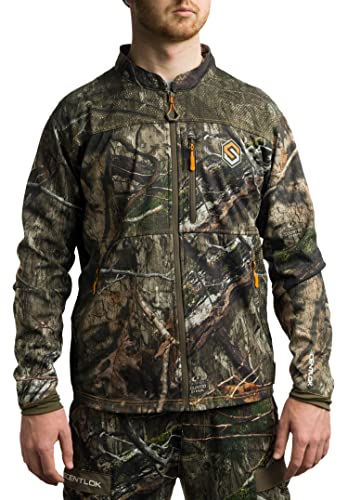
ScentLok Savanna Fuse Lightweight Camo Hunting Jacket
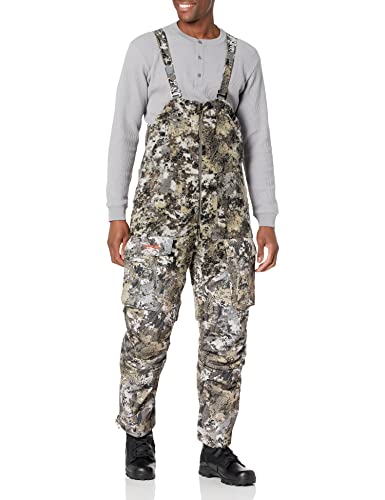
SITKA Men’s Insulated Fanatic Bib

FRABILL Ice Hunter Heavy-Duty Insulated Bib

Beretta Suprema 3L Waterfowl Wader Jacket

ScentLok Carbon Alloy Knit Beanie

ScentLok BE:1 Voyage Quiet Warm Fleece Camo Pants
Why These Options Stand Out
The Beretta Dive Insulator sits in the upper-body category, yet it earns a spot here because waterfowl layering systems are only as good as the jacket shell above your insulated bottom layer. A water-repellent treatment helps light rain and sprayed water bead up rather than soak through during the walk to the blind.
For hunters moving into a layout blind or low pit before dawn, the lighter build keeps bulk down without sacrificing core warmth. Pair it with the insulated bibs featured later in this roundup and you’ve got a matched system rather than a mismatched stack.
What Earns Its Place
- Water-repellent finish keeps light moisture from soaking in during short walks to the blind
- Insulated core warmth without excessive bulk, useful for hunters packing into a layout boat
- Pairs cleanly with the SITKA or FRABILL lower-body options featured later in this guide
- Active cut suits hunters who glass, paddle, or reposition rather than sit motionless all morning
Points To Note
- Not a substitute for a full waterproof shell during heavy downpours or extended rain
- Sizing runs slightly trim, so layering thick fleece underneath may require sizing up
Who It Suits Best
Early-season duck and goose hunters who move frequently and need a lighter insulating shell over their bibs and base layers.
Swap It Out When
Hunters expecting sustained downpours or standing in chest-deep marsh water should step up to the Beretta Suprema 3L Waterfowl Wader Jacket covered further down.
The Savanna Fuse leans into ScentLok’s signature odor-adsorbing technology, which uses activated carbon (a porous material that traps scent molecules) to help cloak human odor from a deer’s nose. Lightweight shells like this one target the active hunter who isn’t planning to sit in a stand through a blizzard.
Think mid-season whitetail work where you might glass a draw, stalk to a vantage, then settle in for an evening sit. The lighter fabric trades raw warmth for ventilation during the hike, then layers comfortably over a base piece once you park yourself.
Real Benefits
- Built-in scent adsorption for wary, mature bucks that spook at the faintest human trace
- Lightweight build reduces sweat buildup on long stalks or mid-day climbs
- Pattern and cut favor still-hunting and spot-and-stalk tactics over static sits
- Compresses small enough to live in a daypack as an emergency shell
Trade-Offs To Consider
- Less insulation than the dive-style waterfowl pieces, so deep-cold mornings call for heavier layering below
- Carbon-based scent control typically degrades with repeated wash cycles, so follow the care label closely
Made For
Mobile whitetail hunters who push through terrain and need both concealment and odor management without overheating on the climb.
Skip It When
Hunters expecting long, cold sits in open ground will get more value from the SITKA Insulated Fanatic Bib paired with a heavier shell.
SITKA built the Fanatic line around late-season mountain hunting, and the Insulated Fanatic Bib is the lower half of that system. It’s a true bib, meaning the insulated panel extends up over the chest and shoulders rather than stopping at the waist, which closes off the gap where cold air sneaks under a jacket.
For hunters glassing open ridges on a December elk hunt or sitting a whitetail stand through a cold front, that full coverage matters more than any single spec sheet number. Layer a shell over the top and you’ve got a system that handles cold without the squeeze of a wader-style suspender.
Why It Works Well
- High-cut bib design seals out drafts that typical waist-cut pants let in
- Articulated knees support crawling, kneeling shots, and long stalks over uneven terrain
- Built to integrate with SITKA shells for matched layering rather than mixed systems
- Handles long, motionless sits in deep cold better than lighter alternatives
Honest Caveats
- Premium pricing reflects the brand’s positioning, which may stretch a tight kit budget
- Overkill for early-season hunters in mild climates where lighter pants suffice
Key Specs
Right Fit For
Late-season big-game hunters facing long sits in deep cold, from western elk ridges to Midwest whitetail setups.
Look Else Where When
Ice anglers heading onto frozen lakes should consider the FRABILL Ice Hunter Bib, which is built specifically for sitting on hard, abrasive ice surfaces.
The FRABILL Ice Hunter lives firmly in the ice-fishing world, and the design language shows it. Reinforced knees and seat panels stand up to kneeling on auger chips and sliding onto the ice without wearing through after a single season.
Hardwater anglers spend hours parked on a five-gallon bucket, so warmth matters as much as durability. The heavy-duty insulation holds heat during long, motionless sits, and the high bib cut keeps wind from creeping under your parka where the two pieces meet.
Notable Upsides
- Reinforced construction targets the wear points that destroy lighter bibs on abrasive ice
- Heavy insulation handles the still, cold reality of sitting on a bucket for six-hour sessions
- High bib panel seals the lower back from wind coming across open ice
- Designed specifically for anglers rather than adapted from a general hunting pattern
Where It Is Less Suited
- Bulky build feels heavy and warm during active stalking or upland walking
- Ice-specific features add weight hunters may not want on long hikes
Feature Snapshot
Who Should Grab It
Dedicated hardwater anglers who set up a shelter, drill holes, and settle in for long, cold sessions on frozen lakes.
Reach For A Different Pick When
Big-game hunters tracking elk through snowy timber will move better and stay warmer with the SITKA Insulated Fanatic Bib reviewed earlier.
The Suprema sits in Beretta’s serious waterfowl line, with a three-layer waterproof and breathable construction (meaning three bonded fabric layers that block water while letting sweat vapor escape) called BWB EVO. That structure is meant for hunters who spend the morning waist-deep in a marsh, not just walking a levee in light drizzle.
The “wader jacket” framing pairs naturally with chest waders, closing the gap between hip wader and jacket that lets cold water pour into your lap when you sit in the decoys. For a complete wet-weather bottom kit, pair it with a separate insulated pant or the SITKA bib from earlier in this roundup.
A Strong Showing
- Three-layer membrane handles hours of steady rain and wind-driven spray
- Cut to seal against wader tops, blocking the leak path at your waist
- Breathable construction reduces the clamminess that plagues simple rain shells
- Positioned for dedicated duck and goose hunters who face rough weather regularly
Things To Weigh
- Premium construction commands a premium price over basic rain shells
- Specialized waterfowl fit may feel roomy under a non-hunting parka
Best Suited To
Duck and goose hunters who push into flooded timber, jump-shoot rivers, or sit layout boats in open water where rain and spray are unavoidable.
Consider Something Else When
Hunters running a dry-field dove loop or chasing upland birds in mild weather will be over-served by the Suprema and better matched to the Beretta Dive Insulator reviewed first.
A knit beanie rounds out the kit, and ScentLok’s Carbon Alloy version layers microfleece and activated carbon behind a knit outer shell. That combo keeps your head warm without the bulk of a trapper, and the rolled cuff can extend down over the ears when the wind picks up.
For hunters already running a ScentLok jacket or pants, the matching scent-management technology extends to the head, where a surprising share of human odor escapes from uncovered skin and hair. For everyone else, it’s simply a warm, quiet layer that tucks under a hood or helmet without bulk.
The Value In It
- Lightweight warmth packs flat into a coat pocket for changing conditions
- Carbon Alloy lining complements other ScentLok pieces for matched scent strategy
- Knit outer stays quiet against rifle stocks and bow limbs
- One-size cut fits most heads and reduces sizing guesswork
A Few Limitations
- Knit construction isn’t waterproof, so heavy rain soaks through quickly
- Thin profile leaves forehead exposed in extreme wind without a hood over it
Perfect Match For
Hunters running a full ScentLok layering system who want head coverage that doesn’t undermine their scent strategy.
Where Another Pick Suits Better
Late-season ice anglers braving bitter wind will want a lined trapper or balaclava style rather than a knit beanie.
The Voyage pants lean into a soft, quiet fleece build that suits close-range bow work where any nylon swish can send a buck bolting. They function as a mid-layer or as outerwear on cool, dry days when full waterproofing isn’t required.
Bowhunters closing the distance on a wary target benefit from anything that reduces noise between the woods and the animal. Pair these with one of the ScentLok jackets from earlier in this list and you’ve got a matched upper-and-lower system aimed squarely at the still-hunter.
Positive Takeaways
- Fleece face fabric runs noticeably quieter than typical nylon hunting pants
- Light insulation adds warmth under a shell without packing bulk
- Compresses for stashing in a pack when the morning warms up
- Cuts movement noise during draws, stalks, and slow approaches
Practical Considerations
- Fleece absorbs water, so wet brush or rain soaks through quickly
- Less wind-resistant than a hardshell pant in open, exposed terrain
Whose Shelf It Belongs On
Still-hunters and bowhunters who close the distance quietly on pressured deer and value silence over armor-like weather protection.
A Better Fit Elsewhere
Hunters working wet snow or sitting through rain will get drier, warmer service from the SITKA Insulated Fanatic Bib featured earlier in this guide.
Picking Lower-Body Hunting Gear That Actually Fits The Hunt
Matching gear to your specific hunt matters more than chasing the warmest piece on the rack. Start with the climate and the activity, then narrow down by features that solve real problems you face on the ground.
Climate And Season Set The Baseline
Late-season hunters in snow country need serious insulation in the lower body, where circulation drops fastest when you’re sitting still. The SITKA Insulated Fanatic Bib and FRABILL Ice Hunter Bib both target this end of the spectrum, though the FRABILL leans toward stationary ice anglers and the SITKA leans toward active big-game work.
Early-season hunters in mild fall weather often over-buy by chasing the warmest piece they can find. A lighter shell or fleece pant, paired with a smart base layer, may serve better than a heavyweight bib you’ll cook in by mid-October. The ScentLok Voyage fleece pant is a useful reference point for that lighter end of the spectrum.
Waterproofing Versus Water-Repellency
Water-repellent finishes shed light drizzle and brief wet grass but soak through in steady rain. Waterproof membranes, like the three-layer construction in the Beretta Suprema jacket, handle hours of downpour but cost more and run less breathable. Hunters working open marsh or coastal weather should prioritize true waterproofing over weight savings.
Mobility And Noise Matter For Active Tactics
Spot-and-stalk and still-hunting demand clothing that moves with you and stays quiet on contact. Stiff shells and loud nylon broadcast your position to every deer within a hundred yards. Soft fleece, knit outerwear, and articulated patterning all reduce that signal at the cost of weather protection.
Fit And Layering Compatibility
Bibs, jackets, and shells need to layer cleanly without bunching at the waist or binding under the arms. Cut compatibility matters more than any single spec on the page, so check sizing charts carefully and consider whether you’ll wear the piece over a thick fleece or just a base layer on most days.
Key Considerations Across These Picks
Where Shoppers Go Wrong
A common slip-up is buying the warmest piece available regardless of the climate you’ll actually hunt in. Overheating on the approach leads to sweat-soaked base layers, which then chill you the moment you stop moving. Match the insulation to the season and let layering handle the rest.
Another mistake is treating “waterproof” and “water-repellent” as interchangeable. Hunters expecting a serious downpour need a true waterproof membrane, while a water-repellent shell handles morning dew and light rain just fine. Reading the fine print here saves a miserable day in the field.
When Paying More Pays Off
Higher-tier pieces earn their cost through material quality, membrane construction, and patterning that holds up over multiple seasons. The Beretta Suprema three-layer membrane and the SITKA bib cut both reflect that investment, and they tend to outlast cheaper alternatives in the same conditions. Pay more when you hunt often enough to spread the cost across multiple seasons, and when the conditions justify the upgrade in materials.