
Mixing a morning rifle stalk with a half-day ridge hike asks one piece of footwear to do two jobs: stay quiet, stay dry, and keep your footing when the ground turns to mud, scree, or frost. Most general hiking shoes buckle when brambles start grabbing at shins, and most pull-on rubber boots feel clumsy on a long grade.
What you actually need is a hybrid: enough shaft height to protect against snake bites and trail debris, enough flex to walk ten miles, and a sole that grips wet rock without sounding like a tap dancer. The picks below cover snake country, late-season cold, warm-weather daypacks, and the deep-muck marshes in between. Each one is paired with the kind of trail it’s built to handle, so you can match your terrain instead of guessing.
The Essentials At A Glance

Kalkal 16″ Lightweight Waterproof Snake Boots
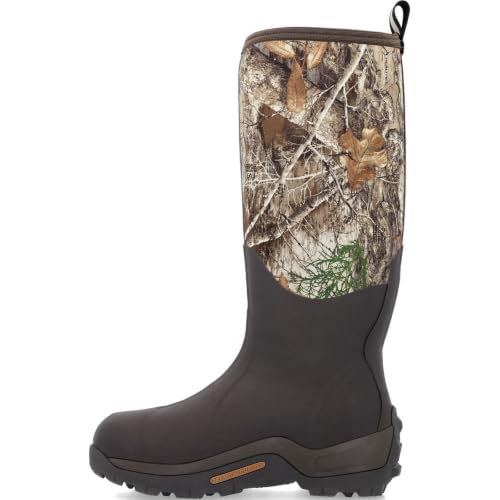
MUCK Woody Max Mossy Oak Boot

Extremus Timber Trail Hunting Backpack

MUCK Arctic Pro Insulated Boot
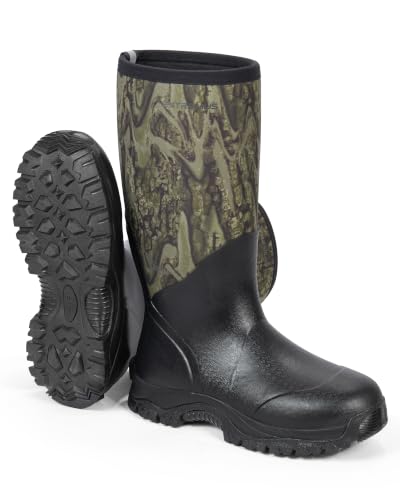
Extremus MudRidge Rubber Boots

Kalkal Insulated Snake Boots
More On The Choices That Made The List
Snake boots earn their keep the moment you leave the road and start pushing through tall grass or downed timber, and the Kalkal 16″ Lightweight Waterproof model leans into that exact scenario. Sixteen inches of shaft clears most prairie rattler and copperhead strike zones without feeling like waders, and the lightweight build is the real surprise for a snake boot in this price tier.
Pair them with a daypack like the Extremus Timber Trail and you’ve got a workable summer stalking kit. Walk quietly on the approach, and the waterproof shell shrugs off dew-soaked grass and creek crossings without soaking through to your socks.
Features That Help
- 16-inch shaft covers the lower shin and ankle bone, which is where most bites happen on the trail.
- Waterproof construction keeps feet dry through damp brush, shallow puddles, and morning dew-heavy grass.
- Shock-absorbing field sole softens the impact on rocky terrain and helps reduce calf fatigue over long miles.
- Anti-slip tread pattern grips muddy slopes and wet leaves better than a standard hiking sole.
Things To Consider
- Without thick insulation, cold-weather hunters in frosty mornings will find these too thin to stand still in.
- Owners commonly report the lightweight build means less ankle stiffness, so very heavy loads may feel less stable on uneven ground.
- Rinse and air-dry the interior after swamp use to prevent odor buildup, since neoprene-style linings hold moisture.
Who It Suits Best
Warm-season hunters who deal with snakes or thick brush and want a breathable, packable boot for active miles.
Consider Something Else When
You need a true cold-weather rated boot for late-season hunts, in which case the MUCK Arctic Pro Insulated Boot is a stronger fit.
When the stand-hunt turns into a frost-bitten morning and the ground crunches under every step, the MUCK Woody Max Mossy Oak Boot earns its slot. The Mossy Oak Break Up Country camo pattern blends into late-fall timber, and the rubber-over-neoprene build is Muck’s signature insulation setup. The shaft is tall enough to keep snowmelt and brush off your calves.
For mixed-use days, you walk to the stand in the cold, sit still for hours, then hike back out, and this boot is built for exactly that rhythm. Compared to the Kalkal 16″ boot above, you’re trading snake protection for serious warmth.
Good Reasons To Consider
- Fleece lining plus internal neoprene traps warmth around the toes during long sits in the cold.
- Stretch-fit topline seals in heat and keeps cold air from sneaking past the calf.
- 2 mm thermal foam under the footbed adds insulation from frozen ground and snowmelt.
- High-grade rubber exterior shrugs off water, mud, and snow without leaking through seams.
- Mossy Oak camo helps break up your silhouette against bare timber and brown brush.
Points To Keep In Mind
- Insulation makes the boot run warm, so it’s overkill for summer scouting trips above 50°F.
- The rubber shell is quieter on rocks than a leather boot but stiffer for technical scrambles.
- Pull the boot off carefully and store it standing upright to keep the neoprene from creasing.
Best Suited To
Whitetail, late-season pheasant, or icy marsh hunters who spend long stretches stationary in the cold.
Not Your Match When
Your main concern is snake bite protection, where the Kalkal 16″ Lightweight Waterproof Snake Boots handle that job better.
Footwear gets all the attention, but a long hunting hike lives or dies by the pack on your back. The Extremus Timber Trail Hunting Backpack slides in here because it solves the carry problem that makes any boot choice feel heavier than it should. The 3-in-1 carry system lets you haul a rifle, bow, tree stand, or climbing sticks without committing to a single rig.
On the trail, weather-resistant fabric means a sudden shower won’t soak your lunch and layers. Pair it with the MUCK Woody Max on a cold morning hunt and you’ve got a focused setup for walking-in spots and packing out game.
What It Does Well
- 3-in-1 carry system adapts to rifles, bows, tree stands, and climbing sticks for true mobile hunters.
- Waist belt pockets with elastic ammo loops keep shells and small gear accessible without taking the pack off.
- Weather-resistant outer fabric shrugs off light rain and wet brush during early morning approaches.
Trade Offs
- Carry-system versatility adds bulk, so this isn’t a minimalist daypack for fast stalkers.
- Owners commonly report checking buckle tension before long hauls, since loaded weight can shift over miles.
Quick Facts
Made For
Mobile rifle and bowhunters who carry stands or sticks into remote spots and want one pack that handles multiple hunts.
Look Elsewhere When
You only need a small pack for short morning stalks, in which case a minimalist daypack makes more sense than the Extremus Timber Trail.
If you hunt where the thermometer reads negative and the snow squeaks underfoot, the MUCK Arctic Pro Insulated Boot is the warmest option in the MUCK line. The comfort range runs from -60°F up to about 30°F, which covers everything short of a tropical elk hunt. Fleece lining and 2 mm of thermal foam under the footbed hold heat in even when you stand still for hours on a frozen marsh.
This is overkill for a 45°F morning deer hunt, but for ice fishing, late-season predator calling, and snowmobile treks, it’s the right tool. Compared to the Woody Max, the Arctic Pro trades some breathability for serious cold tolerance.
Where It Helps
- Extreme cold rating handles ice fishing trips, snowmobile stops, and sub-zero predator hunts.
- Fleece lining plus 2 mm thermal foam underfoot keeps heat close to your toes on frozen ground.
- Tall rubber shaft blocks deep snow from creeping in at the calf.
Worth Noting
- Heavy insulation makes the boot run too warm for shoulder-season hunts above freezing.
- The thick build adds weight, so active long-distance hikers will notice the extra ounces over miles.
- Storing the boot unzipped or loosely laced helps preserve the boot’s shape between trips.
Feature Card
Whose Shelf It Belongs On
Ice anglers, snow-country predator hunters, and anyone who logs hours standing still in deep sub-zero temperatures.
Swap It Out When
You’re hunting brushy snake country in warmer months, where the Kalkal Insulated Snake Boots keep you cool and protected.
Some hunting days are really just long wet walks through grass you can’t see the bottom of. The Extremus MudRidge Rubber Boots are built for exactly that, with a 100% waterproof rubber shell that shrugs off the kind of standing water that ruins a normal hiking boot. Pull them on, wade through the slough, and your socks stay dry.
They lack the warmth of the MUCK Arctic Pro and the snake protection of the Kalkal 16″, but for marsh waterfowl, beaver trapping routes, and farm field drainage ditches, they punch above their weight. The name says it: mud and ridges.
Key Advantages
- 100% waterproof rubber construction handles full submersion in marsh water and standing puddles.
- Tall shaft keeps water from spilling over the top during deeper crossings.
- Lightweight rubber build reduces leg fatigue on long wades compared to heavier insulated boots.
- Easy rinse-off exterior simplifies cleanup after muddy field work.
- Works well for non-hunting chores like pond work and farm cleanup, so they earn use year-round.
A Few Limitations
- Plain rubber build offers no insulation, so cold-weather hunters will need thick socks underneath.
- Aggressive lugs shed mud well but pick up debris in dry rocky terrain.
- Owners commonly report the rubber upper feeling stiff during the first few wears until broken in.
Right Fit For
Waterfowl hunters, trapline walkers, and anyone who wades wet sloughs or works around stock tanks.
Where Another Pick Suits Better
You want one boot for a mixed cold-and-wet hunt, in which case the MUCK Woody Max Mossy Oak Boot adds the insulation this model lacks.
The Kalkal Insulated Snake Boots take the snake-country formula from the first pick on this list and add real cold-weather capability. The 5 mm neoprene layer adds noticeable warmth without making the boot feel clunky, which is a hard balance to strike in a snake-rated design. It works for cool-morning hunts where the air is sharp but the sun comes up fast.
Where the Extremus MudRidge is a marsh specialist and the MUCK Arctic Pro is a deep-freeze specialist, this boot targets the shoulder seasons. Spring gobbler hunts, fall archery setups, and early muzzleloader seasons all land in its wheelhouse.
Notable Gains
- 5 mm neoprene layer adds insulation for cool-morning hunts where thin boots leave toes numb.
- Anti-slip outsole grips wet leaves and stream banks during still approaches.
- Rubber lower plus neoprene upper seals out water and resists thorn punctures on brushy trails.
- Insulation without bulk keeps the boot flexible for active stalking miles.
Honest Caveats
- Insulation is moderate, so deep-winter hunters in single-digit weather will still feel the cold.
- The neoprene lining needs drying time after wet days to avoid odor.
- Owners commonly report a short break-in period before the shaft softens around the calf.
Product Snapshot
Who Will Love This
Spring gobbler and fall archery hunters who deal with snakes, cool mornings, and brush that bites back.
Reach For A Different Pick When
You face full sub-zero cold for hours, since the MUCK Arctic Pro Insulated Boot handles that extreme more reliably.
Picking Footwear That Bridges The Field And The Trail
A hunting boot that doubles as a hiking boot has to clear four bars at once: protect the lower leg from brush and bites, hold heat when the weather drops, grip wet and uneven ground, and walk ten miles without punishing your feet. Start with your climate, because insulation needs change more than any other spec across the calendar year. Warm-season hunters in snake country can run a lightweight, breathable boot like the Kalkal 16″ and stay comfortable, while late-season hunters need the thermal foam and fleece lining of a MUCK Woody Max or the deep-cold rating of the Arctic Pro.
Shaft height matters more than people realize. A 16-inch boot shields the shin from tall grass and snake strikes, but it also adds weight and slows your stride on technical scrambles. A shorter hiking boot moves faster but exposes you to trail debris. Match the height to your typical cover: marsh and brush demand taller, while open ridge hiking favors a mid-cut that breathes.
Sole design quietly drives half of your comfort. Aggressive lugs shed mud but feel clunky on rock. A field-style sole with shock absorption handles mixed terrain better than a pure wading lug. Sole flexibility is the part you only notice when it’s wrong, so think about whether your hunting pace leans toward slow stalks or long ridge traverses before you commit.
Finally, think about water resistance. “Waterproof” runs the spectrum from rubber shells that handle full submersion to treated leather that handles dew and light rain. The Extremus MudRidge sits at one extreme, while treated boots sit closer to the other. Your local creek crossings, dew-heavy mornings, and snowfall pattern decide which end of that range you need.
Mistakes Worth Dodging Before You Commit
Pitfalls Shoppers Hit
Buying a boot rated for a climate you don’t actually hunt in leads to overheating on shoulder-season days. Equally common is choosing a snake boot without enough insulation for cold mornings, which forces you to layer socks and lose the boot’s snug fit. Always match the boot’s rating to your real hunting calendar, not the worst possible day.
Where The Extra Money Goes
Premium boots earn the higher cost through better materials: thicker neoprene, more refined rubber compounds, taller shafts with stiffer ankle support, and stitched seams instead of glued ones. You also pay for a comfort range tested in real cold chambers. Spending up pays off when you hunt ten or more days a season and want a single boot that handles varied weather, while a casual weekend hunter can do fine with a more modest option like the Extremus MudRidge or the Kalkal 16″.
Frequently Asked Questions
What height shaft works best for hunting boots used on hikes?
A 16-inch shaft covers most snake and brush threats while staying walkable, but shorter mid-cuts move faster on open ridge hikes and breathe better in summer. Match shaft height to the cover you actually walk through.
Can rubber hunting boots handle long hiking miles?
Yes, though rubber builds tend to feel stiffer than hiking boots over distance. Models with shock-absorbing soles and neoprene flex points reduce fatigue on longer days and are worth prioritizing for hikes over five miles.
How does insulation change the boot’s warmth rating?
Insulation layers like fleece lining and thermal foam trap body heat around the foot, and the comfort range printed on the boot assumes moderate activity. Standing still in the cold drains heat faster than walking, so add one tier of insulation beyond what the label suggests for still-hunters.
Are waterproof boots enough for creek crossings and marsh wading?
A truly waterproof rubber shell handles brief submersion, while treated leather and lighter builds resist splashes but eventually soak through. For deeper waterfowl wading, look for full rubber construction like the Extremus MudRidge rather than a hybrid hiking boot.
Should the boot fit the pack or the other way around?
The pack follows the boot’s workload. A heavier insulated boot pairs with a structured pack like the Extremus Timber Trail, while a lightweight summer boot works fine with a smaller daypack. Decide on boots first, then size the carry system to match.